Exploring the Use Cases of MXC
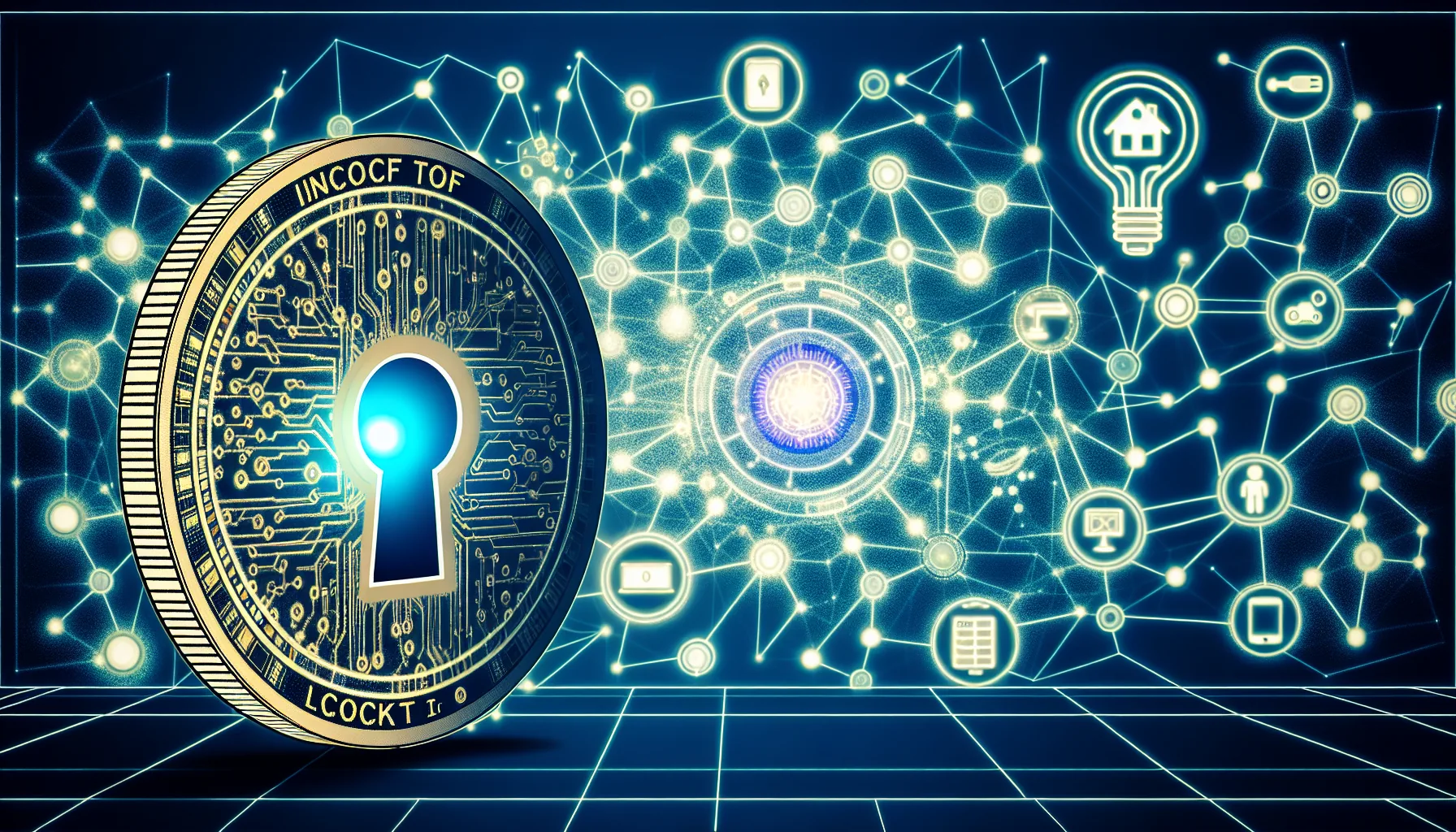
MXC (Machine eXchange Coin) is a utility token at the core of the MXC ecosystem, focusing on the integration of blockchain technology with Internet of Things (IoT) devices. As IoT adoption continues to grow globally, MXC aims to provide efficient and decentralized solutions tailored to support IoT networks. Below, we explore the primary use cases of MXC in the digital and physical landscape.
1. IoT Data Transactions
One of the key use cases of MXC is enabling seamless transactions of IoT data. By utilizing the MXC Protocol, devices can securely share and monetize their IoT-generated data on a decentralized network. For example, sensors involved in environmental monitoring, smart city infrastructure, or industrial operations can transfer data to relevant parties with full transparency and security, all powered by the MXC token. This marketplace incentivizes data producers while enabling data consumers to gain ready access to verified, real-time information.
2. Low-Power Wide-Area Network (LPWAN) Connectivity
MXC plays a pivotal role in supporting LPWAN technology, particularly in managing devices within the MXProtocol-powered network. LPWAN is essential for IoT devices that require extended range and energy efficiency, such as smart meters, air quality monitors, and asset trackers. MXC tokens facilitate smooth communication between these devices and provide a reward structure that incentivizes network operators using MXC-compatible hardware like the MatchX M2 Pro Miner.
3. Decentralized Device Management
The MXC ecosystem leverages blockchain for decentralized device management, improving security and efficiency. MXC tokens enable devices to connect and interact without the need for centralized intermediaries, reducing operational complexity in IoT networks. This use case is highly applicable in industries such as logistics, where IoT devices track shipments globally, or in healthcare, where smart devices monitor patient data securely.
4. Cross-Border Microtransactions
MXC supports cross-border microtransactions, an essential feature for IoT-related operations involving multiple stakeholders across different countries. Through blockchain technology, MXC facilitates low-cost, high-speed transfers of value between devices and users, removing barriers often associated with traditional financial systems. This capability is particularly relevant for global IoT marketplaces and supply chain solutions.
5. Smart City Applications
Smart cities use MXC infrastructure for applications like traffic management, waste management, and environmental monitoring. The token serves as a medium for devices to relay data or request services autonomously. For instance, connected traffic lights can use MXC tokens to trade real-time data with autonomous vehicles, optimizing urban traffic flow and reducing congestion.
6. Support for Artificial Intelligence (AI) Integration
MXC tokens also enable IoT devices to offload analytic-heavy tasks to AI algorithms within the MXC ecosystem. This use case involves supporting AI training and real-time decision-making processes for tasks such as predictive maintenance in manufacturing or personalized offerings in retail environments. MXC provides an infrastructure where data costs and computations can be efficiently managed through token incentives.