Articles
Every BestDapps article · deep dives into dapps, crypto assets, tokenomics, founders and market analysis.
-
Render Network (RENDER) Technical Coin Analysis: Burn-and-Mint Equilibrium, Solana Migration, and Decentralized GPU Compute Economics
Technical coin analysis of Render Network (RENDER): Burn-and-Mint Equilibrium (BME) tokenomics, Solana SPL migration, OctaneRender GPU compute matrix, and RNP…
-
Taiko BCR Architecture: Ethereum L1 Based Sequencing, Multi-Prover Contestable System, and Synchronous Settlement
Technical deepdive into Taiko BCR: based sequencing by Ethereum L1 proposers, multi-tier contestable proving, SGX and ZK hybrid proofs, and L1 settlement…
-
Polygon (POL) Technical Coin Analysis: Tokenomics 2.0 Migration, AggLayer Multi-Chain Staking Hub, and Validator Economics
Technical coin analysis of Polygon (POL): Tokenomics 2.0 migration from MATIC, AggLayer unified liquidity architecture, validator staking hub, and emission…
-
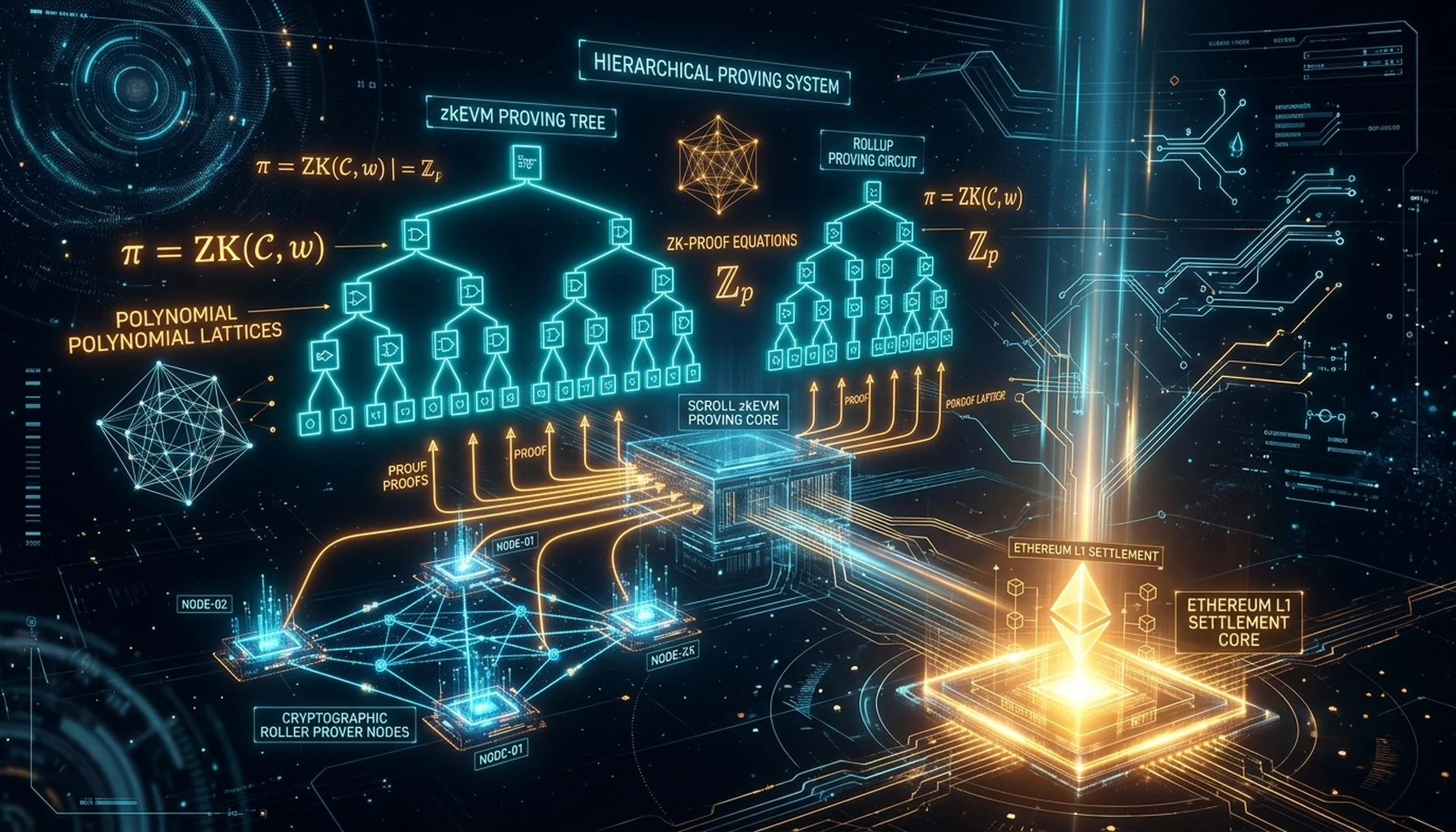
Scroll zkEVM Architecture: Hierarchical Zero-Knowledge Proving, Roller Network, and L1 Settlement Pipeline
Technical deepdive into Scroll zkEVM: bytecode-level equivalence, hierarchical proving circuits, Roller Network decentralized provers, and L1 settlement…
-
Chainlink (LINK) Technical Coin Analysis: Tokenomics 2.0, CCIP Interoperability, and Decentralized Oracle Security
Technical coin analysis of Chainlink (LINK): Decentralized Oracle Networks, OCR 2.0 consensus, Tokenomics 2.0 staking, CCIP architecture, and security…
-
Sui Network Architecture: Object-Centric Data Model, Mysticeti Consensus, and Move Execution Engine
Technical analysis of Sui Network: Object-centric storage architecture, dual-path consensus, Mysticeti sub-second DAG engine, and Move VM execution.
-
Near Protocol (NEAR) Technical Coin Analysis: Nightshade Sharding, Dynamic Tokenomics, and Chain Abstraction
Technical coin analysis of Near Protocol (NEAR): Nightshade state sharding, Doomslug consensus, 70% fee burn economics, and chain abstraction utility.
-
Starknet ZK-Rollup Architecture: Cairo VM, STARK Proofs, and Native Account Abstraction
Technical deep dive into Starknet: STARK validity proofs, Cairo VM architecture, Sierra intermediate representation, and native account abstraction.
-
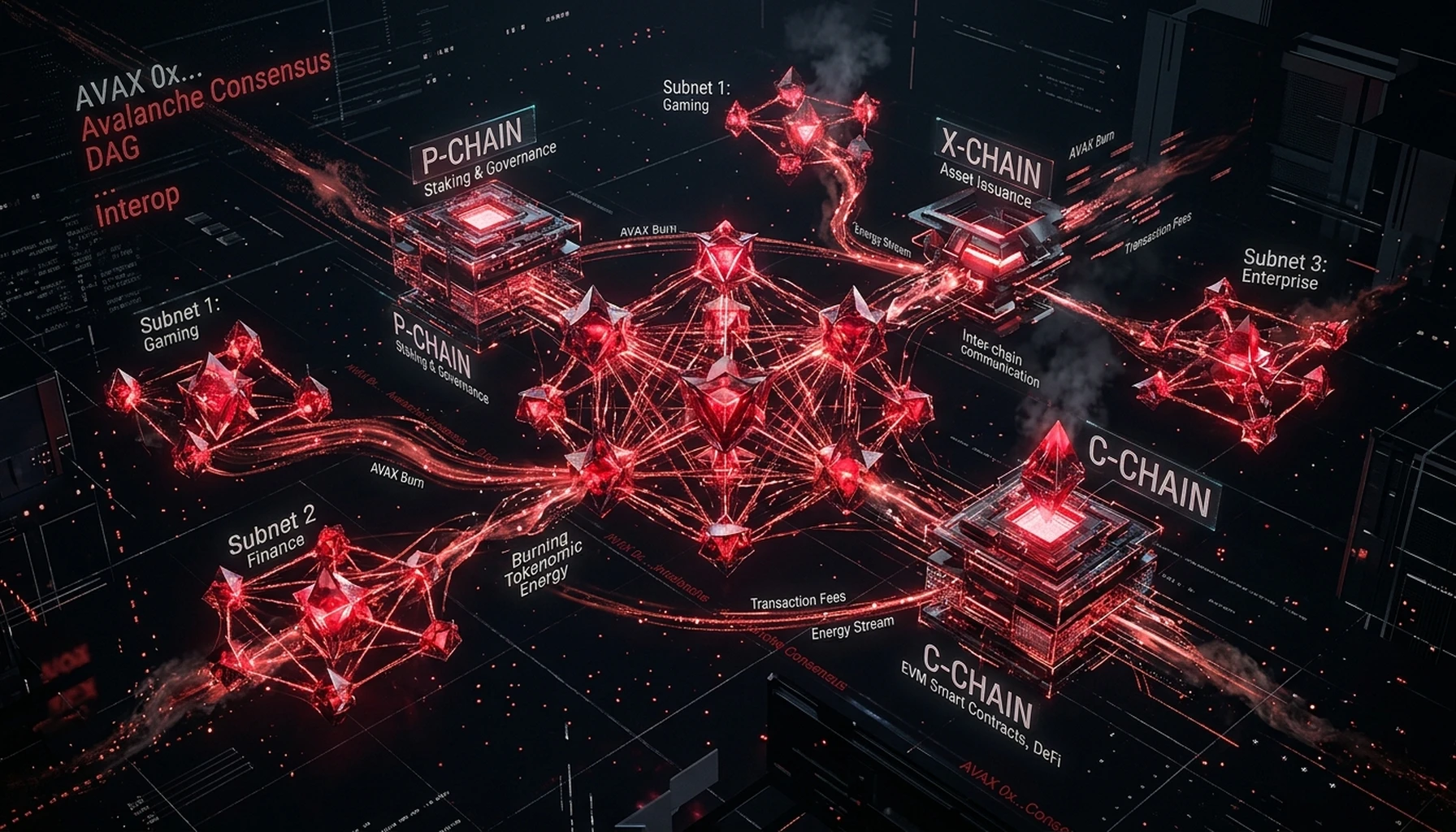
Avalanche (AVAX) Technical Coin Analysis: Snow Consensus, Multi-Chain Subnets, and Dynamic Tokenomics
In-depth coin analysis of Avalanche (AVAX): Snow consensus family, P/X/C Primary Network architecture, fee burning mechanics, subnet economics, and systemic…
-
Berachain Proof-of-Liquidity Architecture: BeaconKit, Polaris EVM, and Tri-Token Economic Dynamics
Technical deep dive into Berachain: Proof-of-Liquidity consensus, BeaconKit modular framework, Polaris EVM execution, and BERA-BGT-HONEY tri-token dynamics.
-
Bittensor (TAO) Technical Coin Analysis: Yuma Consensus, Subnet Economics, and Incentive Mechanics
In-depth coin analysis of Bittensor (TAO): decentralized machine learning subnets, Yuma Consensus incentive mathematics, 21 million halving curve, and systemic…
-
Monad Parallel EVM Architecture: MonadBFT, Pipelined Execution, and MonadDb State Access
Technical deep dive into Monad: MonadBFT pipelined consensus, deferred execution, parallel execution with Software Transactional Memory, and MonadDb…
-
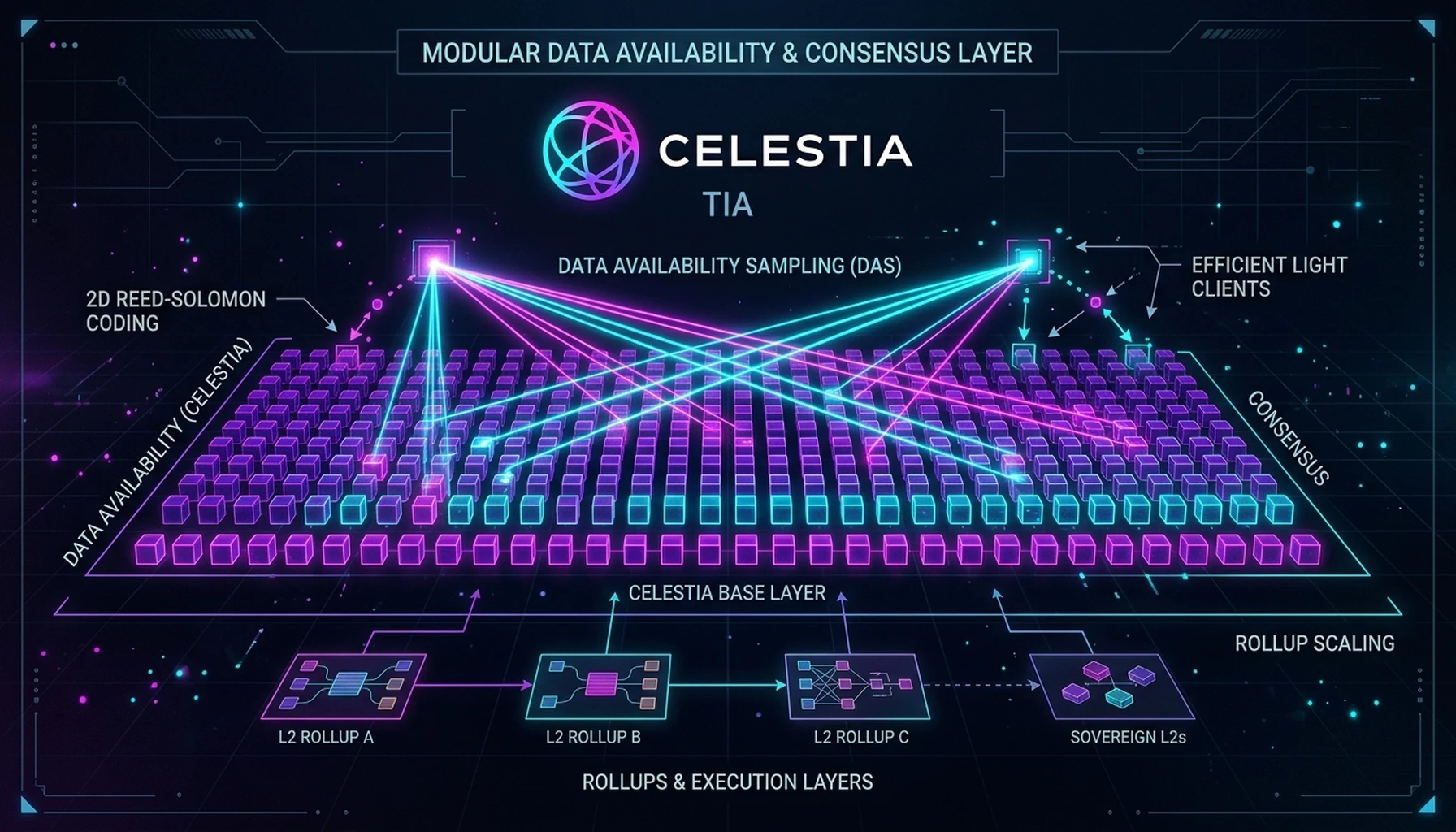
Celestia (TIA) Technical Coin Analysis: Modular Data Availability, Tokenomics, and Consensus Architecture
In-depth analysis of Celestia (TIA): modular data availability, 2D Reed-Solomon erasure coding, Data Availability Sampling, TIA utility, and economic…
-
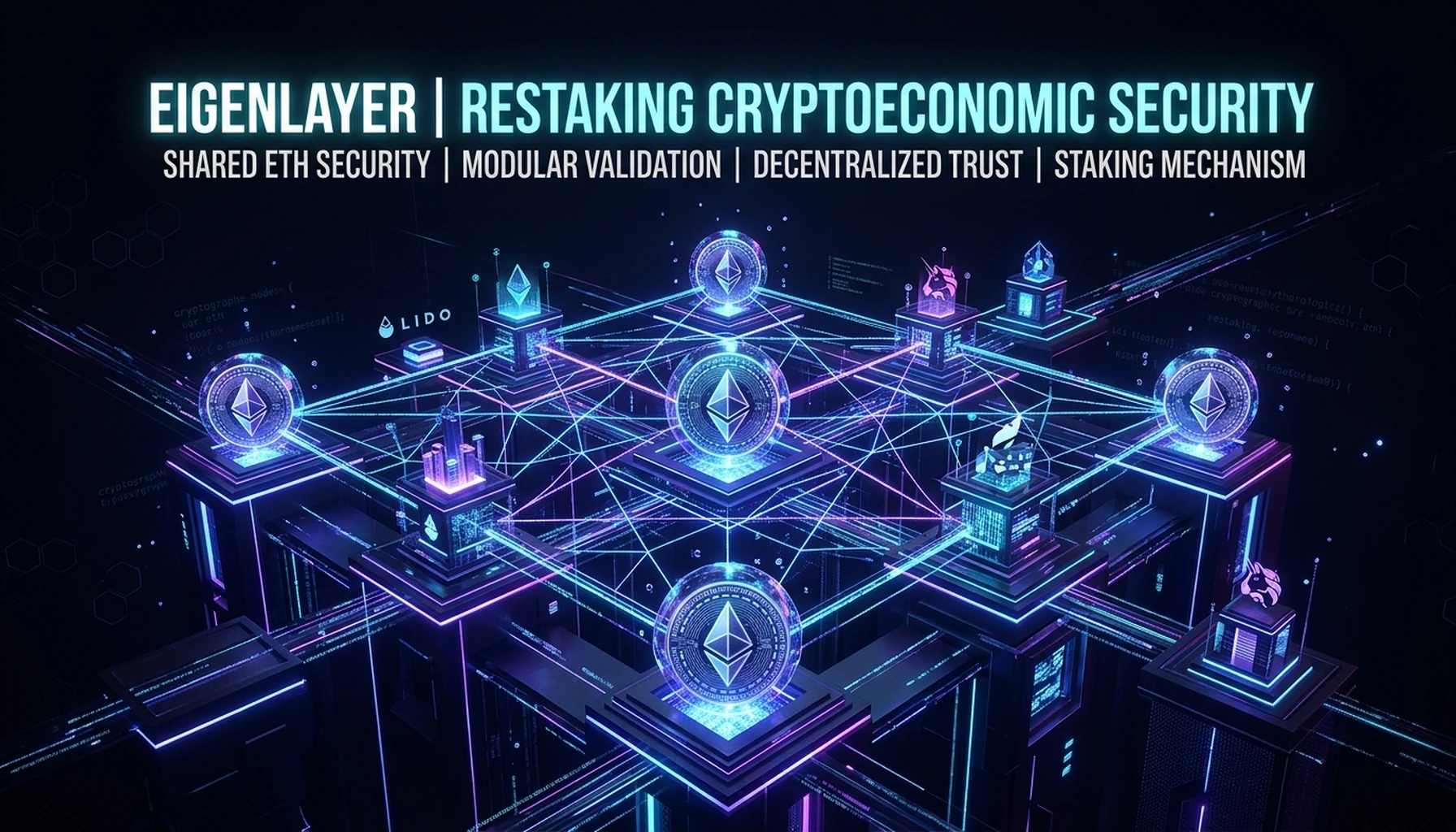
EigenLayer Technical Deep Dive: Restaking Architecture, AVS Cryptoeconomics, and Slashing Mechanics
Technical architecture deep dive into EigenLayer: pooled cryptoeconomic security, Actively Validated Services (AVS), dual slashing, and systemic risk analysis.
-
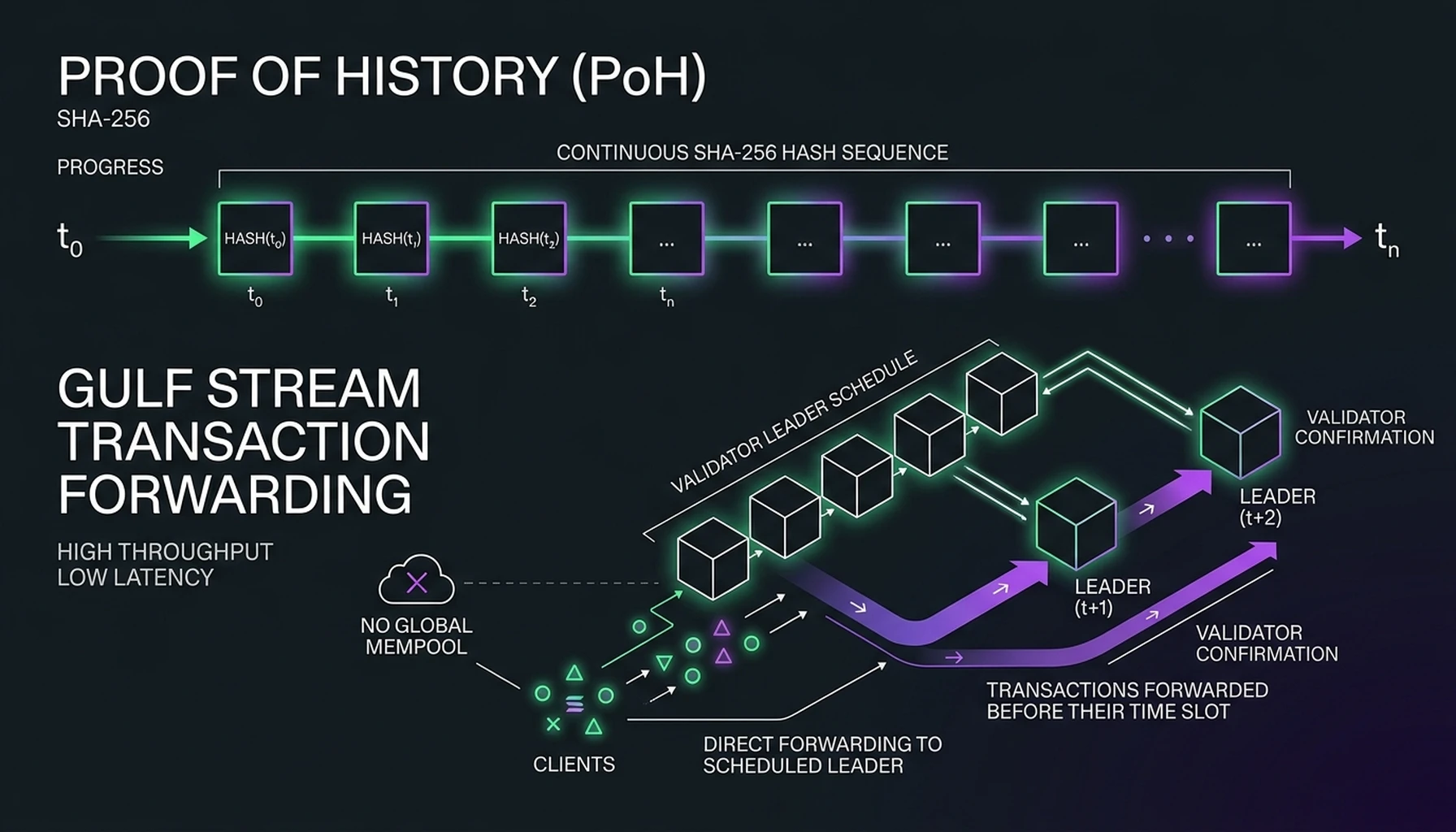
Solana Technical Deep Dive: Proof of History, Gulf Stream, and Sealevel Execution
Comprehensive architectural analysis of Solana: Proof of History SHA-256 sequencing, Gulf Stream transaction routing, Sealevel parallel runtime, and SOL…
-
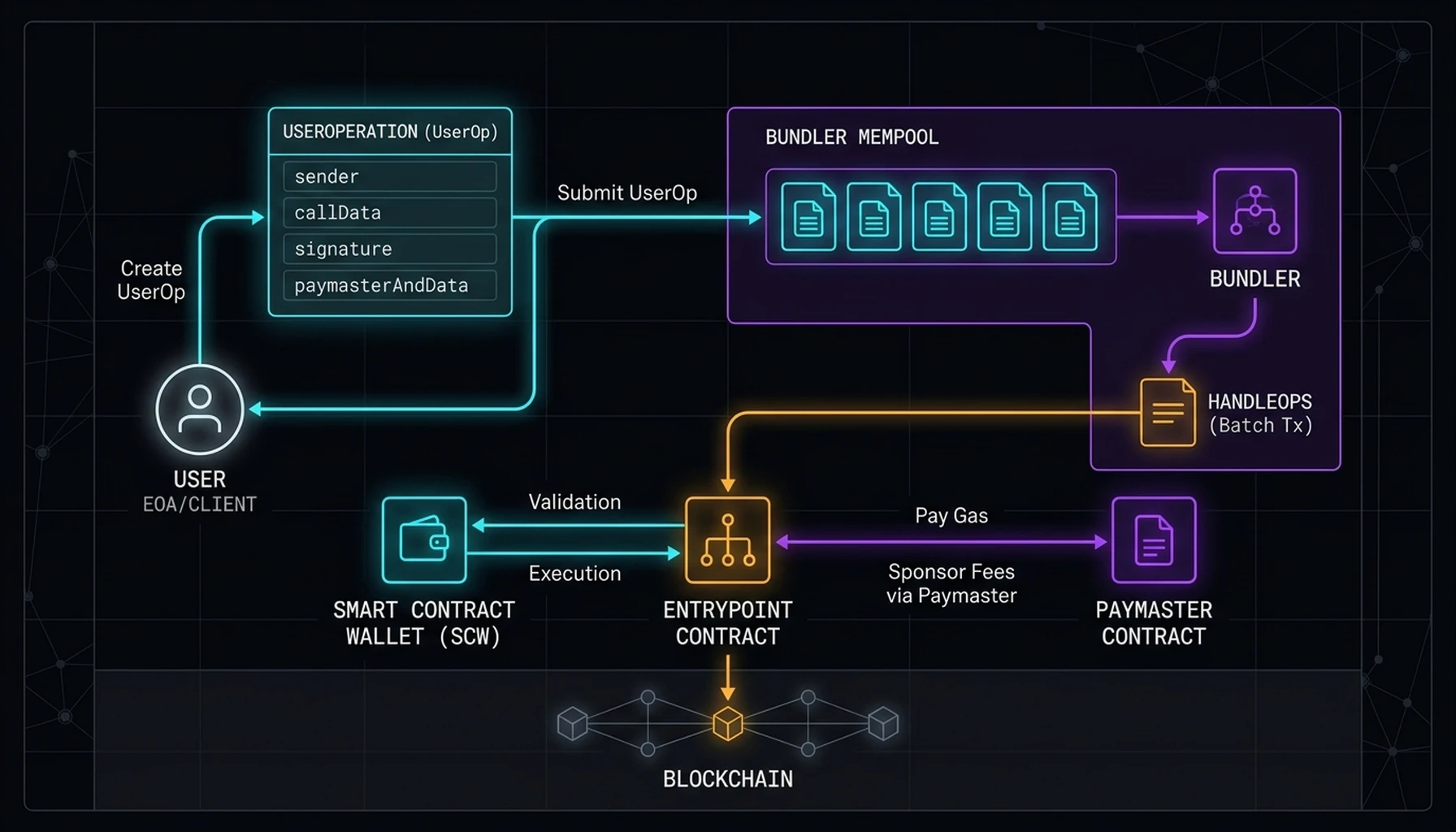
ERC-4337 and Account Abstraction: Technical Architecture, Bundlers, and Paymasters
Technical deep dive into Ethereum ERC-4337 Account Abstraction: UserOperations, alternative mempools, Bundler economics, Paymaster mechanics, and gas…
-
Hyperliquid & HyperEVM: The Architecture of Custom L1 Order Books and Native Perpetuals
An architectural deep dive into Hyperliquid, HyperBFT consensus, HyperEVM execution, and how native order book infrastructure scales on-chain derivatives.
-
Demystifying Ethereum Units: From Wei to Gwei, Ether, and Hex Calldata
A comprehensive guide to EVM denominations: master unit conversions between atomic Wei, Gwei, Ether, Bitcoin Sats, and ABI hex byte encodings.
-
How EIP-4844 Blobs Slashed Layer 2 Rollup Data Availability Costs by Over 90%
Explore the technical architecture of proto-danksharding and EIP-4844 blob space, and how it decoupled rollup posting costs from Ethereum execution gas.
-
How to Audit Smart Contract Risk Before Depositing in DeFi Protocols
A practical framework to evaluate smart contract security: timelock delays, multi-sig signer distribution, upgradeable proxies, and oracle risks.
-
How to Calculate and Mitigate Impermanent Loss in AMM Liquidity Pools
Master impermanent loss (IL) math in Uniswap and Curve pools. Discover how trading fee APR offsets price divergence to ensure net profitability.
-
How to Calculate DeFi Liquidation Risk and Maintain Safe Health Factors
Protect your collateral on Aave, Morpho, and MakerDAO. Learn how liquidation thresholds, loan-to-value (LTV), and oracle cascades trigger liquidations.
-
How to Calculate Net Crypto PnL and Exact Break-Even Prices with Trading Fees
Stop guessing your profit targets. Learn how maker and taker fees alter your actual break-even price and return on investment across spot and perps.
-
How to Calculate Real Yield in Crypto Staking: Navigating Token Dilution and Inflation
Learn how to calculate real staking yield by factoring in token supply inflation, emission dilution, and validator fees to protect purchasing power.