Exploring ORDI's Use Cases: Real-World Applications of the Ordinals Protocol
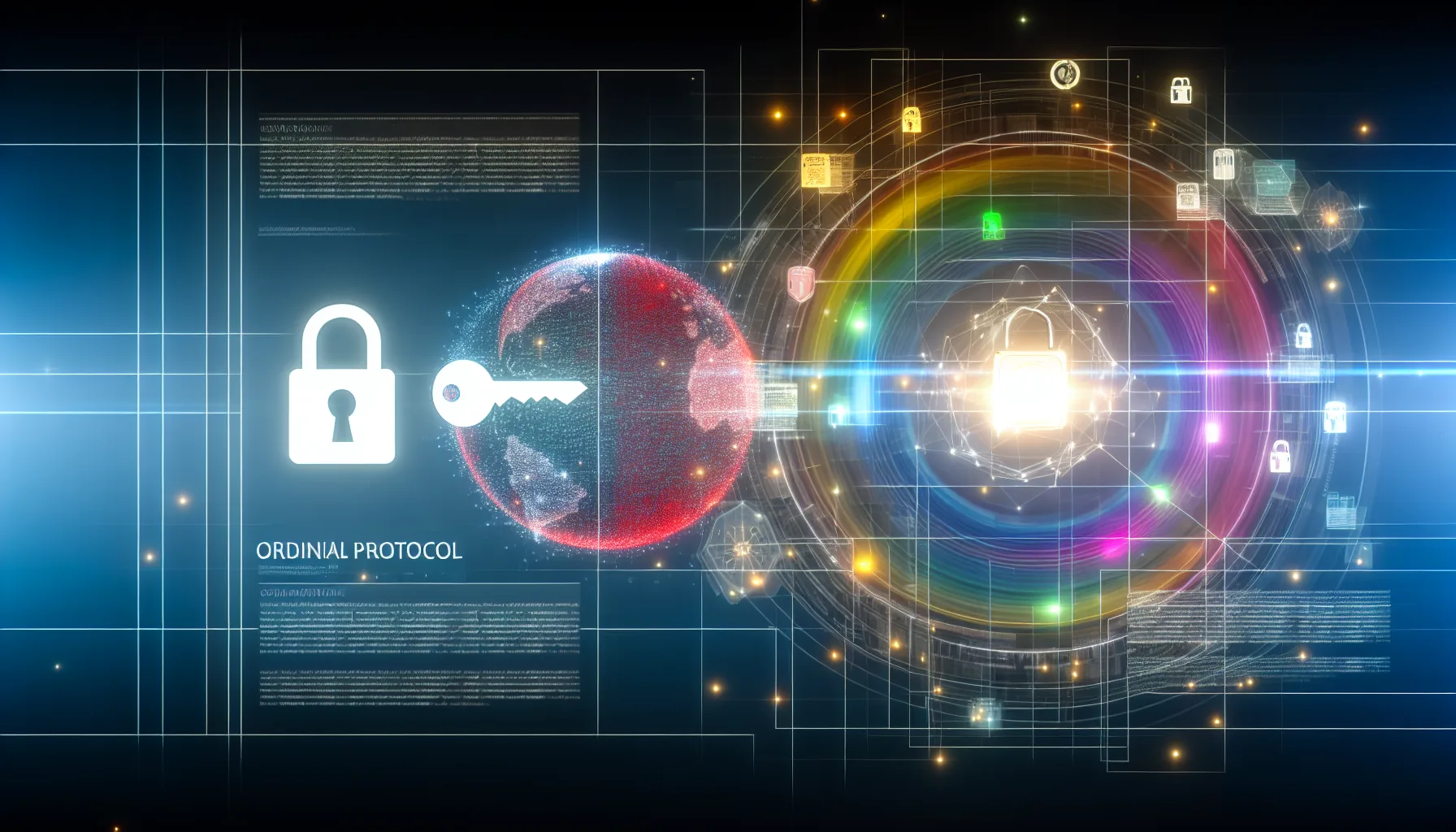
ORDI is the native token associated with the Ordinals protocol, a groundbreaking system built on the Bitcoin blockchain. Ordinals enable users to inscribe data onto individual satoshis, the smallest unit of Bitcoin, creating a new way to interact with digital assets. As ORDI continues to garner attention, understanding its various use cases is essential to evaluating its potential role in the blockchain ecosystem. Below, we outline several notable applications of ORDI and the Ordinals protocol.
1. Digital Art and Collectibles
One of the most prominent use cases for ORDI is in the creation and management of digital art and non-fungible tokens (NFTs). By leveraging the Ordinals protocol, creators can inscribe artwork directly onto Bitcoin’s blockchain, ensuring their creations are permanently recorded and immutable. Unlike traditional NFT ecosystems, which often rely on centralized storage, Ordinals inscribe data natively on-chain, offering a unique level of permanence and decentralization. ORDI functions as a medium for transactions within this ecosystem, facilitating exchanges between creators and collectors.
2. Decentralized Identity Systems
Another key use case for ORDI lies in decentralized identity (DID) systems. Through inscriptions, users can assign unique identifiers or metadata to satoshis that represent personal data, credentials, or ownership details. This enables new forms of self-sovereign identity solutions, where individuals maintain control over their digital identities without reliance on centralized entities. ORDI may be used as a utility token to access specific DID-related services enabled by the Ordinals protocol.
3. Proof of Ownership and Certification
The immutable nature of data inscribed on the Bitcoin blockchain makes it an ideal platform for proof of ownership and certification. ORDI and Ordinals can be used to certify intellectual property, ownership of physical items, or even environmental credits. For example, a company could inscribe a carbon offset certificate onto a satoshi, making it traceable and verifiable on-chain through the Ordinals system, with ORDI supporting the payment or exchange process.
4. Gaming and Virtual Economies
ORDI is also finding use in the gaming industry, particularly in decentralized gaming applications and virtual economies. Within blockchain games integrated with the Ordinals protocol, players can inscribe in-game assets or achievements onto the Bitcoin blockchain. These assets become transferable between players, creating a marketplace where ORDI serves as the native currency for trades and transactions. This further bridges the gap between gaming and decentralized finance.
5. Data Archival and Documentation
Beyond asset management, ORDI enables long-term data archival solutions. The Ordinals protocol allows users to permanently inscribe small amounts of critical data, such as legal documentation, historical records, or important messages, onto the Bitcoin blockchain. This innovation has particular relevance in regions where censorship or data corruption is a concern. ORDI’s role in this context involves serving as a token for accessing and facilitating such services.
6. Cross-Chain Integrations
ORDI has the potential to support interoperability across various blockchain ecosystems. As the Ordinals protocol grows, developers may create integrations with other blockchains, enabling assets inscribed on Bitcoin to be utilized in decentralized applications (dApps) on other networks. ORDI could function as a bridge token, enabling users to interact across diverse ecosystems while maintaining the foundational security of the Bitcoin blockchain.
The versatility of the Ordinals protocol, combined with ORDI's role as its native token, highlights a range of possibilities within decentralized systems. By facilitating data inscriptions on Bitcoin, ORDI enables real-world applications that extend beyond traditional crypto transactions.