Understanding the Tokenomics of MXC
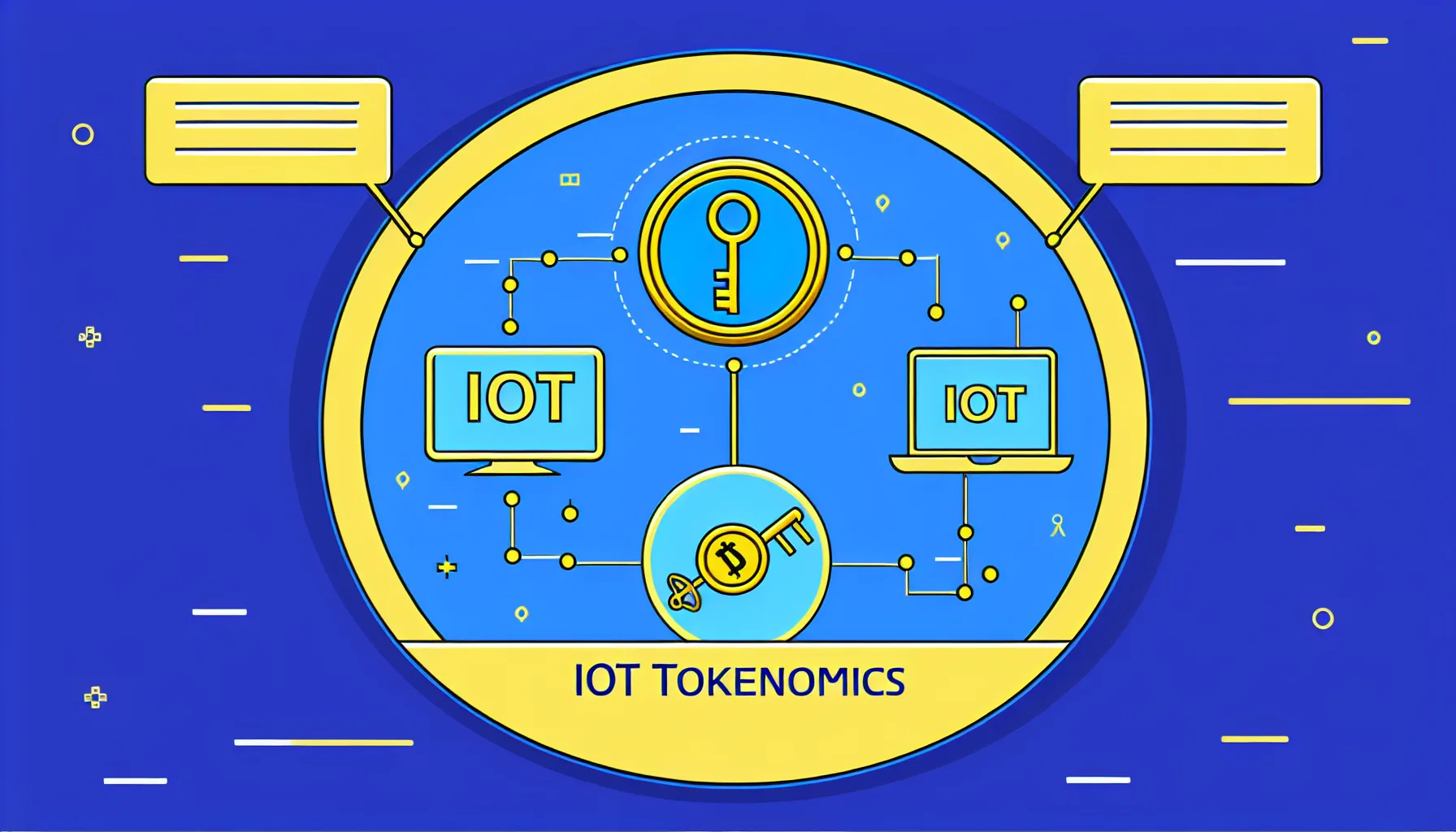
MXC, short for Machine Xchange Coin, is a cryptocurrency that powers the MXC Foundation's efforts to revolutionize IoT (Internet of Things) connectivity. A key component of evaluating the viability and utility of MXC lies in its tokenomics – a detailed breakdown of how the token is created, distributed, and used within its ecosystem.
Token Supply and Distribution
The total supply of MXC tokens is fixed at 2.66 billion. This capped supply ensures that no new tokens can be minted beyond this limit, creating scarcity by design. The distribution of tokens is a critical aspect of MXC's tokenomics. A significant portion is allocated for the mining ecosystem, as MXC utilizes low-power multi-token mining devices, such as the DataHighway (DHX) mining protocol, to reward participants.
Another portion of the supply is reserved for the foundation and key partners to further the development of its IoT infrastructure. Additionally, incentives are also provided to contributors who actively operate or improve elements of the MXC protocol, such as its super-node network. This allocation strategy ensures that the token supports both network functionality and long-term developmental goals.
Mining and Staking Mechanisms
A unique feature of MXC tokenomics is the integration of low-power mining. MXC uses mining devices like the MatchX M2 Pro, which are designed for energy efficiency. Miners within the MXC ecosystem do not compete in a typical proof-of-work manner; instead, they contribute to network connectivity and data transmission through LoRaWAN technology. This approach aligns the mining process with the core purpose of the token: enabling IoT data exchanges.
In addition to mining, MXC supports a staking mechanism. Those holding MXC can stake tokens within the ecosystem to secure rewards. The structure of these rewards is influenced by network demand and incentivizes long-term holding, contributing to network stability.
Utility Within the Ecosystem
The primary utility of MXC stems from its role as a transactional medium within the IoT-focused protocol. MXC facilitates micro-payments for IoT data exchanges, allowing devices and networks to trade data efficiently. Furthermore, the token is used for governance-related functions, enabling holders to vote and shape the future of the ecosystem.
By aligning tokenomics with practical applications and incentivization mechanisms, MXC attempts to create a balanced framework that supports both immediate use cases and long-term aspirations.