Understanding Data Trends in Polygon's MATIC
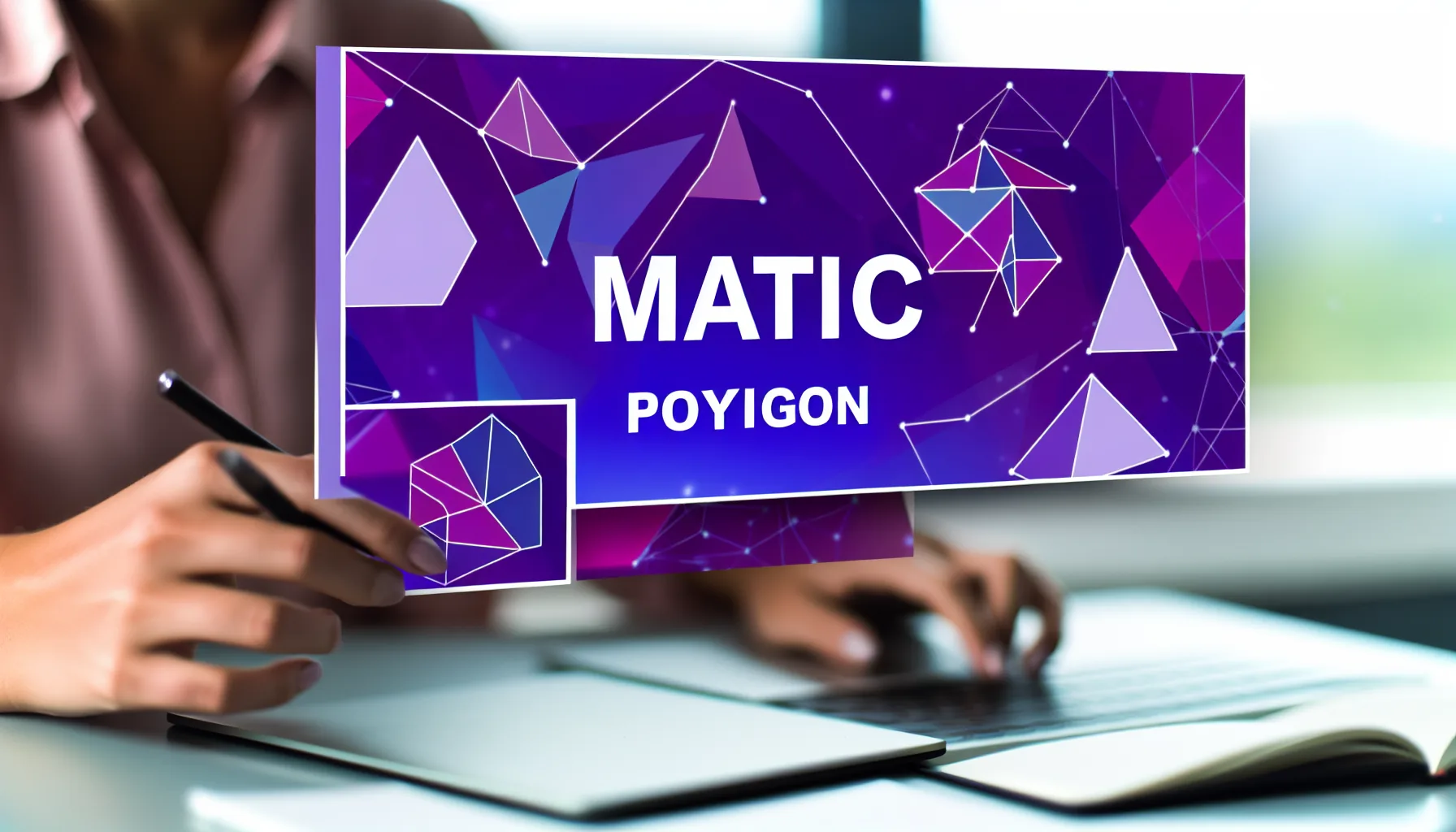
Polygon, formerly known as the Matic Network, has developed as one of the pivotal layer-2 scaling solutions in the Ethereum blockchain ecosystem. By offering an array of services like layer-2 roll-ups and sidechains, Polygon aims to improve the transaction speed and reduce costs for blockchain activities. Over time, data relating to MATIC, the native token of Polygon, helps elucidate its standing in the broader crypto landscape.
When analyzing MATIC's data trends, it is crucial to consider its role as a utility token on the Polygon network. MATIC is used for transaction fees and staking on the network. The transaction data from the Polygon network often indicates the adoption rate, as well as usage patterns, offering a more nuanced understanding of its utility. This data illustrates not only the number of transactions but also the engagement level of developers within the ecosystem who are choosing to deploy decentralized applications (dApps) on Polygon.
The Polygon network has seen a significant influx of developers, reflected in the growing number of dApps and active addresses that rely on the MATIC token. Data on active addresses serves as a reliable metric, indicating broad adoption and continuous developer interest. This growth is primarily attributed to Polygon’s ability to provide a more scalable solution compared to Ethereum’s native capabilities.
Furthermore, examining the on-chain data also involves understanding the staked MATIC. Staking activity provides insights into the confidence and belief both retail and institutional participants have in Polygon’s long-term viability. As users stake their MATIC tokens, they contribute to the network's security and decentralization, aligning incentives across stakeholders.
Polygon’s technology is continuously scrutinized and compared with other layer-1 and layer-2 solutions like the impact of layer-2 solutions on blockchain scalability. Such comparative analyses often reveal the significance of its rapid finality and high throughput, making it an attractive option for developers.
Another important element of Polygon's data relates to its interoperability feature, which is crucial for fostering a seamless interaction with Ethereum's ecosystem. This feature positions Polygon favorably among alternatives, facilitating a bridge for tokens and contracts between multiple chains.
The data surrounding MATIC's use and the Polygon network’s growth highlights the potential for better scalability and reduced transaction costs in blockchain applications, thus becoming an integral part of Ethereum's scaling infrastructure. Polygon's ongoing developments and strong partnerships indicate an expanding role in the blockchain industry.