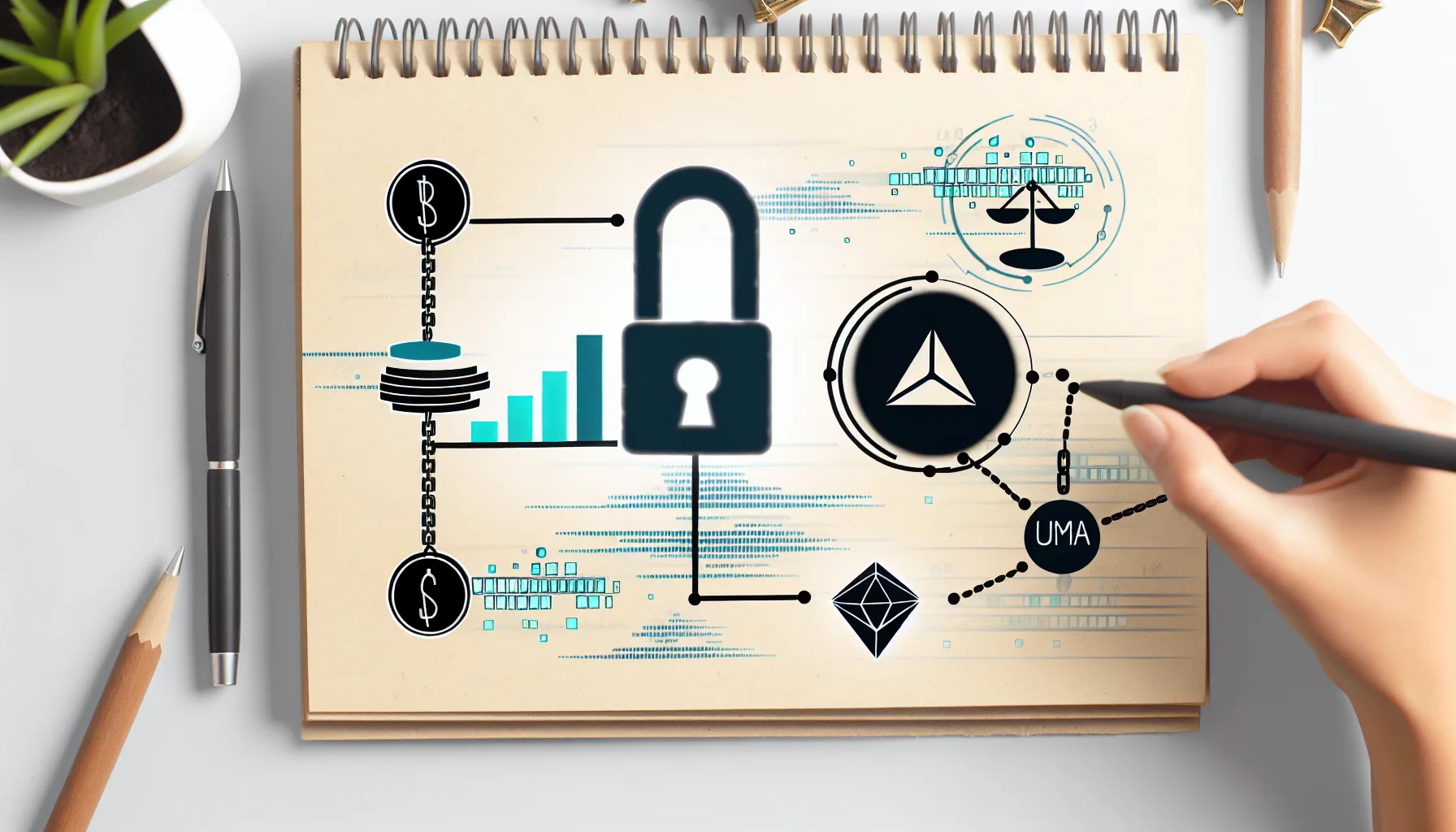
Understanding How UMA Works
UMA, or Universal Market Access, is a decentralized financial protocol designed to enable the creation of synthetic assets on Ethereum. Its core functionality revolves around providing a way to design, deploy, and manage financial contracts efficiently. These synthetic assets represent a wide range of real-world or digital assets without requiring direct ownership of the underlying asset. Here’s a closer look at how UMA operates and powers its ecosystem.
Key Components of UMA
The UMA protocol is built on two key components: decentralized contract design and a dispute resolution mechanism. Together, these elements ensure transparency, security, and trustlessness within the network.
1. Decentralized Contract Design
The foundation of UMA’s system lies in its ability to create synthetic assets through smart contracts. The process involves using price oracles, collateralization, and self-enforcing contracts. Users lock up collateral in the form of cryptocurrency, which acts as a guarantee for the value of the synthetic asset issued. These smart contracts autonomously manage the collateral and liquidation process, reducing the need for intermediaries.
This approach allows for the creation of synthetic assets that can track the value of virtually anything, ranging from fiat currencies and commodities to other cryptocurrencies or unique financial metrics. By bypassing strict regulatory frameworks and centralized infrastructure, UMA facilitates global accessibility to financial markets.
2. Optimistic Oracle
UMA’s Optimistic Oracle is a critical component for ensuring accurate and timely pricing data. Unlike traditional data feeds, this oracle operates under the presumption that most participants act honestly. When price data is required, proposers suggest a value that aligns with market conditions. If no disputes arise during the fixed challenge period, the proposed value is considered valid and implemented into the contract.
However, if a dispute is raised, UMA’s economic incentives and dispute resolution process come into play. The protocol relies on UMA token holders, who vote to resolve the conflict. This system ensures that any inaccurate data is corrected and allows for a more decentralized approach to data verification.
The Role of UMA Token
UMA’s native token plays a dual role within the ecosystem. First, it is used to participate in the dispute resolution process, where holders stake their tokens to adjudicate conflicts related to price data or contract terms. Second, UMA tokens incentivize network participants to act in good faith by rewarding honest behavior and penalizing bad actors. This token-centric design aligns the interests of users and ensures the integrity of the protocol.
Applications and Use Cases
UMA’s architecture supports a wide range of applications. Developers can use the protocol to design decentralized financial derivatives, create synthetic stablecoins, or even issue tokens that track non-traditional metrics like weather data or social media indices. By enabling broader access to these tools, UMA expands the scope of decentralized finance (DeFi) and removes barriers for developers and investors alike.