How OCEAN Protocol Works
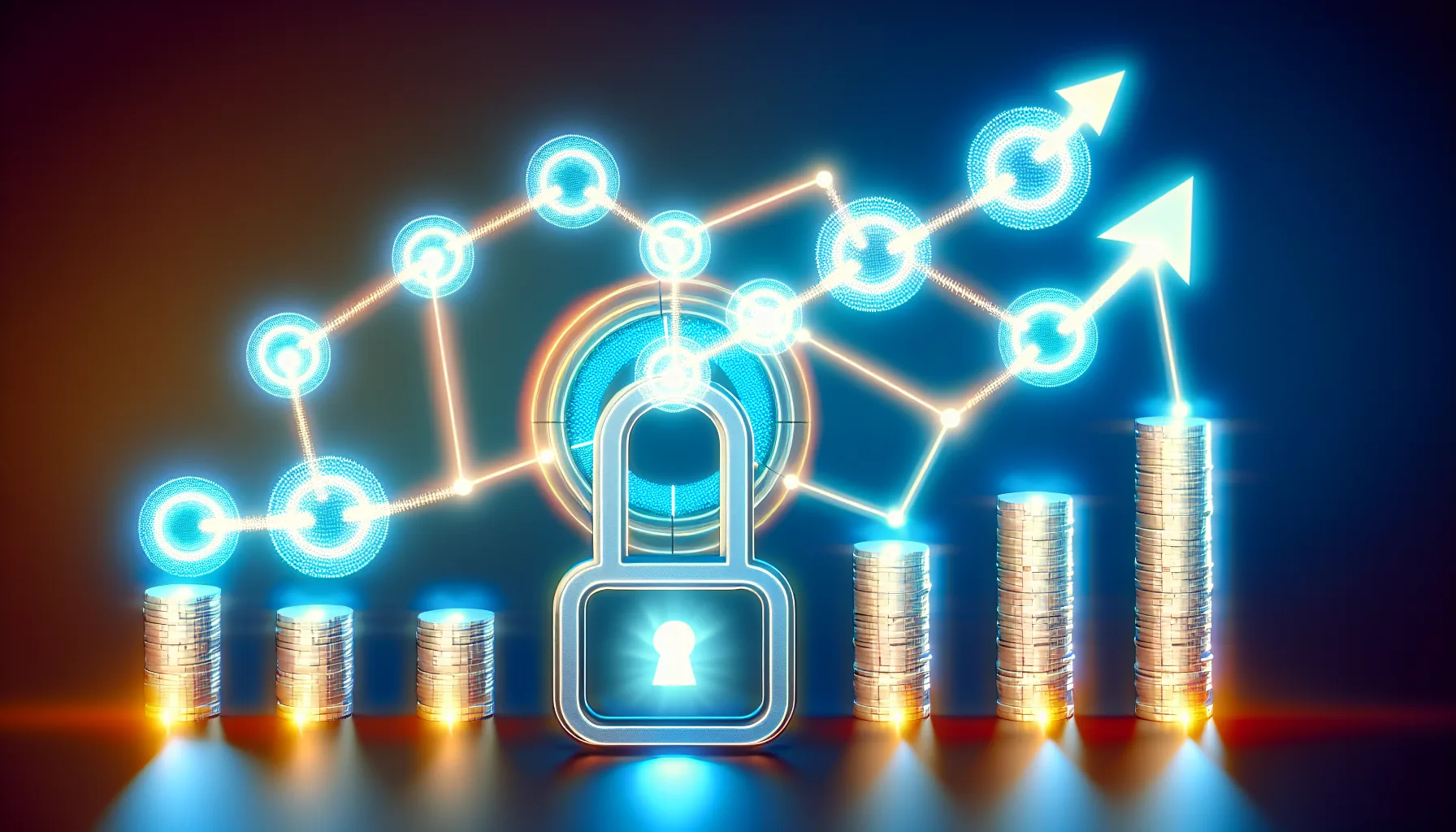
OCEAN is the native token of the Ocean Protocol, a decentralized data exchange protocol designed to unlock access to valuable data while ensuring privacy and transparency for stakeholders. The protocol provides a framework for the exchange of data by facilitating data owners, publishers, and consumers in a trusted environment. OCEAN token, in this case, plays an essential role within the ecosystem.
Data Tokens and Access Control
Ocean Protocol operates through the concept of “data tokens.” For each dataset shared on the platform, a corresponding data token is generated that provides specific access controls to the dataset. These data tokens are ERC-20 based and allow holders to access, share, and monetize the dataset they are linked to. By tokenizing data, Ocean enables liquidity in data markets, allowing data to be priced, bought, and sold in a decentralized marketplace, while maintaining privacy for the data providers.
Marketplace Dynamics
A major feature of the Ocean Protocol ecosystem is its decentralized marketplace. This marketplace allows users to publish data, curate the quality of data, and consume datasets based on their requirements. Publishers can list their datasets on the marketplace by assigning a price to them and choosing specific conditions of access. Consumers, on the other hand, pay in OCEAN tokens to retrieve access to these datasets.
The marketplace is also equipped with staking mechanisms wherein users can stake OCEAN tokens on datasets to highlight the quality and trustworthiness of the data. By staking, users are incentivized to pick high-quality datasets since positive use of their staked data can result in rewards, while poor outcomes could lead to a loss of staked tokens.
Decentralized Governance and Curation
Ocean Protocol employs decentralized governance mechanisms to make decisions about the evolution of the platform. The protocol leans on community input and decisions are made through a DAO (Decentralized Autonomous Organization) model. This allows participants within the network to have a say in protocol upgrades, resource distribution, and other governance-related activities. OCEAN token holders can vote on these matters, creating a decentralized way to control and improve the network.
Ocean Compute-to-Data
In addition to the traditional model of data exchange, Ocean Protocol also integrates an innovative "Compute-to-Data" mechanism. This allows algorithms to run directly on data while keeping the data at its source, without fully exposing it to consumers. This enables data computations without sacrificing strict privacy requirements, ensuring sensitive data never leaves its secure environment.