How QNT (Quant) Works
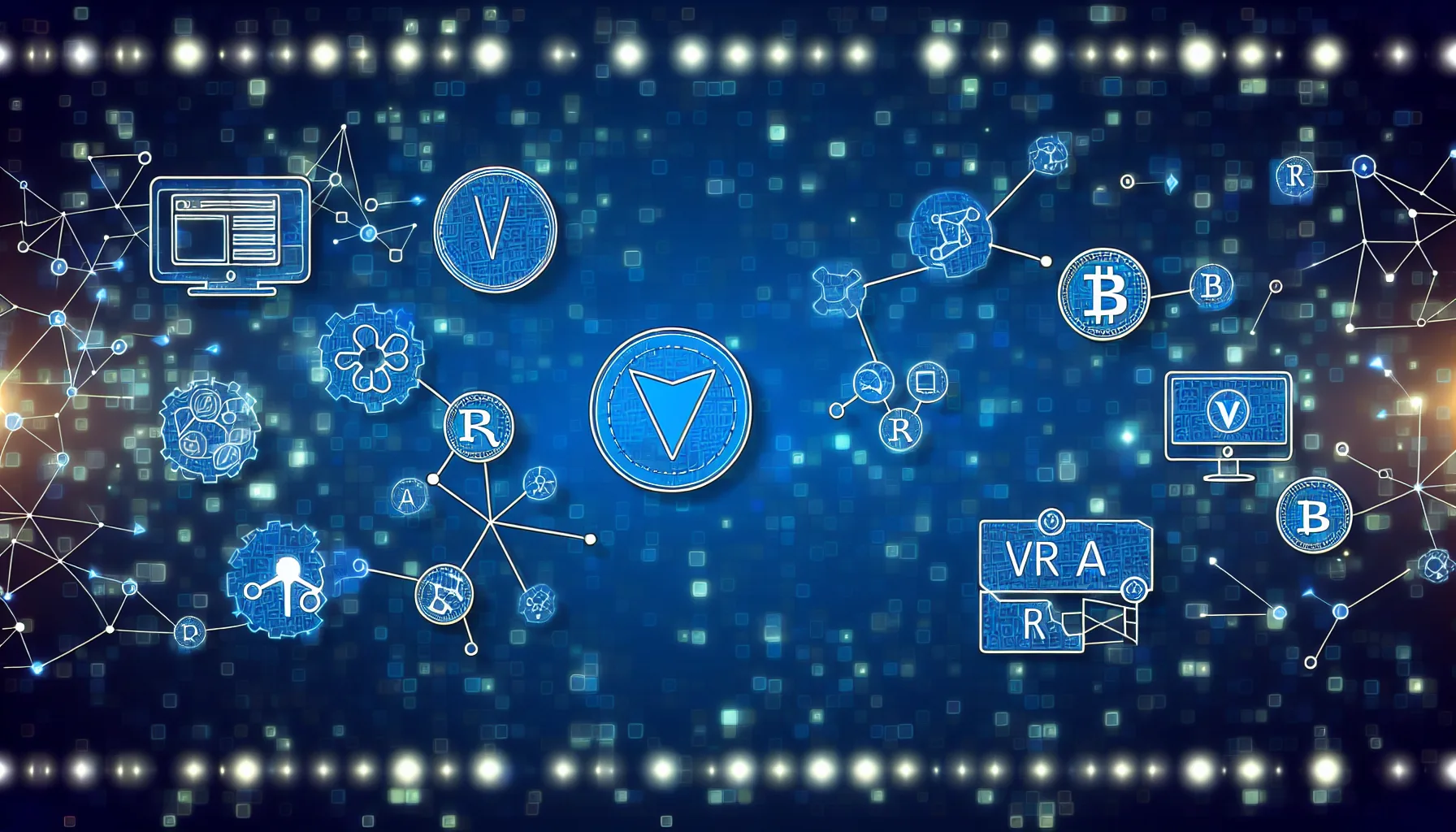
Quant (QNT) operates with the goal of bridging different blockchain networks by focusing on interoperability. Unlike other blockchain-based projects that aim to build a new, dominant platform, QNT provides a framework enabling existing blockchains to communicate and interoperate without needing to modify their individual structures. At the center of its ecosystem is Overledger, a distributed ledger technology (DLT) operating system that streamlines multi-chain applications (mApps) development.
Overledger: The Core of QNT
Overledger acts as the middleware layer in Quant’s ecosystem. It doesn’t attempt to replace blockchains but, instead, allows developers and organizations to access multiple blockchains at the same time. This is a key advantage for enterprises that currently work on different blockchain solutions, as they no longer need to choose between blockchains or stay restricted by the limitations of one.
Overledger is designed to be blockchain-agnostic. It sits above the various ledgers in a network, allowing applications to communicate and interact across different blockchains. Given that blockchains historically suffer from a lack of interoperability—meaning data and assets often can’t move efficiently between them—this solution addresses a fundamental challenge in the blockchain space.
mApps (Multi-Chain Applications)
One of the main innovations Overledger facilitates is the development of multi-chain applications, or mApps. Unlike decentralized applications (dApps), mApps function across several blockchains simultaneously. This capability gives developers the flexibility to select the features and benefits of multiple chains, enabling a more dynamic and adaptable application architecture.
Overledger uses "overlayers" to facilitate communication between blockchains and to enable off-ledger interactions (interactions that happen outside specific blockchains). This level of versatility makes developing decentralized solutions more straightforward for enterprises, especially those that need to communicate with several blockchains at once, without becoming confined to one technological ecosystem or platform.
QNT Token Utility
Quant's native token, QNT, is integral to the network's functioning. To gain access to the Overledger platform, both developers and enterprises must hold QNT tokens. This access not only allows interaction with various blockchains but also involves the creation, management, and use of mApps.
Additionally, QNT tokens are used to pay licensing fees for those wishing to use the Overledger operating system, as well as for the consumption of services. Validators and nodes that help maintain the Overledger’s infrastructure also require QNT tokens as part of their participation.