SHIB and Governance: What You Need to Know
As the decentralized finance (DeFi) ecosystem continues to evolve, governance has become a critical topic in cryptocurrency projects. SHIB, the native token of the Shiba Inu ecosystem, is no exception. While primarily known as a meme-inspired cryptocurrency, SHIB’s ecosystem has been gradually expanding, raising questions about its governance mechanisms and how they impact the community.
Shiba Inu’s Ecosystem and the Role of Governance
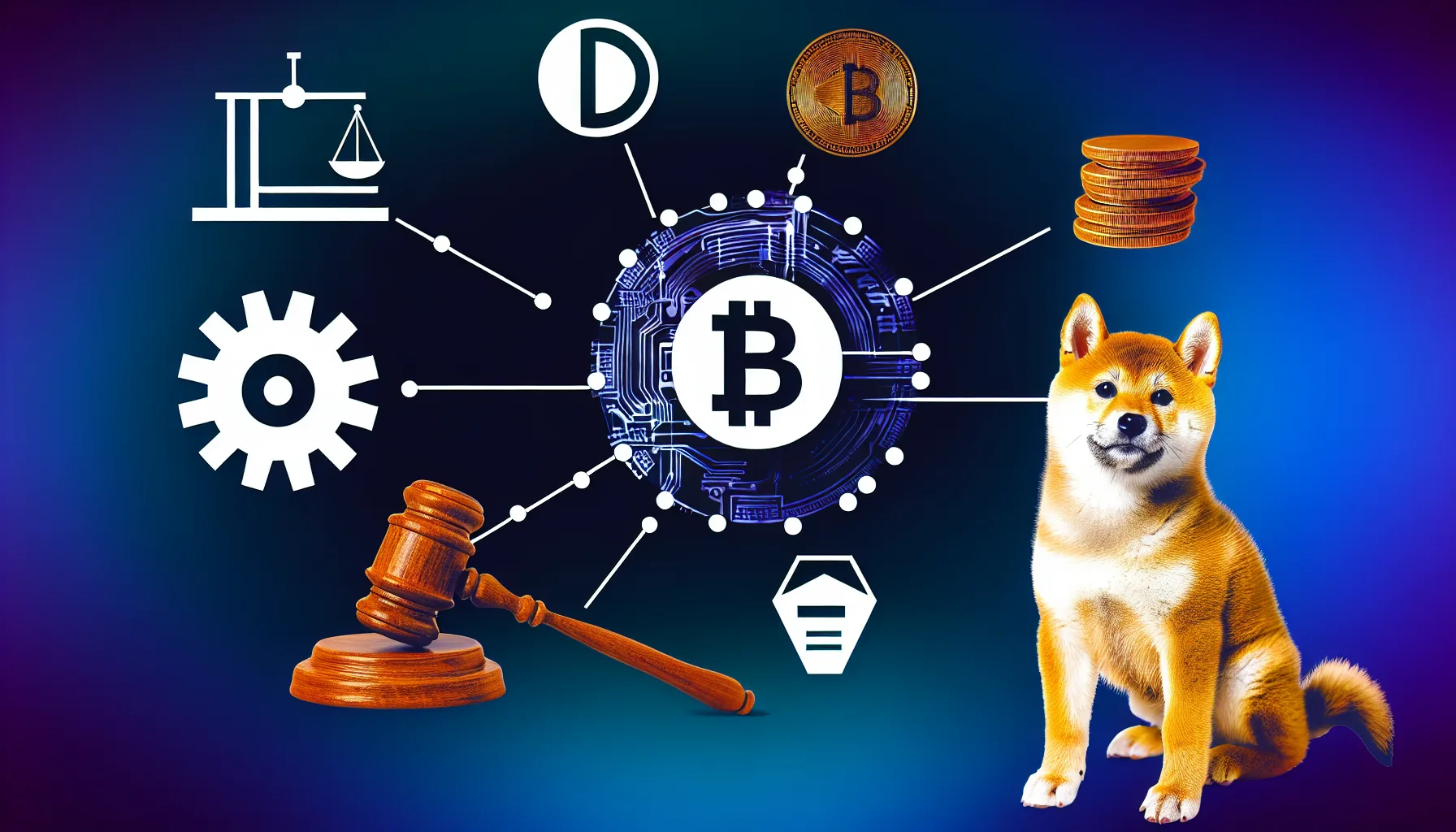
The Shiba Inu ecosystem encompasses multiple tokens, including SHIB, LEASH, and BONE, as well as products like ShibaSwap, a decentralized exchange. Within this ecosystem, governance centers around the use of the BONE token, which serves as the governance token for decisions affecting the ecosystem. Holders of BONE can use it to propose and vote on updates, projects, and modifications to functionalities within the ecosystem.
It is important to note that SHIB itself is not directly utilized for governance decisions. Instead, BONE takes on this role, giving the community some measure of control over the project. This separation of roles allows SHIB to remain primarily as a medium of exchange within the ecosystem, while BONE focuses on governance-related applications.
How Governance Proposals Work
Voting and governance for the Shiba Inu ecosystem typically occur on platforms like ShibaSwap. Proposals are introduced within the community, often addressing new developments, upgrades, or changes to how specific aspects of the ecosystem operate. BONE token holders can then stake their tokens to participate in the voting process, fostering a decentralized decision-making model. Outcomes are determined based on the weighted voting power of participants, with larger stakers having a more significant influence.
This process emphasizes community participation and reflects the rising trend in decentralized organizations, where token holders are empowered to guide the future of the ecosystem they support. However, the system also raises questions about centralization, as individuals or entities with large holdings of BONE may have disproportionate sway in governance decisions.
Challenges in SHIB Governance
While the governance model introduces a democratic layer to the Shiba Inu project, it is not without challenges. The reliance on active participation from BONE holders implies that only engaged members of the community can influence outcomes. Additionally, accessibility and transparency in communicating governance proposals are critical factors in maintaining user trust. If these aspects are not adequately addressed, it could lead to voter apathy or disengagement from non-technical users.
Another challenge lies in balancing the ecosystem’s governance with the broader objectives of the SHIB token. Since SHIB itself does not offer governance power, holders may feel excluded from important decisions affecting the ecosystem—despite their contributions to its popularity and adoption.