How NMR Works
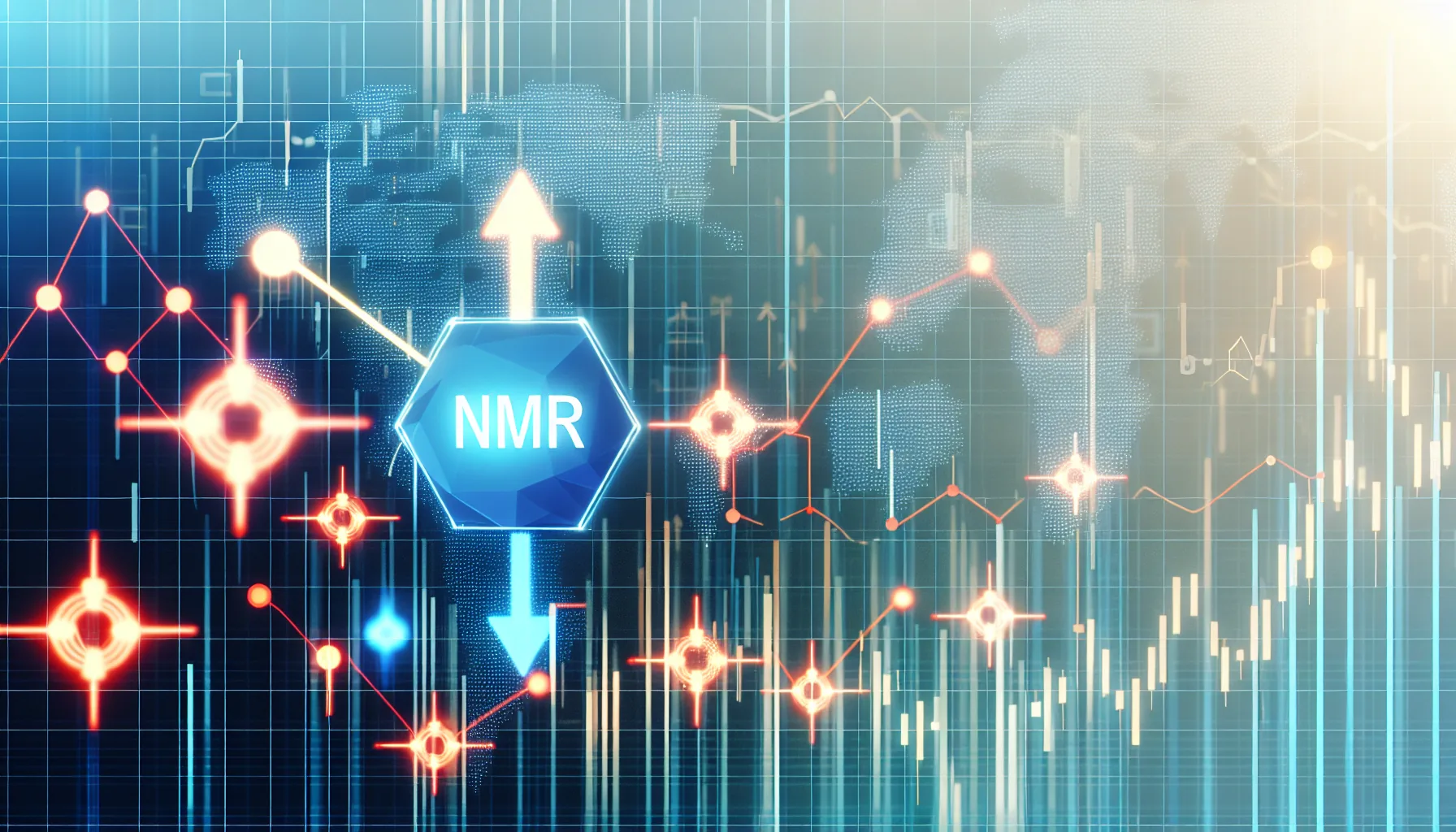
NMR, or Numeraire, is the native cryptocurrency of the Numerai platform, a decentralized hedge fund that leverages data science and machine learning models to inform its investment strategies. The asset is integral to the platform’s ecosystem, functioning as both an incentive mechanism for data scientists and a tool for decentralization.
The Numerai Platform
Numerai is a platform where data scientists from around the world participate in weekly predictive modeling tournaments. The objective is to create the best models for financial market predictions using data provided by Numerai, which ensures the dataset is obfuscated to protect financial information and maintain fairness. The submitted models are aggregated and used as part of the hedge fund's trading strategies.
Staking on Predictions
One of the key components of how NMR works is through staking. Data scientists must stake NMR tokens on the models they predict will perform well. This staking mechanism is not a traditional investment but rather a way to signal confidence in a model's quality. Staked tokens are locked until the results are verified based on market outcomes.
If a staked model performs well, the data scientist earns more NMR as a reward. However, if the model underperforms, the staked tokens are partially or fully burned, which reinforces the importance of submitting accurate and high-quality predictions. This creates a direct incentive to provide better modeling while penalizing poor performance.
Decentralization and Smart Contracts
NMR operates on the Ethereum blockchain and makes use of smart contracts for automation and trustless execution. The tournaments, staking process, and rewards distribution are all governed by these smart contracts, ensuring transparency and removing potential centralized manipulation. Participants interact with the system directly using their Ethereum wallets.
Capped Supply and Utility
The NMR token has a capped supply, making it less prone to inflation compared to assets with unrestricted minting capabilities. Its primary utility revolves around enabling decentralized participation in Numerai's tournaments and incentivizing meaningful contributions from data scientists. The capped supply model also aligns with its use case as a staking tool, as scarcity can theoretically add value to well-performing participants in the ecosystem.
Conclusion
Each aspect of NMR, from staking to its decentralized governance, is designed to create a collaborative, competitive environment where data science is applied to financial markets. This unique combination of blockchain technology and machine learning helps Numerai refine its investment strategies while rewarding its participants fairly.