Exploring the Tokenomics of MANA in Decentraland
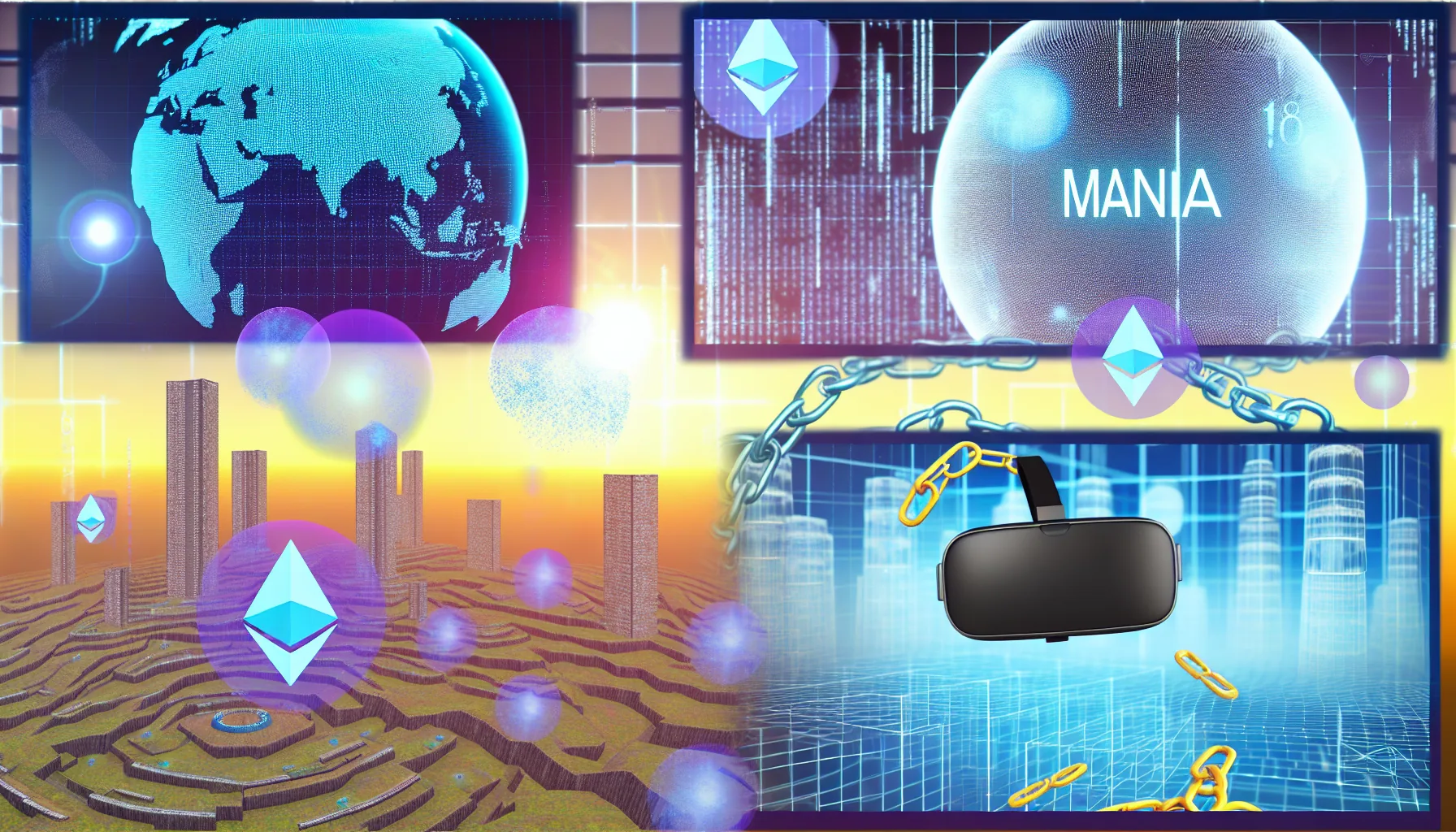
Decentraland, a virtual reality platform powered by the Ethereum blockchain, uses the crypto asset MANA as its primary utility token. Understanding MANA's tokenomics is crucial for those interested in the cryptoeconomics of virtual spaces.
With a maximum supply cap in place, MANA's tokenomics significantly differ from some other cryptocurrencies. When Decentraland was founded, it aimed to create a decentralized universe where users own and operate virtual land parcels. This objective is facilitated by MANA, which users invest in to acquire LAND tokens representing virtual real estate.
MANA tokens have several use cases within Decentraland. Firstly, they serve as the platform's internal currency, used to purchase goods and services in the metaverse, from virtual clothing and avatars to more practical applications like participating in events. Secondly, MANA can be burnt to claim LAND tokens, meaning that as more virtual land is acquired, the overall supply of MANA decreases. This deflationary mechanism is crucial to understanding the economic dynamics within Decentraland's ecosystem.
A key aspect of MANA’s tokenomics is its integration into Decentraland's governance model. Holders of MANA have voting rights in the Decentraland DAO (Decentralized Autonomous Organization), where they can propose and vote on changes to the platform. This governance structure allows users to have a say in projects' growth and policies, directly impacting the future landscape of Decentraland.
Another layer of MANA’s tokenomics involves its role in incentivizing user engagement. As Decentraland evolves, attracting both users and developers, incentive mechanisms using MANA are vital. Events, experiences, and contests within the platform often reward participants with MANA, fostering a vibrant community and encouraging creativity and innovation.
Moreover, MANA's tokenomics include integration with decentralized finance (DeFi) protocols. This cross-functional capability extends its utility beyond the platform, allowing MANA holders to engage in staking and lending on various DeFi platforms. This functionality encourages broader adoption and liquidity across different blockchain ecosystems.
Unlike some highly speculative crypto projects, Decentraland's MANA is anchored in tangible virtual utility and robust governance, contributing to its distinctive tokenomics model. For more insights into the blockchain’s impact on different industries, a deep dive into Decoding Frax Share: The Future of Tokenomics might provide an additional perspective on the evolution of token ecosystems.
Understanding Decentraland's tokenomics, particularly the roles and utilities of MANA within its virtual ecosystem, provides vital insight for potential investors and participants interested in exploring the possibilities of blockchain technology in virtual reality environments.