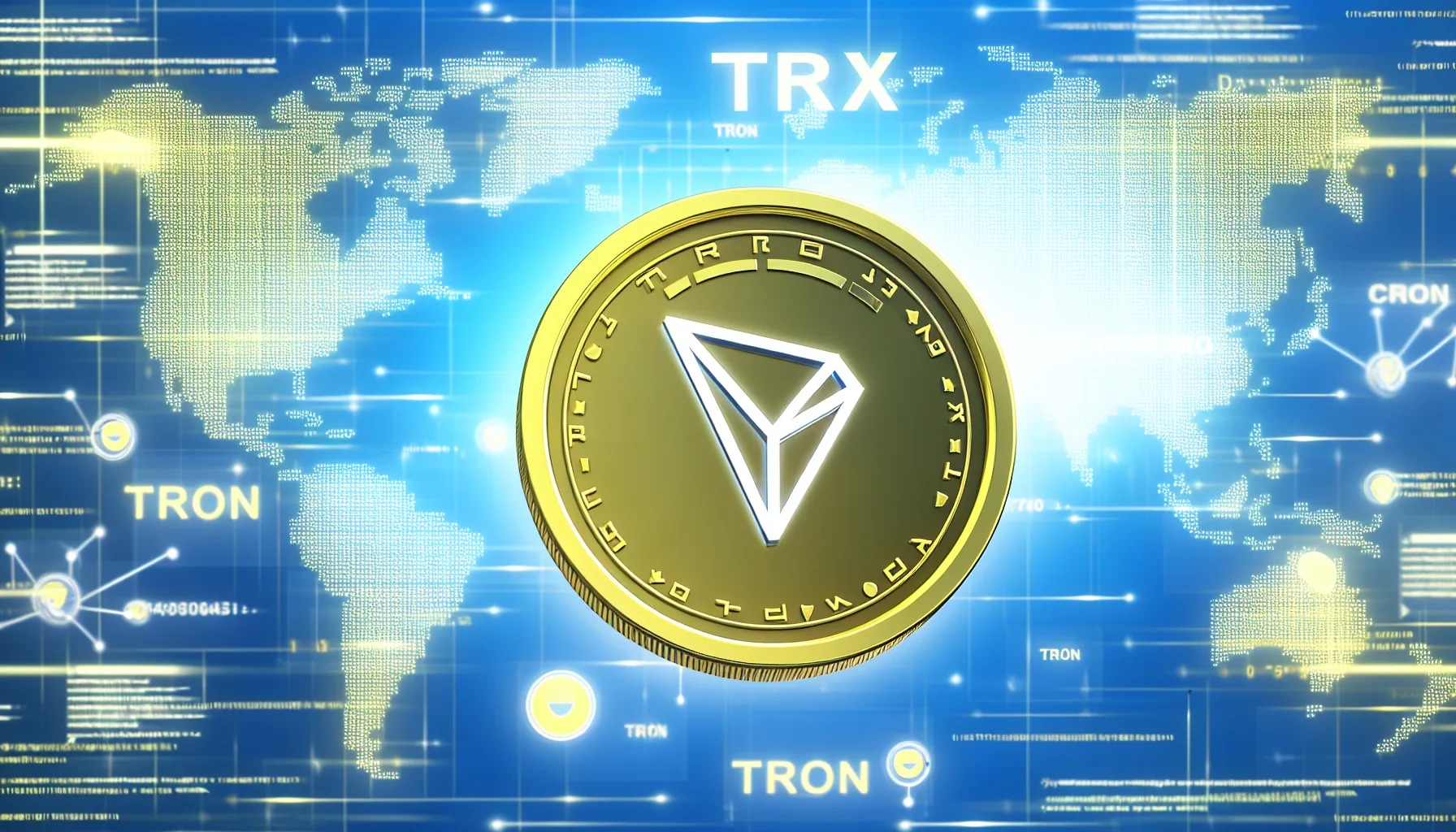
Tron (TRX) is a blockchain-based decentralized platform founded in 2017 by Justin Sun. Its primary aim was to create a global digital content entertainment system with distributed storage technology, allowing easy and cost-effective sharing of digital content. Over the years, Tron has grown to become one of the most ambitious and well-known blockchain networks in the cryptocurrency ecosystem.
The history of Tron began with its ICO (Initial Coin Offering) in 2017. The Tron Foundation raised approximately $70 million, introducing TRX as the native cryptocurrency of the Tron blockchain. This significant fundraising bolstered the project’s development and attracted substantial attention in the cryptocurrency community.
In its early stages, Tron was initially built on the Ethereum blockchain as an ERC-20 token. In June 2018, the Tron Foundation successfully migrated the platform to its mainnet, marking a crucial milestone in its effort to maintain a disruptive edge within the industry. This transition also entailed the swap of all ERC-20-based TRX tokens to the indigenous TRX coins on the new Tron blockchain. The migration to its mainnet underscored the project’s commitment to decentralization and innovation.
A notable feature of Tron's history is its acquisition of BitTorrent Inc., a peer-to-peer file-sharing platform. This strategic acquisition, completed in July 2018, was aimed at leveraging BitTorrent's technology to enhance Tron's decentralized ecosystem. The integration of BitTorrent was not only intended to increase the user base of Tron but also to provide real-world use cases for the network through initiatives like the BitTorrent Token (BTT).
Another significant development in Tron's history was the launch of its decentralized application (DApp) ecosystem. By enabling developers to create smart contracts and applications, Tron established itself as a competitor to other platforms like Ethereum. Through strategic partnerships and collaborations, Tron rapidly expanded its DApp development environment, encouraging innovation and the growth of its ecosystem.
Throughout its timeline, Tron has been active in increasing its decentralization efforts. The platform operates on a Delegated Proof-of-Stake (DPoS) consensus mechanism, which involves 27 "super representatives" elected by TRX holders to validate transactions and secure the network. This democratic governance model showcases Tron’s focus on community and participation within its ecosystem.
Tron has continuously sought to differentiate itself by positioning its network as a highly scalable, fast, and cost-efficient alternative to other blockchain platforms. While its history is marked by both milestones and controversies, the Tron network remains an influential player within the ever-evolving landscape of blockchain technology.