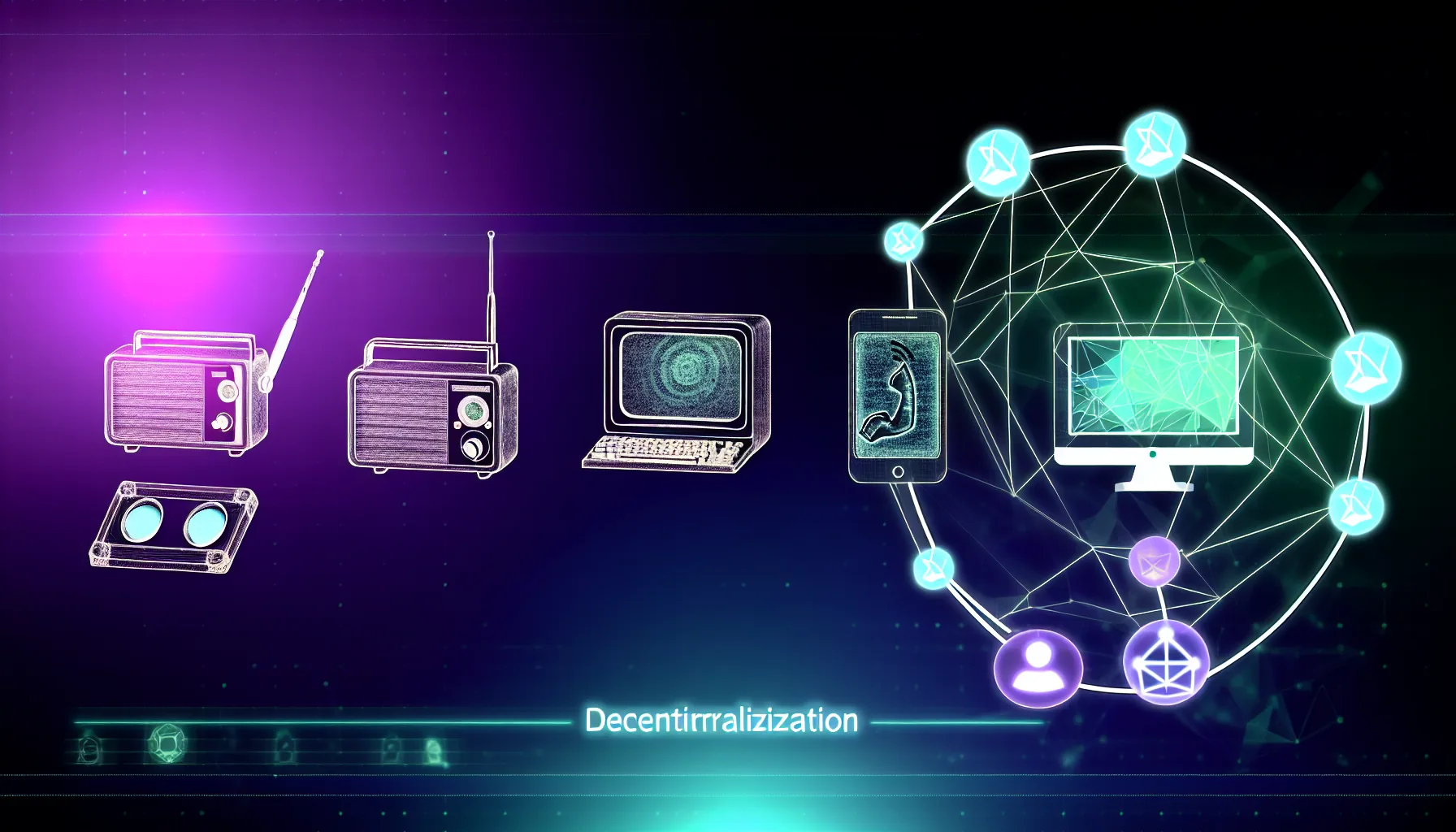
The History of SYLO: A Decentralized Communication and Digital Asset Platform
SYLO has evolved as an integral player within the decentralized ecosystem, combining blockchain technology with solutions for secure communication and asset management. Its origins can be traced back to 2017, when the founding team realized the growing need for privacy-focused and decentralized systems in both digital wallets and communication tools. The Sylo protocol aimed to address these needs by leveraging innovative peer-to-peer technology.
The initial concept behind SYLO revolved around creating an ecosystem where users could interact securely without intermediaries. The team focused on two core principles: decentralization and usability. Throughout 2018, SYLO's developers worked on designing a robust layer-two protocol for decentralized communication that could work seamlessly with existing blockchain infrastructure, making it more accessible for businesses and users alike.
In 2019, SYLO reached a significant milestone with the launch of the Sylo Smart Wallet. This application integrated a private, decentralized chat system with a digital asset wallet, aligning with the project's overarching vision. The wallet allowed users to store and manage multiple cryptocurrencies while communicating securely via peer-to-peer messaging without requiring centralized servers. At this stage, SYLO saw increased adoption due to its focus on both functionality and providing users with sovereignty over their data and funds.
SYLO further expanded its capabilities by introducing the Sylo Network, which serves as the foundation for its decentralized communication framework. This network operates by incentivizing node operators, ensuring the system remains functional and scalable. The Sylo Network represents an advancement in decentralized infrastructure, allowing users to interact while maintaining privacy and anonymity. The project has consistently emphasized creating a future-proof platform that operates beyond the limitations of traditional data handling.
Another core aspect of SYLO's history is the introduction of its native utility token, also known as SYLO, which enables interactions within the network. The token serves multiple purposes: paying for services, incentivizing node operators, and encouraging active participation. The SYLO token was integrated early on as part of the project’s decentralized vision, ensuring alignment between its technological infrastructure and economic framework.
As the blockchain landscape matured, SYLO has continued to focus on expanding its ecosystem. The team has formed partnerships and introduced features aimed at driving adoption and innovation. While its history reflects a focus on privacy, usability, and decentralization, SYLO continues to develop its protocol to respond to the rapidly evolving needs of the blockchain industry.