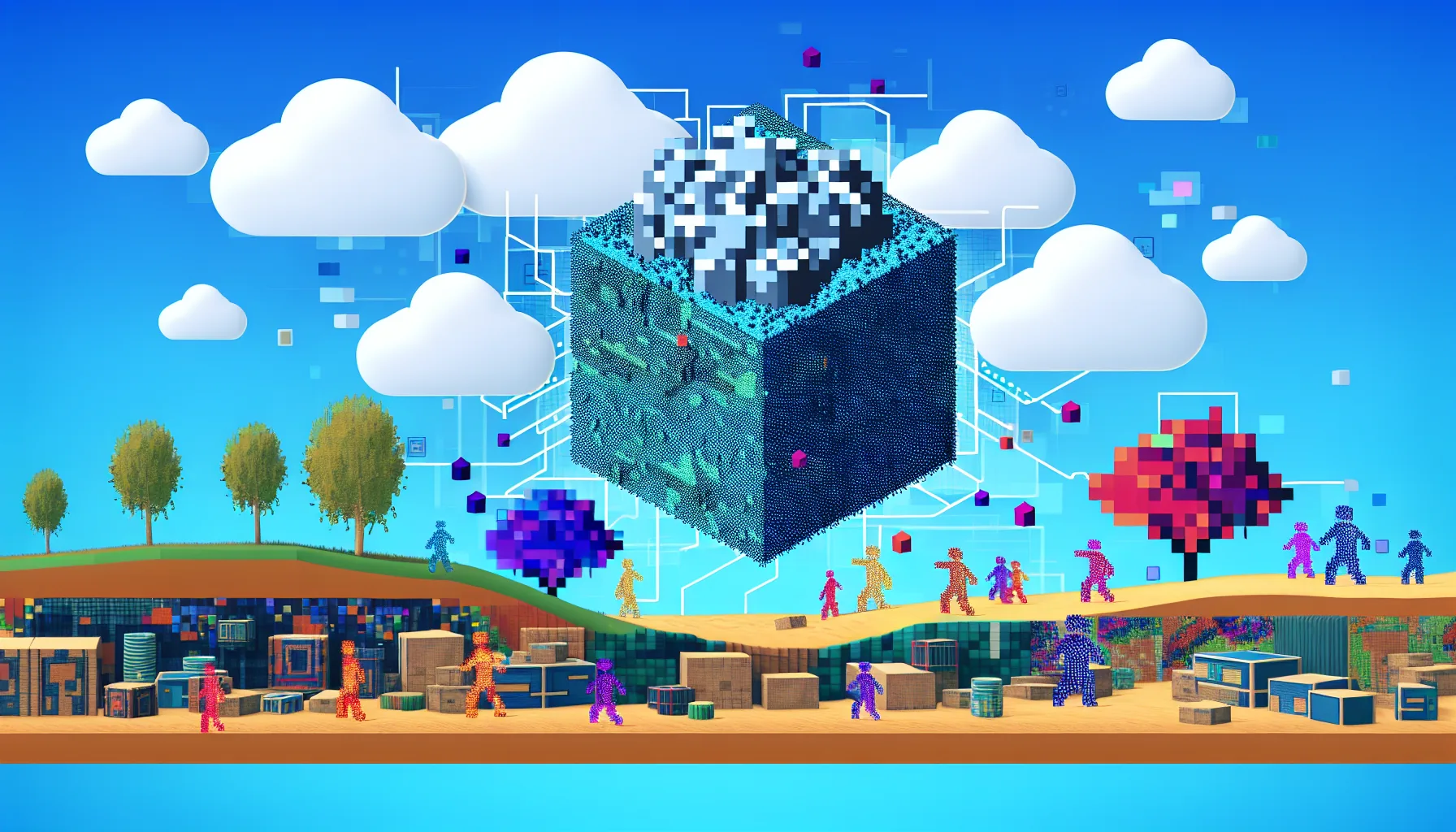
The Sandbox, a virtual world platform powered by blockchain technology, has become one of the most prominent names in the metaverse space. Its native utility token, SAND, also plays a key role in the ecosystem, driving the economy within this decentralized virtual world. But how did The Sandbox and SAND come into existence? Let’s explore its history.
The Origins of The Sandbox
The Sandbox began in 2012, initially as a mobile gaming platform founded by Arthur Madrid and Sébastien Borget. Released by the studio Pixowl, The Sandbox allowed players to create, share, and monetize pixel-based game experiences without requiring advanced coding skills. Over the years, it gained traction among users in the traditional gaming market, amassing millions of downloads and receiving attention for its easy-to-use creation tools.
By 2018, recognizing the potential of blockchain and decentralized applications, Pixowl decided to pivot The Sandbox toward a blockchain-powered metaverse. This shift was accompanied by a strong objective: to give players true ownership of their assets and foster a vibrant creator economy in the gaming ecosystem. This marked the transition of The Sandbox into its current form as a decentralized metaverse.
Launching SAND and the Blockchain Push
With its blockchain transformation, The Sandbox integrated its ecosystem with Ethereum and introduced various blockchain-based features. At the core of its transition was the SAND token, an ERC-20 token that serves as the native currency within The Sandbox metaverse. SAND allows users to buy, sell, and trade virtual land, assets, and experiences, and it also facilitates staking and governance in the ecosystem.
The introduction of SAND enabled The Sandbox to capitalize on the growing popularity of play-to-earn mechanics, providing a new way for users to interact with their digital creations. The launch of the metaverse platform also included NFTs (non-fungible tokens) for in-game assets, granting users verifiable ownership of digital items.
The Development of The Sandbox Metaverse
Following its blockchain pivot, The Sandbox began selling LAND, which are parcels of virtual real estate in its metaverse. LAND sales added a new layer of functionality and revenue potential for users and developers, as LANDs enable creators to build personalized spaces and experiences.
The Sandbox’s history reflects its agility in adapting to industry trends, evolving from a traditional sandbox game into one of the most widely recognized blockchain-driven virtual worlds. Its SAND token continues to be a critical driver of its economic and creative ecosystem.
Discover the fascinating journey of PAX Gold (PAXG), a unique crypto asset that intertwines the stability of physical gold with the innovation of blockchain…
Tenset (TNSR) has emerged as a significant player in the cryptocurrency ecosystem, blending traditional finance with blockchain innovation. Its journey…
Discover the journey of SEAM cryptocurrency, born to enhance blockchain utility and tackle scalability challenges. From its innovative beginnings to navigating…