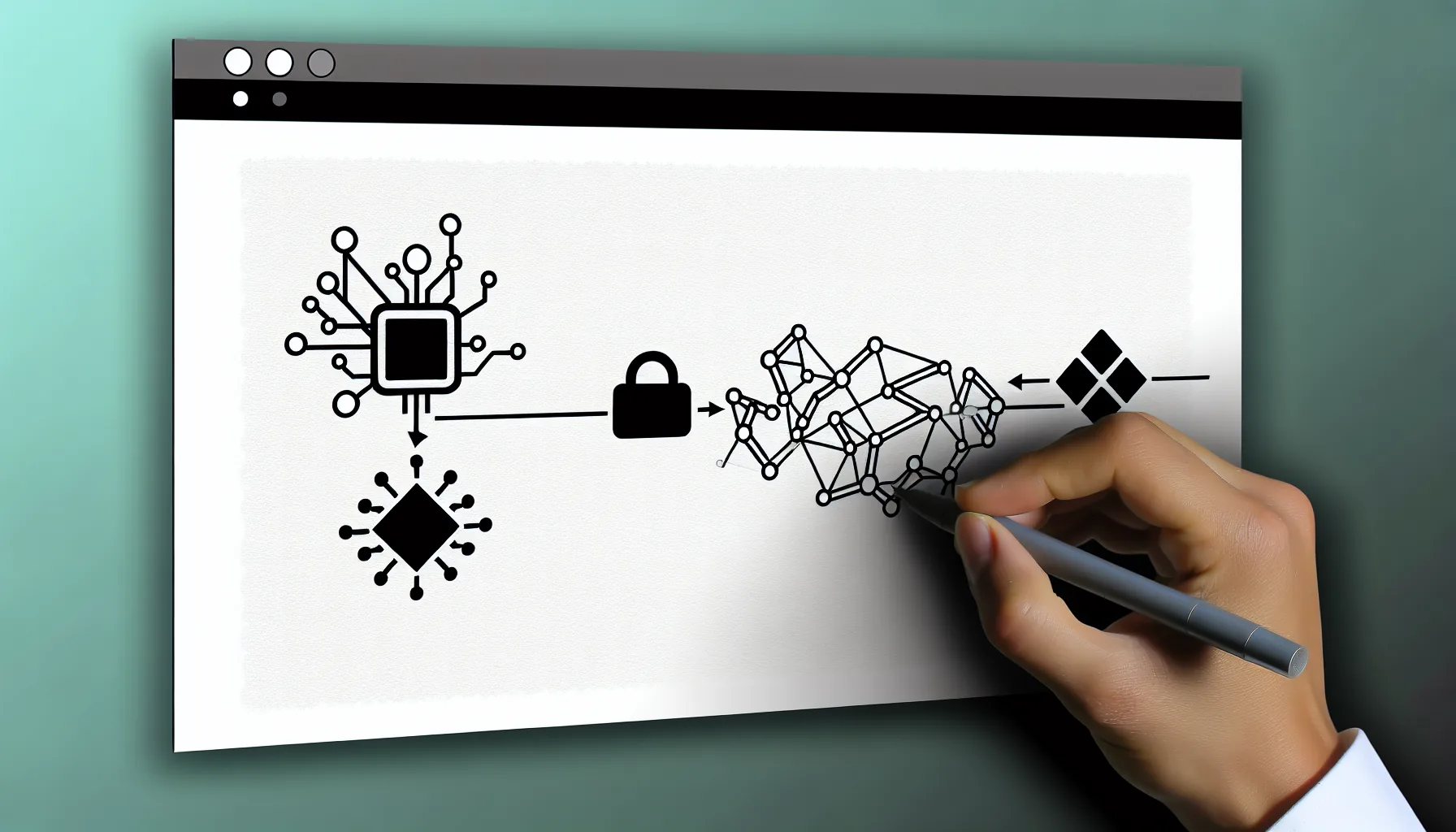
MXC, or the Machine Exchange Coin, was established in 2017 to address one of the evolving needs in the blockchain space: the integration of the Internet of Things (IoT) with decentralized technology. Operating within the broader framework of Web3 innovation, MXC was founded by a team aiming to create an efficient, scalable, and low-cost IoT data transmission network, underpinned by blockchain security principles.
The origins of MXC can be traced to its mission of optimizing data handling and accessibility. This focus encompassed creating a decentralized infrastructure for IoT ecosystems, allowing seamless communication between machines while preserving efficiency and transparency. From early on, MXC positioned itself as a pioneering project with the intent to solve challenges posed by traditional centralized IoT systems, which often grappled with issues like single points of failure, high costs, and security vulnerabilities.
A key milestone in MXC's history was the introduction of the MXProtocol, designed to facilitate the transmission and monetization of IoT data. The MXProtocol operates by enabling LPWAN (Low Power Wide Area Network) technology, helping devices transmit small packets of data across great distances with minimal power consumption. This feature formed a foundational pillar for the MXC ecosystem, making it attractive to enterprises and developers seeking efficient solutions for IoT data management.
The project's hardware offering, the MatchX M2 Pro Miner, further distinguished MXC within the crypto-IoT sector. Designed to support their decentralized network infrastructure, the miner allowed users to contribute to the system by establishing coverage areas for IoT devices and earning MXC tokens as a reward. The system capitalized on LPWAN technology, aligning with the project's broader goal of creating a decentralized IoT infrastructure that supported both urban and rural requirements globally.
MXC also entered partnerships over the years to bolster its ecosystem. Collaborations with various IoT-focused organizations as well as blockchain platforms showcased the project's emphasis on fostering a cooperative network. These collaborations helped expand the utility and integration possibilities of MXC, even as the IoT landscape continued to evolve.
The governance structure of MXC incorporated decentralization principles to some extent, enabling token holders to participate in the decision-making process. This allowed for community input on aspects like network upgrades and policies, aligning the project with broader trends in blockchain governance models.
From its foundation to the evolution of its ecosystem, MXC’s history reflects its focus on bridging the gap between IoT and blockchain technologies, addressing challenges within the data economy.
Tenset (TNSR) has emerged as a significant player in the cryptocurrency ecosystem, blending traditional finance with blockchain innovation. Its journey…
Discover the fascinating journey of PAX Gold (PAXG), a unique crypto asset that intertwines the stability of physical gold with the innovation of blockchain…
Discover the journey of SEAM cryptocurrency, born to enhance blockchain utility and tackle scalability challenges. From its innovative beginnings to navigating…