The History of DAGX: An Overview
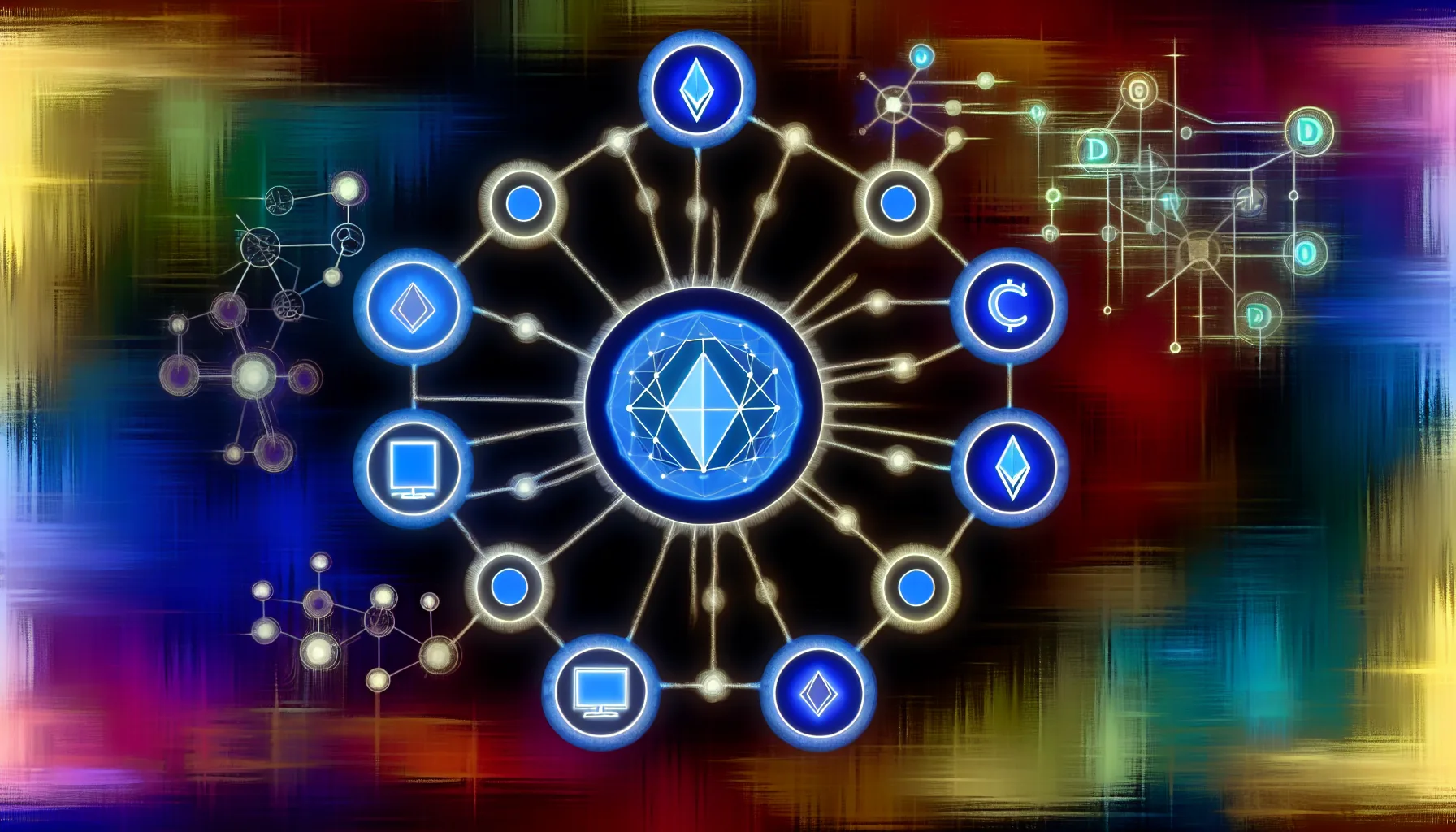
DAGX is a cryptocurrency that utilizes Directed Acyclic Graph (DAG) technology as the foundation of its infrastructure. Emerging as an alternative to traditional blockchain-based cryptocurrencies, DAGX sought to explore the potential of DAG to address some of the limitations associated with conventional blockchain technology, particularly scalability and transaction efficiency.
Origins and Development
The origins of DAGX are rooted in the desire to overcome common challenges faced by first-generation cryptocurrencies like Bitcoin. Blockchain technology, while revolutionary, introduced limitations such as slower transaction speeds, higher fees with increased network usage, and energy-intensive mining processes. DAG, as a structure, enables transactions to be processed more efficiently without the need for miners to validate blocks.
DAGX’s development team aimed to harness this architecture to create a system where transactions could scale dynamically with increased network activity. This efficiency is achieved by structuring transactions in a directed graph, where each transaction verifies one or more prior transactions. Through this unique validation process, DAGX eliminated the concept of blocks altogether, diverging from the traditional blockchain model.
Growth and Technological Improvements
In its early stages, DAGX focused on technological experimentation to refine its system. The main goal was to ensure the network's robustness and ability to scale without impacting transaction speed. Over time, improvements were introduced to enhance network security and usability, which addressed potential attack vectors unique to DAG-based systems, such as the likelihood of certain types of spam or double-spend attacks.
The project also emphasized reducing reliance on energy-intensive proof-of-work mechanisms, distinguishing itself as a more environmentally friendly alternative in the cryptocurrency ecosystem. This focus appealed to developers and businesses seeking eco-conscious solutions for decentralized applications (DApps) and financial transactions.
Adoption and Ecosystem Development
DAGX gradually built an ecosystem that supported diversified use cases, beyond simple peer-to-peer transactions. The project worked to integrate smart contract functionality and foster partnerships with enterprises exploring distributed ledger technology. The flexibility inherent in its DAG structure allowed for the accommodation of unique application scenarios, such as Internet of Things (IoT) integrations and real-time microtransactions.
Despite competing technologies and platforms in the crypto space, DAGX continued to evolve in functionality and network size. The development team maintained a focus on adapting to user needs and technological shifts while emphasizing the distinct advantages provided by DAG. Its history represents a journey of innovation, pushing the boundaries of what distributed ledger systems can achieve.