SHIB vs. Rival Crypto Assets: A Comparison
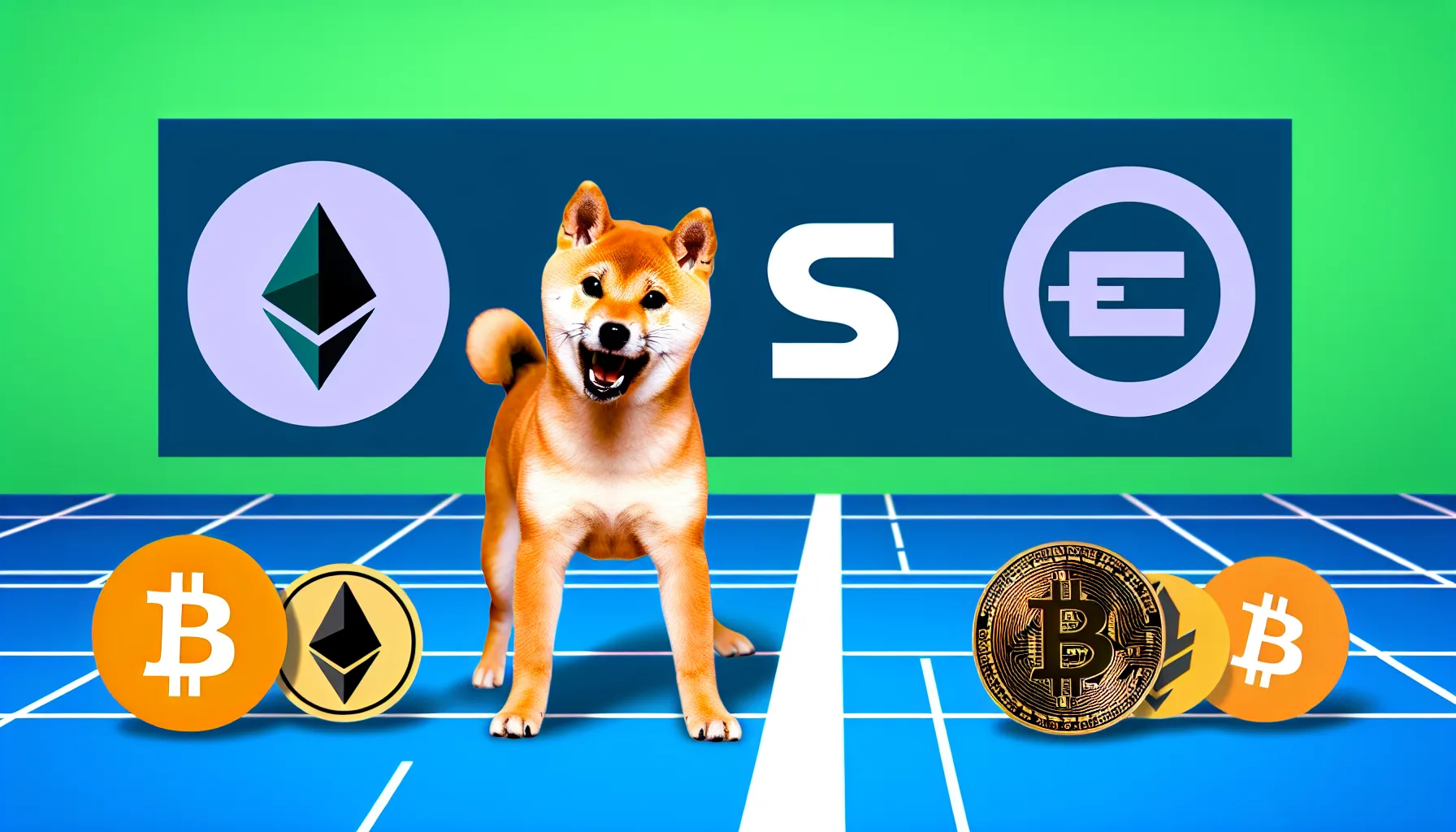
SHIB, often referred to as Shiba Inu, has emerged as one of the most popular meme-based cryptocurrencies alongside its primary competitor, Dogecoin (DOGE). However, beyond DOGE, SHIB also competes with a broader range of utility-focused cryptocurrencies and meme tokens. Here's a look at how SHIB stacks up against some of its key rivals in terms of adoption, use case, and ecosystem development.
SHIB vs. Dogecoin (DOGE)
SHIB and DOGE are frequently compared due to their shared origins as meme cryptocurrencies. DOGE, launched in 2013, holds the advantage of being a pioneer in the space, with years of community building and widespread recognition. Its simplicity and focus on tipping and microtransactions give it an edge in straightforward use cases. On the other hand, SHIB, introduced in 2020, has sought to differentiate itself by building a more extensive ecosystem. This includes additional tokens like LEASH and BONE, as well as the development of ShibaSwap, a decentralized exchange. While DOGE relies heavily on its branding and celebrity endorsements for adoption, SHIB has attempted to offer more utility beyond its meme origins.
SHIB vs. Floki Inu (FLOKI)
Another notable rival in the meme cryptocurrency space is Floki Inu (FLOKI), which similarly capitalizes on its ties to the Shiba Inu meme culture. FLOKI has differentiated itself by branding itself as "the people's cryptocurrency," with a focus on community-driven marketing campaigns. Like SHIB, it has worked toward offering utility through projects like Valhalla, a play-to-earn gaming metaverse. However, SHIB’s broader ecosystem (including Shibarium, a Layer 2 blockchain solution) often gives it the perception of being a more versatile project. FLOKI, while gaining traction, is still smaller in terms of community size and market presence compared to SHIB.
SHIB vs. Utility Tokens
When compared to utility-based cryptocurrencies like Ethereum (ETH) or Binance Coin (BNB), SHIB lags in terms of technology and application use. Built on the Ethereum blockchain, SHIB relies on the infrastructure of a third-party network, meaning it inherits Ethereum’s scalability challenges. In response, the development of Shibarium offers a potential solution, but its adoption and maturity remain in development. Utility tokens like ETH and BNB benefit from broader application in DeFi, dApps, and NFT ecosystems, offering more tangible use cases than meme-based tokens like SHIB.
Community and Branding
The major competitive strength of SHIB lies in its strong community-driven growth. Dubbed the "SHIB Army," its supporters have fostered viral campaigns, which help keep the project in the spotlight. While this offers SHIB an advantage in terms of visibility, rivals like DOGE also boast strong communities, diluting the uniqueness of SHIB’s grassroots appeal. From a branding perspective, SHIB’s ambitious roadmap allows it to compete with more established rivals, but execution of these plans will determine its long-term competitive standing.