The History of RNDR: A Decentralized Rendering Revolution
RNDR, or Render Token, was founded with the objective of addressing a critical challenge in the world of 3D graphics and rendering: the need for scalable, decentralized rendering solutions. Since its inception in 2017, RNDR has sought to transform how digital content creators access and utilize computing power for complex graphics rendering.
Origins and Founding
The idea behind RNDR was spearheaded by OTOY Inc., a well-established company in the field of cloud graphics and rendering technology. OTOY was co-founded by Jules Urbach, a visionary entrepreneur with experience in 3D technology, software, and media. Building on this foundation, OTOY launched RNDR on the Ethereum blockchain to decentralize the rendering process using blockchain technology. By utilizing distributed computing power, RNDR aimed to make high-performance GPU rendering more affordable and accessible for creators worldwide.
The Decentralized Rendering Network
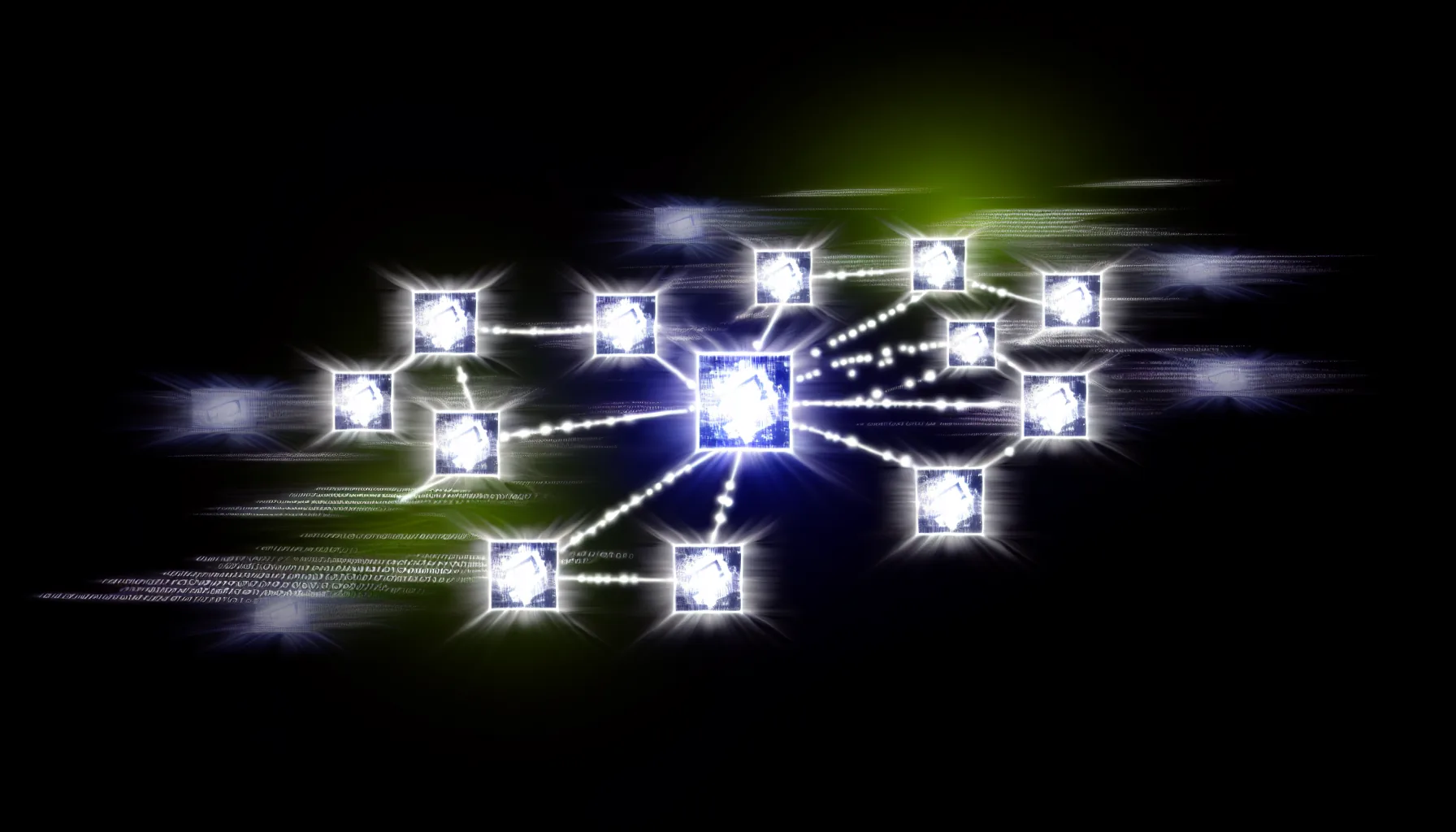
RNDR operates as part of a decentralized ecosystem where individuals and companies can contribute their unused GPU processing power to the rendering network. Users with rendering needs, such as artists, game developers, and designers, submit rendering tasks to the network. In return, these tasks are processed by GPU owners, who earn RNDR Tokens as rewards. This approach leverages blockchain technology for task verification, ensuring trust and transparency without requiring centralized infrastructure.
Early Adoption and Challenges
During its early years, RNDR focused on building partnerships, attracting GPU node operators, and demonstrating the feasibility of its decentralized GPU network. However, the platform faced challenges such as educating users about the fairly niche use case of decentralized rendering, convincing GPU owners to contribute their resources, and scaling the infrastructure. Despite these challenges, RNDR gradually gained traction within the niche market of 3D rendering and graphics professionals.
Technical Developments
Critical to RNDR's growth was the platform's continuous technical evolution. OTOY integrated RNDR with its OctaneRender engine, a popular tool used by professionals in industries such as architecture, film, and gaming. This integration made the platform particularly appealing to users already familiar with OctaneRender's capabilities. Furthermore, RNDR’s alignment with Ethereum's smart contract technology enabled seamless transactions and efficient distribution of rendering workloads.
Expanding the Use Case
Over time, RNDR extended its appeal beyond niche rendering applications. It explored partnerships with emerging technologies, including virtual reality, augmented reality, and the metaverse. These industries required intensive rendering capabilities, providing RNDR with opportunities to expand its use cases and visibility within broader creative and technological spaces.