RNDR Use Cases: Powering The Future of Rendering Technology
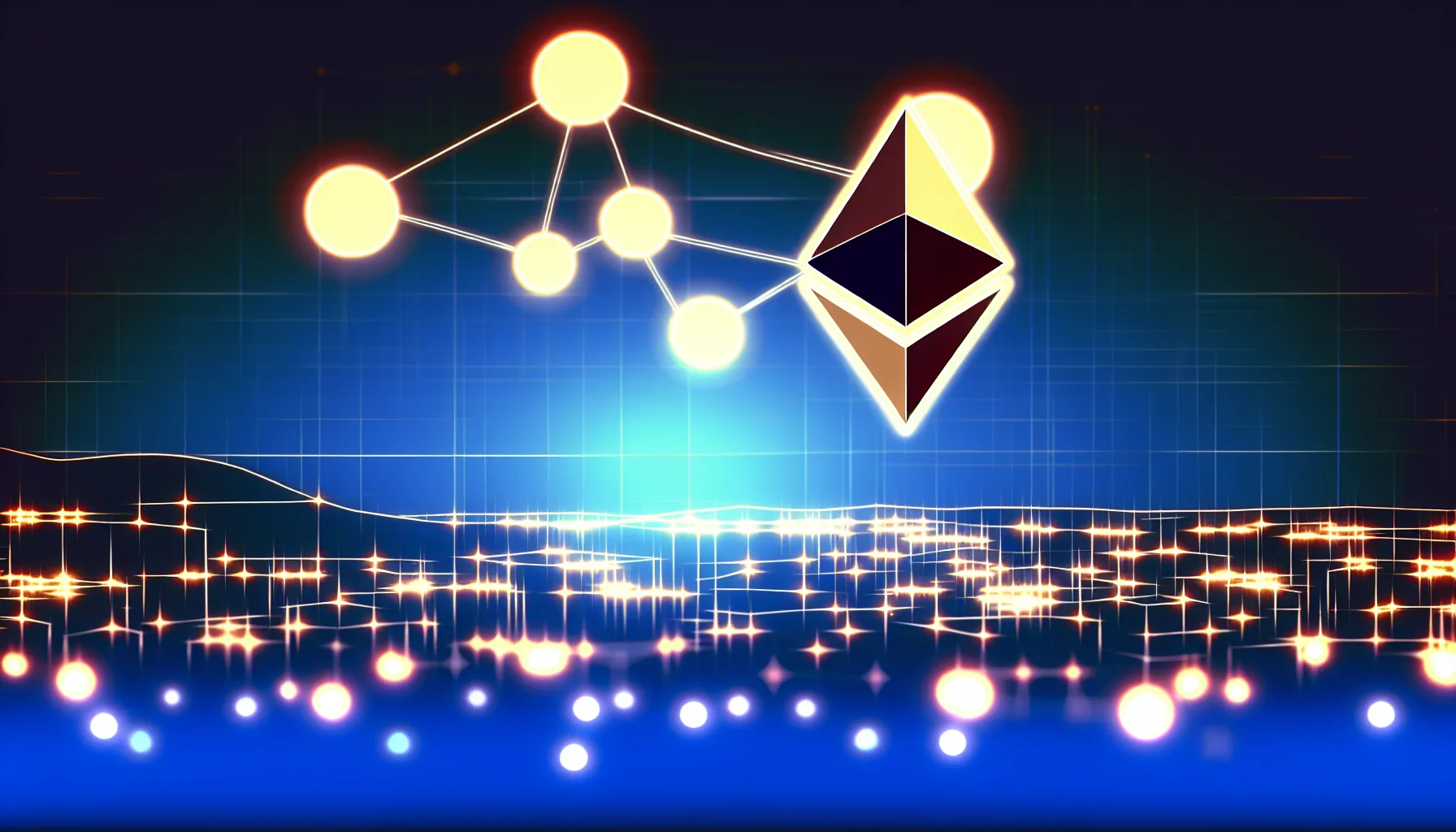
RNDR (Render Token) is the native utility token of the Render Network, which is designed to decentralize and democratize rendering services across a distributed GPU network. The platform offers a variety of use cases within 3D rendering applications, benefiting industries that rely on high-performance computing for visual content.
1. Decentralized 3D Rendering
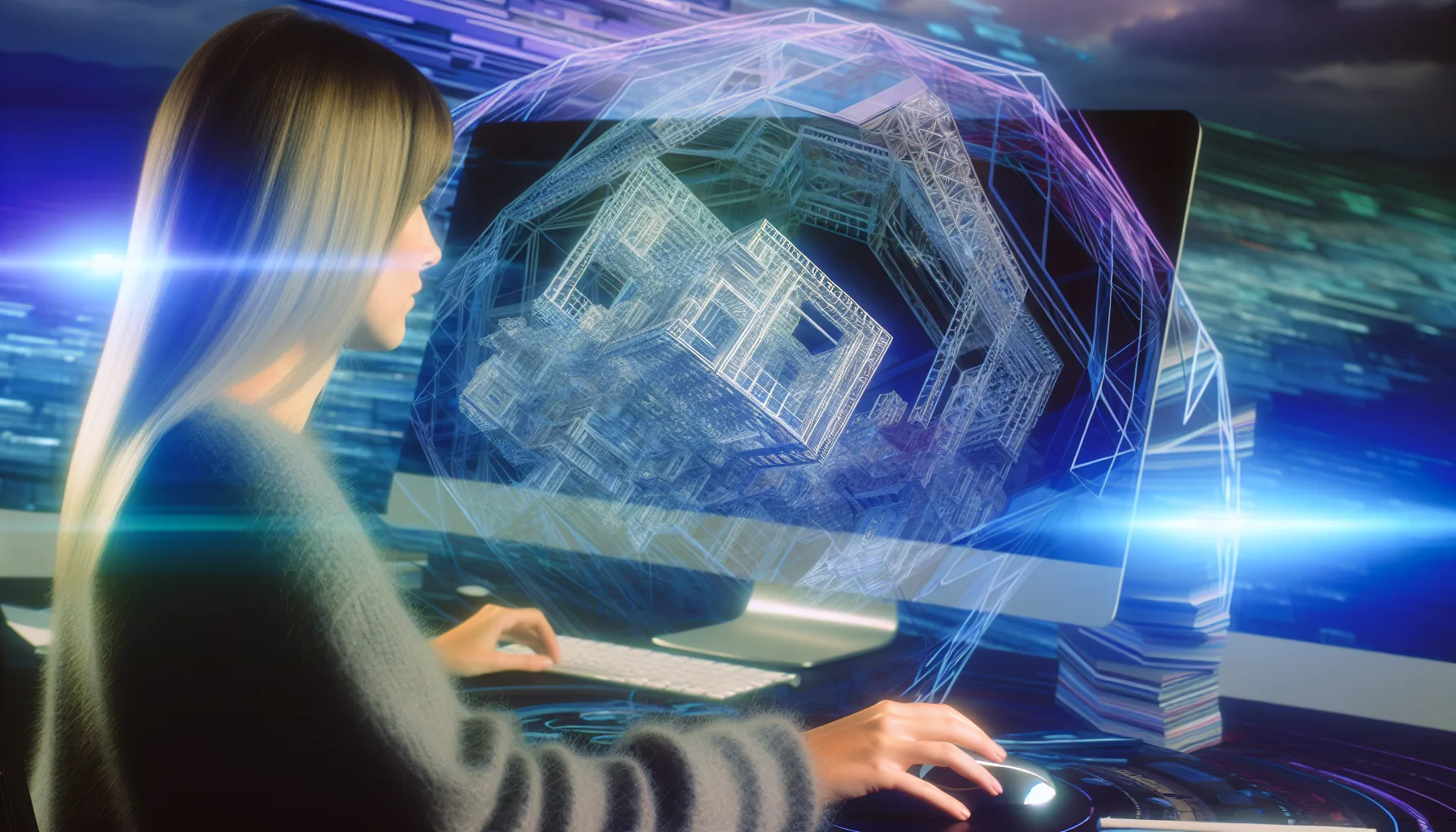
One of the primary use cases for RNDR is decentralized 3D rendering. With growing demand for CG-intensive tasks in areas like gaming, animation, and virtual reality, rendering has become increasingly resource-heavy. Traditional servers are often costly and time-consuming for creators. Using RNDR tokens, developers and artists can access distributed GPU power to complete rendering tasks more efficiently while reducing overhead costs. This is achieved by tokenizing GPU contributions, allowing an owner of underutilized GPU resources to participate in the network, rendering 3D imagery for other members.
2. Virtual Production
The advance of real-time rendering has sparked increased interest among filmmakers and media companies, contributing to significant demand for virtual production. Using the Render Network, production studios can tap into enormous cloud-based GPU farms instead of relying on expensive private infrastructure. RNDR facilitates the exchange of rendering tasks for computing power, streamlining workflows for digital content creators. As a result, production teams can focus on creativity while the RNDR protocol helps in meeting their computational needs in real-time environments.
3. Augmented Reality (AR) and Virtual Reality (VR) Applications
Increasing interest in AR and VR technologies is leading to a higher requirement for efficient rendering solutions. RNDR’s decentralized framework helps AR and VR content creators process large amounts of 3D models and environments without the high processing cost associated with centralized services. With RNDR tokens, developers can access distributed GPU resources dynamically for rendering immersive experiences such as virtual product showcasing, training simulations, or virtual tours. This use case significantly aids smaller developers who otherwise could not afford high-end rendering solutions.
4. Architectural Visualization
Architectural firms and real-estate developers often require photorealistic renderings to showcase residential and commercial projects. Traditional rendering methods for architectural visualization can consume substantial time and resources. RNDR facilitates 3D rendering projects for building designs by distributing computation across a decentralized network of GPUs, helping architects produce photorealistic images of building interiors and exteriors faster and more affordably.
5. NFT and Digital Art Rendering
Digital artists who create non-fungible tokens (NFTs) and other forms of digital art have an ever-growing need for high-quality rendering services. RNDR allows artists to offload rendering tasks to third-party networks, helping them bring complex graphical works to life more quickly. Given that many NFTs are highly detailed artistic creations, the ability to render at scale is crucial for timely production and marketability. RNDR tokens help streamline this process by compensating GPU owners who contribute to faster render times.