Use Cases of RNDR: Transforming Rendering in the Digital Space
RNDR is the native token powering the Render Network, a platform dedicated to decentralized GPU rendering. With growing demand for high-quality digital content, RNDR aims to revolutionize rendering processes by offering unique solutions that serve diverse industries. Below, we explore some of the primary use cases of RNDR and how its underlying technology is being utilized.
1. 3D Content Creation
One of RNDR’s key use cases is in rendering 3D content for industries like film, gaming, and visual effects. Traditional rendering methods can be time-consuming and expensive, especially for studios working with limited budgets. By leveraging a decentralized network of idle GPUs, RNDR facilitates faster and more cost-efficient rendering. Artists and creators can submit rendering tasks to the network, pay in RNDR tokens, and receive completed projects without requiring extensive in-house hardware.
2. Virtual and Augmented Reality
The rise of virtual reality (VR) and augmented reality (AR) applications has created a substantial need for real-time, high-quality rendering capabilities. RNDR plays a role in enabling dynamic and responsive rendering for immersive environments. Developers and designers working on VR/AR projects can utilize Render Network to process detailed objects, textures, and simulations, ensuring seamless realism and reducing latency.
3. Metaverse Development
As the concept of the metaverse gains traction, its foundation relies heavily on ultra-high-resolution graphics and complex simulations. Rendering is critical for creating the avatars, environments, and objects that populate metaverse ecosystems. RNDR provides the necessary infrastructure for these rendering tasks, helping metaverse platforms achieve scalability and enhanced visual fidelity while reducing the burden on centralized systems.
4. Scientific Simulations
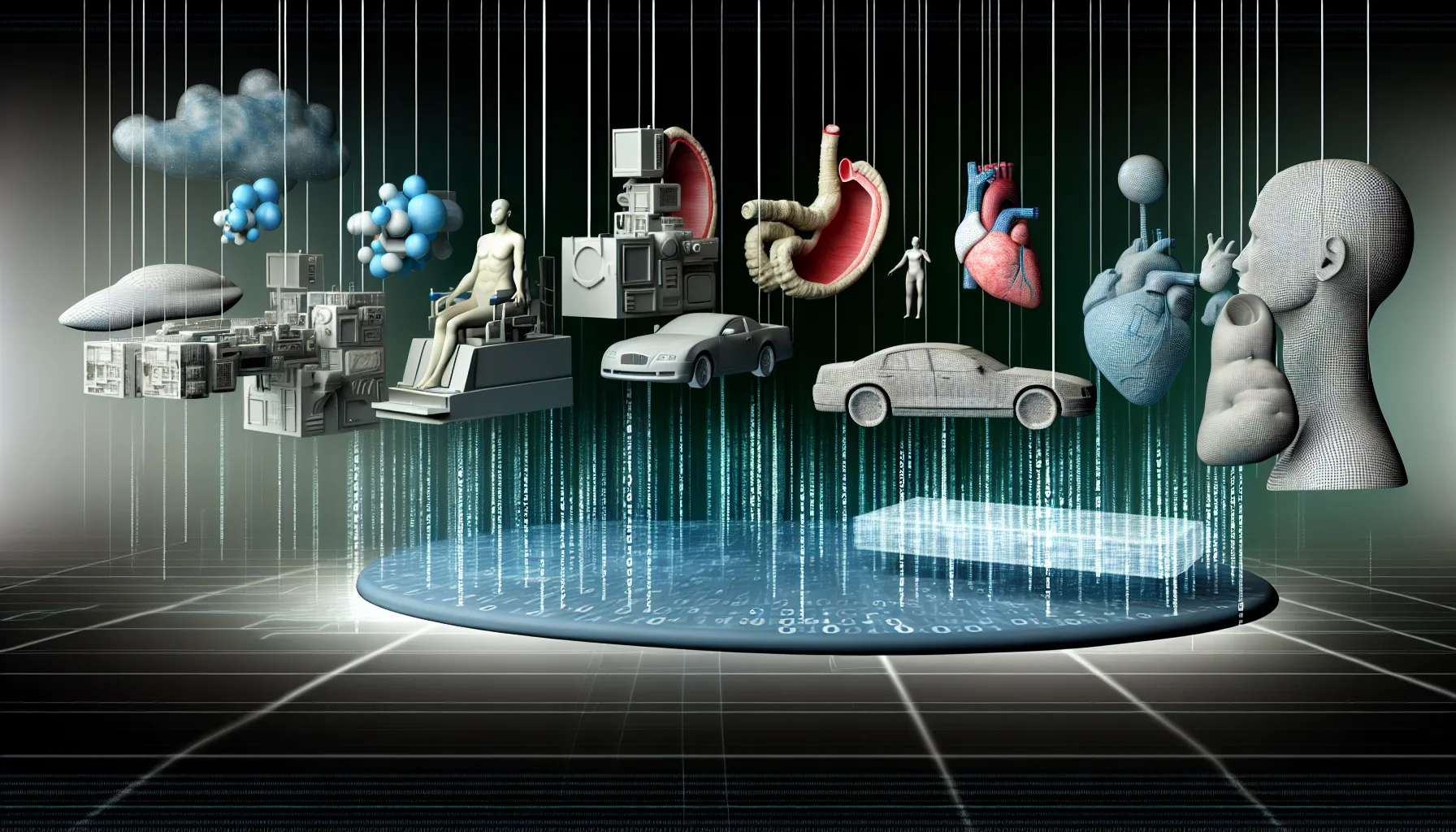
Beyond digital media, RNDR’s applications extend into scientific fields where simulations and visualizations are required. Examples include medical imaging, protein folding, or climate simulations. Researchers and institutions can outsource intricate rendering needs to the Render Network, which provides an economical alternative to setting up specialized GPU clusters for limited projects.
5. Architectural Visualization
Architects and designers working on large-scale visualization projects often require photorealistic representations of buildings and interiors. RNDR simplifies this by providing a platform for rendering detailed models, including realistic lighting and textures. These outputs can significantly improve the presentation of architectural projects to clients or stakeholders.
6. NFT Content Creation
The growth of non-fungible tokens (NFTs) has introduced a unique need for rendering digital art, animations, and collectibles. RNDR enables artists in the NFT space to process high-quality visual content affordably. Further, the decentralized nature of RNDR aligns with the principles of blockchain-based assets like NFTs.
The wide-ranging use cases for RNDR demonstrate its adaptability across multiple industries and its impact on the rendering ecosystem. Each of these sectors benefits from the efficiency and decentralization the Render Network is designed to provide.