Exploring RNDR Governance: A Closer Look
The Render Network (RNDR), a decentralized GPU rendering platform, has gained significant attention for its ability to harness unused graphical processing power for rendering 3D content. While much of the conversation around RNDR focuses on its innovative technology, it is equally important to examine the governance structure that underpins its ecosystem. Governance plays a crucial role in determining the long-term sustainability and adaptability of decentralized networks, and the case of RNDR is no different.
Decentralized Governance Framework
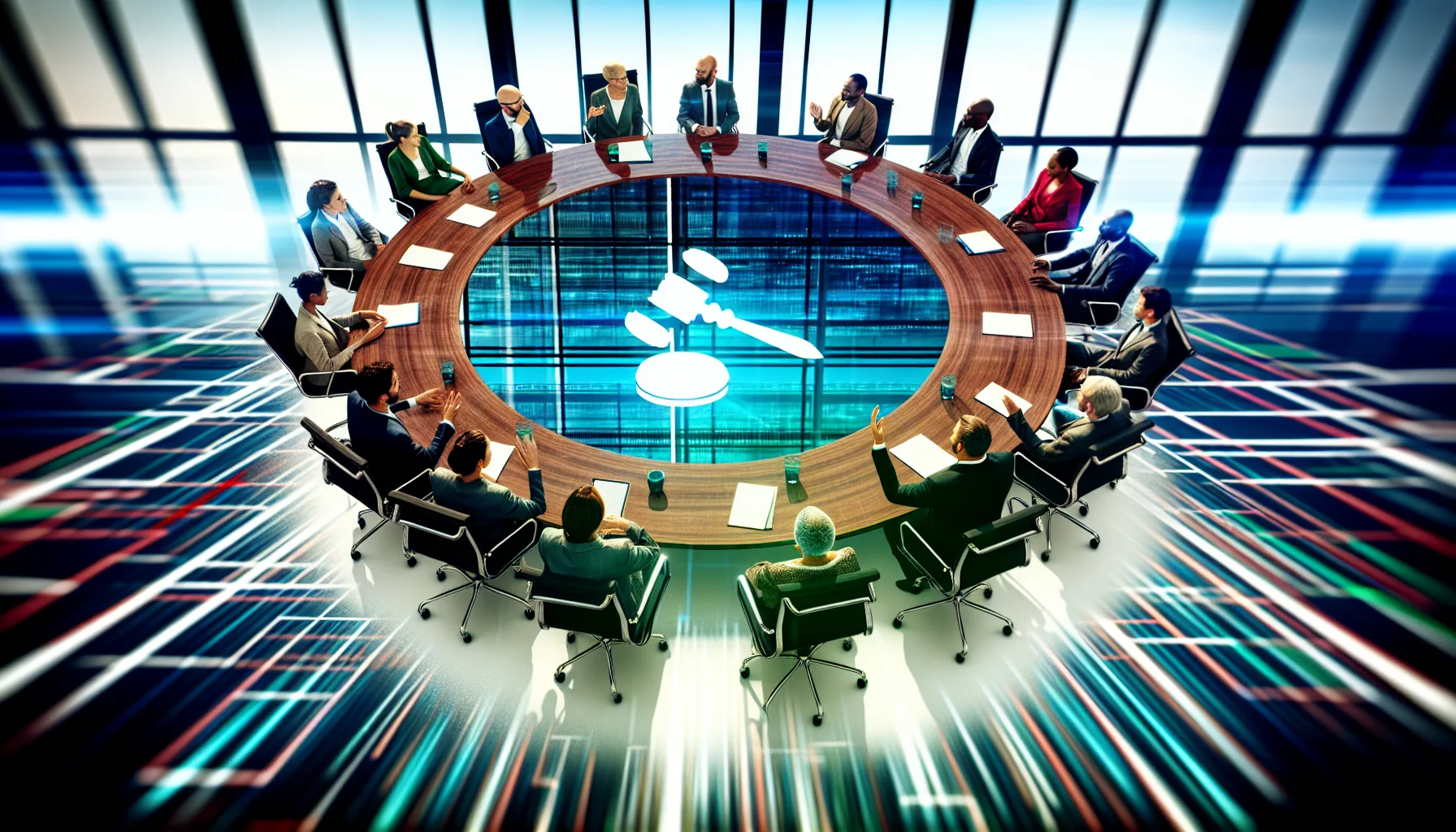
One of the core principles of RNDR is decentralization, and this extends to its governance model. Unlike traditional organizations, where decisions are made by a central authority, RNDR’s governance is designed to give stakeholders—such as token holders and network participants—a voice in decision-making processes. This model seeks to ensure accountability, transparency, and alignment with the community's collective interests.
Key decisions regarding upgrades, proposals, and policies within the Render Network are often made through a decentralized governance process. This allows users and contributors who hold RNDR tokens to participate in shaping the future of the platform. The goal is to reduce centralization risks and build a more community-driven network over time.
Voting Mechanisms
RNDR employs a token-based voting system, wherein the weight of a participant’s vote is proportional to the number of RNDR tokens they hold. This is a common mechanism across blockchain-based governance models, as it aligns decision-making power with financial stake in the platform. However, this also raises questions about equity, as it inherently favors larger token holders, potentially leading to an imbalance in influence between whales (large holders) and smaller community members.
Votes and proposals within the RNDR governance system typically address topics such as resource allocation, network upgrades, and protocol changes. In some cases, the community may propose new functionalities, while in others, governance might focus on fine-tuning existing features to better serve the network's purpose.
Challenges and Opportunities
While the decentralized governance model allows for diverse participation, it also faces several challenges. Coordinating a large group of stakeholders can result in slower decision-making processes, especially when consensus is difficult to achieve. Additionally, token-weighted voting systems may inadvertently create power dynamics that could alienate smaller users. These balance issues are not unique to RNDR and remain ongoing challenges across blockchain governance models.
On the flip side, Render Network’s governance provides opportunities for innovation and self-correction. By allowing the community to continually refine the network and policies, RNDR aims to create a resilient platform that adapts to new technologies and market demands over time. This also enables token holders with domain-specific knowledge, such as 3D rendering or blockchain development, to contribute meaningfully to the project’s progression.
Ongoing Developments in Governance
The RNDR team and broader community continue to explore ways to improve governance processes. Discussions about balancing decentralization with efficiency and representation are ongoing. Enhancements might involve introducing more advanced voting mechanisms or tools for greater participation by a diverse range of stakeholders. Such developments, if implemented, could help the governance model evolve alongside the ever-changing demands of the network.