The Theta Network, a peer-to-peer video streaming platform leveraging blockchain technology, operates on an innovative and decentralized model. Launched by Theta Labs, the network is designed to optimize video delivery by utilizing both blockchain and its dedicated crypto token, THETA. This complex system requires an intricate understanding of how Theta Network functions.
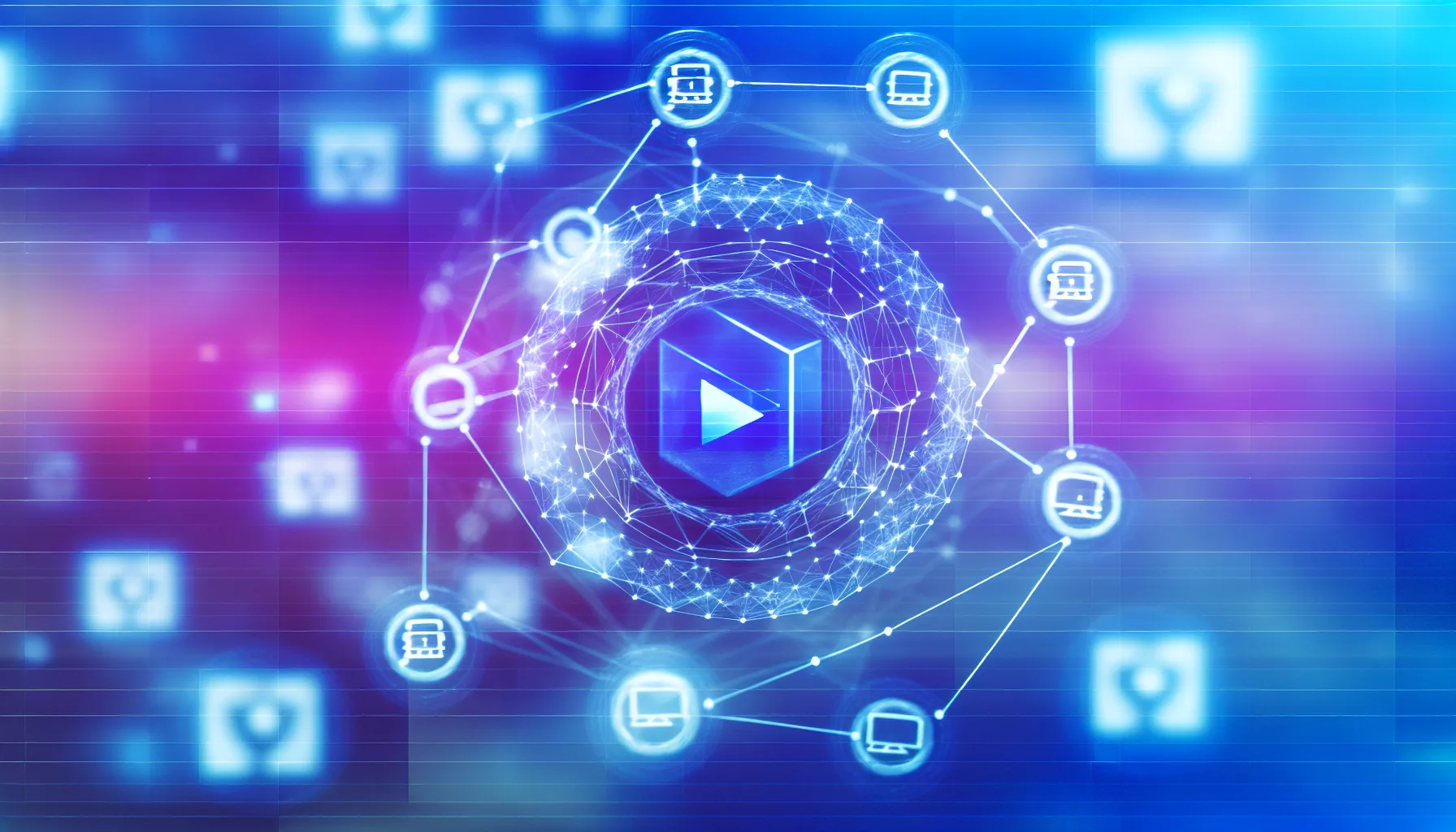
At its core, the Theta Blockchain is engineered for media and entertainment. It operates as a decentralized network comprising nodes run by different users, which cache video streams. These nodes help relay streams to users around the world, enhancing the efficiency and speed of data delivery. This structure also reduces the need for a central server, thereby cutting infrastructure costs and improving content delivery networks.
The network consists of two primary types of nodes: Guardian Nodes and Validator Nodes. Validator Nodes are operated by large corporations or entities, such as Google or Samsung, that commit vast resources to the network, verifying new blocks of transactions. Guardian Nodes, on the other hand, are responsible for ensuring the security and finality of blocks verified by Validator Nodes, thereby acting as a secondary line of defense.
THETA tokens play a pivotal role in this ecosystem. Users earn TFUEL, the operational token, as a reward for sharing their bandwidth and processing power, essentially incentivizing the users to contribute to network resources. THETA, a governance token, enables holders to participate in governance decisions, shaping the platform's future through consensus voting, commonly seen in other decentralized finance systems like SEI Network.
The Theta Network utilizes a modified Byzantine Fault Tolerance (BFT) consensus mechanism, which is distinct from typical proof-of-work models found in platforms like Bitcoin. This consensus ensures that the network remains secure, scalable, and capable of processing a high volume of transactions efficiently. Furthermore, the open-source nature of Theta’s blockchain allows developers to build decentralized applications (dApps) on the network, extending its use beyond just video streaming.
The ultimate aim of the Theta Network is to democratize content delivery, allowing individuals from various geographical locations to access video content seamlessly without excessive costs. This system challenges the traditional centralized content delivery network models and evokes curiosity about the potential evolution of blockchain technology in media and entertainment.
For interested users, the Theta ecosystem offers opportunities in staking or running nodes by purchasing or earning THETA tokens through platforms like Binance, where new users can register to explore investment and trading opportunities in THETA and its supporting tokens.