Nash (NEX) Governance: A Decentralized Approach to Decision-Making
Nash (NEX) is a blockchain-based platform that facilitates decentralized finance (DeFi) services, including a non-custodial exchange. A key component of the Nash ecosystem is its governance model, which influences platform upgrades, community decisions, and strategic developments. Governance is crucial for maintaining decentralization while ensuring active stakeholder participation.
How Governance Works in the Nash Ecosystem
Nash governance revolves around the involvement of NEX token holders, who play a role in protocol decisions. Unlike many decentralized autonomous organizations (DAOs) where governance tokens directly dictate network upgrades, Nash employs a structured governance approach that balances community input with team-led initiatives.
Token Holder Participation
NEX token holders influence governance through staking and voting mechanisms. By staking NEX tokens, users may gain rights to participate in governance proposals, though the platform's level of decentralization differs from fully autonomous DAOs. Nash holders’ participation in governance primarily determines aspects such as fee distribution models, platform policies, and long-term strategic changes.
Governance Through Staking
Staking is a core function in Nash governance. Token holders who lock up their NEX tokens receive dividends based on transaction fee revenues, but the governance role linked to staking extends beyond financial incentives. Nash utilizes staking as a mechanism to ensure that governance participants are economically aligned with the platform's future success, though it remains a semi-centralized implementation.
Proposal and Decision-Making
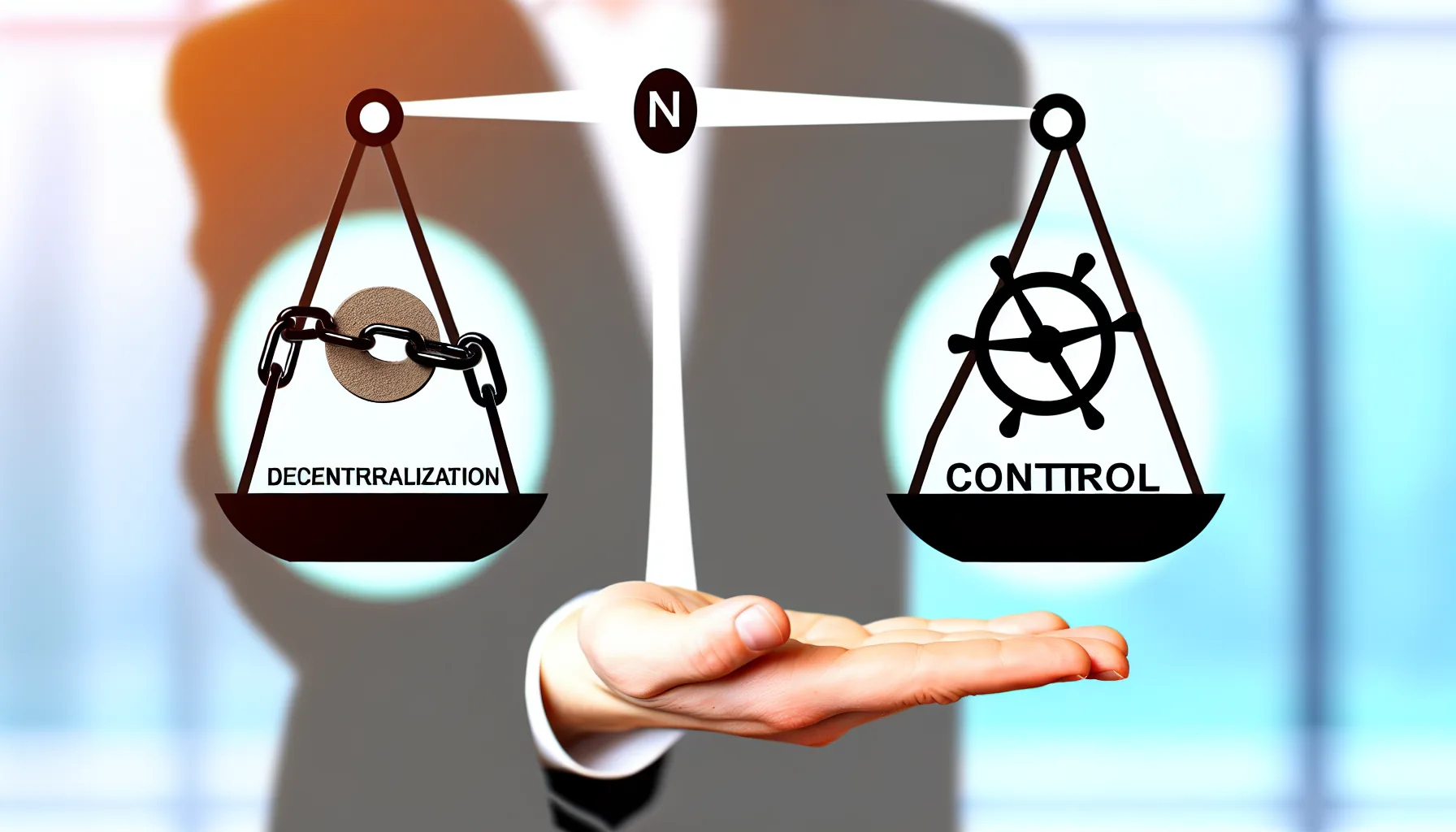
Governance proposals on Nash can range from technical upgrades to changes in platform economics. However, unlike blockchain protocols with fully autonomous governance, Nash operates with a degree of central oversight, ensuring that governance decisions align with regulatory frameworks and the platform’s core vision. This structure attempts to balance decentralization with compliance.
Challenges and Limitations of Nash Governance
While Nash governance integrates community participation, it does not operate as a fully-decentralized DAO. Governance power remains partially influenced by the core team, raising questions about the level of decentralization the platform truly offers. Additionally, participation in governance depends on staking, which may limit influence to a subset of token holders rather than reflecting a broad community consensus.
Another challenge is scalability in governance decisions. As Nash continues to evolve, increasing stakeholder involvement while maintaining efficiency in decision-making remains an ongoing concern.
```