Is Ethereum Name Service (ENS) a Scam?
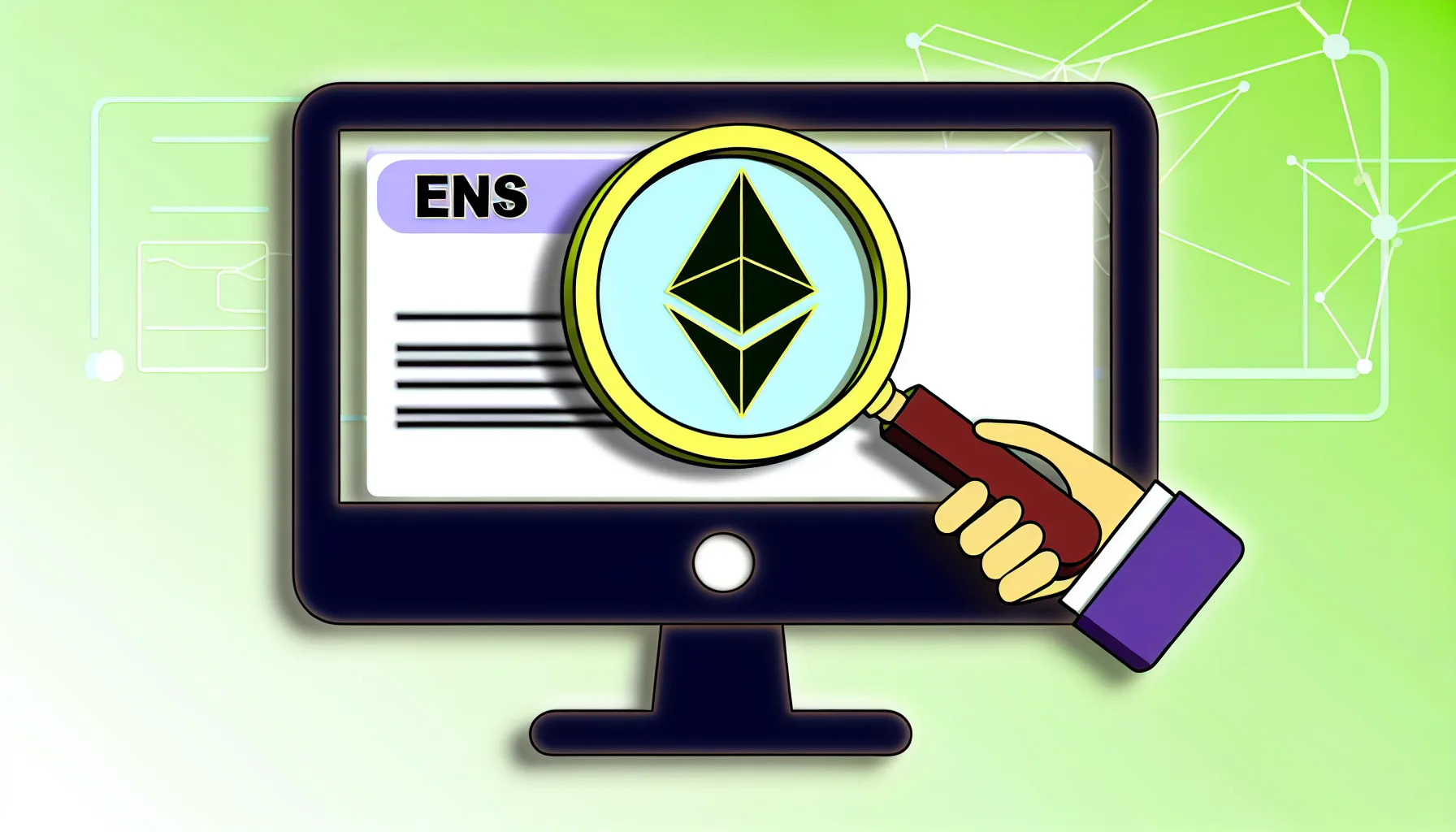
Ethereum Name Service (ENS) has become a notable player in the blockchain world by addressing one of the core challenges of cryptocurrency usability—long and complex wallet addresses. Instead, ENS enables users to register human-readable domain names like “user.eth,” which can be linked to Ethereum addresses and decentralized websites. But as with many new blockchain projects, questions often arise: Is ENS legitimate, or is it a scam?
Understanding ENS: What It Does
ENS was developed to simplify blockchain interactions for end users. It functions similarly to the internet’s Domain Name System (DNS), converting cryptographic addresses into readable formats. For instance, instead of sharing an Ethereum wallet address like “0x3a4Bc...,” users can share an ENS domain, such as “crypto.eth.” This added layer of usability has driven interest among developers and the broader blockchain community.
The protocol is built on Ethereum, operating as a decentralized, open-source project. ENS domains are structured as non-fungible tokens (NFTs) compliant with the ERC-721 standard, making them tradable and interoperable across blockchain ecosystems.
Legitimacy of ENS: Key Considerations
On the surface, ENS appears to be a legitimate project backed by strong technical foundations and practical use cases. It collaborates openly within the Ethereum community and has decentralized governance through its ENS DAO (Decentralized Autonomous Organization). However, analyzing whether something is a scam entails more than surface-level assurances:
1. Transparency and Team Commitment
ENS operates transparently as an open-source protocol, allowing its code and processes to be scrutinized. Moreover, its governance is managed by a decentralized structure, meaning no central entity controls it. This transparency significantly reduces the likelihood of malicious intentions being disguised under the project’s veil.
2. Absence of Exploitative Practices
Many crypto scams exploit unsuspecting users, promising unrealistic returns or operating with overly complex mechanisms that confuse stakeholders. ENS, however, boasts a straightforward utility: simplifying blockchain addresses. It generates revenue via domain name registrations and renewals, a model comparable to the DNS system. While some users have criticized the ongoing renewal fees, these are a legitimate feature rather than an exploit.
3. Community and Industry Backing
The ENS ecosystem has gained substantial support, with integrations across leading decentralized applications. This widespread adoption is hard to fake, offering an additional layer of credibility.
Concerns and Criticisms
Despite its legitimacy, ENS is not immune to criticisms. For example, the speculative nature of purchasing and "flipping" ENS domains has led some to view the secondary market as an area vulnerable to manipulation. The decentralized governance model, while empowering, also faces challenges common to DAOs, such as voter participation and coordination issues. These weaknesses, however, do not inherently make ENS a scam but highlight areas where improvements are still needed.
Projects like ENS that bring meaningful utility to blockchain technology warrant cautious optimism but always merit proper due diligence.