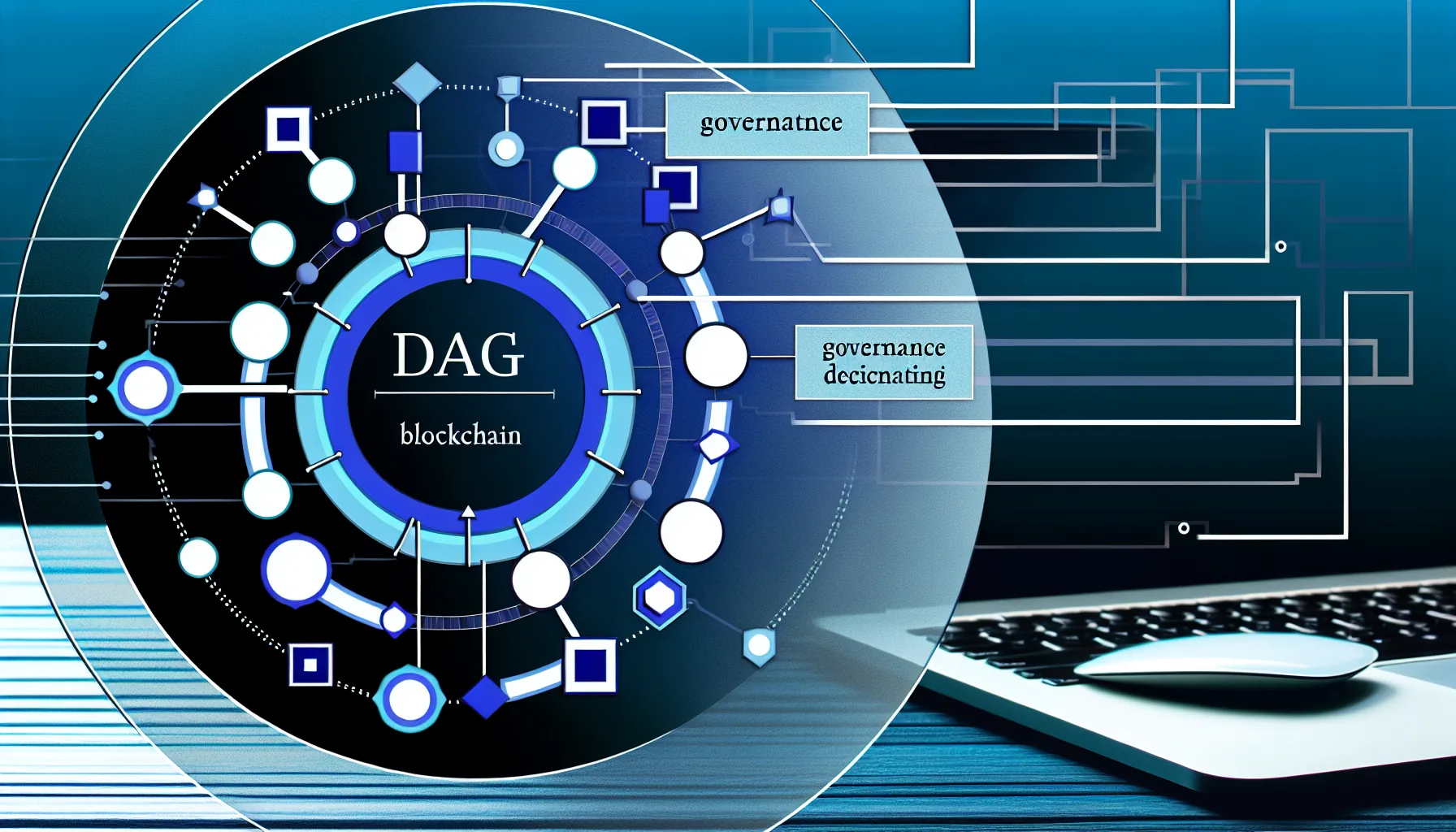
Understanding Governance on the DAG Blockchain
The decentralized ecosystem enabled by the DAG blockchain structure has brought modern innovations to governance mechanisms across distributed networks. DAG, short for Directed Acyclic Graph, is a unique blockchain alternative that facilitates fast, scalable, and efficient transactions using a non-linear structure. Beyond its technical advantages, governance within the DAG framework plays a critical role in sustaining its ecosystem and driving decentralized decision-making.
What Is Governance in the Context of DAG?
In decentralized networks, governance refers to the processes and protocols that dictate how decisions are made within the ecosystem. For the DAG-based projects, governance involves mechanisms that enable participants within the network to propose, discuss, and execute changes, ensuring that the system evolves without compromising decentralization and security.
The governance structure linked to the DAG ecosystem strives to address key challenges of blockchain governance, such as scalability in decision-making and participant engagement. Its network is designed to encourage active involvement from the community, including node operators, token holders, and developers, each of whom has a stake in the system’s ongoing development.
Core Features of DAG Governance
Decentralized Decision-Making
A fundamental principle of governance within the DAG ecosystem is the avoidance of centralized control. Decisions impacting the network are typically subjected to community input or consensus-based mechanisms. This dynamic minimizes the risk of centralized authorities or small groups dictating the network's future while ensuring a fairer, inclusive decision-making model.
Proposal Systems
Many DAG-based networks leverage formalized proposal systems that allow participants to suggest changes, from network upgrades to tokenomics adjustments. Proposals are often subject to deliberation and scrutiny by the community, fostering transparency while inviting constructive collaboration.
Incentivized Participation
For governance to function effectively, incentives for active participation are often integrated. In DAG ecosystems, network participants—such as validators or token holders—may receive rewards for their involvement in governance processes. This ensures that key stakeholders remain invested in the network's progress.
Challenges in DAG Governance
Despite its innovative structure, governance on DAG networks is not without challenges. One primary issue lies in achieving meaningful voter participation. Decentralized systems often struggle to engage a significant portion of the community, which can lead to disproportionate voting power concentrated among a few stakeholders. Addressing this requires ongoing refinement of incentives and education campaigns to foster widespread involvement.
In addition, balancing decentralization with efficiency remains a challenging task. While community-based governance ensures inclusivity, it can also hinder consensus-building and timely implementation of proposals, particularly in large-scale networks.
Looking Ahead
As DAG ecosystems continue to grow, refining governance structures will remain a priority. Innovations such as liquid democracy, quadratic voting, and reputation-weighted governance models are being explored to enhance governance efficiency while retaining decentralization. By tackling these challenges thoughtfully, the DAG framework holds the potential to redefine governance in distributed systems, paving the way for a more equitable and resilient ecosystem.