DYTEX2: A Comparison to Rival Crypto Assets
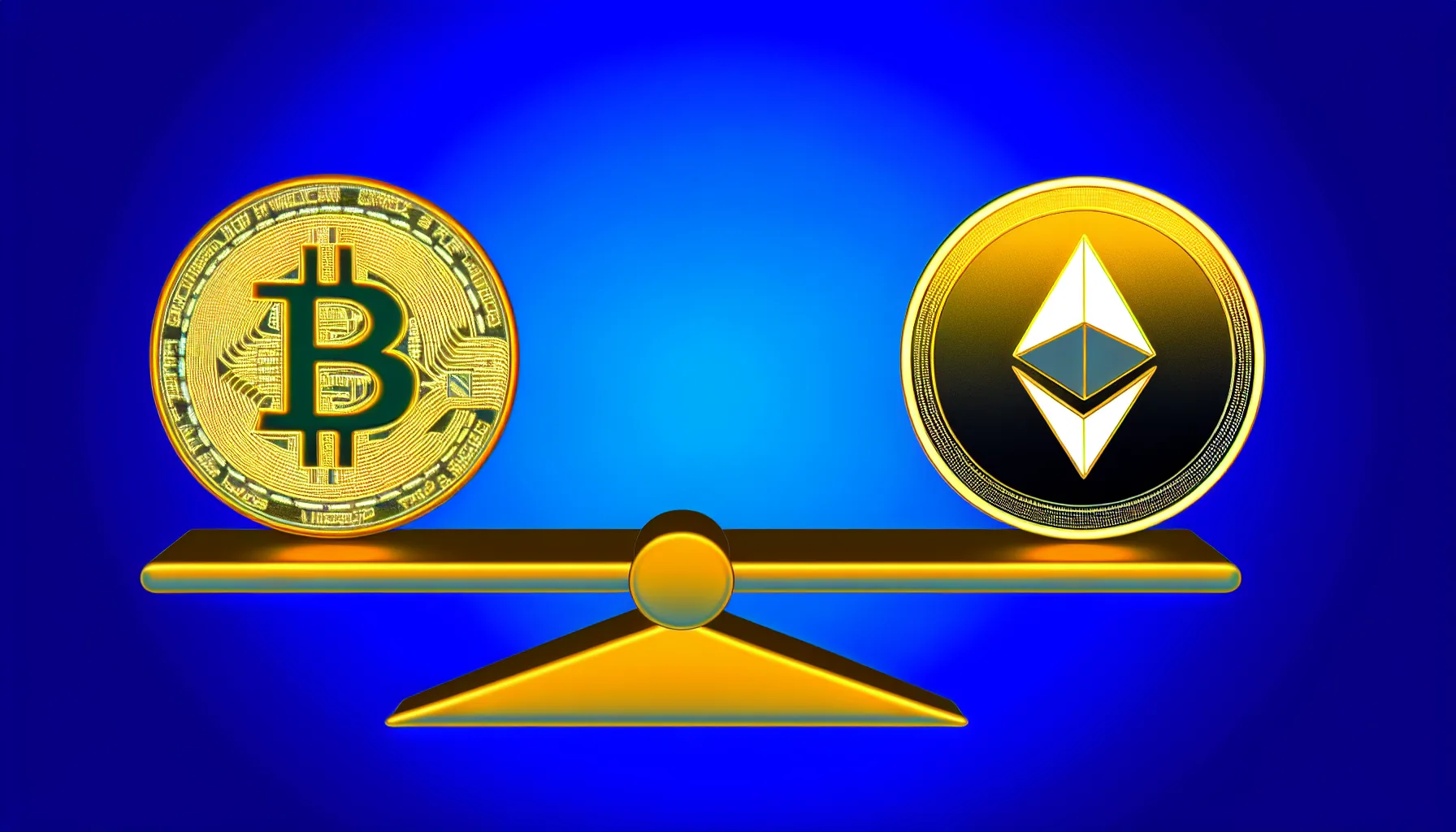
DYTEX2 is gaining attention in the ever-expanding world of blockchain technology, competing against several well-established crypto assets. In this article, we examine how DYTEX2 stacks up against its rivals in terms of technology, utility, adoption, and network performance. By providing an objective analysis, we aim to highlight both strengths and limitations of DYTEX2 when compared to similar projects in the cryptocurrency market.
Technological Framework
One of the distinguishing features of DYTEX2 is its consensus mechanism, which is optimized for scalability and decentralized computation. Unlike Bitcoin, which uses a proof-of-work mechanism, or Ethereum's shift to proof-of-stake, DYTEX2 employs a hybrid protocol that aims to merge scalability with enhanced security. When compared to competitors like Solana, which is known for its high transactions per second (TPS) capabilities, DYTEX2 may not yet match the raw throughput, but instead emphasizes a balance between speed and decentralization. This can appeal to developers looking to build decentralized applications (dApps) without compromising on network integrity.
Utility and Ecosystem
DYTEX2’s ecosystem is still in its formative stages when compared to industry-leading platforms such as Ethereum or Binance Smart Chain, which have well-developed frameworks for smart contracts, NFTs, and DeFi projects. While DYTEX2 supports decentralized app development and token issuance, its ecosystem does not currently boast the same number of active projects or developer tools as its more established rivals. However, its flexible coding architecture and lower transaction costs give it an edge for new projects seeking a cost-effective alternative to more congested networks.
Adoption and Community
Adoption is one area where DYTEX2 faces challenges relative to larger players such as Ethereum, Cardano, or Polkadot. The number of wallets and active developers interacting with DYTEX2's chain is significantly lower, which impacts its broader utility and market visibility. That said, DYTEX2 benefits from a growing niche community focused on specific use cases that are underserved by larger networks. Support for innovation through targeted grants has also helped foster developer interest, but the scale remains modest when compared to rival projects.
Network Performance
Compared to rivals, DYTEX2 has demonstrated good network reliability and costs, particularly in terms of gas fees. Ethereum often suffers from high transaction fees during periods of network congestion, while DYTEX2 operates with lower and more predictable fee structures. Nonetheless, its network efficiency is yet to be tested under massive demand spikes as experienced by Solana and Ethereum during certain event surges. Time will tell how robust its network architecture is relative to its competitors.
Ultimately, DYTEX2 offers an intriguing alternative within the blockchain ecosystem, particularly for users prioritizing decentralization, lower fees, and experimental development. However, its current adoption and scalability metrics suggest it still has significant ground to cover to compete directly with more dominant players in the space.