Understanding How Internet Computer (ICP) Works
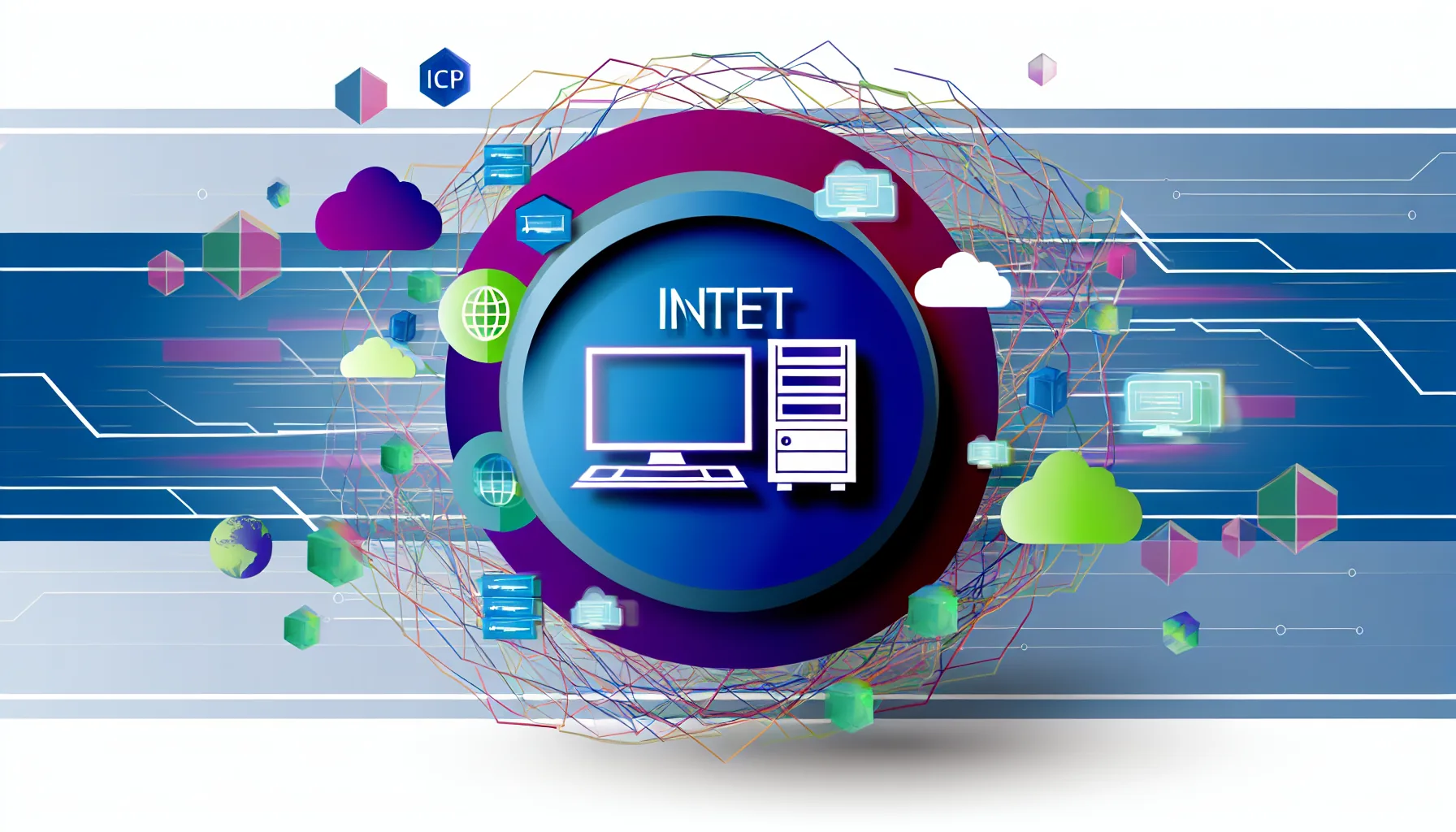
The Internet Computer (ICP) is an innovative venture in the blockchain ecosystem, developed by the DFINITY Foundation. It aims to extend the public internet, making it a global computing platform. By decentralizing the cloud, it intends to host any application and make transactions fast and scalable. Let's explore how ICP functions and its underlying mechanisms.
Decentralized Architecture and Chain Key Technology
The foundation of ICP is its decentralized architecture. Instead of relying on traditional data centers, it leverages independent data centers from around the globe. These centers work together to form a unified network, promoting the principles of decentralization and autonomy.
Central to the operation of Internet Computer is its Chain Key technology. This innovative solution divides the process of carrying out complex computations into smaller tasks. Each has its own public and private keys, allowing for rapid consensus and reducing computational strain. This approach facilitates the addition of new nodes to the network without causing downtime or performance issues.
Consensus Mechanism
ICP utilizes a unique consensus model named Threshold Relay. This model employs a random beacon to select nodes for processing tasks, promoting fairness and reducing the chance of specific nodes being overused. This system is both secure and efficient, ensuring the Network Nervous System (NNS)—ICP’s algorithmic governance system—operates smoothly.
Network Nervous System (NNS)
The Network Nervous System (NNS) is crucial to ICP’s operation, providing governance for the network. Users can stake ICP tokens to participate in decision-making processes via proposals they can vote on. This mechanism empowers a decentralized community to control system upgrades, configurations, and economic parameters, enhancing transparency and community involvement.
Smart Contracts and Canisters
ICP introduces a revolutionary approach to smart contracts through canisters. These are essentially a combination of a smart contract and computational unit, which allows developers to deploy internet services and applications that run at web speed. They offer more storage and can operate without intermediaries, promising enhanced security and reduced running costs.
Adaptive Applications
The applications built on the Internet Computer network—dubbed open internet services—possess the ability to adapt over time. With the self-updating feature facilitated by ICP’s governance model, applications can evolve as new technologies and improvements emerge, helping developers scale efficiently within a decentralized internet landscape.
To gain further insights into blockchain technologies and governance, you can explore The Graph Governance Power to the Community where governance mechanisms play pivotal roles, much like ICP's NNS.