Analyzing Data Trends for rETH in the Crypto Ecosystem
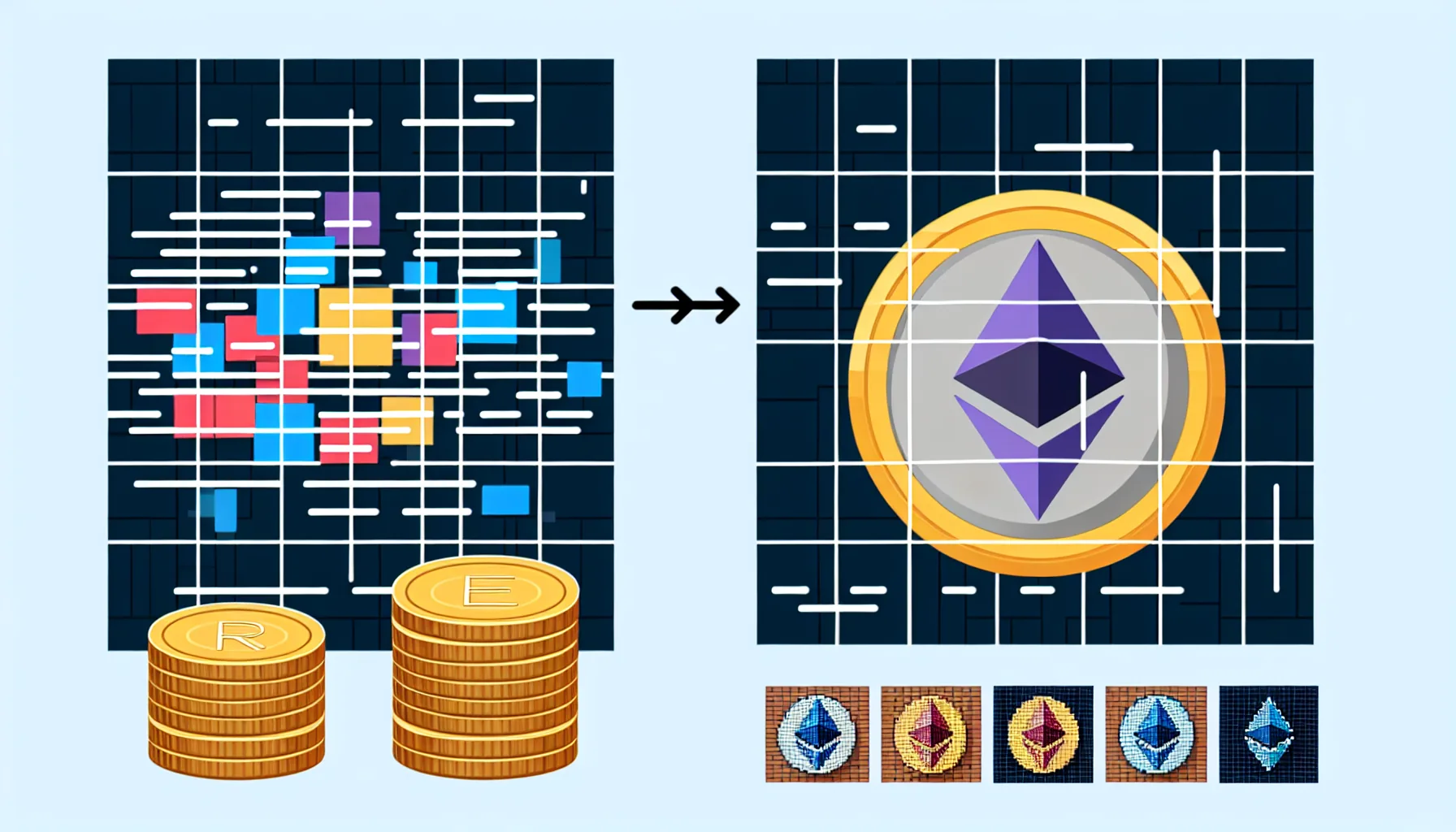
rETH, or Rocket Pool ETH, represents a new approach to Ethereum staking, offering liquidity and flexibility for stakers. As a decentralized staking derivative, rETH operates within the larger Ethereum network, providing users with a tokenized representation of staked ETH plus accrued rewards. But how does the data surrounding rETH offer insight into its adoption and utilization? Let’s examine the available metrics.
rETH Supply and Circulation
One key data point to assess rETH’s activity is its circulating supply. rETH’s issuance is directly correlated to the amount of ETH deposited into the Rocket Pool protocol by stakers. Data shows steady growth in the number of rETH tokens minted, indicating consistent contributions to Rocket Pool’s staking infrastructure. This aligns with the broader trend of increased participation in Ethereum staking following its move to proof-of-stake. However, growth in supply is typically paced by demand, reflecting balanced market interest rather than rapid, speculative spikes.
Adoption Across DeFi Platforms
rETH’s utility extends beyond representing staked ETH; it is actively integrated into the decentralized finance (DeFi) space. Increasing deployment across liquidity pools, lending protocols, and yield-generating strategies demonstrates its growing acceptance. Metrics such as the total value locked (TVL) for rETH in DeFi platforms confirm its slow but steady integration. However, it trails behind some competing liquid staking tokens, which boast larger pools of liquidity and a broader range of use cases. This difference in adoption suggests that while rETH is gaining traction, it faces competition.
Wallet Distribution and Holder Data
Wallet distribution data reveals insights into decentralization. rETH maintains a relatively even spread of holders, with a significant portion held by independent wallets rather than large entities or funds. This hints at a distributed user base, although certain centralized exchanges and large DeFi protocols still represent notable holders. The diversity of holders remains an important metric to track as it underpins the token’s alignment with the ethos of decentralization.
Staking Performance Indicators
As a staking derivative, the performance of rETH is closely tied to Rocket Pool’s operational staking efficiency. Data on validator performance, uptime, and penalties directly affect the rewards accrued by rETH holders. While Rocket Pool’s protocol demonstrates consistent validator performance metrics, fluctuations in network-wide staking returns and occasional operational challenges remind users of the risks tied to staking systems.
Conclusion
By analyzing these data points, industry observers can continue to evaluate how rETH fits within the broader staking and DeFi landscape.