Understanding the Tokenomics of MNT
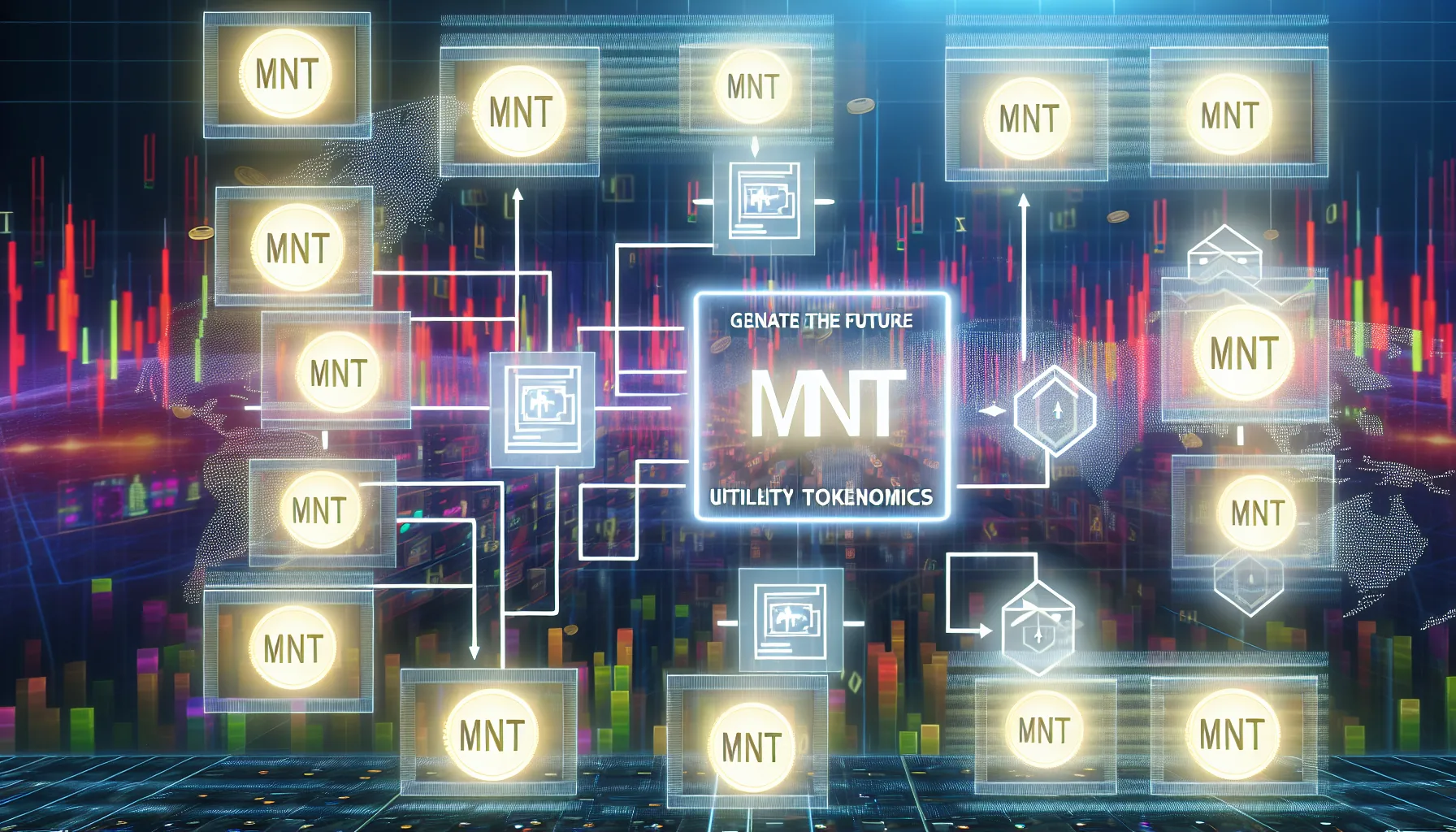
The success and sustainability of a crypto asset often depend on its underlying tokenomics—how the token is issued, utilized, and distributed within its ecosystem. MNT, a utility token, is designed to play a significant role in its ecosystem. This article takes a closer look at the tokenomics of MNT, exploring its supply mechanisms, utility, and allocation structure.
Supply and Distribution
The total supply of MNT is capped, ensuring scarcity within the ecosystem. This fixed supply model is common among many cryptocurrencies, as it helps prevent inflationary pressures over time. The initial allocation of MNT tokens was divided across several categories to foster economic stability and incentivize adoption: team allocation, development funds, marketing, ecosystem incentives, and public sale distribution.
Of particular note is the proportion allocated to the ecosystem incentives. This plays a vital role in spurring development and rewarding participants who actively contribute to the network's growth. Additionally, the portion reserved for development funds is intended to ensure that resources remain available to support advancements in platform infrastructure and technology.
Utility of MNT
MNT is a utility token, meaning its value is intrinsically tied to its use within the ecosystem. The primary use cases for MNT include staking, governance, and transaction fees. Holders of MNT can stake their tokens to secure the network or to participate in consensus mechanisms, earning rewards in return. This incentivizes long-term holding and aligns the interests of participants with the health and security of the network.
Governance is another critical utility for MNT. Token holders may use their MNT holdings to propose and vote on changes to the protocol, enabling decentralized control and decision-making. This governance feature ensures that the ecosystem evolves in line with the community's interests.
Additionally, MNT is often used to pay transaction fees within its native ecosystem. This creates a continuous demand for the token, particularly as network activity scales up.
Incentive Structures
To encourage participation and early adoption, MNT incorporates a reward system that allocates tokens to network contributors. Incentives like staking rewards and ecosystem grants aim to both attract new users and retain existing ones. However, over time, the rate of rewards is designed to diminish, aligning with the token's fixed supply model. This mechanism is intended to balance token issuance with long-term sustainability.
Conclusion on Token Emission Schedule
MNT's emission schedule is pre-defined and transparent, providing clarity on how new tokens are released into circulation. This schedule typically decreases over time, favoring early adopters while limiting inflationary risks. The disciplined distribution strategy ensures that token supply aligns with network growth and ecosystem demand.