Data Insights on Livepeer (LPT): Understanding the Network's Decentralized Video Infrastructure
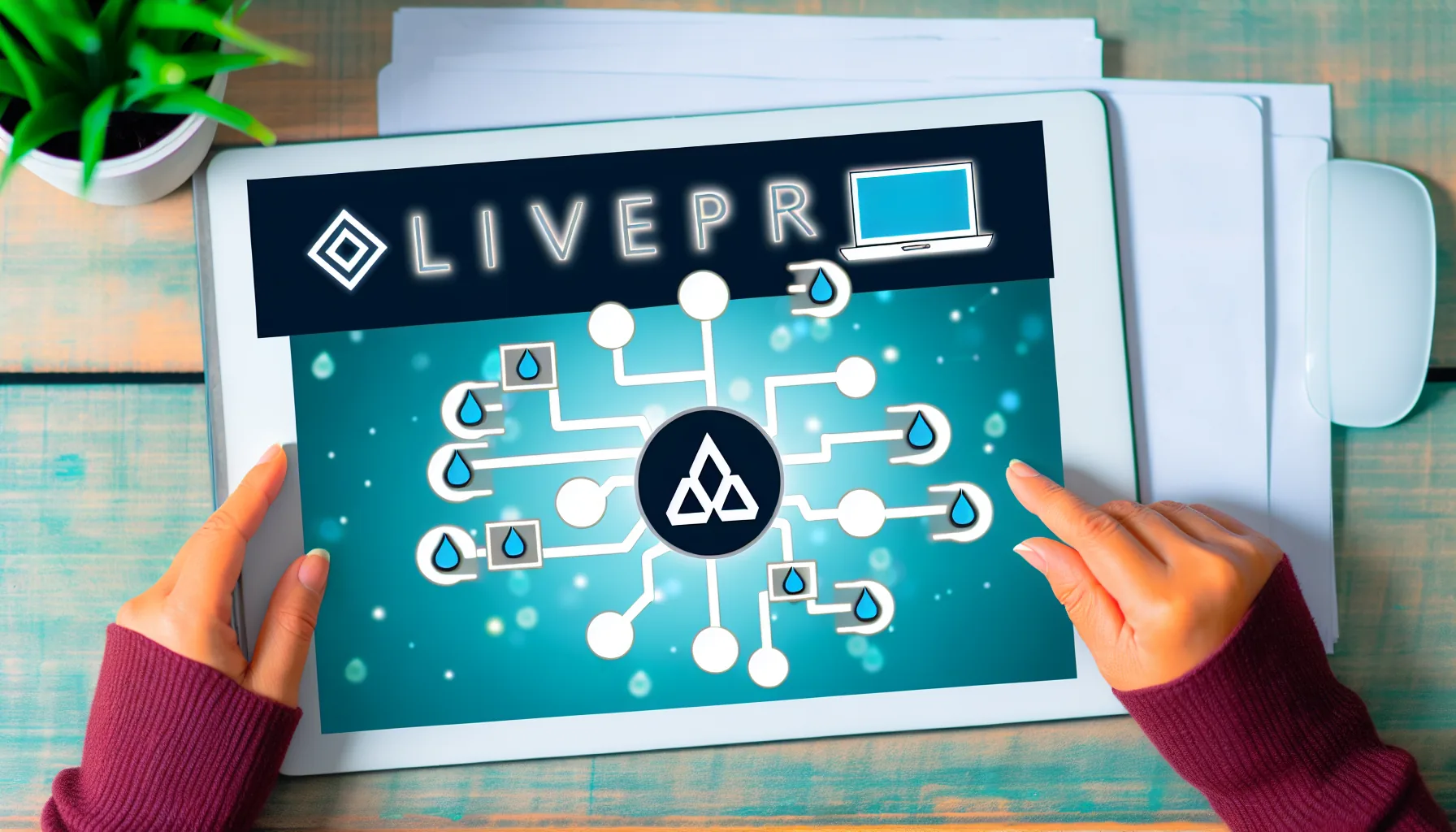
Livepeer (LPT) operates as an Ethereum-based protocol designed to provide a decentralized platform for video creation and distribution. This system leverages its blockchain to streamline and enhance broadcasting services, aiming to mitigate the traditional costs tied to video streaming. As an open-source protocol, Livepeer provides participants an infrastructure where they can transcode video content at a fraction of the price enforced by existing proprietary services.
The functioning of Livepeer relies heavily on data metrics linked with the protocol's adoption and operational throughput. A key piece of data is the network’s orchestration of video content, measured by the total minutes of video it processes. This is a crucial indicator of the network's capability to facilitate decentralized video streaming, highlighting its growing adoption in the tech ecosystem.
Another pivotal data point is Livepeer's node participation rate. The presence of numerous active nodes within this decentralized network ensures the maintenance of its distributed architecture. A high node participation rate reflects robust network security and decentralization, fostering user trust within the Livepeer environment.
Livepeer also tracks the LPT staking metrics. Stakers on the network, who earn LPT tokens for delegating their tokens to orchestrators, play a vital role in the protocol's security and operations. The staked LPT volume showcases the community's confidence in the protocol and its long-term sustainability. This metric is often used to assess operator rewards and governance participation, emphasizing the system’s decentralized nature.
Integration of blockchain with video streaming through protocols like Livepeer allows for data integrity and transparency in user engagement. However, managing data at such a large scale also presents challenges, such as ensuring seamless bandwidth processing and securing user privacy. The efficiency of data management is paramount, demanding continuous innovation and optimization.
Given Livepeer's dedication to the decentralization doctrine, exploring the broader implications of decentralized governance and participation could be informative. Such topics, as examined in AXO vs. Rivals: Who Will Prevail in Blockchain, offer insights into how decentralized video infrastructure like Livepeer can sustain its value in a burgeoning crypto sphere.
The transformative impact of Livepeer is evident in its dynamic handling of data, shaping it into a formidable player in decentralized video infrastructure. Its recognition continues to grow among developers seeking resilient, cost-efficient alternatives to centralized video solutions.