Governance in UMA: A Decentralized Model for Decision-Making
UMA (Universal Market Access) is a decentralized protocol that focuses on creating synthetic assets on the Ethereum blockchain. A critical aspect of the UMA ecosystem is its governance structure, which ensures decisions are made in a transparent, decentralized, and community-driven manner. Governance plays a pivotal role in maintaining UMA’s decentralized infrastructure and adapting to the evolving needs of its users.
The UMA Token and Voting Rights
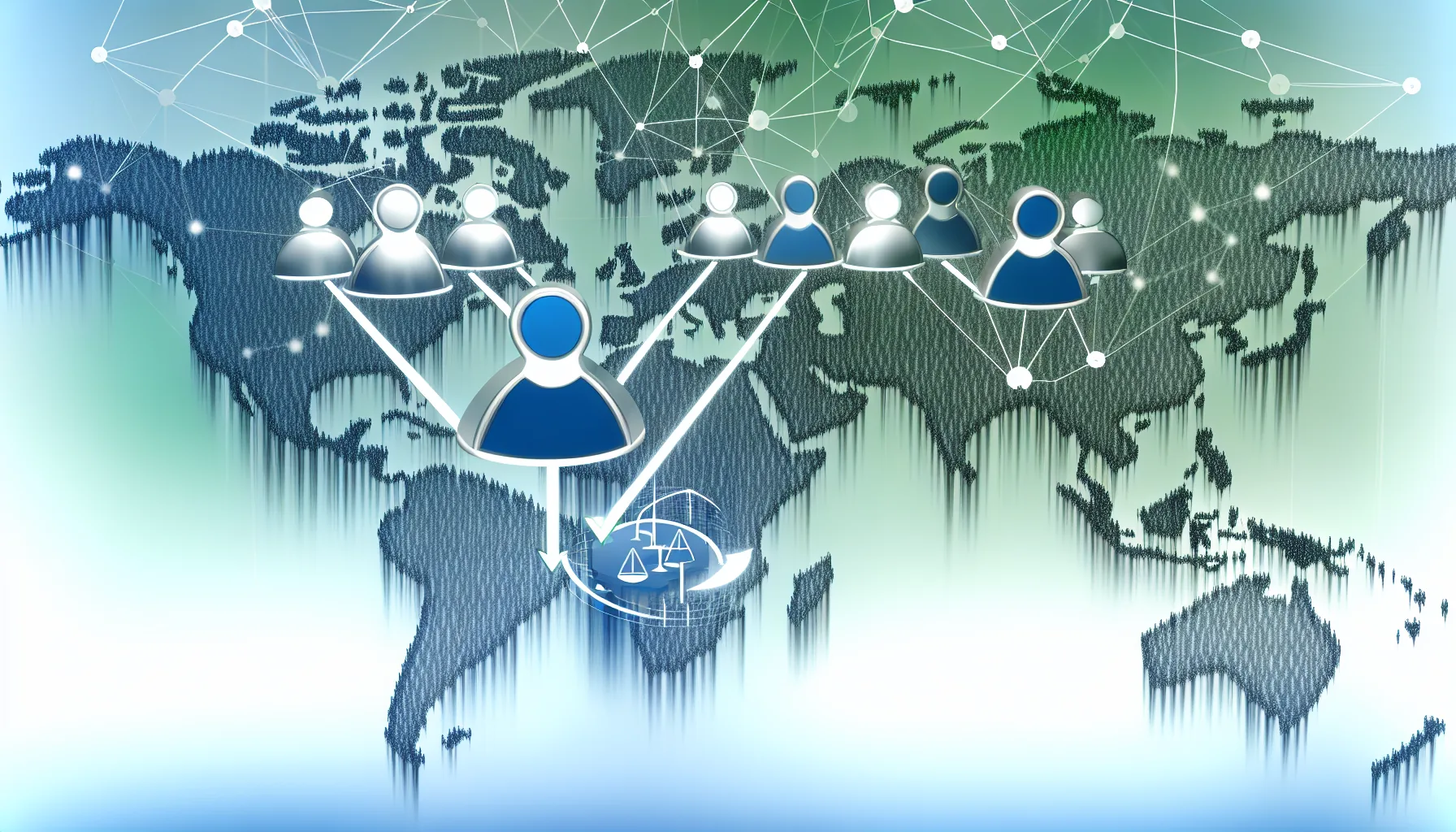
The UMA token serves as the core mechanism for governance within the UMA protocol. Token holders are granted voting rights that allow them to participate in the decision-making process. These decisions can involve a variety of issues, such as protocol upgrades, dispute resolution, or altering key system parameters. By giving token holders a voice, UMA governance aims to decentralize authority and ensure the system remains fair and robust.
Decentralized Voting Mechanisms
UMA employs an incentives-driven voting model that leverages economic theory to achieve reliable outcomes. One of the standout features of UMA governance is how it utilizes a mechanism known as a "commit-reveal" voting system. Here, token holders first commit to their vote in advance, and once the voting period ends, they reveal their choices. This process is designed to reduce manipulation and encourage honest participation.
Additionally, voters are rewarded for participation when they align with the majority, creating an economic incentive for them to act in the protocol's best interest. This system discourages malicious activity while bolstering the reliability of governance outcomes.
Optimistic Governance Approach
UMA's governance is built on an "optimistic governance" approach. This method assumes that no action is required unless a specific issue is raised. By minimizing unnecessary governance interventions, UMA streamlines the decision-making process and reduces potential inefficiencies. If disputes or proposals do arise, UMA token holders step in to resolve them through voting.
Dispute Resolution via the Data Verification Mechanism
The UMA protocol’s governance also extends to its Data Verification Mechanism (DVM). The DVM serves as a decentralized oracle system, resolving disputes when necessary. If a participant in the UMA ecosystem questions the validity of proposed data, it can be escalated to the DVM for a community-driven vote. This makes the protocol’s governance not only reactive but also responsive in resolving conflicts while maintaining decentralization.
Tradeoffs and Challenges
While UMA’s governance structure offers significant advantages in terms of decentralization and transparency, it is not without challenges. Effective governance relies heavily on active and informed participation from token holders. Low engagement or voter apathy can undermine the system’s effectiveness, while excessive reliance on monetary incentives may occasionally skew decision-making priorities. Nonetheless, UMA continues to refine its governance processes in response to these concerns to build a more resilient framework.