Understanding Governance in UMA2: A Decentralized Approach
UMA2, short for Universal Market Access, is a decentralized protocol designed to enable the creation and management of synthetic assets on Ethereum. An integral part of UMA2’s ecosystem is its governance system, which plays a critical role in ensuring the protocol’s security, adaptability, and decentralization. Governance in UMA2 operates as a decentralized decision-making process, where token holders contribute to the evolution and stability of the protocol without relying on centralized authorities.
Decentralized Governance Framework
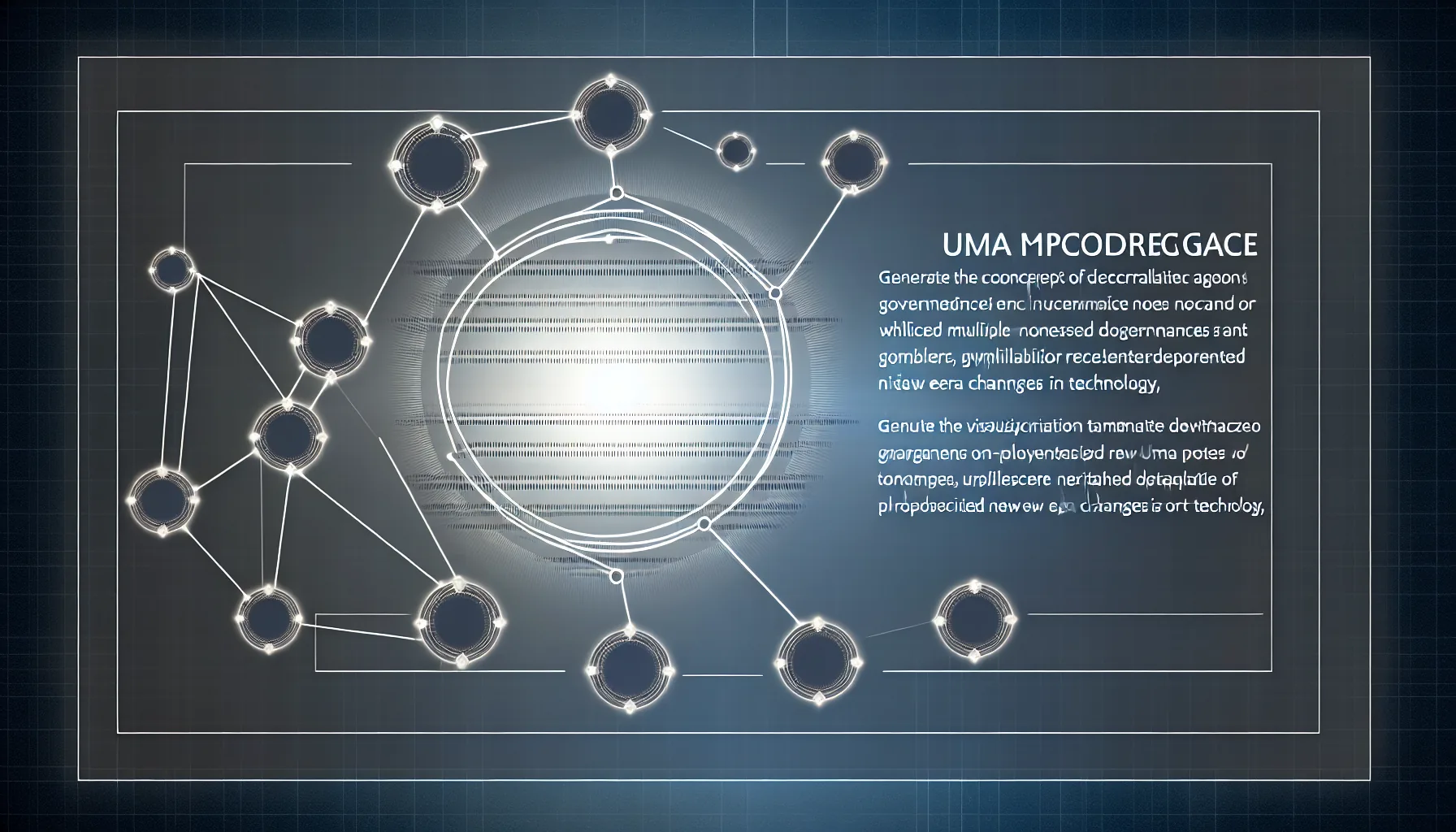
UMA2 employs a decentralized governance framework that allows token holders to propose, debate, and vote on protocol upgrades, parameter adjustments, and dispute resolutions. The system’s foundation is rooted in its native token, UMA, which grants holders voting rights and incentives to actively participate in the protocol’s governance. This model ensures that all changes to the protocol are the result of a transparent, community-driven process.
Governance decisions in UMA2 are executed through its Optimistic Oracle, a dispute resolution layer that combines automated processes and human judgment. The oracle verifies data or claims submitted to the platform, relying on token holders to challenge inaccurate data or approve valid submissions. This mechanism minimizes the risk of manipulation while reducing reliance on centralized entities.
Voting and Proposal Submission
UMA token holders initiate governance actions through formal proposals. These proposals can cover a range of topics, including:
- Protocol parameter adjustments, such as collateral requirements or liquidation thresholds.
- Implementation of new features or modifications to existing mechanics.
- Resolution of disputes or denial of fraudulent activity within the system.
Once a proposal is submitted, token holders engage in a voting process to approve or reject the idea. Votes are typically weighted based on the number of tokens staked, ensuring that governance power is proportional to token ownership. To encourage broad participation, UMA2 often incorporates incentives, such as inflationary rewards, for active voters.
Checks and Balances in Governance
One notable component of UMA2’s governance system is its reliance on community oversight to maintain security. Through the Optimistic Oracle and the token voting process, stakeholders help mitigate the potential risks associated with dishonest actors or malicious proposals. A challenge system further empowers token holders to dispute questionable claims, ensuring that agreed-upon decisions align with the protocol’s long-term health.
Challenges and Implications
While UMA2’s decentralized governance promotes transparency and inclusivity, it is not without challenges. Decentralized systems can be slow to react to urgent changes, as every decision requires broad consensus. In addition, participation rates among token holders can vary, potentially concentrating decision-making into the hands of more active—or wealthier—participants. These factors make governance both a strength and a factor requiring continuous monitoring for improvement.