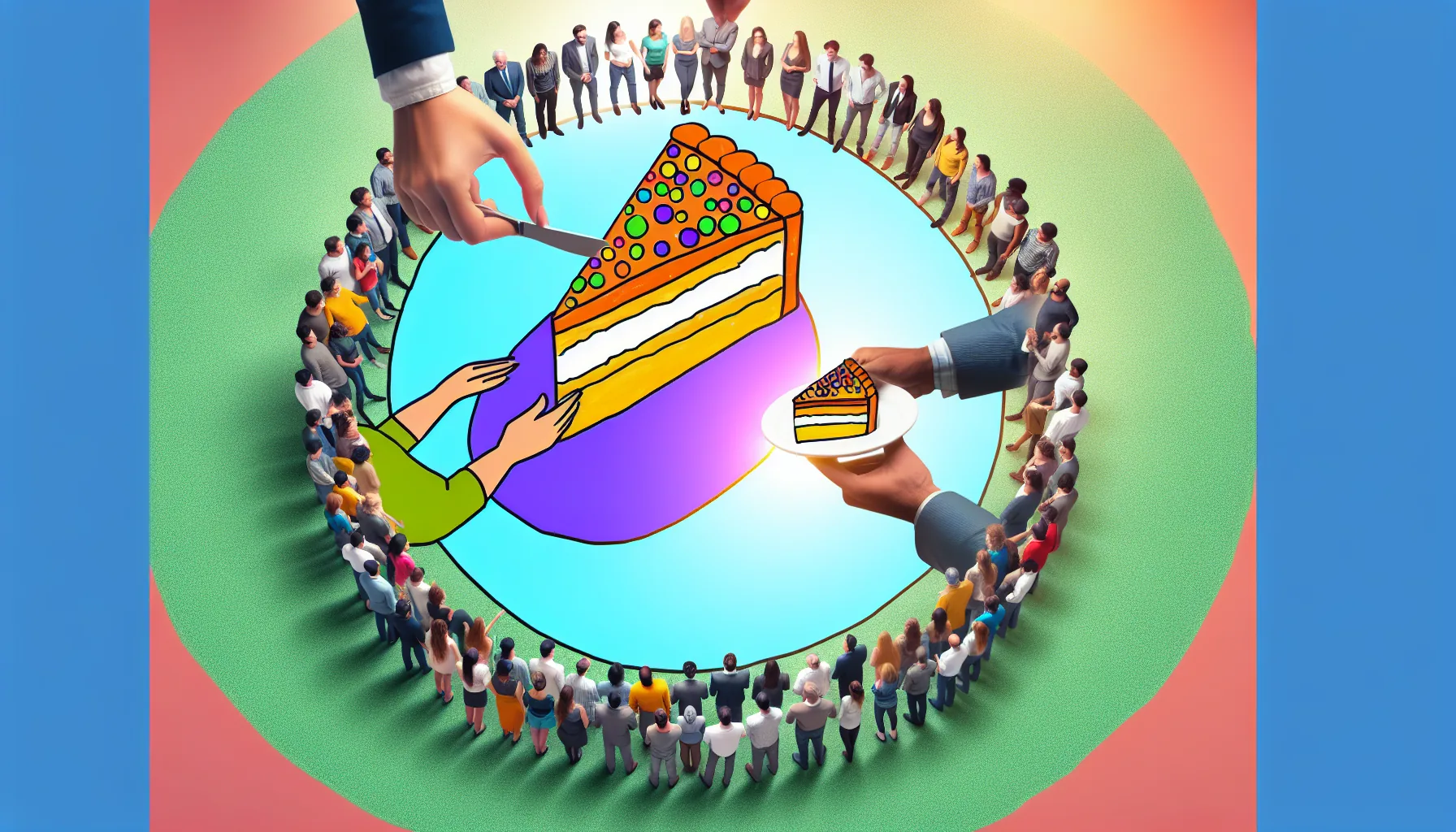
Understanding Governance in CAKE's Ecosystem
PancakeSwap, built on the Binance Smart Chain (BSC), is one of the leading decentralized exchanges (DEXs) in the cryptocurrency space, and its native token, CAKE, plays a vital role within its ecosystem. One of the most notable utilities of CAKE is its function in governance, allowing users to participate in the decision-making processes that guide the platform's development and evolution.
How Governance Works with CAKE
Governance in the PancakeSwap ecosystem is designed to be community-driven, prioritizing the involvement of token holders. By holding and staking CAKE, users gain a voice in shaping the protocol through voting on proposals. These proposals can cover a wide range of topics, such as introducing new features, updating fee structures, integrating additional token pairs, or modifying the platform's roadmap.
The governance mechanism is implemented through a voting system where staked CAKE is required to participate. The more CAKE a user contributes, the greater their voting power. This proportional system ensures that participation in governance reflects an individual’s investment and interest in the long-term success of the platform.
Key Benefits of Decentralized Governance
The incorporation of decentralized governance through CAKE brings several advantages to PancakeSwap’s ecosystem:
- Decentralized Decision-Making: The governance structure allows power to be distributed among the community instead of being concentrated in the hands of a small group of developers or stakeholders. This reduces the risk of unilateral decisions.
- Incentivized Participation: By staking CAKE to vote, users actively engage in shaping the platform, fostering a stronger sense of ownership and alignment with the project’s goals.
- Flexibility: Community participation in governance enables the incorporation of diverse perspectives, making the platform adaptable to user needs and market trends.
Proposals and Voting
The proposal process typically begins with community suggestions or discussions on the PancakeSwap forums. Once a proposal is refined and approved for voting, CAKE holders can cast their votes. Each voter’s influence is determined by the number of CAKE tokens they have staked, meaning that stakeholders with more at stake have a greater say in the decisions. This ensures that individuals who are deeply invested in the ecosystem’s success have a proportional impact on its direction.
It is significant to note, however, that decentralized governance faces challenges. High participation thresholds or concentration of voting power among a few holders can potentially limit inclusivity. Maintaining a balance between incentivizing active participation and preventing dominance by large stakeholders remains a critical focus for governance on PancakeSwap.
Conclusion of Governance and Ecosystem Interplay
Governance is a core pillar in the functionality of any decentralized protocol, and CAKE holders are vital in maintaining and improving the PancakeSwap ecosystem. By enabling decentralized decision-making, the governance system ensures both robust community involvement and adaptability in an ever-evolving DeFi landscape. While challenges like concentration of voting power exist, the governance framework provides the foundation for a fair and community-centric development model.