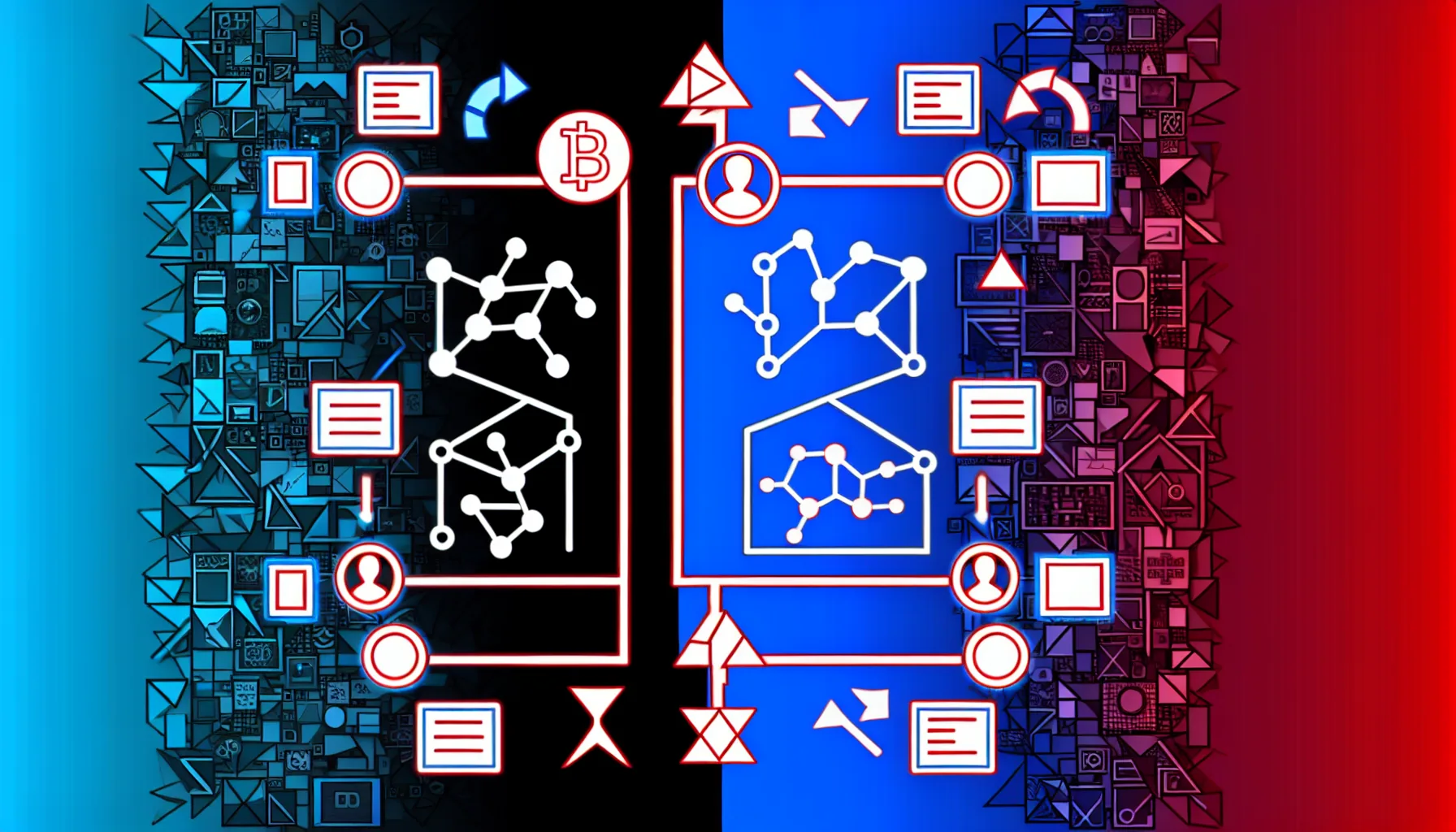
The cryptocurrency space has evolved significantly, introducing innovative technologies to address scalability, security, and efficiency. Directed Acyclic Graphs (DAG) represent a unique approach to blockchain architecture. Unlike traditional blockchains, DAGs prioritize scalability and throughput by using a graph-like structure instead of linear data validation. But how does DAG compare to its rivals in this niche segment of distributed ledger technology? Below, we examine its key differences.
1. Architecture and Efficiency
DAG distinguishes itself through its non-linear structure. Unlike blockchain networks like Ethereum or Bitcoin, where transactions are grouped into blocks and validated sequentially, DAG allows transactions to confirm others directly. This leads to faster data processing times and reduced energy consumption.
Rivals such as Hedera Hashgraph also explore non-linear structures but rely on gossip protocols for transaction validation. While this can achieve consensus quickly, it introduces additional technical complexities. Other projects, like IOTA, also employ DAG structures, but its early reliance on a central coordinator was seen as a drawback, raising discussions about decentralization. DAG-based crypto solutions typically aim to mitigate similar criticisms by improving trustless mechanisms.
2. Scalability Potential
Blockchain networks often struggle with scalability during periods of high usage. This imposes limits on transaction throughput and increases fees. DAG-based systems aim to solve these issues by allowing parallel processing and achieving near-linear scalability. In comparison, traditional blockchains often rely on upgrades such as sharding or Layer-2 solutions to scale, which can add complexity and require significant community coordination.
However, DAG systems are not immune to scalability challenges. Increased adoption can still impact network performance—for instance, some DAG platforms may experience delays in transaction confirmations as the graph grows denser.
3. Use Case Versatility
DAG-based networks often emphasize industries requiring high throughput, such as supply chain logistics, IoT, and financial systems. Rivals in this space may focus on similar verticals, though each solution brings unique benefits. For example, while IOTA heavily targets IoT device integration, others like HBAR use DAG-like structures for enterprise-grade applications. This segmentation highlights differences in technical implementation and market strategy.
4. Security Trade-Offs
With their alternative structures, DAGs introduce a unique set of security trade-offs compared to traditional blockchains. While benefiting from faster finality and lower fees, rivals in the DAG space face questions about resistance to certain attack vectors, such as Sybil attacks. Most platforms adopt consensus mechanisms like Proof of Stake to address these risks; however, the effectiveness can vary depending on how protocols are designed. This differentiation underscores a significant aspect of competition among DAG projects.
By taking a closer look at the architectural, performance, and strategic differences, it becomes evident that DAG-based solutions are carving out a specialized place in the larger cryptocurrency ecosystem, particularly when compared to linear blockchain alternatives and other DAG-related rivals.
In the evolving world of cryptocurrency, Bitcoin Cash (BCH) stands out for its faster transaction speeds and lower fees. But how does it measure up against…
Explore how OKB, the utility token of OKEx, stacks up against formidable competitors like Binance Coin and FTX Token. Discover the unique advantages and…
Ethereum has long been the leader in decentralized applications, but rival platforms are emerging with innovative solutions to unmatched challenges. This…