APE Token: A Look at How It Compares to Its Rivals
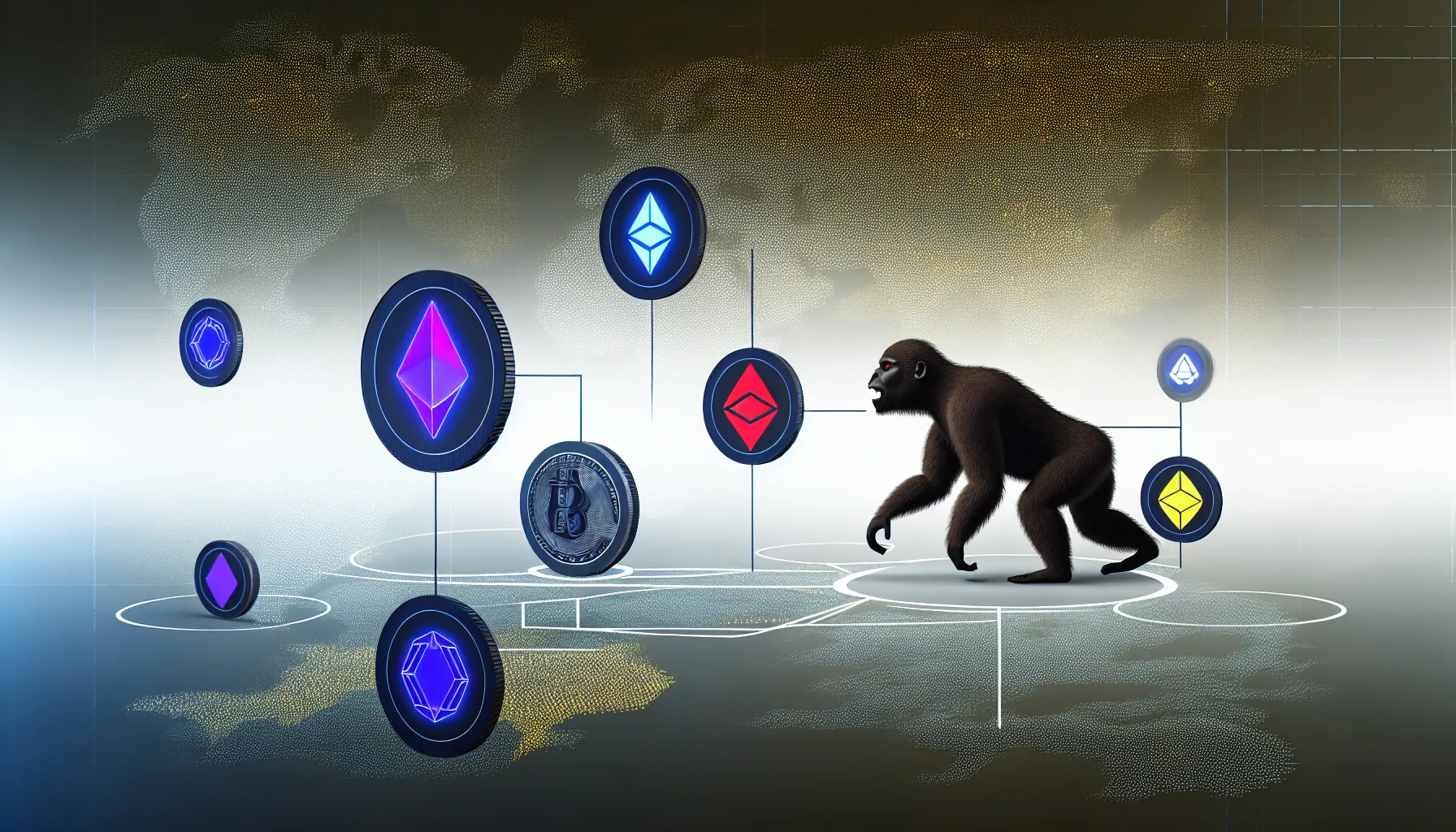
APE, the native token of the ApeCoin ecosystem, is powered by the well-known Bored Ape Yacht Club (BAYC) NFT collection. With the backing of a high-profile NFT community, APE has garnered attention in the cryptocurrency space. Nevertheless, assessing APE in comparison to key rivals – such as MATIC, AXS, and SAND – provides essential insights into where it stands in a competitive market. These crypto projects are all part of the growing play-to-earn (P2E) and NFT ecosystems, but differences lie in their focus, utility, and strategies.
Use Case and Ecosystem
APE's primary utility is within the broader NFT and metaverse landscape. Its value proposition stems from being tied to the governance and utility within the rapidly expanding BAYC universe, including access to events, games, and services tied to Yuga Labs initiatives. While this type of tokenized membership has attracted a niche audience, APE's reliance on the performance and popularity of BAYC results in a more limited scope compared to competitors.
For example, Polygon (MATIC) focuses on scalability and blockchain infrastructure, offering Layer 2 solutions to ensure faster and cheaper Ethereum transactions. Thus, while APE caters primarily to the BAYC community, MATIC appeals to a broader range of decentralized applications (dApps), offering an infrastructure layer for multiple industries, including gaming, DeFi, and enterprise solutions.
Adoption and Partnerships
Rival tokens like Axie Infinity's AXS and The Sandbox's SAND have stronger visibility within the gaming space largely due to their earlier adoption in the play-to-earn (P2E) movement. AXS, for instance, powers one of the largest P2E ecosystems, allowing players to earn rewards for in-game achievements. Similarly, SAND, tied to The Sandbox metaverse, enjoys partnerships within entertainment and culture, bringing in celebrities and brands to enhance its virtual ecosystem.
Technical Considerations and Flexibility
From a technical perspective, APE has a single-focused goal of fueling the BAYC ecosystem. In contrast, its rival tokens, especially MATIC, are designed with elastic utility and scalability that extend to multiple digital landscapes, including gaming, governance, and dApps. Even in the metaverse, where APE aims to make its mark, projects like SAND often offer broader decentralized experiences, with wider developer participation.
While APE’s specific niche may appeal to BAYC enthusiasts, its competitors exhibit greater adaptability, multi-industry partnerships, and use cases that go beyond a single NFT project.