History of TVK
A Detailed History of Terra Virtua Kolect (TVK)
Terra Virtua Kolect (TVK) was introduced as the native token for Terra Virtua, an ambitious platform aiming to merge blockchain technology with digital collectibles and immersive experiences. The project was conceptualized to capitalize on the growing interest in NFTs (non-fungible tokens) long before mainstream adoption. TVK launched as a utility token designed to power the Terra Virtua ecosystem, driving both creator incentives and user engagement.
The foundation of TVK is linked closely to the origins of Terra Virtua itself. Terra Virtua began with the aim of creating a blockchain-based, gamified digital collectibles platform. The team placed a strong emphasis on user experience by enabling interactive and augmented reality assets, a relatively unique feature in its early days. Key milestones in TVK's development revolved around the expansion of its ecosystem, partnerships with entertainment and gaming companies, and integrating NFT marketplaces within its framework.
TVK officially entered the crypto sphere through an Initial Exchange Offering (IEO) on a major platform, which provided the token with liquidity and a distribution base. Early distribution raised questions among community members regarding token allocation fairness since a notable portion of supply was reserved for private investors and the founding team. Critics argued this structure could contribute to centralization, a recurring concern in the crypto community.
The token's utility originally revolved around unlocking exclusive NFT drops, participation in staking rewards, and enabling a "membership" feature for collectors. However, scalability challenges emerged as the adoption of the platform grew. Some voiced concerns regarding high transaction fees during network congestion, which hindered accessibility for smaller collectors. These issues highlighted the need for optimization of Terra Virtua's infrastructure, though subsequent updates aimed to mitigate these hurdles.
TVK's history also intersects with broader criticisms the Terra Virtua platform has received. For example, the emphasis on partnerships with major brands and IPs (intellectual properties) sometimes conflicted with blockchain’s ethos of decentralization. Critics questioned whether this approach diluted the vision of building a truly permissionless ecosystem by relying heavily on centralized entertainment conglomerates.
Similarly, competition within the NFT space has been cutthroat, and TVK has faced challenges staying differentiated amidst a flood of other NFT-focused tokens. Questions surrounding the long-term sustainability of its economic model and user retention in an overcrowded ecosystem have persisted as recurring themes. These factors, combined with scrutiny regarding tokenomics, make TVK's history both notable and complex.
How TVK Works
How TVK Works: Exploring the Dynamics of Terra Virtua Kolect
TVK (Terra Virtua Kolect) functions as the utility token powering the Terra Virtua metaverse ecosystem, enabling a seamless integration of NFTs within a gamified and immersive digital environment. Designed with an emphasis on digital collectibles, TVK serves multiple technical roles within the ecosystem, aiming to provide both functionality and incentivization mechanisms for its users.
Core Utility of TVK
At its core, TVK operates as the means of access for participation in key activities across Terra Virtua’s platform. It is utilized for purchasing, crafting, and trading NFTs tied to entertainment, gaming, and virtual reality experiences. A significant functionality of TVK is its enablement of the Fancave mechanic—personalized 3D spaces where users display their NFT assets. This introduces an element of social identity tied directly to blockchain ownership.
Beyond acquisition, TVK enables users to participate in the Prestige Club, which requires staking TVK to unlock exclusive NFT drops, higher rewards, and gamified interactions on the platform. While appealing to collectors and gamers, this staking framework creates a deflationary dynamic, reducing circulating supply over time, although this mechanism can introduce potential liquidity risks for those locking up tokens in a volatile market.
Multichain and Interoperability Considerations
One unique technical aspect of TVK is its growing support for multichain integration, offering users flexibility in managing assets across multiple ecosystems. While originally deployed on Ethereum, Terra Virtua has been working to migrate parts of its infrastructure to Layer 2 solutions and alternate chains to mitigate high gas fees. For power users, this multichain approach opens opportunities for broader accessibility but comes with associated security risks inherent in bridging assets across platforms.
Challenges in Governance and Decentralization
TVK lacks a robust governance mechanism, a feature seen in other prominent utility tokens. This absence limits community participation in platform direction and decision-making processes, which could deter long-term contributors expecting decentralized control. While Terra Virtua’s ecosystem leverages TVK for operational incentives, critics might view the heavy reliance on centralized management as a potential obstacle to broader adoption from the crypto purist community.
Tokenomics and Incentivization Risks
The success of TVK’s tokenomics lies in its ability to continuously incentivize active engagement and reward collectors. However, its tokenomics introduce inflation risks if rewards outpace organic demand. Furthermore, TVK’s use in staking rewards and NFT ecosystem access relies heavily on sustained adoption. A sharp drop in user activity would destabilize its utility, rendering certain aspects of its design features unsustainable.
In sum, TVK serves as a critical cog in Terra Virtua’s ecosystem infrastructure, yet its functioning is inherently dependent on active user participation, multichain security, and developer-led innovation to maintain relevance in an ever-evolving crypto landscape.
Use Cases
TVK Crypto Asset: Exploring Its Use Cases
The Terra Virtua Kolect (TVK) token powers the Terra Virtua ecosystem, a blockchain-based platform designed for creating, collecting, and interacting with digital collectibles. TVK's use cases extend beyond traditional transactions, offering a range of applications in the non-fungible token (NFT) and metaverse landscape.
Key Application: NFT Creation and Customization
One of TVK's standout functionalities is its role in enabling users to craft and customize unique NFTs. With TVK as the primary utility token, creators gain access to a suite of tools for designing digital assets, incorporating dynamic elements, and defining rarity traits. This hands-on creation process offers flexibility but does have its limitations. For instance, NFT creation on Terra Virtua may require users to pay multiple fees in TVK, potentially deterring small-scale creators due to fluctuating network costs.
Reward Structures and Staking Incentives
TVK is central to Terra Virtua's reward systems, allowing users to stake tokens for exclusive benefits. By locking up TVK, participants can unlock limited-edition NFTs, gain access to VIP-only events, or receive early access to new feature rollouts. However, the staking model introduces a barrier to entry for individuals with limited tokens, as higher-tier rewards typically require significant holdings. Additionally, the program's long-term viability depends on the ongoing value and demand for the rewards offered.
Integration with the Metaverse
In the broader metaverse ecosystem, TVK is utilized to access and interact with virtual environments and activities, including exclusive digital art galleries and gaming arenas. It facilitates purchasing in-game assets, attending virtual exhibitions, and engaging with cross-platform NFTs. That said, the integration process can vary between metaverse platforms, sometimes requiring additional steps to bridge tokens or facing compatibility issues, which adds friction for users seeking seamless interoperability.
Governance and Ecosystem Participation
TVK holders can influence Terra Virtua’s development by participating in governance initiatives. Token-based voting mechanisms enable the community to weigh in on platform upgrades, feature priorities, and potential partnerships. However, governance participation is inherently skewed toward users with substantial TVK holdings, limiting decision-making power for smaller stakeholders. This centralization of influence may raise concerns around equity and inclusivity.
Challenges in Adoption
While TVK presents broad use cases, scalability challenges remain. High network congestion or spikes in adoption can lead to increased transaction fees and slower execution times, reducing the platform's usability—particularly for time-sensitive NFT drops. Moreover, as the NFT and metaverse sectors become increasingly competitive, reliance on TVK for ecosystem engagement may face pressure from alternative platforms offering broader utility or lower fees.
TVK Tokenomics
Tokenomics of TVK: Supply Dynamics, Utility, and Distribution
TVK, the native token of the Terra Virtua ecosystem, exhibits a tokenomics structure designed to fuel participation and engagement within its digital collectible and metaverse ecosystem. However, as with any crypto asset, understanding its tokenomics requires careful consideration of how supply mechanisms, distribution, and utility interplay over time.
Fixed Supply and Allocation Breakdown
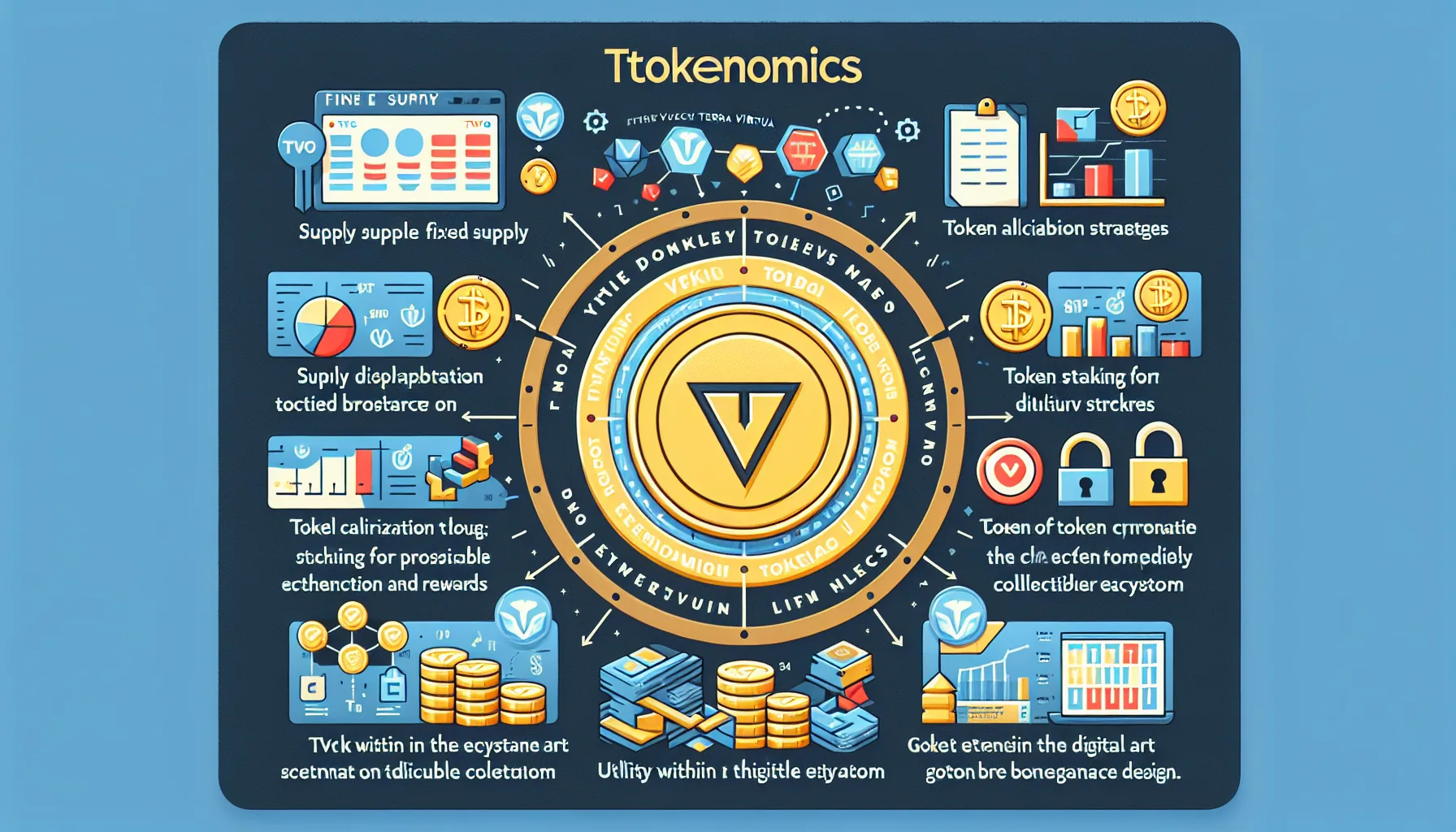
TVK operates on a capped total supply, ensuring a finite amount of tokens in existence. A considerable portion of this supply was pre-allocated during its early token generation event, spanning several categories such as private sales, public sales, partnership incentives, team allocations, and ecosystem development. While this structure aims to balance incentives for growth and innovation, the sizable allocations toward the team and private investors may raise concerns among investors wary of token concentration. These allocations often carry vesting schedules, but monitoring their eventual unlock and potential liquidity influx is critical to understanding future market dynamics.
Staking and Rewards Mechanisms
Token staking plays a fundamental role in TVK’s model, incentivizing participation through rewards. Users who lock their TVK tokens typically gain access to benefits such as exclusive NFTs, collectibles, and other platform-specific rewards. Although this mechanism is vital to encouraging community involvement, it could lead to liquidity reduction in the short term while potentially increasing sell pressure during reward claim events. Furthermore, sustainability questions may arise over time if TVK rewards outpace the utility generated within the ecosystem.
Utility in the Ecosystem
The primary utility of TVK lies in unlocking access to Terra Virtua’s ecosystem features, including premium collectibles, gamified experiences, and governance functions. Users frequently need TVK to mint or purchase exclusive digital items, driving token demand for active participants. However, questions about broader adoption arise when utility is heavily tied to a niche ecosystem. For sustained growth, a balance between ecosystem usability and accessibility for new participants becomes essential to avoid stagnation.
Potential Supply Dilution Risks
Like many projects, TVK’s tokenomics includes emissions for platform growth and community engagement, distributed over a predefined timeline. This gradual token release, while intended to ensure development funding, contributes to a potential inflationary effect that could dilute value for existing holders. Additionally, tracking the consistent alignment between token release schedules and ecosystem adoption is necessary to assess whether demand keeps pace with new supply.
Governance Design Considerations
Although TVK is associated with governance opportunities, the current implementation reflects a more centralized model, with key decisions often retained by the core team or weighted heavily toward large token holders. While this can streamline decision-making, it does raise transparency and decentralization concerns for a crypto-savvy audience valuing open governance.
TVK Governance
TVK Governance: Decentralized Control and its Challenges
The governance framework of TVK (Terra Virtua Kolect) serves as a cornerstone for the operational structure of its ecosystem, empowering token holders with decision-making authority. Designed to align with the decentralized ethos of blockchain technology, TVK governance enables holders to influence various aspects of the platform's development, such as feature upgrades, community initiatives, and economic policies. However, while the governance model offers numerous opportunities for community-driven growth, it also comes with notable complexities and challenges.
Governance Mechanisms in the TVK Ecosystem
The core governance model of TVK revolves around token-weighted voting, where TVK holders submit and vote on proposals. This system ensures that those invested in the ecosystem's success have a proportional say in the decision-making process. Governance proposals can cover diverse areas, including adjustments to staking rewards, modifications to partnerships with content creators, or voting on new innovations for Terra Virtua’s virtual asset ecosystem.
Participation in governance typically requires a minimum threshold of TVK holdings to either submit proposals or vote effectively. While this incentivizes serious engagement and discourages spam submissions, it can also alienate smaller token holders, reducing inclusivity within the governance process.
Centralization Risks in Token-Weighted Voting
A significant issue within TVK governance—shared with many token-based governance systems—is potential centralization of influence. Wealthy participants or large stakeholders, often labeled as "whales," have greater voting power, enabling them to sway outcomes in their favor. While this can facilitate efficient decision-making when large stakeholders act in good faith, it also introduces risks of governance capture, where decisions prioritize profits for the few at the expense of broader community interests.
Efforts to address these risks could involve limiting voting power per entity or introducing quadratic voting mechanisms, though these approaches have yet to be implemented within the TVK governance model.
Lack of Comprehensive Governance Tools
Another area for growth in the TVK governance ecosystem is the absence of advanced tooling or platforms that streamline the voting process and increase transparency. Governance platforms enabling clear discussion forums, real-time voting analytics, and detailed proposal tracking would enhance the democratic dynamic of TVK's ecosystem. Without these, smaller stakeholders might lack access to the full context required for informed participation.
A Dual-Edged Sword for Innovation
TVK governance empowers the community to contribute directly to the development of Terra Virtua, fostering creativity and collaboration. However, this structure can sometimes lead to friction, as diverging interests and conflicting proposals can slow decision-making. This tension between decentralization and efficiency remains an integral consideration for token holders engaged in governance.
Technical future of TVK
TVK Technical Developments and Future Roadmap
Expanding NFT Ecosystem and Metaverse Integrations
TVK, the native utility token of the Terra Virtua platform, continues to evolve within the rapidly shifting NFT and metaverse landscapes. One key area of development is the expansion of TVK’s role in incentivizing participation and creation within its platform. The Terra Virtua team has focused on broadening its NFT marketplace tools, enabling creators to mint, distribute, and monetize digital assets with lower barriers to entry. This involves ongoing updates to the platform’s smart contract frameworks, aimed at further decentralization and ensuring compatibility across multiple blockchain networks — particularly Ethereum and other Layer 2 solutions. However, interoperability across ecosystems remains a work in progress. Current bridging capabilities often result in slower transaction speeds and higher complication rates for users, a notable pain point the team must address to scale efficiently.
Gamification Features and Play-to-Earn (P2E) Integration
A significant portion of TVK’s roadmap is dedicated to enhancing gamified rewards and play-to-earn mechanics. These features leverage the TVK token as a medium of exchange for metaverse assets and staking incentives. Simultaneously, work is underway to refine the reward structures tied to TVK staking pools, with plans for introducing more robust mechanisms to discourage token dumping while maintaining liquidity. Despite these efforts, balancing token supply and demand has been a challenge, as over-rewarding holders could dilute the ecosystem's value proposition.
Focus on Infrastructure Scalability and Layer 2 Adoption
Improving scalability remains a high priority for the TVK ecosystem. Preliminary developments around Layer 2 integrations aim to address high gas fees and transaction bottlenecks, which continue to plague platforms reliant on Ethereum. Solutions like zk-rollups are under review as potential methods to improve throughput and reduce time-to-consolidation for NFT transactions. Additionally, infrastructure upgrades plan to address backend limitations that currently slow larger-scale adoption of Terra Virtua’s platform.
DAO Governance and Community Models
Another cornerstone in TVK's roadmap involves transitioning towards more decentralized governance via a DAO (Decentralized Autonomous Organization). This shift is expected to grant holders of TVK tokens greater influence over platform decisions, particularly regarding feature prioritization and treasury allocations. This move, however, requires addressing logistical challenges inherent in DAO management, including low voter turnout and the risk of centralization within small groups of whales, which could undercut the egalitarian aims of the transition.
Expanding Multichain Support Beyond Ethereum
Multichain compatibility expansion features prominently in TVK’s technical trajectory. While initial developments have primarily focused on Ethereum, other blockchains like Binance Smart Chain and Polygon are being considered for platform integration to tap into larger user bases. Full implementation remains incomplete, with ongoing hurdles in cross-chain asset synchronization and security auditing.
Comparing TVK to it’s rivals
TVK vs CHZ: A Detailed Comparison of Virtual Asset Utility
When comparing TVK (Terra Virtua Kolect) to CHZ (Chiliz), the analysis often centers around their differing core applications within the blockchain ecosystem. Both projects cater to niche markets, but their value propositions set them apart in ways that are both complementary and competitive.
Target Markets and Use Cases
TVK focuses on creating immersive virtual environments through its digital collectibles marketplace and integrations with augmented reality (AR) and virtual reality (VR). The emphasis lies on fostering experiences that blend collectability with interactivity, targeting digital art enthusiasts and metaverse builders. In contrast, CHZ is deeply rooted in sports and entertainment, empowering fan engagement through its fan token ecosystem and partnerships with globally recognized sports teams. The divergence in target markets means these projects rarely overlap in direct competition but do compete in capturing attention and resources from overlapping demographics interested in digital ownership and community-driven economies.
Technology and Ecosystem Depth
A notable distinction is the technological framework surrounding each platform. TVK's Terra Virtua ecosystem integrates AR/VR tech to enhance the digital collectible experience significantly. However, while this cutting-edge approach offers a unique angle, it also relies heavily on high-quality infrastructure and user hardware, which may limit accessibility compared to CHZ's more streamlined web-based fan engagement platform. CHZ takes a simpler, more accessible route by focusing on smartphone and browser-friendly interactions with fan incentive mechanics. This ease of use gives CHZ an edge in onboarding non-crypto users, a category TVK has yet to convert effectively at scale.
Community and Adoption
It is also noteworthy how community engagement is structured. CHZ has successfully leveraged mainstream sports branding to amplify adoption. Backed by exclusive partnerships with high-profile soccer clubs and esports organizations, they cultivate immediate trust and demand within localized fan bases. On the other hand, TVK, while possessing a close-knit community, still grapples with the challenge of broadening its appeal to global audiences. The lack of integration with similarly recognizably popular franchises or events arguably slows its organic growth.
Economic Model Comparison
TVK utilizes its native TVK token for staking, digital collectibles minting, and platform utilities, rewarding user engagement within its ecosystem. However, this versatility may dilute attention as users navigate less-defined token use cases. CHZ, by contrast, provides a laser-focused utility built almost entirely around fan token economies. While this singular focus poses scalability risks outside of sports, it succeeds in creating a frictionless, immediate-use asset that resonates with its audience.
TVK vs. SAND: A Deep Dive into Key Differentiators
When comparing TVK (Terra Virtua) to SAND (The Sandbox), both seek to ride the wave of growing demand for metaverse and NFT-driven ecosystems, but they approach the market with fundamentally different value propositions and operational challenges. Here's a breakdown of how they stack up from a crypto-savvy standpoint.
Divergence in Metaverse Strategy
TVK’s underlying focus is on immersive digital collectibles and creating a virtual ecosystem to house these creations. Its goal revolves around gamifying engagement while offering unique utilities such as AR/VR compatibility and customizable NFT experiences. By contrast, SAND operates within a user-generated metaverse framework, emphasizing land ownership, creation tools, and an active builder community.
One immediate differentiator is that SAND leverages its metaverse as a sandbox-style platform where users can monetize gameplay and create voxel-based assets. This positions SAND as more of a decentralized game-builder ecosystem, while TVK’s appeal rests largely on the collection and experience of NFTs housed in its proprietary marketplace. This natural divergence may lead to some overlap in user base, but their target audiences could diverge significantly: TVK appeals to collectors and experiential enthusiasts, while SAND caters to creators and that niche audience intrigued by in-app economics.
Token Utilization Disparities
SAND’s utility token, $SAND, is deeply integrated into its ecosystem, functioning as a governance token while also facilitating land purchases, staking mechanisms, and powering transactions within its creator economy. Meanwhile, TVK’s token emphasizes unlocking exclusive perks, such as limited-edition NFTs through staking and access to the platform’s FAN CUBES offering. While both tokens offer diverse use cases, SAND's multi-dimensional functionality in facilitating creator monetization adds depth to its ecosystem, possibly giving it an operational edge for users looking for comprehensive utility.
However, SAND’s broader focus introduces scalability challenges. The demand from its creator economy also heightens the risk of centralized front-end bottlenecks like reliance on specific avenues for asset sales. This complexity could create inefficiencies compared to TVK’s more streamlined ecosystem where NFT issuance is the core.
Community Engagement Models
Competition between these two platforms also differs in their approach to community participation. The Sandbox notably prioritizes user-generated economies and partnerships with major gaming and entertainment brands. While this enhances visibility, it occasionally raises concerns over decentralization when partnerships skew power toward larger players. Meanwhile, TVK’s user engagement revolves around creating individual experiences, and while less grandiose in scope, this potentially creates a more personalized, albeit narrower, user experience.
Both platforms boast active ecosystems but cater to broad yet differently engaged audiences. Understanding these contrasts is critical when assessing their individual strengths and vulnerabilities in the crowded metaverse-linked crypto asset market.
TVK vs. ENJ: A Deep Dive into Differentiation
When comparing Terra Virtua Kolect (TVK) to Enjin Coin (ENJ), both projects inhabit the competitive world of non-fungible tokens (NFTs) and digital assets, but their approaches and ecosystems reveal key divergences worth exploring.
Core Focus: Engagement vs. Integration
TVK places heavy emphasis on gamified user engagement and experiential interactions within the NFT space. Its platform offers tools and rewards designed to attract creative participation, like the ability to craft customizable NFTs or engage in immersive experiences via Terra Virtua’s platforms. On the other hand, ENJ is centered on infrastructure, offering developers robust tools for integrating NFTs into various gaming ecosystems. Enjin’s native wallet features, marketplace, and SDKs make it a go-to utility token for game developers integrating blockchain assets into their games. TVK’s utility largely revolves around incentivized participation within its ecosystem, whereas ENJ positions itself as a backend enabler.
Liquidity and Asset-Backing Differences
One of the standout features of ENJ’s model is its "asset-backed NFT" system, where each NFT minted on the platform is backed by a stake of ENJ tokens, guaranteeing a minimum base value for the asset. This provides tangible utility, attracting users who value liquidity and financial security. TVK, while heavily investing in unique NFT-oriented content and experiences, lacks a similar mechanism of intrinsic value backing for its digital assets. This absence might deter investors seeking tangible stability in an otherwise volatile market.
Ecosystem Expansion: Accessibility Challenges
TVK's ecosystem is primarily built around its own platform-centric vision, where users engage directly with Terra Virtua’s marketplace, galleries, and gamified systems. While this creates a controlled and consistent user experience, it does limit third-party integrations and broader interoperability with other NFT-related networks. In contrast, Enjin excels in providing cross-platform functionality, with deep Ethereum integration and expanding toward other chains like Efinity in the Polkadot ecosystem. ENJ’s cross-chain flexibility enhances accessibility for developers, a feature TVK hasn’t yet adopted at the same level.
Community and Growth Momentum
TVK’s community engagement leans toward content creators and collectors, rewarding creativity and loyalty through unique rewards like fan zones and curated events. In comparison, ENJ's community is deeply interwoven with game developers and the gaming industry, leveraging its SDKs to create developer loyalty. However, this also means ENJ’s appeal may feel technical to casual NFT enthusiasts, whereas TVK attempts to make the NFT experience more universally engaging.
Challenges in Adoption and Perception
A notable drawback for TVK is its relatively smaller developer-focused support, making it less appealing for large-scale integrations. Conversely, ENJ’s enterprise-level tools come at the cost of being perceived as overly complex for retail users. For TVK to effectively rival ENJ, it would need to bridge its usability and utility gaps without sacrificing its creative focus.
Primary criticisms of TVK
Primary Criticism of TVK: Challenges Facing Terra Virtua’s Ecosystem
-
Centralization Concerns in a Decentralized Space
One of the key criticisms of TVK (Terra Virtua Kolect) stems from its operational structure, which raises potential centralization issues. While marketed as a blockchain-powered platform focused on decentralized digital collectibles and NFTs, critics have pointed out that certain aspects of Terra Virtua’s ecosystem appear to retain centralized control. For instance, primary decision-making around the platform's governance and roadmap remains closely tied to the founding team and associated entities. This poses a philosophical dilemma for many crypto enthusiasts who argue that such centralization contradicts the decentralized ethos foundational to blockchain technology. -
Lack of Interoperability and Ecosystem Lock-in
Another pointed criticism is the limited interoperability of TVK and its NFT ecosystem. As Terra Virtua positions itself as a hub for immersive and highly interactive digital collectibles, skeptics have noted that digital assets within the platform remain mostly confined to the Terra Virtua ecosystem. The lack of options to transfer NFTs seamlessly to other marketplaces or blockchains creates a "walled garden" effect, limiting users’ ability to fully benefit from NFT portability across platforms. In a crypto landscape where cross-chain functionality is increasingly prioritized, this limitation raises concerns about long-term adoption and scalability. -
Token Utility and Supply Design Critique
Questions have also arisen around the practical utility of the TVK token within its ecosystem. Critics argue that its use cases—such as staking for rewards or accessing exclusives—are not robust enough to differentiate it from competing NFT platforms with more comprehensive utility token frameworks. Furthermore, some have highlighted concerns surrounding TVK’s tokenomics, specifically related to its token release schedule. While designed to support ecosystem growth, critics say the emission schedule risks overwhelming demand with excessive supply, potentially leading to sustained downward pressure on value. -
User Experience Complexity for Mainstream Adoption
While targeting a highly niche and tech-savvy audience, Terra Virtua has faced criticism for the complexity of its platform. From onboarding workflows to engaging with the NFT marketplace, many users find the process unintuitive and overwhelming. This is particularly problematic in the context of NFTs, which thrive on broad accessibility to both creators and collectors. Without significant simplification and a focus on usability, this perceived complexity may hinder mass adoption of the platform, limiting its growth potential. -
Overreliance on NFTs Amid Market Skepticism
Finally, Terra Virtua’s heavy reliance on the NFT market as its core focus has drawn skepticism. With growing debates over NFTs’ speculative nature and environmental impact, some industry observers caution that the platform’s business model could face risks in the event of long-term market fatigue or regulatory scrutiny. TVK’s direct link to this highly volatile and controversial market sector may amplify its vulnerability to external shocks.
Founders
The Founding Team Behind TVK: Visionaries and Their Challenges
The founding team behind Terra Virtua Kolect (TVK) is composed of experienced professionals with deep roots in tech, entertainment, and blockchain industries. However, as with any ambitious project, their strengths and challenges both shape the trajectory of the platform's development.
Gary Bracey, a co-founder of TVK, brings decades of experience from the gaming and entertainment sectors. Known for his pioneering work in interactive media during the late 20th century, Bracey’s background positions him as a strong leader in building a digital ecosystem that merges creativity with technology. His vision for TVK is centered around creating a vibrant virtual collectibles platform. However, some critics argue that his prior experience in traditional entertainment might offer limited exposure to the intricate technical and regulatory challenges of blockchain-based enterprises.
Jawad Ashraf, the platform’s other co-founder, complements Bracey’s creative focus with his technology expertise. With a track record in developing large-scale IT systems, Ashraf has been instrumental in building the technological foundation for TVK and its parent platform, Terra Virtua. His focus on user interfaces and decentralized architecture has drawn praise from early adopters in the NFT space. However, skeptics point out that the team has faced scalability concerns as user numbers have increased, suggesting room for improvement in anticipating growth demands.
Another key figure contributing to TVK’s roadmap is Kish Hirani, the Chief Technology Officer at Terra Virtua. His extensive background in game development and technology gives the team an edge when bridging the gap between blockchain functionalities and user-centric experiences. His leadership, particularly in creating a platform capable of hosting immersive virtual reality integrations, has positioned TVK as a standout among NFT projects. Yet, some detractors highlight that rapid industry changes in blockchain and metaverse trends could outpace the team’s ability to adapt, posing a potential risk to the platform’s longevity.
Despite the team’s credentials, the project has not been without its critics. Certain members of the crypto community have raised concerns about the team's ability to execute long-term vision amidst fierce competition in the NFT and metaverse spaces. While the team is highly experienced in their respective domains, critics argue that the lack of a high-profile blockchain architect dedicated solely to TVK might detract from its capacity to innovate more aggressively on-chain.
Finally, communication styles of the founding team have also come up for debate. The team's focus on technical and entertainment industry elements could be seen as coming at the expense of transparent, blockchain-native communication methods. For some, this has created a perception of a more centralized leadership structure—something that may not fully align philosophically with the principles of decentralization that many users value.
Authors comments
This document was made by www.BestDapps.com
Sources
- https://www.terravirtua.io
- https://www.coingecko.com/en/coins/terra-virtua-kolect
- https://coinmarketcap.com/currencies/terra-virtua-kolect/
- https://etherscan.io/token/0xefd658b168ee4663e02f6d602de6707e18bf49de
- https://github.com/TerraVirtua
- https://medium.com/terra-virtua
- https://docs.terravirtua.io
- https://www.crunchbase.com/organization/terra-virtua
- https://www.linkedin.com/company/terra-virtua/
- https://twitter.com/terra_virtua
- https://t.me/TerraVirtua
- https://cointelegraph.com/tags/nft
- https://www.blockchain.com/eth/address/0xefd658b168ee4663e02f6d602de6707e18bf49de
- https://dappradar.com/token/ethereum/0xefd658b168ee4663e02f6d602de6707e18bf49de
- https://defillama.com/protocol/terra-virtua
- https://cryptoslate.com/coins/terra-virtua-kolect/
- https://nftcalendar.io/event/terra-virtua-launch/
- https://nftnow.com/features/how-terra-virtua-is-redefining-the-nft-experience/
- https://www.binance.com/en/trade/TVK_USDT
- https://academy.binance.com/en/articles/what-is-terra-virtua-kolect-tvk


