History of SWFTC
The History of SWFTC: From Inception to Evolution
SwftCoin (SWFTC) was launched in 2017 by the Swft Blockchain team, aiming to address inefficiencies in cross-chain asset transfers. SWFTC is central to the Swft Blockchain ecosystem, which combines blockchain technology with artificial intelligence to facilitate seamless cryptocurrency exchanges. During the ICO boom of 2017, the project gained early momentum by promoting its solution to a critical limitation in the fragmented crypto landscape: slow, complex, and often costly asset transfers between different blockchains.
At its core, SWFTC was created as a utility token to power Swft Blockchain's multi-currency transfer platform. This platform allowed users to swap cryptocurrencies directly, bypassing the need for multiple intermediaries. In its early stages, the project differentiated itself through its focus on speed, security, and user simplicity, leveraging AI algorithms to execute optimized transactions. Unlike many competitors at the time, SWFTC's framework aimed to serve both end users and businesses requiring large-scale transaction solutions.
As the project matured, SWFT Blockchain integrated SWFTC as a medium for transaction fee discounts, encouraging token adoption within its system. This strategy mirrored models used by numerous exchange tokens. Despite its initial promise, SWFTC faced hurdles in achieving widespread utility beyond its proprietary platform, raising questions among critics about long-term adoption. The lack of sufficient external use cases for the token remained an ongoing challenge for the project to address.
Another critical aspect of SWFTC's history lies in its adoption strategy. Early on, the project expanded its presence across a wide range of exchanges, both centralized and decentralized, ensuring liquidity and visibility. However, critics have pointed to instances of inflated promises made during its early marketing campaigns that were not fully realized, particularly regarding ubiquity as a global payments tool. This gap between early ambitions and practical adoption highlighted the difficulties of scaling cross-chain functionality for broad, real-world use.
Additionally, SWFTC's tokenomics attracted scrutiny. With a capped total supply and a burn mechanism intended to incentivize long-term holding, the project attempted to combat inflationary forces. Yet, questions arose over its token distribution structure, particularly concerning whether allocation favored early investors and team members disproportionately. This remains a topic of debate within crypto-savvy circles, where projects are often judged harshly for perceived misalignments of community and developer incentives.
SWFTC’s development has mirrored broader trends in the blockchain space, showing both innovation in its cross-chain focus and the complexities of sustaining relevance in an increasingly competitive ecosystem. SWFTC’s trajectory underscores the challenges of building utility-based tokens in a speculative market heavily driven by hype cycles.
How SWFTC Works
How SWFTC Works: An Inside Look at the Framework Behind SwftCoin
SWFTC, the native token of the Swft Blockchain ecosystem, operates as a critical utility within a cross-chain cryptocurrency asset transfer environment. The underlying mechanism of how SWFTC works revolves around facilitating seamless, decentralized exchanges while serving as a payment and liquidity intermediary across multiple blockchain networks.
At its core, SWFTC is designed to bridge the inefficiencies common in cross-chain asset transfers. Leveraging an AI-powered cross-chain transfer algorithm, the platform integrates routing mechanisms that support direct and indirect token swaps between disparate chains. For example, users can exchange Bitcoin on the Bitcoin network for Ethereum on the Ethereum network without making intermediate token pairs like BTC to USDT and then USDT to ETH. In this sense, SWFTC functions as a connective tissue, lubricating the pathways for fast and lower-cost transactions.
One standout feature is the integration of SWFTC into the platform’s fee structure. By holding and using SWFTC for transaction fees, users can benefit from significant cost reductions—a strategic incentive to drive token adoption. However, concerns have been raised over the platform's reliance on this token-based discount model. While it fosters short-term token utility, it raises questions about long-term reliance on market dynamics and the potential impact of fluctuating token demand on network activity.
Another crucial component of the Swft Blockchain ecosystem is its reliance on atomic swap technology and hash time-locked contracts (HTLCs) to secure transfers. While these mechanisms improve security and prevent counterparty risks, some crypto veterans argue that larger transactions or institutional-level use cases require additional auditing and robust secondary security layers to address evolving risks.
It's also important to mention scalability. Swft Blockchain claims to achieve high throughput and low latency for small to medium transaction sizes, but questions remain regarding its ability to handle significant spikes in volume. Some users have reported occasional delays during higher network congestion. This could potentially hinder adoption outside its core retail-focused audience.
Finally, as with all ERC-20 based tokens, SWFTC is subject to Ethereum's inherent limitations, such as higher gas fees during network congestion. Although Swft Blockchain has reportedly added compatibility with other chains such as Binance Smart Chain, cross-chain operability can introduce technical dependencies that increase complexity.
In summary, while SWFTC’s infrastructure prioritizes speed, interoperability, and affordability, challenges surrounding scalability, security for large-scale transactions, and dependency on market demand persist.
Use Cases
SWFTC Use Cases: Exploring Real-World Utility for SwftCoin
SwftCoin (SWFTC) is designed as the native token of the Swft blockchain platform, primarily aimed at facilitating seamless cross-chain transfers and payments. Below, we explore SWFTC's most prominent use cases while analyzing both its strengths and limitations.
1. Cross-Chain Transaction Fees
One of SWFTC’s core utilities lies in its role as a transaction fee token for cross-chain swaps conducted on the SWFT Blockchain platform. Users can execute fast interchain transfers involving major cryptocurrencies by paying fees in SWFTC. This offers an incentive for token holders who wish to minimize costs, as paying with SWFTC often incurs discounted fees compared to other payment options on the platform. However, this model heavily ties the token’s functionality to the Swft blockchain ecosystem, which may limit its utility outside this specific use case.
2. Payment Integration
Another key use case is SWFTC’s integration as a payment mechanism. It can be utilized across merchants and platforms adopting the Swft Blockchain payment infrastructure. By enabling crypto-to-crypto and fiat-to-crypto settlements, the token aims to serve a global user base desiring transactions that bypass traditional financial intermediaries. As promising as this sounds, the adoption of SWFTC for payments is highly contingent on the expansion of Swft’s partner network, which faces stiff competition from broader, more widely adopted payment tokens.
3. Loyalty and Reward Programs
SWFTC is also used within the ecosystem for rewards and loyalty-based initiatives. Through staking or participation in platform activities, users are incentivized with SWFTC to encourage platform engagement. While loyalty rewards are an attractive proposition, there’s ongoing debate about their effectiveness in retaining users beyond speculative interest. If token value fluctuations outweigh the perceived benefits of participation, user retention could decline.
4. Currency Conversion Enhancements
The Swft platform enables currency conversions, such as swapping SWFTC for other assets, a feature useful for traders seeking efficient and low-cost exchanges. Nevertheless, for SWFTC to maintain relevance in this space, it must continuously compete with similar services from other dexes and swap protocols that provide versatile options with lower barriers to entry.
5. Challenges in Broader Market Utility
Despite evident use cases, the SWFTC token has yet to break significant ground as a multi-purpose utility outside of its parent ecosystem. Real-world use remains restricted, raising questions about whether dependability on the Swft infrastructure limits its appeal for broader adoption. Additionally, regulatory uncertainty and the ongoing rise of alternative cross-chain solutions pose potential hurdles to its long-term utility expansion.
This narrow focus on the Swft network underscores competing risks for SWFTC as it relies predominantly on ecosystem-specific roles. While important for platform sustainability, it presents challenges for users seeking diversity in functionality.
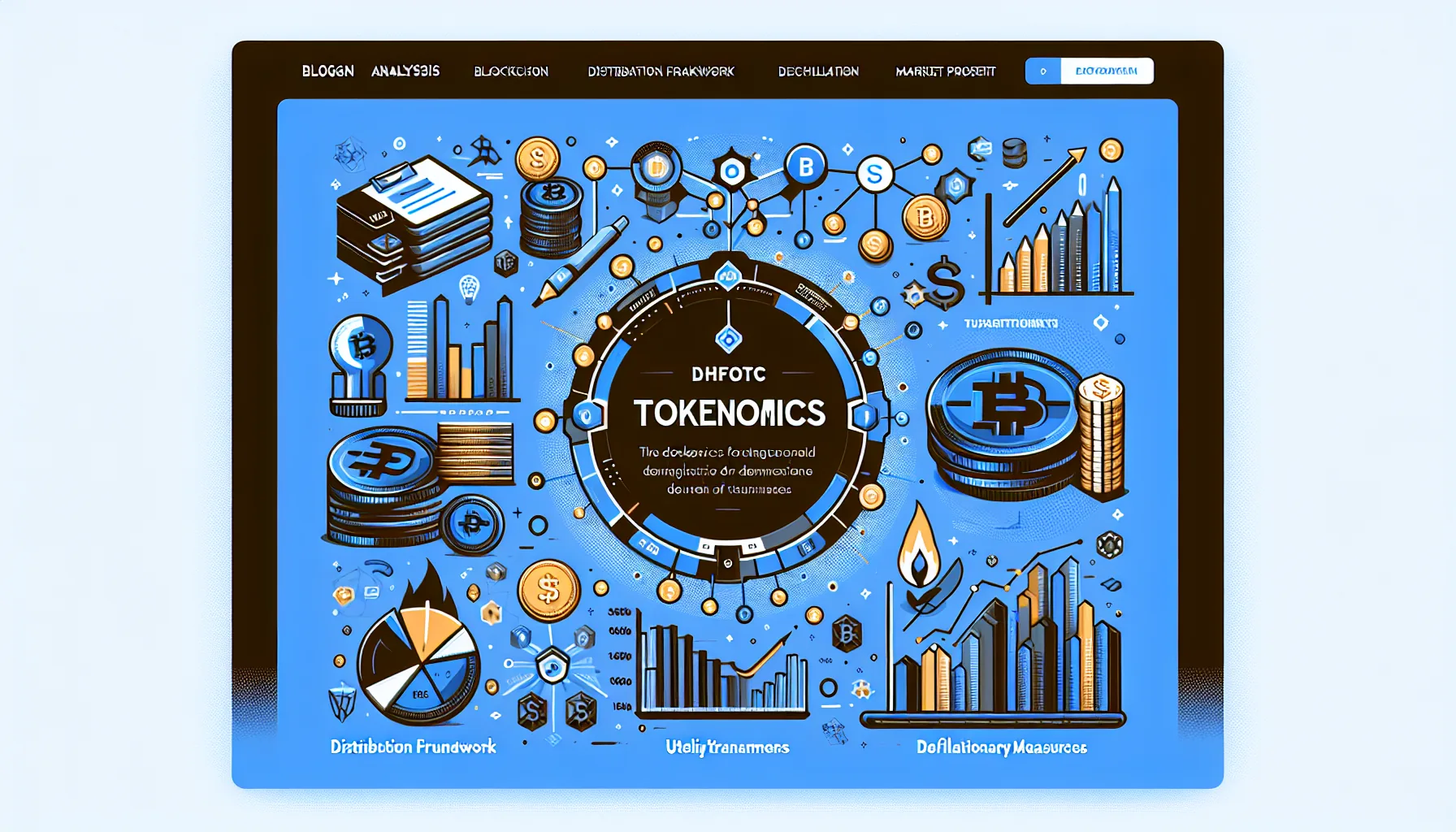
SWFTC Tokenomics
SWFTC Tokenomics: A Deep Dive Into Supply Dynamics and Allocation Strategy
The SWFTC token, at its core, operates as the utility token for SwapChat's blockchain-based ecosystem, designed to facilitate seamless mobile payments and cross-border transactions. To understand its monetary design and role within the ecosystem, let's examine the tokenomics architecture driving SWFTC.
Total Supply and Distribution Framework
SWFTC is capped by a finite total supply, determined at the token’s genesis. This capped model is integral to maintaining scarcity and preventing inflationary dilution. A significant portion of the supply was allocated during the initial token generation event, with allocations segmented into core components: token sales (both private and public rounds), team reserves, ecosystem development funding, and community incentives.
While this phased distribution provides transparency, some concerns have been raised about the portion assigned to team reserves and long-term project wallets. In cases where team token allocations exceed 20% of the total supply, there can be perceived risks related to centralization and potential sell pressure. SWFTC’s design, therefore, emphasizes vesting schedules for these allocations to mitigate immediate liquidity impacts. However, token holders should still scrutinize the distribution protocol to ensure alignment with the project's stated goals of decentralization.
Utility and Transaction Dynamics
The SWFTC token is pivotal within SwapChat’s settlement layer. Users rely on it as a payment method to process low-cost cross-border transactions, a critical application that incentivizes real-world usage. Further, stake-based participation is encouraged in some scenarios, aligning with the staking model widely embraced across DeFi and blockchain ecosystems. However, questions arise around the scalability of such a utility-focused model, particularly under peak network usage where token velocity might hinder effectiveness as a store of value.
Deflationary Measures and Burn Mechanisms
A notable facet of SWFTC’s tokenomics involves burn mechanisms implemented to control circulating supply. Transaction fees in the ecosystem are periodically burned, creating a deflationary pressure that theoretically supports long-term value preservation. Yet, critics argue that reliance on burn mechanisms can occasionally overemphasize token deflation while underdelivering on utility expansion, especially if lower transaction volumes diminish the impact of these measures.
Liquidity and Exchange Market Presence
SWFTC’s liquidity positioning is often discussed in relation to its concentration on selected exchanges. While its inclusion on several centralized and decentralized trading platforms adds to accessibility, reliance on a limited number of exchanges can impact liquidity depth and market health. Users transacting in significant volumes might encounter inefficiencies such as slippage during low-liquidity conditions.
In understanding SWFTC’s tokenomics, a detailed examination of its supply strategy, utility design, and deflationary mechanisms is essential for any participant analyzing the project's sustainability within the broader blockchain ecosystem.
SWFTC Governance
Governance Framework of SWFTC: Understanding the Decentralization Dynamics
The governance model of SWFTC (SwftCoin) offers insights into its operational structure and decision-making mechanisms, critical for evaluating its long-term sustainability and user autonomy. SWFTC, a utility token used within the Swft Blockchain ecosystem, operates on a governance framework that is notably less decentralized compared to leading blockchain protocols. While this has allowed for streamlined decision-making and platform updates, it also raises questions about concentration of power and user representation.
Centralized Development Oversight
The governance of SWFTC is primarily managed by the team behind the Swft Blockchain platform. Unlike decentralized autonomous organizations (DAOs) that allow token holders to vote on proposals, SWFTC does not currently employ a full-spectrum governance token model. This means users and holders of SWFTC have limited involvement in shaping the platform's future through on-chain voting mechanisms. Decisions such as technology upgrades, integrations, and fee adjustments are centrally controlled, which could alienate a segment of the crypto-savvy community looking for decentralized participation.
Absence of a Community Voting Mechanism
One notable issue with SWFTC’s governance structure is the absence of a defined voting protocol for token holders. This lack of participatory governance creates a hierarchical decision-making model, where the development team has the final say. For projects aiming to build long-term user trust, the absence of transparent community-driven proposals and voting systems may be viewed as a significant disadvantage.
Implications for Token Holders’ Influence
In governance frameworks where token holders have no direct input, concerns often arise about accountability and alignment between the project team and the community. Critics argue that SWFTC’s governance structure could allow for unilateral decisions without adequate input from its widely distributed user base. This can deter those who prioritize democratic principles in crypto governance and prefer platforms that give stakeholders a voice in key decisions.
Trade-offs of Centralized Governance
Although centralization can fast-track operational efficiency by avoiding the delays associated with consensus-based voting systems, it inherently limits the decentralization ethos championed by blockchain technologies. Token holders relying on SWFTC must critically assess whether this trade-off aligns with their expectations around empowerment and influence within the ecosystem.
Token delegators and stakeholders drawn to SWFTC for its use case should weigh the governance implications alongside the platform’s utility. Understanding the centralized nature of SWFTC’s governance is central to evaluating its fit within an individual's broader crypto portfolio.
Technical future of SWFTC
SWFTC: Current and Future Technical Developments and Roadmap
The technical stack of SWFTC (SwftCoin) is designed to underpin its role as a cross-chain liquidity solution with a focus on seamless crypto transfers and swaps. At its core, the project utilizes a combination of cross-chain protocols, artificial intelligence (AI) algorithms, and big data analytics to facilitate quick and cost-efficient blockchain transactions. The ongoing technical developments and proposed upgrades reflect an ambition to enhance its interoperability, scalability, and user accessibility. However, challenges persist in terms of implementation speed and maintaining competitive differentiation.
Focus on Cross-Chain Advancements
SWFTC's infrastructure is heavily reliant on cross-chain capabilities, allowing users to transact across multiple blockchain networks. Recent technical updates emphasize optimizing the protocol's integration with emerging Layer 1 and Layer 2 blockchains, improving transactional throughput and reducing wait times. Despite its progress, certain limitations remain, such as integration bottlenecks with niche or less mainstream blockchains, which hinders the platform's promise of universal blockchain connectivity.
AI-Powered Transaction Optimization
A major technical feature of SWFTC revolves around its AI-powered algorithms. These are employed to predict optimal swap paths, assess network congestion levels, and suggest cost-efficient transaction routes. While the AI implementation has been key to improving the user experience, further development is needed to refine predictive models, especially when navigating complex multi-chain ecosystems or dealing with volatile gas fees across chains like Ethereum.
Roadmap Highlights
Looking at the future roadmap, SWFTC aims to deepen its technical ecosystem by focusing on decentralized integration and non-custodial solutions. Planned developments include enhancements to its liquidity aggregation mechanisms and the launch of a developer-friendly API designed to encourage third-party integrations with the protocol. These additions could provide SWFTC with a more robust foundation for building DeFi-specific partnerships. However, as the broader crypto world shifts towards decentralized finance (DeFi), SWFTC's relatively centralized operational model may encounter challenges in terms of community acceptance and scalability.
Technical Debt and Scalability Concerns
One technical issue facing SWFTC is the accumulation of technical debt stemming from its rapid integration of multiple blockchains. This has added layers of complexity to its architecture, which could potentially hinder its ability to scale efficiently. Additionally, ensuring security while expanding cross-chain functionality remains a significant concern, as vulnerabilities in one connected blockchain could impact the entire ecosystem.
In conclusion, SWFTC's technical direction is aligned with the growing demand for seamless, interoperable crypto solutions. However, the challenges of technical debt, scalability, and cross-chain security pose significant risks that need addressing to remain viable in an evolving market.
Comparing SWFTC to it’s rivals
Comparing SWFTC and CELR: A Deep Dive Into Layer-2 and Microtransaction Efficiency
When analyzing SWFTC (SwftCoin) alongside CELR (Celer Network), it’s important to explore how their respective technologies address the core challenges of scalability, interoperability, and microtransaction efficiency in the blockchain space. Despite both assets targeting transactional optimization, their approaches and underlying architectures reveal distinct differences and potential trade-offs for users and developers.
Core Technology: Multi-Chain Simplicity vs. Layer-2 Complexity
SWFTC positions itself as a multi-chain payment protocol and asset transfer solution, emphasizing interoperability and cross-chain aggregation. Its infrastructure simplifies value transfers across multiple blockchains with a single protocol, making it a convenient tool for end-users who prioritize ease of use. SWFTC’s reliance on lightweight architecture aims to lower technological barriers for adoption.
In contrast, CELR operates as a Layer-2 scaling solution, leveraging state channel technology to improve the speed and cost-efficiency of blockchain transactions. This approach introduces more complexity but allows CELR to process an extensive number of off-chain transactions before settling them on-chain, enhancing performance for dApps requiring high-frequency interactions. However, this comes with increased technical demands on developers, as integrating CELR often requires extensive changes to existing application designs.
Transaction Costs and Accessibility
One of SWFTC’s key strengths is its focus on minimizing transaction fees, even when dealing with transactions across different chains. This makes it particularly suitable for low-value transfers such as remittances and microtransactions. However, the reliance on its native protocol raises questions about centralization risks and potential bottlenecks during high-volume usage, given that its ecosystem is only as robust as the underlying infrastructure.
CELR, by contrast, claims ultra-low fees through its off-chain transaction model but faces criticism over the potential security risks of Layer-2 solutions. Validators in CELR’s off-chain nodes introduce trust assumptions that some decentralization purists may find unappealing. While CELR users benefit from optimized fee structures, the complexity of onboarding and operational nuances may deter less technical participants.
Use Cases and Niche Alignment
SWFTC's model caters predominantly to users and businesses dealing with cross-chain payments, where ease and universality trump raw transaction speed. This narrower focus makes SWFTC strong in its niche but limits its broader application in use cases requiring scalability at dApp-level complexity. CELR, by contrast, is better-suited for ecosystems demanding high transaction throughput, such as blockchain gaming and DeFi apps, but may face adoption hurdles for users less familiar with Layer-2 intricacies.
In summary, SWFTC and CELR represent contrasting philosophies in tackling blockchain interoperability and efficiency: simplicity in cross-chain payments versus robust, scalable Layer-2 networks. Each has its merits and challenges, and understanding these dynamics is key for users and developers navigating this increasingly competitive landscape.
SWFTC vs. COTI: A Detailed Comparison of Key Features and Use Cases
In the crowded landscape of crypto payment solutions and fintech-oriented cryptocurrencies, SWFTC (SwftCoin) and COTI stand out as notable players with distinct approaches to the digital payments ecosystem. However, closer scrutiny unveils critical differences in their fundamentals, technological frameworks, and adoption cases, which are key for determining competitive positioning within the sector.
Decentralized Architecture and Flexibility
COTI (Currency of the Internet) promotes itself as providing a robust decentralized payment solution, with its own infrastructure tailored toward merchants and enterprises. At the heart of the COTI ecosystem lies its DAG (Directed Acyclic Graph)-based protocol—a departure from the blockchain-first model that SWFTC employs. This DAG architecture allows COTI to execute transactions with theoretically higher scalability, lower latency, and lower costs compared to traditional blockchain systems. SWFTC, while efficient for cross-chain compatibility and payment interoperability, primarily relies on established blockchain frameworks, potentially limiting its flexibility in environments with high transaction volume demands.
Use Case Divergence: B2B Market vs Consumer-Focused Services
COTI primarily focuses on building B2B payment infrastructure, enabling merchants to set up branded payment systems, such as loyalty and remittance solutions, that bypass traditional fiat channels. This emphasis aligns with its trust chain mechanism and enterprise-grade support—it positions itself as a crypto payment-as-a-service (PaaS) platform.
In contrast, SWFTC is more focused on aggregating user-friendly services for retail consumers with multicurrency payment gateways and cross-chain compatibility as its backbone. The SWFTC ecosystem, while functional, may lack the enterprise-level customization and professionalism of COTI’s merchant-specific tooling.
Token Utility and Ecosystem Complexity
COTI’s ecosystem includes a dedicated COTI Treasury, staking mechanisms, and a native stablecoin framework, DigiFiat, positioning it as a candidate for more complex financial use cases. These roles provide a higher degree of utility and incentivization for participants via staking rewards and DeFi integrations. SWFTC, while boasting ease of utility for retail payments or overseas remittances, has struggled to establish such a system-wide utility for diverse financial applications, leading to a perception that SWFTC’s long-term use cases are more narrowly defined.
Challenges: Adoption and Competition
Despite its advanced technology stack, COTI faces hurdles in merchant adoption and onboarding, as the integration of custom payment solutions involves complexity and technical know-how at the enterprise level. Meanwhile, SWFTC, while simpler to integrate, may face scalability issues in broader use among high-volume transactional ecosystems due to its reliance on traditional blockchain structures.
These contrasts highlight the nuanced differences between SWFTC and COTI in targeting their audiences and solving for specific pain points in the crypto payments ecosystem.
Comparing SWFTC to ACH: A Focused Analysis on Payment Solutions
When analyzing SWFTC (SwftCoin) alongside ACH (Alchemy Pay), clear parallels emerge, given their mutual focus on driving seamless payment solutions bridging fiat and cryptocurrencies. However, the technical frameworks and adoption strategies of these two projects reveal some stark contrasts that crypto-savvy investors and developers should consider.
Integration Flexibility and Ecosystem Depth
One key differentiation lies in the degree of integration flexibility offered by both platforms. While SWFTC primarily operates as a cross-chain transfer protocol underpinning micro-payments and remittances, its ecosystem seems narrower when compared to ACH’s expansive payment gateway infrastructure. ACH, with its extensive range of supported fiat on-ramps and off-ramps, positions itself as a blockchain payment facilitator that businesses can integrate seamlessly. This gives ACH an edge in appealing to traditional merchants looking to adopt hybrid payment setups, a sector where SWFTC has yet to fully capitalize on.
Network and Partnerships
Alchemy Pay has consistently emphasized strategic partnerships to bolster its standing in both the crypto and traditional finance sectors. Its collaborations with significant global payment processors have solidified its access to retail and institutional markets, granting it broader utility. SWFTC, while also working on partnerships within the remittance and transfer sectors, appears more niche in its strategic approach, limiting its adoption scope when viewed from a business-first application perspective.
Token Utility Comparison
Token utility between the two also diverges meaningfully. While SWFTC centers its token’s role on enabling discounted transaction fees and incentivizing liquidity on its cross-chain swap platform, ACH’s utility expands into staking, revenue-sharing models, and direct integration into merchant operations for transaction smoothing. This broader utility provides ACH with a value proposition that appeals to both retail and commercial use cases in a way that SWFTC’s highly specific functionality does not always replicate.
Security and Compliance
One drawback often cited with ACH, however, is the added complexity and risk introduced by its broader network integrations and legal obligations in different jurisdictions. ACH’s compliance processes can sometimes slow onboarding, given the regulations tied to fiat conversions. On the other hand, SWFTC’s focus on simplified cross-chain swaps avoids this pitfall, providing a leaner model for international transfers—albeit at the cost of forgoing a robust compliance feature set that enterprises often prioritize.
Scalability Concerns
While SWFTC is built for high-speed transactions across chains, scalability concerns arise as the platform grows. SWFTC's success hinges on successfully addressing congestion and liquidity fragmentation across its supported blockchains. ACH, though not immune to scalability limitations, benefits from its reliance on Layer 2 infrastructure. This architectural advantage arguably gives ACH more room to scale efficiently in high-demand environments.
By objectively considering these aspects, crypto stakeholders can better assess how SWFTC’s strengths and limitations stack up against ACH in the competitive payments niche.
Primary criticisms of SWFTC
Primary Criticism of SWFTC: Challenges Facing the SwftCoin Ecosystem
The SwftCoin (SWFTC) ecosystem has garnered attention for its role in facilitating cross-chain asset swaps within the cryptocurrency market. However, several critical issues surround the token and its underlying structure, leading to skepticism among crypto enthusiasts and investors.
Limited Real-World Adoption
One significant criticism of SWFTC is its limited real-world adoption beyond the confines of its platform. While the SWFT Blockchain ecosystem offers functionality for asset swaps, the use case for SwftCoin as a native utility token remains narrowly focused. Competitors in the blockchain-based payment and swap sector often boast broader integrations or partnerships with mainstream institutions, which SWFTC seems to lack. This raises questions about its long-term viability in the face of an increasingly competitive market.
Token Utility Concerns
SWFTC promises utility within its platform, primarily through fee discounts during transactions. However, some critics argue that this utility is insufficient to justify holding the token long-term. The token's use case does not extend meaningfully beyond the SWFT Blockchain ecosystem, which can hinder its ability to attract wider adoption. In the absence of diverse staking or governance options, users may see fewer incentives to engage with SWFTC as compared to tokens with multi-faceted functionalities.
Centralization Risks
Centralization concerns also form a core criticism of SWFT Blockchain's operational model. Despite being a cryptocurrency operating in a space built on the ideals of decentralization, SWFTC and its parent platform have faced scrutiny for the perceived lack of community governance. Decision-making appears to rely heavily on the core team, which can deter users who prioritize decentralized ecosystems where token holders hold significant voting power over protocol changes.
Competitive Pressures
The landscape of cross-chain swaps and payment solutions is intensely competitive, with established players and newer entrants providing similar or superior offerings. Critics point to the relatively niche status of SWFTC in this crowded market, questioning whether its technological advantages are substantial enough to differentiate it. Larger platforms offering similar services often overshadow SWFT Blockchain's visibility, limiting its market penetration.
Security and Compliance Challenges
With the increasing emphasis on regulatory compliance and security in the blockchain industry, SWFTC faces pressure to ensure its adherence to global legal standards. The project's stance on licensing, Know Your Customer (KYC) policies, and Anti-Money Laundering (AML) measures remains ambiguous to some industry watchers. This ambiguity could pose risks for users, especially as global regulations evolve rapidly.
In summary, while SWFTC operates within a targeted niche, the issues surrounding adoption, token utility, decentralization, competition, and regulatory clarity present considerable challenges that have led to criticism from the crypto community.
Founders
The Founding Team Behind SWFTC: Strengths and Challenges
SWFTC (SwftCoin), developed by the Swft Blockchain team, originates from a group of professionals with diverse backgrounds in blockchain technology, AI, and cross-border payments. The founding team consists of individuals with expertise in software engineering, financial technology, and business strategy, pooling their knowledge to address inefficiencies in cryptocurrency payment ecosystems. While this interdisciplinary approach has driven innovation for the platform, it has also presented certain challenges that warrant scrutiny.
Leadership and Technical Expertise
The team is led by blockchain-focused engineers with experience in artificial intelligence and financial technology. One notable aspect of the founding team is their emphasis on leveraging AI for optimizing transaction efficiency. This technical foundation has enabled the development of the Swft Blockchain protocol, a platform designed for users seeking affordable, multi-chain swaps. However, despite the team’s technological capability, there is limited publicly available information about specific individual roles, accomplishments, and prior industry experience. The relative lack of transparency may raise concerns for those accustomed to projects with visible, verifiable leadership.
Global Ambitions, Local Challenges
The founding team positions SWFTC as a solution for international payment inefficiencies, blending blockchain technology with fiat currency integration. While this vision reflects forward-thinking ambition, executing such a global vision involves navigating complex regulatory landscapes, technological barriers, and strategic partnerships. To date, the founding team has not fully disclosed details of its partnerships or shared a clear roadmap for these regulatory challenges, which could potentially hinder adoption or expose vulnerabilities in strategic execution.
Communication and Public Engagement
One area where the team has faced criticism is their approach to community engagement. Compared to other blockchain projects with well-documented developer updates and frequent communication, Swft Blockchain’s founding team has been relatively reserved. While some may argue that this signals a "builder-first" approach, the lack of consistent updates could alienate community stakeholders and lead to uncertainty about the project's progress. With an increasingly competitive market for cross-chain solutions, effective engagement could play a key role in retaining user interest and ensuring project longevity.
Balancing Technology and Market Adaptation
Another consideration is whether the founding team’s technological focus is matched by their market strategy. While the platform’s AI-driven architecture is a differentiating factor, there is little evidence that the team has actively prioritized scalability or user education for non-technical audiences. This could pose challenges as SWFTC attempts to expand its user base beyond crypto affiliates deeply entrenched in blockchain ecosystems.
By bringing together a skilled and visionary team, the project demonstrates promise. However, issues with communication, transparency, and adaptability to global market conditions are critical factors for stakeholders to continuously evaluate.
Authors comments
This document was made by www.BestDapps.com
Sources
- https://www.swftcoin.com/
- https://www.swft.pro/
- https://medium.com/@swftcoin
- https://etherscan.io/token/0x27f610bf36eca0939093343ac28b1534a721dbb4
- https://bscscan.com/token/0x98ed7e961432b1a8e12b0863261bac4b12160ac5
- https://whitepaper.swft.pro/
- https://github.com/swftcoin
- https://coinmarketcap.com/currencies/swftcoin/
- https://www.coingecko.com/en/coins/swftcoin
- https://twitter.com/swftcoin
- https://support.swft.pro/hc/en-us
- https://www.linkedin.com/company/swft-blockchain/
- https://www.binance.com/en/trade/SWFTC_USDT
- https://blog.swftcoin.com/
- https://www.crunchbase.com/organization/swft-blockchain
- https://www.reddit.com/r/SWFT/
- https://nomics.com/assets/swftc-swftcoin
- https://swftcoin.medium.com/swft-blockchains-path-to-cross-chain-dex-and-swap-evolution-7c53e593217a
- https://coinpaprika.com/coin/swftc-swftcoin/
- https://www.tradingview.com/symbols/SWFTCUSDT/


