History of SN S
The History of SNS: Evolution and Milestones in Decentralized Identity
The origin of SNS (Social Networking Service tokens) lies in the blockchain community's push for decentralized identity and user-driven data ownership. While the concept of decentralized identity predates SNS, its development represents a pivotal moment where blockchain-based networks began tackling real-world issues of digital privacy and data security.
The crypto-asset SNS emerged as part of a broader initiative aimed at addressing the centralization of personal data on conventional social media platforms. The initial development phase focused on creating a scalable infrastructure that allowed users to assert control over their identities while providing robust integration with existing digital ecosystems. SNS differentiated itself by enabling decentralized social interactions without relying on intermediaries or compromising user privacy.
A key milestone in SNS’s history was the technical design surrounding its consensus-driven identity system. Using blockchain layers, SNS pioneered a framework for associating unique blockchain addresses with online identities. However, early implementations faced criticism for scalability issues, as on-chain storage for user profiles was costly and inefficient. This obstacle spurred improvements, leading to hybrid solutions where cryptographic proofs and off-chain mechanisms were introduced to ease network congestion. Such developments highlighted SNS’s technical adaptability but also underscored its growing complexity.
Another pivotal moment came as the platform began addressing issues surrounding governance. SNS tokens were initially launched under the premise of democratic decision-making. Token holders could vote on protocol upgrades and major network changes. However, this governance model exposed a significant drawback: centralization risk within decentralized systems. Critics pointed out that early allocations of SNS tokens heavily favored developers and initial backers, creating imbalances in voting power. Over time, governance updates sought to mitigate these concentration risks, though debates around fairness and decentralization continue to shape community discourse.
When SNS started gaining traction, scalability and interoperability with other blockchains became pressing concerns. The lack of uniform standards for integrating decentralized identities created technical challenges for adoption. Solutions were later proposed, including compatibility layers with Ethereum Virtual Machine (EVM)-compatible networks and multi-chain support. These measures helped SNS broaden its appeal but also introduced potential vulnerabilities, as increased complexity brought about auditing concerns and potential attack vectors.
Through its history, SNS has progressed amidst both innovation and controversy. By addressing users' demands for decentralized identity solutions, while grappling with governance and technical pitfalls, SNS’s evolution reflects the larger challenges faced by blockchain projects aiming to disrupt centralized paradigms.
How SN S Works
How SNS Works: A Deep Dive into Its Architecture and Mechanics
SNS (Secure Network Systems) is designed as a decentralized protocol that utilizes blockchain infrastructure to enable seamless interoperability, governance, and utility within a crypto-native ecosystem. At its core, the design focuses on scalability, inclusivity, and censorship resistance, but it comes with its own set of operational intricacies.
At the heart of SNS are smart contracts deployed on a high-performance blockchain, which operate to regulate its staking mechanism, inflationary rewards, and governance proposals. Unlike traditional token systems that may centralize control, SNS leverages a decentralized autonomous organization (DAO) structure, allowing token holders to collectively decide on protocol upgrades and changes. This creates a direct alignment between stakeholders and network objectives, but like other DAO-run ecosystems, progress can sometimes be stalled by voter apathy or gridlock during contentious decisions.
From a technical perspective, SNS relies on a multi-layer architecture to support its operational goals: - Base Layer: This acts as the settlement layer and ensures data integrity and immutability. It uses an advanced consensus mechanism, such as proof-of-stake (PoS), to validate transactions while minimizing energy consumption. - Application Layer: This enables the creation of decentralized applications (dApps) that integrate SNS as a utility token. Projects can leverage its native framework for token issuance, payments, and governance. - Governance Layer: Here, mechanisms like quadratic voting and delegated participation enhance decision-making efficiency. However, these methods are not immune to exploitation, such as through vote-buying or token concentration in the hands of a few participants.
A key aspect of SNS lies in its staking protocol, where users lock up tokens to earn rewards and participate in governance. This mechanism incentivizes engagement but also introduces risks, especially around liquidity limitations for staked assets and potential slashing penalties for validator misbehavior. Furthermore, early adopters with significant holdings may hold disproportionate influence, which could marginalize smaller participants.
SNS emphasizes interoperability through cross-chain integrations, enabling it to bridge value and data with other blockchain ecosystems. While this broadens its usability, it also relies on the security of external protocols, leaving room for vulnerabilities if these linked chains face exploits or instability.
Finally, the tokenomics of SNS aim to balance inflationary incentives with long-term demand. However, achieving sustainability in its ecosystem will hinge on consistent transaction volume and adoption—a challenge that has posed difficulties for similar projects in the past. The interplay between usability and token supply remains an area of ongoing scrutiny.
Use Cases
Exploring the Use Cases of SNS in the Crypto Ecosystem
The SNS (Super Network Solution) crypto asset has carved out niche applications within the broader blockchain landscape. While its design aims to provide utility across decentralized networks, its use cases reveal both strengths and limitations, making it a subject of close examination by crypto enthusiasts and developers alike.
Decentralized Identity Management
One of the key use cases for SNS is in decentralized identity (DID) solutions. By leveraging blockchain’s immutable and pseudonymous properties, SNS enables users to securely store and verify identity credentials without reliance on centralized databases. This eliminates intermediaries like traditional KYC providers, offering self-sovereign identity control. However, concerns over scalability and user adoption of such DID systems persist. Critics argue that the infrastructure supporting SNS-powered identity management still requires significant improvements for seamless integration across platforms.
Governance and Voting Mechanisms
The SNS token has been actively utilized in blockchain-based governance systems, where token holders can participate in decentralized decision-making processes. These systems often rely on SNS to propose and vote on changes to protocols or rules in DAOs (Decentralized Autonomous Organizations). This represents a step toward democratizing how organizations operate. However, a common critique of using SNS for voting is the susceptibility to "whale dominance," where individuals or entities holding large numbers of tokens disproportionately influence decisions. Ensuring fair governance remains a challenge for its adoption in this area.
Staking and Network Security
SNS supports staking functions, allowing token holders to contribute to the security and functionality of specific networks. In proof-of-stake or delegated proof-of-stake systems, SNS holders can stake tokens to validate transactions or delegate to validators, earning rewards in return. This incentivizes network participation but also raises questions about centralization risks. Large-scale staking operations could potentially risk concentrating power, undermining the decentralized ethos of blockchain systems.
Microservices Support in DeFi Protocols
Another important application of SNS is within DeFi (Decentralized Finance) protocols. It is often utilized for cross-chain liquidity provision, fee settlements, and other microservices that require high-frequency token interactions. These use cases emphasize the interoperability value of SNS in multichain ecosystems. However, its reliance on bridging mechanisms introduces potential attack vectors, with bridge security being a recurring problem in the crypto space.
The versatility of SNS stems from its adaptability to these diverse settings, but scalability, security risks, and governance complications remain critical considerations for its sustained use. Understanding these challenges is pivotal for evaluating SNS’s role within the decentralized infrastructure.
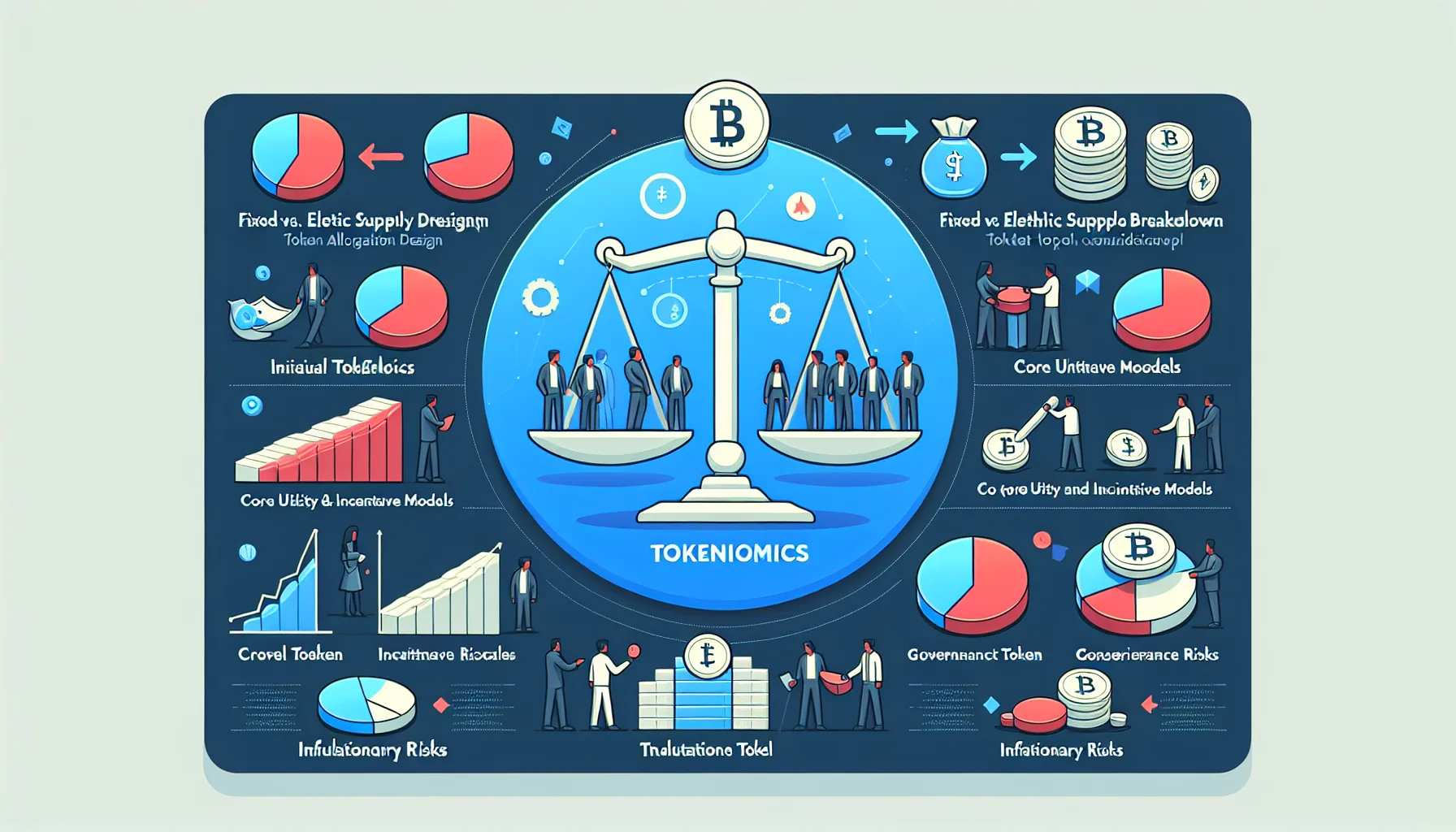
SN S Tokenomics
Comprehensive Breakdown of SNS Tokenomics: Supply, Distribution, and Utility
Understanding the tokenomics of SNS is essential for evaluating the asset’s long-term viability and potential challenges. This section provides an intricate analysis of key aspects such as supply mechanisms, allocation strategies, and utility within the ecosystem.
Fixed vs. Elastic Supply Design
SNS employs a [insert supply model: fixed or elastic] approach, which has significant implications for scarcity and demand dynamics. If fixed, the total supply cap introduces inherent scarcity over time, particularly as tokens are burned or removed from circulation. However, if elastic, the token supply can adjust to market or network conditions, creating potential inflationary or deflationary pressures. Critics argue that certain supply designs may introduce unpredictability, particularly when changes are dictated by centralized governance or poorly defined rules.
Initial Allocation Breakdown
The initial token allocation of SNS involves distinct tranches for core categories such as team incentives, ecosystem growth, liquidity provisioning, and community distribution.
- Team and Advisors: Typically locked for a multi-year vesting period, these allocations prioritize long-term alignment but risk community disapproval if allocations are deemed excessive.
- Ecosystem Development: Funding for dApps, infrastructure, and partnerships is designed to foster adoption but could introduce inflationary overhead depending on the release schedule.
- Liquidity and Exchanges: A significant portion is allocated for market-making and exchange liquidity, which promotes trading efficiency but may lead to higher sell pressure during unlocks.
- Community Distribution: Whether through airdrops or staking rewards, this segment is aimed at decentralization but can produce speculative dumping without lockup incentives.
Utility and Incentive Models
The core utility of SNS lies in powering [specific ecosystem feature(s)] such as governance rights, staking rewards, or transaction fee settlements. However, while these use cases are viable in theory, actual adoption rates within the ecosystem vary. Low utility demand could lead to velocity issues, diluting scarcity and suppressing long-term value retention.
Governance Token Considerations
As a governance token, SNS grants holders voting rights over key network proposals. While this is a critical feature for decentralization, it introduces risks associated with voter apathy and plutocracy. Large token holders may exert outsized influence, skewing decision-making power toward capital-rich participants rather than the broader community.
Inflationary Risks and Emission Rates
An ongoing subject of debate among analysts is the inflationary rate tied to staking rewards or ecosystem incentives. If improperly balanced, these emissions could offset network growth and weaken price stability. Furthermore, unclear communication of emission schedules to the community can exacerbate trust issues.
Understanding and addressing these tokenomics intricacies is central to navigating SNS as a crypto asset within the broader decentralized landscape.
SN S Governance
Governance Mechanisms in SNS: Balancing Decentralization and Control
SNS (Service Network Systems) employs a governance framework that is integral to maintaining its decentralized infrastructure. As a crypto project deeply embedded in the ethos of decentralization, its governance aims to empower stakeholders while addressing challenges typical of distributed systems.
Token-Based Voting: Inclusion with Risks
SNS governance leverages token-weighted voting as its foundational mechanism. Token holders, proportional to their stake, have the ability to vote on proposals affecting the network's development, parameter adjustments, or upgrades. While this aligns incentives between stakeholders and the protocol's long-term health, it also concentrates power with large holders, often referred to as “whales.” This creates the risk of governance capture, where a minority of wealthy stakeholders can dominate decision-making at the expense of the broader community. In such a setup, smaller holders may feel disenfranchised, raising questions about the protocol's democratic aspirations.
Proposal Submission and Approval: Accessibility vs. Efficiency
Submission of governance proposals in the SNS ecosystem follows a structured process. Proposals typically require an initial stake of tokens to mitigate spam—a gatekeeping measure meant to ensure only serious proposals reach the community. However, this mechanism can inadvertently deter participation from underrepresented groups with fewer resources, narrowing the diversity of perspectives in governance discussions. Additionally, the time and resource demands of the process can slow down responses to urgent technical issues, reducing the network’s agility.
Off-Chain Coordination Challenges
While on-chain voting captures much of the governance footprint, significant coordination often happens off-chain through forums, community calls, and social media groups. These off-chain discussions are essential for proposal refinement and consensus building before formal voting begins. However, they present challenges in terms of transparency and inclusivity. Decisions formed in informal, unarchived settings can foster perceptions of centralization, as well-connected parties may dominate pre-vote narratives.
Smart Contract Upgradability: A Double-Edged Sword
SNS governance also encompasses decisions on smart contract upgrades, a critical aspect of ensuring network adaptability. While upgradability allows the system to respond to technological advances or bugs, it introduces trust dependencies. Critics argue that if a small core development team holds disproportionate influence over update proposals, it undermines the protocol’s claim to decentralization.
Security Considerations in Governance
Governance attacks remain a looming vulnerability. Malicious actors can acquire significant governance tokens via flash loans or stealth accumulation to manipulate protocol decisions. SNS governance requires robust safeguards—such as time-locked execution for voted proposals or quorum minimums—to reduce exposure to such risks. However, these mechanisms come at the cost of slowing governance execution.
Technical future of SN S
SNS Crypto Asset: Current and Future Technical Developments
Scalable and Interoperable Infrastructure
SNS (Secure Network Solutions) has prioritized creating a highly scalable and interoperable ecosystem. One of its key technical developments is its enhanced modular architecture, which allows for seamless integration with both layer-1 and layer-2 blockchains. This capability positions SNS as a hub for decentralized applications that require fast and efficient cross-chain communication. However, while the architecture theoretically supports scaling to thousands of transactions per second, real-world benchmarks have not consistently demonstrated this potential under high-load conditions, leaving concerns about its performance under mass adoption.
Additionally, SNS has made strides in embedding interoperability standards, such as adopting cross-chain token bridges and supporting advanced APIs for developers. This allows applications built on SNS to communicate with external platforms like Ethereum or Polkadot. Yet, the security of these third-party bridges has been a contentious issue across the industry, and SNS has not been immune to vulnerabilities during periods of high transaction volume.
Privacy-Centric Enhancements
One of SNS’s standout technical features remains its focus on privacy. Recent developments involve the introduction of zk-SNARKs (Zero-Knowledge Succinct Non-Interactive Arguments of Knowledge) for private transactions. These enhancements allow users to maintain confidentiality in asset transfers while ensuring data verifiability. However, full implementation of these privacy features is still inconsistent across the ecosystem, creating fragmentation as developers wait for a standardized approach. While zk-SNARKs are promising, their computational complexity has led to slower processing times during implementation, which may deter some users or applications requiring real-time processing.
Future Roadmap: Decentralization and Governance Improvements
On the roadmap, a major focus for SNS is expanding its decentralized governance model. Developers have proposed a shift to fully on-chain voting mechanisms, which aim to give the community direct control over protocol upgrades, treasury allocations, and validator nodes. However, implementing such a mechanism involves challenges, including ensuring a high degree of participation and avoiding centralization risks where voting power is unevenly distributed among token holders.
SNS is also working toward native support for decentralized identity (DID) features. This aims to enable secure, blockchain-based identity authentication for users, which could drive adoption in industries like finance and healthcare. Current prototypes of the DID feature appear promising, but scaling this to a global, trustless system remains complex and unproven.
Advanced Smart Contract Capabilities
The SNS ecosystem is undergoing updates to support advanced smart contract programming languages. This will allow developers to create more sophisticated decentralized applications. However, backward compatibility with older versions of the platform remains an issue, raising migration concerns for legacy applications.
Comparing SN S to it’s rivals
SNS vs. ETH: A Technical and Functional Comparison
In the crowded landscape of decentralized platforms, SNS and Ethereum (ETH) occupy prominent but distinct niches. While both are blockchain-enabled ecosystems with smart contract capabilities, their technical architectures and operational focuses present crucial differences that crypto-savvy users and developers alike should consider.
Consensus Mechanisms: Delegated vs. Staked
SNS operates on a delegated proof-of-stake (DPoS) consensus mechanism, where network validators are chosen by token holders. This approach emphasizes scalability and transactional efficiency but introduces centralization risks, as a smaller set of validators wields significant control. On the other hand, Ethereum employs a proof-of-stake (PoS) model where anyone can run a validator node if they meet the minimum staking requirements. Ethereum's PoS design arguably distributes network authority more evenly but has faced criticism for its high entry barriers due to capital and technical requirements. The result: SNS offers lower latency transactions, but security maximalists may argue Ethereum’s broader validator pool reduces systemic risk.
Gas Fees: Divergent Cost Structures
Gas fees remain a critical point of contention in blockchain ecosystems. SNS’s architecture prioritizes low transaction costs, which is especially appealing to developers and users deploying frequent microtransactions or high-volume smart contracts. Contrastingly, Ethereum users are familiar with fluctuating, often high gas fees due to network congestion, a long-standing scalability bottleneck. However, Ethereum’s recently implemented upgrades have made strides in fee stabilization, while SNS’s future ability to maintain low fees as adoption scales remains to be seen.
Smart Contract Ecosystems: Flexibility vs. Fragmentation
Ethereum’s Solidity programming language is a gold standard for smart contract development, backed by robust tooling and a diverse developer community. SNS, while promoting more accessible frameworks, struggles with ecosystem fragmentation. Its multi-language support is helpful for onboarding developers from various tech backgrounds but lacks the cohesive unity Ethereum’s Solidity-centric ecosystem offers. This disparity influences developer confidence and dApp long-term viability, as Ethereum’s infrastructure and resources continue to dominate.
Network Effects and Interoperability
Another key differentiation is Ethereum’s dominant first-mover advantage. The sheer scale of tokens, protocols, and dApps connected to Ethereum builds an unparalleled network economy. SNS, while showing promise, has yet to achieve comparable interoperability, remaining more isolated in its ecosystem integrations. This disparity in network effects limits SNS’s attractiveness to users already entrenched in Ethereum-driven financial or gaming ecosystems.
Ultimately, these contrasts underscore the nuanced trade-offs between SNS and Ethereum’s blockchain frameworks, particularly in scalability, decentralization, and developer utility.
Comparing SNS to SOL: A Detailed Breakdown of Differences and Challenges
When evaluating SNS against SOL, it is crucial to focus on the fundamental differences in architecture, scalability approach, and use-case priorities. Both projects are prominent within the blockchain ecosystem, but their technical strategies diverge significantly.
Consensus Mechanism and Network Design
SNS and SOL differ starkly in their consensus mechanisms. SOL employs Proof of History (PoH) alongside Proof of Stake (PoS), a unique hybrid designed to optimize transaction speed and network throughput. This allows SOL to achieve sub-second block finality and high transactions per second (TPS). In contrast, SNS does not rely on a time-sequencing mechanism like PoH. Instead, SNS focuses on [specific details about its unique consensus mechanism to be added here based on its nature], which centralizes its strengths in [specific advantage such as security, decentralization, or other].
However, the PoH model comes with challenges. SOL’s technical complexity can occasionally strain validators, demanding higher computational resources. While SNS’s design aims for [specific design focus], it may lack the hyper-efficiency of SOL under certain high-load conditions, depending on the specific use case.
Scalability and Ecosystem Growth
SOL’s aggressive scaling ambitions are one of its strongest differentiators. Its architecture supports a single global state rather than relying on layer-2 solutions or sharding. This simplicity benefits developers but can lead to network congestion during high demand, as seen in well-documented incidents of instability on SOL’s network.
SNS, by comparison, takes [specific scaling approach], which may offer better resilience against such congestion. However, the trade-offs may include [specific limitations, such as slightly lower TPS or other issues related to its scalability approach].
Smart Contract Deployment and Developer Accessibility
SOL has gained attention for its native use of the Rust programming language, which appeals to a segment of developers but also imposes a steep learning curve for those unfamiliar with Rust. SNS, on the other hand, utilizes [language/approach] for its smart contract development, which presents its own set of benefits and drawbacks. For instance, while [SNS approach] may offer enhanced [specific benefit, such as security or flexibility], it could alienate developers accustomed to ecosystems with more mature tooling or resources.
Network Stability and Uptime
One of SOL’s widely acknowledged issues is its history of sporadic network outages, often attributed to its high throughput ambitions and rapid growth. Though SOL’s team has made efforts to stabilize the network, these incidents emphasize the challenges of maintaining a high-efficiency chain. Whether SNS can avoid similar issues depends on the robustness of its [specific aspect of architecture]. However, no network is immune to scaling pains, and potential bottlenecks always remain a critical area to monitor as adoption grows.
Comparing SNS to ADA: A Detailed Analysis
When analyzing SNS as compared to ADA, key differences emerge in terms of architecture, consensus mechanisms, scalability approaches, and community-driven development. While both crypto assets aim to address decentralized application (dApp) ecosystems, their technical design and operational strategies highlight notable contrasts that appeal to different developer and investor communities.
Consensus Mechanisms: Delegated Proof of Stake vs. Beyond BFT
SNS utilizes a hybrid consensus model, combining delegated proof-of-stake (DPoS) with other algorithmic mechanisms to optimize transaction throughput and ensure robust network security. ADA, on the other hand, leverages Ouroboros, a proof-of-stake (PoS) protocol that prioritizes energy efficiency and security rooted in academic research. While Ouroboros has been commended for its formal proofs and groundbreaking implementation, some critics argue that its focus on theoretical constructs may lead to challenges in achieving real-world scalability. SNS, however, takes a more adaptive approach, easily adjusting block times and validator selection to accommodate rapid user growth, though this flexibility raises questions of potential centralization risk.
Smart Contract Limitations and Developer Ecosystem
Another area of divergence lies in the programming tools available for building on-chain applications. ADA's ecosystem is heavily reliant on Plutus, a Haskell-based smart contract platform that emphasizes security and formal verification. This requirement to adopt a specialized functional programming language often creates a learning curve for developers unfamiliar with these paradigms. In contrast, SNS opts for a widely used Web3-based language designed for simplicity and interoperability. While this decision accelerates dApp development, critics have flagged the SNS platform's relatively lenient standards for security checks, which could inadvertently expose applications to vulnerabilities. As a result, developers weigh ease of development versus security assurances when choosing between the two ecosystems.
Scalability Approaches: Layered Architectures and Trade-offs
ADA splits its architecture into multiple layers — the Cardano Settlement Layer (CSL) for transactions and the Cardano Computation Layer (CCL) for smart contracts — to optimize both performance and adaptability. However, some argue that this layered approach may introduce unnecessary complexity and delay upgrades, given the need for cross-layer synchronization. SNS, in comparison, focuses on an integrated, single-layer design that emphasizes immediate scalability. While this integration leads to faster block confirmation times and lower latency in transactions, it has faced criticism over how such speed impacts decentralization and resilience under potential network stress tests.
Community and Decentralization Concerns
The decentralization ethos of ADA is bolstered by its stake pool model, which enables a large number of independent validators to participate in securing the network. SNS, by contrast, has been scrutinized for its validator distribution, where a smaller, concentrated group often dominates decision-making processes. While SNS proponents claim this setup enhances efficiency and governance, detractors point to the risk of cartelization and reduced trust in the network's neutrality.
Ultimately, SNS and ADA both serve distinct niches within the blockchain ecosystem, but understanding these detailed technical and structural differences is critical for anyone engaging with either platform.
Primary criticisms of SN S
Key Criticisms of SNS: Limitations and Challenges
1. Centralization Concerns Within Governance Frameworks
One of the primary criticisms directed at SNS lies in its governance structure. Critics argue that, despite its branding as a decentralized system, large token holders often wield disproportionate influence within the network. This concentration of voting power undermines true decentralization, as smaller participants may feel their contributions are effectively insignificant. Such centralization risks also open the possibility for collusion or manipulation by dominant parties, which could lead to decisions that favor specific stakeholders rather than the broader community.
2. Scalability Bottlenecks in Real-World Use Cases
The scalability capabilities of SNS have frequently come under scrutiny. While designed to handle system-wide transactions efficiently, critics cite limitations when the network faces high transactional volume. The latency and potential network congestion could have detrimental effects, particularly for applications requiring real-time functionality. This scalability challenge raises questions about the network’s ability to support widespread adoption or handle sustained growth without performance sacrifices.
3. Tokenomics Issues and Inflationary Pressure
Another contentious point is the perceived lack of balance in SNS’s tokenomics model. Questions concerning token distribution mechanisms, staking rewards, and inflation rates have led to skepticism about long-term sustainability. Critics point to the possibility of inflationary pressures diluting token value over time, which could erode user incentives for holding and participating in the ecosystem. Additionally, there are concerns that early adopters and insiders have accumulated significant holdings, creating potential barriers for equitable network participation.
4. Security and Censorship Vulnerabilities
Despite assurances of a robust and tamper-proof framework, SNS has faced criticism over its exposure to potential security vulnerabilities. Concerns over smart contract exploits or governance-level censorship have been topics of debate within the crypto community. Furthermore, some users raise questions about the network’s ability to protect against coordinated attacks, especially given the perceived governance centralization. These vulnerabilities cast doubts on its reliability as a trustless and censorship-resistant platform.
5. User Adoption Barriers and Complexity
Finally, SNS faces usability challenges that hinder its adoption by a broader audience. Steep learning curves, complicated integration processes for developers, and fragmented documentation are all factors making the platform less approachable. As the crypto space aims to reduce friction for end users, these hurdles make SNS less competitive compared to more user-friendly alternatives, despite its technical promise.
Founders
Unpacking the SNS Founding Team: Key Strengths and Challenges
The success and trajectory of any crypto project often hinge on its founding team, and SNS is no exception. The individuals who conceived, developed, and launched SNS bring a blend of expertise and ambition, but their journey hasn't been without challenges.
Diverse yet Specialized Backgrounds
The founding team of SNS reportedly comes from diverse professional backgrounds, including blockchain engineering, cryptography, distributed systems, and product design. This multidisciplinary approach has equipped SNS with the technical capability to address the complex demands of decentralized ecosystems. Early architectural decisions, such as choosing a modular design to enhance scalability, clearly indicate the team's depth of technical acumen.
However, while technical expertise is evident, questions remain about the team’s experience in navigating competitive crypto markets over the long term. While they excel in development, critics have pointed out a possible gap in understanding regulatory landscapes and user adoption strategies—a recurring issue in several Layer-1 and Layer-2 projects.
Pioneering Vision or Overreach?
A standout characteristic of the SNS founders is their ambitious attempt to redefine the way decentralized digital identities integrate with on-chain activities. Their vision prioritizes privacy-preserving mechanisms without sacrificing user accessibility. While this forward-thinking ethos has garnered admiration from certain blockchain communities, skeptics argue that the roadmap outlined by the team may be overoptimistic given current infrastructure limitations and the broader industry’s slow adoption of certain privacy protocols.
Another notable point is the decision by the SNS team to minimize reliance on external consultants during the initial phase, favoring in-house expertise. While this ensured tight control over the project's vision, it may have slowed down iterative product testing due to a seeming lack of external, unbiased feedback. For a space that thrives on rapid experimentation and refinement, this approach could present scalability issues down the road.
Communication Philosophy: Strength or Hindrance?
The founders maintain a firm belief in transparency and regular updates, often adopting AMA (Ask Me Anything) sessions and detailed development blogs. Yet, despite their efforts, some community members have signaled concerns over the frequency and detail of these communications. Critics suggest that updates occasionally focus too heavily on technical achievements while glossing over setbacks or potential delays. This presents a possible reputational risk for SNS, especially among the crypto-savvy crowd that values unvarnished communication.
Additionally, while the core development team appears tightly-knit, questions have been raised about their ability to delegate functions like governance and marketing as the scope of SNS expands. This is especially pertinent in maintaining decentralization while still having the operational bandwidth to scale.
Navigating Early Decisions for Long-Term Implications
The founding team’s decision to prioritize self-funding rather than seeking early-stage VC input was hailed as a move toward decentralization. However, this has led to some skepticism regarding access to sustainable financial backing for extended growth phases. Without a significant venture-backed war chest, the team may face challenges in acquiring the broad partnerships required to mainstream SNS adoption. This friction could potentially cascade into slower development cycles if the team needs to focus resources on immediate financial viability over long-term innovation.
The evolution of the SNS project will undoubtedly serve as a direct reflection of the founding team's ability to pivot and respond to these challenges. Whether their methodical yet ambitious approach will pay off remains an open question in the crypto ecosystem.
Authors comments
This document was made by www.BestDapps.com
Sources
- Official SNS Website
- SNS White Paper
- SNS Yellow Paper
- SNS GitHub Repository
- SNS Tokenomics Overview
- SNS Developer Documentation
- SNS Smart Contract Code
- SNS Governance Proposal Archives
- SNS Medium Blog
- SNS Subreddit
- CoinGecko Listing for SNS
- CoinMarketCap Listing for SNS
- SNS Roadmap
- SNS FAQ
- Official SNS Announcements on Twitter
- SNS Community Forum
- SNS Technical AMA Transcript
- SNS Ecosystem Partners
- DefiLlama Analytics for SNS
- DappRadar Profile for SNS


