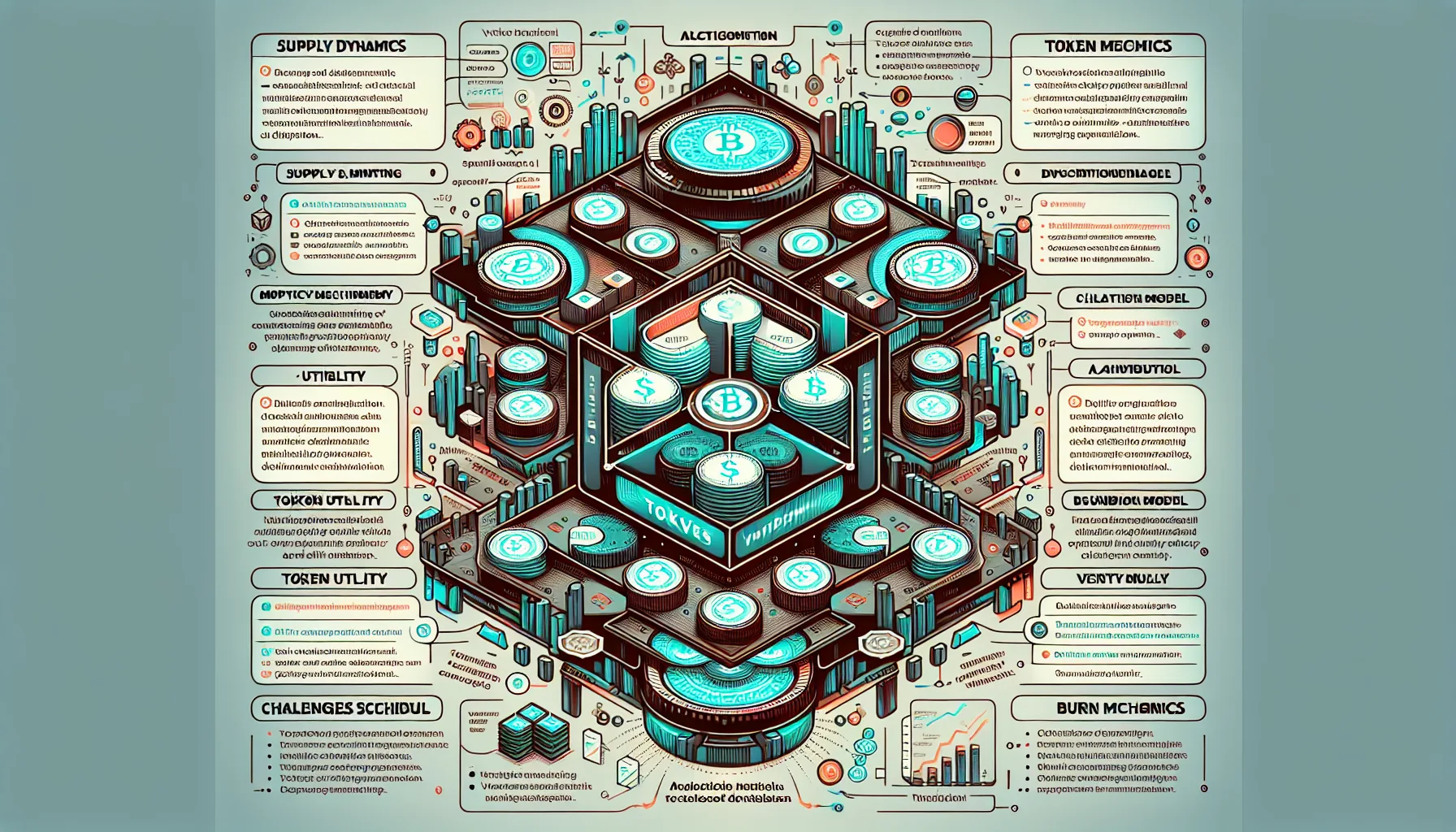
History of RVLT
The History of RVLT: From Inception to Evolution
RVLT, the ticker for Revolution Token, carries an origin story rooted in the ethos of decentralization. Initially conceived as a governance-oriented utility token, RVLT’s launch was marked by an ambition to disrupt conventional community-driven DAO mechanisms. The project emerged from a small cadre of developers who sought to create a token that empowered holders with decision-making capabilities over treasury allocations, project proposals, and long-term ecosystem goals. This clear focus on governance was the catalyst for attracting early adopters — many of whom were already seasoned in decentralized finance (DeFi) protocols.
One of RVLT's defining moments came during its token generation event, which eschewed traditional VC funding in favor of a fair launch model. This open-access method allowed community participants to generate tokens in a way that aligned closely with the project’s democratized ethos. However, this egalitarian approach also exposed vulnerabilities. The lack of pre-allocated resources for core development led to funding shortfalls during critical expansion phases of the project's roadmap.
The early days of RVLT were marked by aggressive experimentation in governance structures, including the implementation of quadratic voting to mitigate the influence of whale-sized wallets. While innovative, these initial mechanisms faced challenges around scalability and user participation. Many smaller holders found the system overly complex, leading to reduced voter turnout and occasional deadlocks on vital proposals. Over time, this forced the developers to simplify governance dynamics to improve user engagement.
Another significant chapter in RVLT's history involved its infrastructure upgrades. Originally built on a single-chain framework, RVLT faced limitations on transaction throughput and cost efficiency. In response, the development team oversaw a migration to a multi-chain compatibility model. While this improved scalability and positioned the token to interact with broader DeFi applications, the transition was not without issues. Smart contract vulnerabilities surfaced during the bridging process, resulting in the temporary loss of functionality for certain users and delays in roadmap milestones.
Community response has historically played a pivotal role in shaping RVLT's trajectory. When challenges arose, including contentious treasury proposals and technical mishaps, vocal contributors within the DAO framework sparked debates that highlighted both the passion and polarization within the token’s ecosystem. These discussions underscore RVLT's ongoing struggle with balancing egalitarian governance ideals and practical, centralized decision-making when obstacles demand swift intervention.
Still, RVLT’s history reflects a dynamic arc of trial and adaptation—marked by both structural hurdles and foundational innovations that have shaped its evolving role within the crypto governance landscape.
How RVLT Works
How RVLT Works: Unpacking the Mechanisms Behind the Asset
RVLT operates on a hybrid framework designed to synergize decentralized finance (DeFi) principles with innovative tokenomics. At its core, the RVLT ecosystem leverages smart contracts to ensure transparency, automation, and minimal intermediary interference in transactions and governance. Here's a detailed breakdown of the mechanics:
Token Functionality and Utility
RVLT is structured around multifaceted utility roles within its ecosystem. It primarily functions as a medium for governance, staking rewards, and access to specialized DeFi protocols. Users can stake RVLT tokens in native liquidity pools, earning interest or other yield-bearing rewards. However, the complexity of its staking mechanics introduces barriers for entry-level participants; consistent interaction with decentralized applications (dApps) is necessary to optimize returns, thereby favoring more seasoned users.
In addition, RVLT incorporates "burn protocols" within its transactional model. A percentage of each transaction is permanently removed from the circulating supply, ostensibly for deflationary effects. While this mechanism aligns with scarcity-driven value appreciation models, overly aggressive burn rates could inadvertently limit long-term functionality and liquidity in the market.
Governance via Decentralized Voting
One standout aspect of RVLT's architecture is its decentralized governance framework. Token holders are empowered with proportional voting rights, enabling them to propose and vote on changes to the protocol. This includes adjustments to token allocation, governance rules, or yield mechanisms. However, these permissions are contingent on holding sufficient tokens, inevitably consolidating governance power among large stakeholders (whales). Critics argue this raises questions regarding true decentralization, as smaller participants may struggle to meaningfully influence decision-making.
Interoperability and Network Integration
RVLT was built to integrate seamlessly across various blockchain ecosystems. Through bridging tools, the asset can be transferred or utilized in multiple networks, offering flexibility and extending its use case beyond the native chain. However, cross-chain operation introduces risks tied to bridge vulnerabilities—such as exploits targeting discrepancies in wrapped asset management or bridge security protocols.
Smart Contract Efficiency and Risks
RVLT's operational backbone is its suite of smart contracts. These are engineered to manage staking pools, reward distributions, and other DeFi functionalities without the need for custodial oversight. While the smart contracts have undergone audits, the nuance and complexity of their design leave room for exploitation by sophisticated attackers. As with many DeFi projects, end users must remain vigilant about possible security flaws or misconfigurations that could lead to loss of funds.
Adoption Beyond Speculation
RVLT has sought to position itself within ecosystems that prioritize functional use cases. These include payment layers and incentivization mechanisms for blockchain-based applications. Still, critical questions linger regarding whether RVLT’s value transcends speculative trading, as adoption metrics outside the trading sphere remain limited.
RVLT's mechanisms combine pragmatic tokenomics with the allure of community participation and DeFi innovations. Yet, its complexity and inherent vulnerabilities demand exhaustive scrutiny from those looking to engage deeply with the asset.
Use Cases
Exploring RVLT Crypto: Core Use Cases and Practical Applications
RVLT, a DeFi-focused token, has carved out various innovative use cases within the decentralized ecosystem. Its utility extends beyond commonplace crypto functions, aiming to address niche gaps in governance models, staking economies, and incentivization frameworks. However, delving deeper into RVLT's use cases also highlights some potential limitations and challenges for adoption.
Governance and Community Incentives
One of RVLT’s primary use cases revolves around governance mechanisms for decentralized networks. Holders of RVLT tokens often gain voting power within their ecosystem, allowing them to influence key decisions such as protocol upgrades, treasury management, or how incentives are distributed. This establishes RVLT as a community-driven token, appealing to projects that prioritize decentralized decision-making. However, the governance model may potentially concentrate voting power in larger holders, leading to issues with fair representation and decentralization.
Staking Models and Passive Earnings
RVLT is commonly integrated into staking mechanisms as a way to reward long-term holders while reinforcing network security. Many platforms that adopt RVLT allow users to lock tokens in smart contracts, earning rewards in return. This function attracts liquidity to the RVLT ecosystem while providing token holders with an additional revenue stream. That said, this staking model heavily relies on user trust in the underlying platform and its smart contracts. Bugs, exploits, or poorly audited code could undermine the staking ecosystem entirely, leading to capital loss.
Incentive Alignment in DeFi Protocols
RVLT is frequently utilized as part of broader reward strategies within DeFi platforms. These tokens are offered as farming incentives or distributed to users who actively participate in liquidity pools, lending, or borrowing. Its flexible design makes it an essential tool for aligning incentives among participants of decentralized finance ecosystems. Still, over-reliance on RVLT as a reward can lead to inflationary pressure, undermining the token’s long-term utility and reducing its perceived value. Furthermore, incentivization risks creating "yield-chaser" behavior, where users exploit short-term gains without contributing meaningful liquidity or long-term stability.
Specialized Niche Applications
RVLT also caters to highly specific niches, such as gamified finance or experimental blockchain projects. These experiments offer innovative ways to integrate RVLT into their ecosystems, but their adoption largely depends on successful use-case execution. If poorly implemented, these experiments could limit RVLT’s appeal to a smaller demographic, narrowing its broader utility.
While RVLT exhibits strong adaptability across various use cases, its effectiveness depends on the execution, scalability, and security of the underlying platforms employing it.
RVLT Tokenomics
Tokenomics of RVLT: A Deep Dive into Supply Dynamics, Utility, and Distribution
RVLT’s tokenomics framework is a multifaceted design focused on balancing utility, scarcity, and incentives, yet it presents notable areas for scrutiny. The token’s supply policy and distribution model aim to support diverse ecosystem participants, but the underlying mechanics warrant a closer look, especially for those with a keen eye on sustainability and decentralization.
Supply and Minting Mechanism
RVLT operates with a fixed maximum token supply, enforced through transparently coded smart contracts. This hard cap is positioned as a method to prevent dilution and instill long-term value. However, it is critical to assess factors like the rate of emission (if additional tokens can be minted as staking rewards or liquidity incentives) and whether mechanisms for future changes to the hard cap exist, as governance decisions could override current parameters.
In particular, RVLT’s distribution schedule may evoke questions around inflationary pressures early in its lifecycle. Tokens allocated to liquidity programs and ecosystem growth initiatives enter circulation at a defined rate, undeniably fostering network effects but potentially suppressing short-term scarcity.
Allocation Model: Balancing Stakeholder Interests
RVLT’s initial distribution allocated tokens across multiple stakeholders, including early investors, team members, ecosystem funds, and community-led initiatives. While this structure is typical in the crypto landscape, anomalies in vesting schedules and disproportionate allocations raise concerns. For example, a larger-than-usual percentage of the initial supply allocated to team reserves could concentrate influence and power, running counter to decentralization principles.
Vesting schedules aim to mitigate excessive sell pressure from early stakeholders, introducing staggered unlock periods over time. However, the foundational tension lies in how these unlocks align with community expectations of token stability versus the potential for sudden influxes of liquidity leading to market fluctuations.
Token Utility and Burn Mechanics
RVLT integrates varied utilities, including governance voting, staking rewards, and possible fee reductions within its ecosystem. The creation of meaningful utility aligns with sustainable demand, but execution becomes critical. For instance, RVLT’s staking model predicates rewards on a circulating supply dynamic, which may inadvertently centralize rewards to larger holders unless counterbalanced by fair-share mechanisms.
Burn mechanics are increasingly a staple in crypto tokenomics to address supply-side pressures, and RVLT employs periodic token burns tied to specific ecosystem activities. While burns instill deflationary pressures, their implementation invites scrutiny regarding their frequency and scale, as inconsistent application could create unpredictable effects on its token economy.
Challenges in Tokenomics Transparency
Despite the overall transparency of RVLT’s tokenomics design, certain elements require further elucidation. Lack of clear, regularly updated reporting on token treasury outflows and ecosystem allocations introduces potential opacity. Additionally, a critical analysis of voting power distribution among token whales is warranted, as gradual governance centralization could undermine decentralized ideals.
RVLT Governance
RVLT Governance: Decentralization and Practical Challenges
RVLT's governance framework operates as a critical pillar within its ecosystem, aiming to provide token holders with a participatory role in the decision-making process. At its core, the governance structure leverages decentralized mechanisms to create a system where users can influence protocol upgrades, treasury management, and community-driven initiatives. However, governance effectiveness is contingent on several nuanced factors that deserve close inspection.
Token-Weighted Voting Dynamics
RVLT governance revolves around token-weighted voting, where the amount of RVLT tokens held directly translates to voting power. While this is a standard approach in many decentralized platforms, it inherently raises concerns about the concentration of influence. Large token holders, often labeled as "whales," possess the ability to sway outcomes, birthing debates around a potential imbalance between decentralized ideals and unequal power distribution. For smaller participants, the feeling of their vote being inconsequential may discourage engagement, potentially diluting community involvement.
Proposal Creation and Approval Process
Proposal creation within the RVLT governance framework encourages community members to suggest protocol adjustments or new initiatives. While this open mechanism fosters innovation, it can face bottlenecks stemming from limited participation or poorly structured proposals. The requirement for token holders to thoroughly understand complex on-chain proposals often necessitates deep technical knowledge—a barrier for less-experienced users. Additionally, the question remains whether a governance system without stringent quality controls risks inefficiency or outright exploitation.
Treasury Oversight
A key governance function within RVLT lies in the management of the ecosystem’s treasury. Token holder votes dictate funding allocations for development, marketing, and partnerships, among other areas. While this distributed decision-making model allows for flexibility and adaptability, it can also lead to contentious debates over what constitutes "appropriate" spending. Without active oversight or clear accountability, treasury mismanagement becomes a potential vulnerability, leaving room for inefficiency or even abuse.
Participation Rates and Governance Apathy
Despite its decentralized structure, RVLT governance may encounter challenges relating to voter apathy, a common issue seen across many crypto projects. Low participation in key votes undermines the legitimacy of governance decisions and opens the door to disproportionate influence from a small subset of contributors. Initiatives aimed at boosting participation, such as incentivizing voting, carry trade-offs, potentially blurring the line between genuine interest and token-holder opportunism.
Smart Contract Risks
Finally, the governance process relies heavily on smart contracts to enforce outcomes. While these contracts eliminate the need for intermediaries, their immutability leaves no room for error. A critical bug or exploit in the governance-related smart contracts could have severe implications for the protocol’s integrity, requiring rigorous and ongoing audits to mitigate this ever-present risk.
Technical future of RVLT
Current and Future Technical Developments for RVLT: A Comprehensive Look at Its Roadmap
Advanced Staking Mechanics and Ecosystem Integration
RVLT has taken a unique approach to staking by introducing dynamic rewards mechanisms designed to align with network activity and hold time. Unlike many staking models that rely on inflationary token emissions, RVLT is focusing on incorporating a deflationary aspect through burn mechanics directly tied to smart contract triggers. This innovative strategy aims to address issues related to token oversupply and aligns closely with efforts to maintain value across its ecosystem. However, concerns remain regarding the potential complexity for users, particularly as the resource-heavy nature of these features could limit broader adoption without intuitive tools.
Integration with decentralized applications (dApps) is another key area of development for RVLT. Future upgrades aim to streamline developers' access to the RVLT ecosystem through SDKs and API toolkits designed to reduce friction in cross-chain functionalities. While technically promising, these upgrades will face hurdles in achieving wide adoption among developers given the increasing competition in interoperability solutions.
Refined Governance Protocol with Modular Upgrades
RVLT’s governance protocol is undergoing iterative refinement aimed at modularity. The next phase of the roadmap includes deploying a voting framework that integrates quadratic voting to counteract potential whale dominance. This system is being designed with modular layers to allow new governance features to be implemented without disrupting the existing framework. Although modular upgrades enhance adaptability, they leave room for higher potential attack surfaces, and this may concern those who prioritize security given the evolving sophistication of governance-related exploits.
Layer-2 Scalability and Cross-Chain Focus
The RVLT development team has announced the integration of a Layer-2 solution aimed at addressing scalability issues common to Ethereum-compatible tokens. By leveraging an optimistic rollup framework, the platform plans to achieve higher throughput and reduced gas fees. Combined with its deliberate focus on cross-chain operability, RVLT is set to simplify multi-chain use cases. However, reliance on an optimistic paradigm can introduce withdrawal delays and trust-model challenges that the ecosystem will need to address to maintain user confidence.
Strategic AI and Oracle Integration
There is also an ongoing effort to integrate AI-driven analytics and oracle solutions to enhance smart contract functionality. These features include real-time data feeds for performance optimization and potential automated adjustments in staking reward distributions. Such integrations signal a forward-looking approach but simultaneously raise questions about reliance on off-chain data, a known point of vulnerability in decentralized systems.
Comparing RVLT to it’s rivals
RVLT vs. DERC: A Comprehensive Comparison in Utility and Ecosystem
When analyzing RVLT (Revolt) against one of its primary competitors, DERC (DeRace), it's essential to dissect the unique aspects of their ecosystems and examine where they overlap or contrast. Both assets operate within the blockchain gaming and play-to-earn (P2E) domains, but their applications, token functionalities, and user engagement models reveal distinct strengths and weaknesses.
Utility and Core Use Case
RVLT’s ecosystem is primarily focused on decentralized governance and a reward-based staking model, emphasizing community-driven decision-making and token holder incentives. It is built around creating value for ecosystem participants by distributing rewards through autonomous, smart contract-based mechanisms. This governance-first approach gives RVLT a level of modularity that allows proposals, rewards, and token flows to scale or adapt based on user demand.
DERC, on the other hand, ties its token utility directly to the DeRace platform’s in-game dynamics, serving as the primary currency for breeding, racing, and trading NFT horses. The focus here is on gamified asset interaction, where token value becomes deeply enmeshed in the game economy. While this is advantageous for driving token usefulness within DeRace, it also limits the breadth of its application outside the platform, making it highly reliant on the game’s success.
Ecosystem Depth
RVLT’s reliance on external chain integrations provides a broader scope for interoperability compared to DERC. RVLT’s fundamental design facilitates seamless integrations with DeFi protocols, creating opportunities for liquidity farming and collateralized staking beyond gaming-specific applications. However, this versatility also introduces a complexity barrier for users unfamiliar with managing multiple DeFi products.
By contrast, DERC thrives on its single-platform focus by delivering a polished, interactive environment. It delivers gamers an intuitive NFT gaming experience without requiring them to navigate external tools or systems. Yet this focus is double-edged. The lack of DeFi adaptability or cross-platform utility may alienate users seeking a more diversified crypto experience or those concerned with token liquidity outside of DeRace.
Tokenomics Differences
A notable contrast exists in how RVLT and DERC manage supply dynamics. RVLT employs mechanisms like deflationary token burns, tied to community-driven governance decisions. Such an approach is attractive to long-term holders but requires consistent monitoring and active participation to remain effective.
DERC, by comparison, is inflationary to sustain its in-game ecosystem but risks diluting value over time if user growth stagnates or in-game use sinks. This creates a potential fragility for holders who are primarily interested in speculative value over utility-driven demand.
Adoption Barriers
RVLT’s complex governance and multi-use DeFi integrations can deter casual users or those without sufficient crypto expertise. This raises an onboarding challenge and limits quick adoption among non-technical audiences. While RVLT appeals to decentralized ecosystem enthusiasts, its accessibility hurdles are hard to ignore.
DERC simplifies adoption with a straightforward gaming-first focus but is heavily dependent on the success of its single platform to drive demand. Should interest in DeRace wanes, DERC may face significant utility deficiencies compared to RVLT's broader application potential.
RVLT vs. CWAR: A Focused Comparison in Play-to-Earn Dynamics
When comparing RVLT to CWAR, both projects occupy space within the crypto gaming and play-to-earn ecosystem, but their approaches to fostering engagement and economic sustainability differ significantly. CWAR (Cryowar) positions itself as a blend of decentralized finance (DeFi) mechanics with competitive multiplayer gaming, whereas RVLT adopts a gamified DAO model, emphasizing long-term community governance. These foundational differences lead to notable divergences in design priorities, user incentives, and potential limitations.
Gameplay Versus Governance
CWAR's core focus lies heavily on delivering fast-paced, skill-based gameplay. Its arena-styled multiplayer structure relies on a more traditional gaming ethos, prioritizing action-packed, competitive dynamics. Conversely, RVLT sidesteps gameplay intensity by centering its ecosystem around gamified governance participation. While this governance model fosters a sense of ownership among holders, it doesn't provide the same immediacy in entertainment or tangible skill-based rewards that CWAR offers.
For users drawn to high-octane gaming experiences in crypto, RVLT may lack some of the natural appeal that CWAR thrives upon. However, CWAR's emphasis on gameplay could expose it to risks regarding new player adoption cycles; keeping players consistently engaged in a genre saturated with alternatives requires relentless content updates and high development costs. If CWAR falters in delivering fresh material, its player retention rates could stagnate, posing risks to its tokenomics.
Reward Structures and Economic Models
CWAR incentivizes players through a direct reward system tied to battles. Perform well in matches, and players earn corresponding tokenized rewards. This approach is straightforward but makes CWAR reliant on its play-to-earn economy and in-game spending to balance rewards versus inflation. If demand for gameplay wanes, token oversupply may dilate the ecosystem's value, leaving holders impacted.
RVLT, on the other hand, offers staking and governance rewards via participation in DAO proposals and ecosystem-building activities. This system inherently diverges from traditional play-to-earn methods by attempting to create alignment with long-term incentive mechanisms. However, such complexity may alienate casual users or those looking for faster gratification through gaming.
Technical Considerations
From a blockchain standpoint, CWAR often draws attention for its use of Solana's infrastructure, leveraging its high transaction speeds and low fees for seamless gameplay interactions. RVLT, meanwhile, makes compromises by targeting broader compatibility but potentially trading off in areas like scalability and finality. On-chain dependency for CWAR ensures smooth throughput for gameplay mechanics, but it also ties the ecosystem directly to Solana's network health—a factor that could affect uptime vulnerabilities.
In evaluating RVLT specifically against CWAR, the tradeoffs highlight a clear choice between actively gamified experiences versus governance-oriented participation.
RVLT vs THOL: A Detailed Comparison of Tokenomics and Utility
When evaluating RVLT alongside THOL, it’s essential to delve beyond surface-level features and examine the nuances of tokenomics, utility, and ecosystem integration. While both projects cater to ecosystem-driven applications, their implementation strategies and growth trajectories highlight key distinctions — as well as challenges — that set them apart in the competitive crypto landscape.
Utility and Ecosystem Integration
RVLT strategically positions itself as a token with governance and community-centric applications, embodying a bottom-up approach to ecosystem control. Conversely, THOL integrates heavily into a specialized DeFi and gamified staking ecosystem, where the primary utility revolves around token staking to unlock perks, rewards, and broader access within its proprietary ecosystem. This staking mechanism creates significant lock-in but also raises concerns about mobility and flexibility for token holders.
Such a tightly bound ecosystem model gives THOL the advantage of creating robust internal demand; however, it can also alienate those who seek more liquid or modular applications. By comparison, RVLT’s governance focus caters to a broader appeal but may lack the sticky user engagement that intensive staking models like THOL can produce.
Tokenomics and Emission Models
THOL's tokenomics lean on aggressive emission schedules tied to participation in staking, games, or yield farming. While this can incentivize early adopters, it creates long-term inflationary pressures that could dilute token value as the market matures. RVLT, on the other hand, emphasizes community-driven token allocation, intending to deliver gradual and decentralized control without overwhelming investors with inflation.
However, THOL’s structured emissions model — despite its inflationary risk — aligns better with users who prioritize immediate gains and ecosystem privileges. RVLT’s slower, community-driven token release may appeal more to long-term holders but could struggle to meet the expectations of speculators or participants expecting rapid returns.
Smart Contract Risks and Complexity
THOL’s ecosystem relies heavily on multi-layered smart contracts that interact across staking, gamification, and reward systems. While this design enhances functionality, it also increases attack surface vulnerabilities and complexity, which is a concern for users valuing security above all else. In contrast, RVLT’s relatively streamlined smart contract integrations result in fewer layers of complexity, though this simplicity might limit its operational flexibility over time.
Takeaways: Relative Trade-offs
The trade-offs between RVLT and THOL hinge on differing priorities. THOL offers an immersive, reward-centered ecosystem but is constrained by inflationary pressures and smart contract complexity. RVLT remains more governance-focused, avoiding some pitfalls of its rival but with less immediate focus on incentivized engagement. Understanding these dynamics is key to assessing the fit between user preferences and project design.
Primary criticisms of RVLT
Primary Criticism of RVLT: Key Concerns for Investors and Developers
Centralization Risks and Governance Issues
One of the most pointed criticisms of RVLT is its governance structure, which many argue has not achieved the level of decentralization expected in a blockchain ecosystem. Critics highlight that significant decision-making power remains concentrated among a small group of core developers and early token holders. This raises concerns about trust and potential conflicts of interest, as these centralized actors could influence protocol upgrades or treasury distributions in ways that harm the broader community.
This governance model also makes RVLT particularly vulnerable to accusations of favoritism or opaque decision-making processes. Despite the project’s public commitments to decentralized principles, many crypto-savvy investors and developers worry that its current setup makes it susceptible to manipulation and undermines its credibility as a truly decentralized platform.
Tokenomics Complexity and Utility Gaps
Another frequent point of contention revolves around RVLT’s tokenomics. While versatility in token utility is often praised in crypto ecosystems, RVLT has been critiqued for having a tokenomic system that is both overly complex and insufficiently transparent. Some argue that this complexity creates barriers to entry for developers and users who might otherwise grow the network’s adoption.
Moreover, there are ongoing debates about the real utility of the RVLT token. Some stakeholders question whether the token has any meaningful value proposition beyond speculative trading. Given the competitive landscape of blockchain-based ecosystems, failing to secure clear, compelling use cases for the token could weaken long-term confidence in the project among developers and institutional investors.
Scalability and Infrastructure Limitations
RVLT’s blockchain infrastructure has also come under scrutiny for potential scalability limitations. Feedback from technical reviewers suggests that the network faces challenges in handling high transaction volumes without compromising speed and cost-efficiency. For a platform aspiring to compete with larger, more established blockchains, these limitations could hinder RVLT’s ability to attract large-scale decentralized applications (dApps) and their users.
Additionally, critics point out that the team’s roadmap for addressing scalability has lacked clarity, fueling uncertainty about how these issues will be resolved in a timely and effective manner. This lack of urgency is particularly concerning, given that the crypto industry continues to scale rapidly, and competing platforms are aggressively pushing innovation in this area.
Security Concerns and Trust Deficits
Finally, RVLT has faced skepticism regarding its security approach. While no catastrophic breaches have been reported, the network has dealt with several smaller vulnerabilities that have raised alarms about its overall resilience. Security is a cornerstone of any successful crypto asset, and even minor vulnerabilities can raise doubts among users and developers about a platform’s reliability.
The perceived delays in addressing these concerns further exacerbate trust deficits. For RVLT to achieve widespread adoption, its developers will need to demonstrate that security is a top priority and provide evidence of proactive mitigation strategies for future risks. Without clear efforts to restore confidence, security concerns could deter partnerships and integrations with more risk-averse stakeholders.
Founders
The Founding Team Behind RVLT: Visionaries or Question Marks?
When examining the founding team of RVLT, one must navigate a web of anonymity and cryptographic pedigree. Unlike many projects that parade their founders' credentials, RVLT’s core team remains deliberately obscure, a factor that has drawn equal parts intrigue and skepticism in the crypto community. While pseudonymity is not uncommon in the decentralized space—Bitcoin’s own Satoshi Nakamoto being the quintessential example—the lack of verifiable details here introduces significant trust hurdles.
Pseudonymous Leadership and Decentralized Intent
The project claims to embrace decentralization to its fullest extent, which is reflected in the pseudonymous identities associated with its creation. The core contributors, identified only by monikers such as "Revoltor" and "Chaos Catalyst," leverage their cloaked personas as a statement on removing centralized authority, asserting that the protocol itself should be the central figure. However, this philosophy has a baked-in double-edged sword. While their stance aligns with the ethos of trustless ecosystems, the lack of identifiable leadership inevitably raises flags about long-term accountability.
Questionable Transparency on Oversight Roles
One area where the RVLT team faces scrutiny lies in its approach to governance. While the project advertises itself as a community-driven solution, the initial governance frameworks appear disproportionately influenced by the founding members. Despite claims of a future transition toward a fully community-controlled ecosystem, the mechanisms for this shift remain vaguely outlined. Many crypto-savvy investors are left questioning whether the control really lies within the community—or simply appears to, on paper.
Experience: A Missing Puzzle Piece?
Another critical issue surrounding RVLT’s founding team is the absence of any publicly available background information. Usually, teams behind successful crypto projects either boast prior experience in blockchain development or FinTech expertise. With RVLT, there are no LinkedIn profiles, no academic credentials, no startup histories to scrutinize. For those staking belief—and funds—on the project, this opacity makes it difficult to assess whether the creators possess the technical chops or business acumen to guide RVLT through the inevitable hurdles of the crypto landscape.
Balancing Principles and Market Realities
While the team’s choice to remain anonymous adds a layer of mystique, it also creates challenges, especially when attempting to build relationships with institutional partners or gain broader market adoption. Pseudonymity can raise legal and compliance red flags in jurisdictions where strict Know Your Customer (KYC) and Anti-Money Laundering (AML) protocols apply, potentially limiting RVLT’s expansion. This choice makes sense ideologically but may inadvertently constrain the project's practical growth trajectory.
The unknown makeup of RVLT’s founding team is simultaneously its greatest philosophical hallmark and its greatest operational risk. Whether this gamble pays off remains a topic of intense debate across the crypto-savvy world.
Authors comments
This document was made by www.BestDapps.com
Sources
- https://revoltapp.io/
- https://github.com/RevoltSocial/
- https://revolt.social/whitepaper.pdf
- https://etherscan.io/token/0x0e1ec93c8253248d522de189c94c335c20e189c7
- https://coinmarketcap.com/currencies/revolotto/
- https://revolotto.medium.com/
- https://docs.revolt.social/
- https://nomics.com/assets/rvlt-revolt
- https://bscscan.com/token/0x0e1ec93c8253248d522de189c94c335c20e189c7
- https://twitter.com/RevoltSocial
- https://www.coingecko.com/en/coins/revolotto
- https://www.dextools.io/app/en/ether/pair-explorer/0x0e1ec93c8253248d522de189c94c335c20e189c7
- https://revolt.social/team
- https://www.reddit.com/r/RevoltSocial/
- https://revolt.social/yellowpaper.pdf
- https://coincheckup.com/coins/revolt/analysis
- https://discord.gg/revolotto
- https://cryptoslate.com/coins/revolt/
- https://tokensniffer.com/token/0x0e1ec93c8253248d522de189c94c335c20e189c7


