History of RNX
The History of RNX: From Concept to Blockchain Integration
RNX, a crypto asset that has carved a niche for itself in a saturated ecosystem, began its journey as a niche-focused blockchain solution aimed at addressing specific inefficiencies within decentralized infrastructure. Its origins can be traced back to early debates among developers about the inefficiencies of network throughput and interoperability. These discussions culminated in the conceptual framework for RNX, which was designed to tackle challenges in cross-chain communication without sacrificing decentralization—a problem that had plagued many multi-chain ecosystems.
The RNX whitepaper, released stealthily during its inception phase, adopted a minimalist tone, focusing on technical substance rather than hype-driven language. This created initial skepticism among early adopters, especially given the project's reluctance to engage in aggressive marketing. However, it quickly attracted attention from developers intrigued by its "layer bridge protocol," an approach that promised seamless interaction between layer-1 and layer-2 blockchains without creating trust-dependent bottlenecks. This early spotlight on tech-savvy adopters gave RNX an organic footing within the more discerning crypto developer community.
Despite its strengths, RNX stumbled in its initial rollout due to contentious debates about the centralized nature of its validator node selection process during the early testing phases. Critics argued that while RNX marketed itself as a fully decentralized option, its reliance on a fixed set of pre-selected validators contradicted this claim. This led to a community-driven movement to accelerate the roadmap’s decentralization milestones, resulting in a rushed update that introduced governance token staking. While this move appeased some, it also stoked fears about the potential for consolidation of governance power among whale stakeholders.
Another key challenge in RNX's history was its struggle to differentiate itself within the broader ecosystem. While its bridging solution was technically impressive, the emergence of competing cross-chain protocols with higher transaction speeds reduced RNX's competitive edge. The development team responded by introducing an innovative fee-sharing model between liquidity providers and validators, an approach that bolstered its back-end economics but also added complexity to its already nuanced underlying architecture.
RNX’s history is a reflection of both its bold ambitions and the hurdles it has faced in translating those ambitions into sustained adoption. Its evolutionary trajectory underscores the intricate balance between innovation, community management, and maintaining decentralized principles in a rapidly evolving blockchain landscape.
How RNX Works
How RNX Works: A Deep Dive into Its Core Mechanisms
RNX operates on a unique dual-layer architecture that integrates its custom consensus algorithm, Proof-of-Relational-Stake (PoRS), with advanced interoperability protocols. At its core, RNX is designed to prioritize scalability, cross-chain communication, and data contextualization—key features that differentiate it from more traditional Layer 1 and Layer 2 blockchains.
Proof-of-Relational-Stake (PoRS): A Unique Consensus Layer
RNX’s PoRS mechanism combines principles of Proof-of-Stake (PoS) with a network graph-based relational framework. Instead of solely rewarding stakeholders based on token holdings or staking duration, RNX evaluates the "relational score" of nodes within the network. The relational score is calculated based on factors such as node activity, transaction interconnectivity, and relational map contributions across the blockchain's ecosystem.
While this model aims to mitigate centralization issues common in PoS networks, it raises concerns around the subjectivity and transparency of relational score calculations. Critics argue that it could inadvertently prioritize larger operators capable of generating more network activity over time, thus reintroducing monopoly risks in a subtle form.
Interoperability via Relational Mapping
RNX uses a proprietary Relational Mapping Protocol to facilitate communication across disparate blockchain ecosystems and Web3 applications. This protocol allows RNX to synthesize data from external chains, creating context-aware transactions. Unlike traditional wrapping mechanisms for cross-chain swaps, relational mapping ensures the integrity of data origin, dynamically assigning metadata to each transaction packet.
The reliance on metadata and elaborate mapping has drawn scrutiny due to potential vulnerabilities, such as bloated transaction sizes and performance bottlenecks under network congestion. Similarly, enhancing interoperability also increases the complexity of auditing, since every mapped relationship must be individually verifiable. This has made RNX a polarizing technology among veteran crypto developers.
On-Chain Storage Sustainability
Another critical feature of RNX is its focus on on-chain storage efficiency through Relational Data Segments (RDS). These segments are small, compressed packets of on-chain data that support the asset’s long-term sustainability. By allowing nodes to store relational data in distributed micro-segments, RNX minimizes redundant storage requirements and transaction overhead.
However, the RDS system is not without its flaws. It introduces friction during state recovery, especially for new or returning nodes requiring full-chain synchronization. This can slow down onboarding or node recovery significantly compared to other lightweight blockchain solutions.
RNX’s architecture introduces ambitious technical innovations, but the trade-offs—including centralization risks, potential bottlenecks, and cross-chain complexities—prompt ongoing debate about its practicality in hyper-scaled scenarios.
Use Cases
Exploring RNX Crypto Asset: Key Use Cases
Decentralized Data Exchange
One of RNX's core use cases is its functionality in facilitating a decentralized data exchange ecosystem. By leveraging blockchain technology, RNX allows secure and transparent sharing of data assets between parties without the need for intermediaries. This is particularly appealing for industries like healthcare, finance, and supply chain, where data integrity and privacy are paramount. However, a significant challenge lies in achieving network effects—RNX's success in this domain hinges on widespread adoption, which may be hampered by competing platforms and entrenched centralized systems.
Tokenized Access for Specialized Services
RNX is also utilized as a means to grant token-based access to various specialized services within its ecosystem. For example, users can stake RNX tokens to unlock premium features, advanced analytics, or specific tools in decentralized applications (dApps). This incentivized staking model drives participation but raises questions about sustainability. Over time, rewards for participating users could diminish as the ecosystem matures, potentially affecting user retention and overall network health.
Decentralized Identity Management
Another standout use case is RNX's implementation in decentralized identity (DID) systems. The token underpins authentication mechanisms in decentralized applications, enabling users to verify their credentials without revealing sensitive information. While this offers a more privacy-respecting alternative to traditional identity systems, adoption barriers remain high. Regulatory challenges and a lack of established standards in decentralized identity frameworks could delay widespread usage.
Cross-Chain Interoperability
RNX is designed to bridge multiple blockchain ecosystems, fostering cross-chain interoperability. This makes it especially useful for developers seeking to build multi-chain applications or migrate assets across different networks. However, interoperability introduces its own complexities, including potential security vulnerabilities in cross-chain bridges and dependencies on external protocols. Additionally, the success of RNX in this area depends heavily on its ability to integrate with other major blockchains—a process that requires both technical and political cooperation.
Governance Token Utility
Holders of RNX also play a role in the project's governance through decentralized voting mechanisms. This promotes community participation in critical decision-making processes, such as protocol upgrades or fund allocations. However, a recurring issue with governance tokens, including RNX, is the risk of voter apathy or a concentration of voting power among whales. This can undermine the decentralized ethos and lead to governance outcomes that are not aligned with the broader community’s interests.
RNX Tokenomics
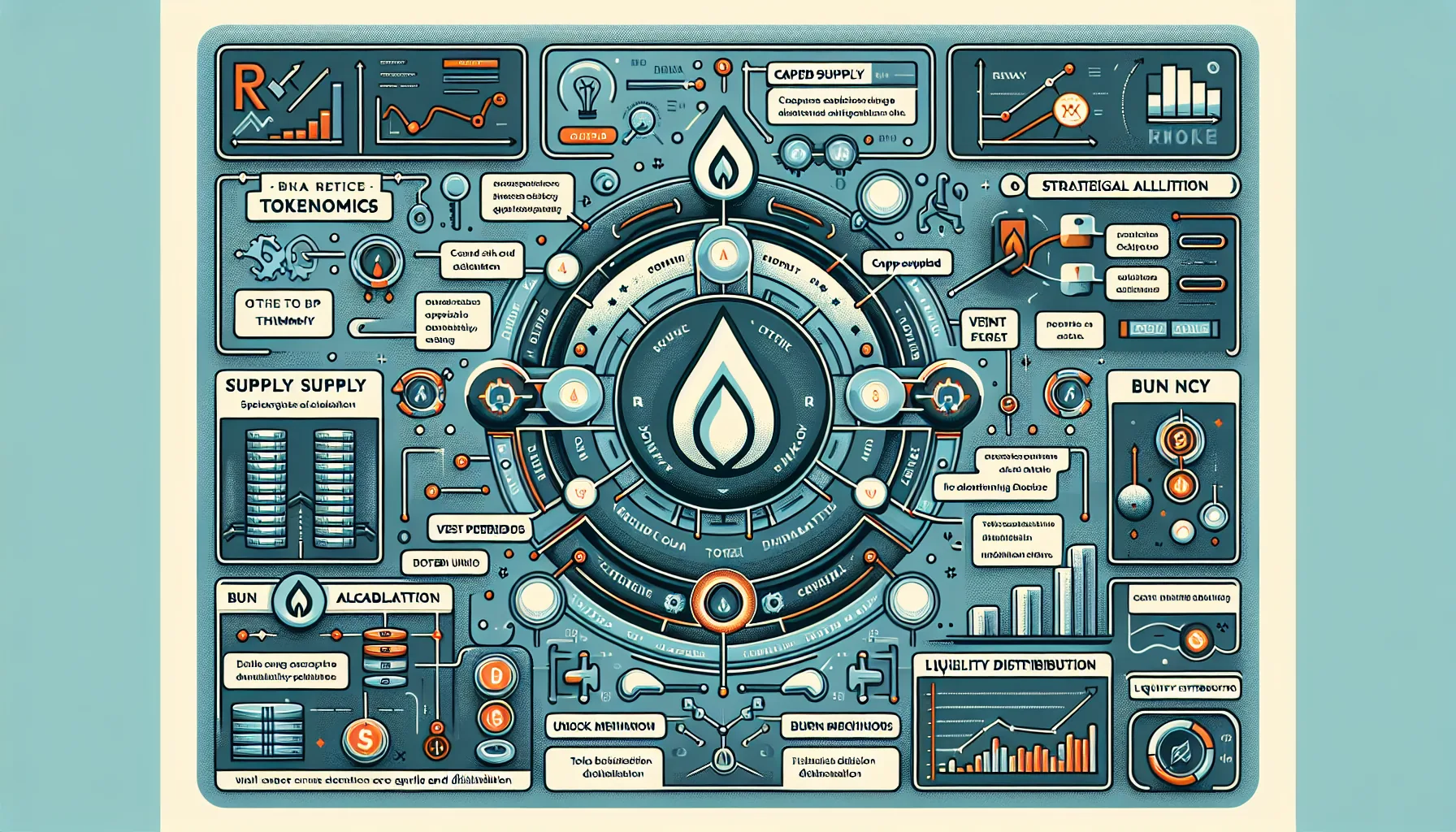
RNX Tokenomics: Deep Dive Into Supply Dynamics and Distribution
The tokenomics of RNX is built on a foundation of deliberate planning and strategic allocation, yet it raises important questions for a savvy crypto audience to consider. At the core lies its fixed supply cap, which underpins its overall scarcity model. However, the specifics of its distribution strategy, unlock schedules, and utility necessitate a closer examination.
Supply Cap and Initial Allocation
RNX operates on a capped supply design, creating a finite number of tokens to drive scarcity. Initial allocations were structured across several key categories including ecosystem development, team and advisors, community incentives, and private token sales. While this design aligns with common industry practices, concerns have arisen regarding the high percentage allocated to insiders. A significant portion of the total supply is earmarked for founding teams and early investors, raising potential questions of long-term centralization risk post-lock-up expiration.
Vesting Periods and Unlock Schedules
RNX's vesting mechanism introduces some safeguards against immediate market saturation but leaves room for scrutiny. Key stakeholders such as early investors and the core team have vesting schedules that gradually unlock tokens over a multi-year period. While this mitigates short-term sell pressure, crypto enthusiasts have noted that a lack of transparency around the precise unlock timelines can introduce uncertainty. Are these schedules optimized for balancing liquidity and decentralization, or do they favor early participants at the expense of the broader ecosystem? This remains a point of contention among RNX's critics.
Token Utility and Burn Mechanisms
RNX's utility is multifaceted, designed to integrate seamlessly within its broader ecosystem. Applications include staking incentives, governance mechanisms, and transaction fee payments. While these utilities are compelling on paper, the network’s reliance on user participation for utility execution could become a bottleneck. Additionally, RNX plans periodic token burns to manage inflation and enhance scarcity. This deflationary approach has been positively received, but some have debated its long-term sustainability, citing risks of reduced liquidity if burn rates outpace ecosystem growth.
Liquidity and Distribution Challenges
Finally, RNX’s liquidity distribution approach poses another critical area of concern. On-chain liquidity pools demonstrate healthy activity, but the absence of significant centralized exchange listings has raised questions regarding accessibility. This could hinder adoption outside of the already established crypto-savvy audience. Moreover, the gradual distribution mechanisms might leave RNX vulnerable to liquidity manipulations by whales until broader decentralization is achieved.
The layers of RNX tokenomics reveal a complex dynamic of strengths and potential vulnerabilities. Smart contract audits and community governance may mitigate some concerns, but active oversight remains crucial.
RNX Governance
RNX Governance: Decentralized Decision-Making and Challenges
The governance framework of RNX token represents a key pillar of its underlying blockchain ecosystem. Operating through a decentralized autonomous organization (DAO) model, RNX governance allows token holders to participate in decision-making processes, protocol upgrades, and treasury allocation. This mechanism aims to foster a collective ownership structure and minimize reliance on centralized entities, a principle celebrated in the crypto space. However, while the model boasts decentralization, it also comes with inherent complexities and risks.
RNX Governance Mechanism: Token-Weighted Voting
RNX governance relies on a token-weighted voting system. Token holders can propose changes to the protocol or vote on proposals submitted by others. The weight of each vote is proportional to the amount of RNX tokens held, incentivizing deeper engagement from financially committed participants. While this structure ensures that stakeholders with significant investments have greater influence, it also raises concerns about plutocracy—where wealthier participants dominate decision-making, potentially sidelining smaller holders.
Proposal System: Accessibility vs. Exclusivity
The RNX DAO employs a tiered proposal system. Proposals must pass a preliminary approval stage, often requiring a minimum threshold of RNX tokens to be locked by the proposer as collateral. This mechanism is intended to filter out frivolous suggestions, ensuring only thoughtfully crafted ideas proceed to community-wide voting. However, it also introduces barriers for smaller token holders and can discourage grassroots-level innovation. Critics argue that while this system protects against spam, it inadvertently centralizes influence around wealthier individuals or groups.
Off-Chain and On-Chain Synergy
Governance discussions and debates typically begin off-chain on community forums or social media platforms. Once consensus-building is achieved, proposals transition into the on-chain voting system for execution. While this synergy allows for transparency and community input, it also creates vulnerabilities. Off-chain discussions are susceptible to manipulation, including sybil attacks, where bad actors flood forums with fake accounts to skew perceptions.
Treasury Management: Opportunities and Oversight Concerns
The RNX DAO oversees a significant treasury, funded by transaction fees and token emissions. While this provides the community with a robust mechanism for funding development and marketing, it also opens the door to mismanagement risks. Decisions on how funds are allocated often spark heated debates, with some participants accusing dominant whales of pursuing self-serving agendas. Moreover, the public nature of blockchain transactions allows adversaries to track treasury operations, potentially exposing the ecosystem to strategic exploitation.
Governance Evolution: Inflexible or Adaptable?
One of the more contentious aspects of RNX governance is the challenge of adaptability. Once enshrined in the DAO’s structure, making changes to governance rules requires high voter turnout and consensus. While this high threshold protects against frivolous alterations, it also makes the framework relatively rigid—hampering the ecosystem’s capacity to quickly adapt to unforeseen issues.
Technical future of RNX
RNX Technical Development and Future Roadmap
The RNX crypto asset distinguishes itself via a dynamic focus on evolving technical infrastructure and an ambitious roadmap aimed at scalability, interoperability, and security. The following explores specific development efforts and planned upgrades within the ecosystem.
Enhanced Scalability via Layer-2 Integration
RNX has been actively exploring Layer-2 scaling solutions to address network congestion and escalating gas fees. The roadmap prioritizes the deployment of rollups—both Optimistic Rollups and ZK-Rollups—reducing transaction costs without compromising decentralization. However, there are ongoing challenges with these implementations, particularly concerning developer accessibility and compatibility with existing decentralized applications (dApps) within the RNX ecosystem. If unresolved, this could hinder adoption by projects reliant on RNX as a transactional layer.
Protocol Upgrades Focused on Interoperability
A recurring theme in RNX’s technical evolution is interoperability. Future developments include the integration of cross-chain bridges, enabling seamless communication between RNX and other major blockchain networks. This aims to position RNX as a viable participant in the broader decentralized finance (DeFi) ecosystem. Despite these plans, cross-chain bridge security has been an issue across the industry, and RNX's technical team is focused on mitigating vulnerabilities to prevent exploit risks.
Smart Contract and Governance Refinements
The RNX platform is currently expanding its smart contract capabilities with EVM (Ethereum Virtual Machine) compatibility enhancements. This upgrade seeks to attract developers from Ethereum and other compatible blockchains who can easily port their dApps to RNX. However, concerns around centralization within the governance model of these upgrades have surfaced. Critics argue that key development decisions tend to favor early stakeholders, raising questions about how truly decentralized the governance is.
Enhanced Consensus Mechanism Development
To reinforce network security and reduce energy consumption, RNX is iterating on its hybrid consensus algorithm, blending proof-of-stake (PoS) with a proprietary trust-based mechanism. The primary challenge here lies in ensuring that trust scores for validators are transparent and tamper-proof, as opaque methodologies could erode trust in the system. Further documentation on the trust module has been demanded by the crypto development community to address these concerns.
Privacy Feature Rollout
RNX's roadmap charts the gradual introduction of zero-knowledge proof-based privacy enhancements for transactions on the network. While a significant step forward, privacy-focused features often draw the scrutiny of regulators, potentially complicating RNX’s positioning in regions with strict crypto policies. The integration of such features will need to balance user anonymity with regulatory compliance, a notoriously difficult technical challenge.
The RNX project’s technical roadmap is a blend of high ambitions and ongoing hurdles, making it a complex and evolving ecosystem to monitor for developers and institutional participants alike. This section outlines the focused, albeit occasionally contentious, path RNX is navigating to achieve its goals.
Comparing RNX to it’s rivals
RNX vs. BTC: A Direct Comparison of Utility, Scalability, and Efficiency
When evaluating RNX against Bitcoin (BTC), the differences in their underlying architecture and use cases are striking. RNX positions itself as a next-generation crypto asset, but how does it stack up against BTC, the pioneer of the blockchain revolution? Here’s a breakdown of the key contrasts that may interest crypto-savvy audiences:
Transaction Scalability: RNX's Edge Over BTC?
One of the most contentious points in comparing RNX and BTC lies in their ability to handle transactions efficiently at scale. Bitcoin’s Proof-of-Work (PoW) consensus mechanism, while highly secure, suffers from inherent limitations—most notably, its transaction throughput. The network’s block size and processing speed (typically around 7 transactions per second) have long been criticized as bottlenecks within the ecosystem. By contrast, RNX claims to deploy a more advanced mechanism, with higher throughput capability paired with lower transaction latency.
However, critics of RNX argue that higher scalability often comes with trade-offs, particularly in decentralization and network security. Unlike the globally distributed Bitcoin mining network, RNX’s architecture may not measure up in node diversity, potentially raising flags about its resistance to censorship and central authority.
Energy Consumption: A Vital Modern Issue
BTC’s energy consumption continues to polarize the crypto community. Bitcoin miners expend vast computational resources, contributing to concerns about environmental sustainability. RNX, leveraging an alternative energy model, publicly markets itself as more environmentally friendly. While this resonates well with eco-conscious investors, skeptics point out that claims surrounding RNX’s sustainability hinge on the real-world capacity of its technology to maintain security and reliability without the energy demands that have made PoW so resilient for BTC.
Asset Purpose: Digital Gold vs. Purpose-Built Ecosystem
Bitcoin’s early adoption and recognition as "digital gold" have solidified it as a store-of-value asset rather than a solution for rapid, everyday transactions. RNX, by comparison, is designed with a broader scope of utility, targeting decentralized finance (DeFi) and smart contract deployments. That said, RNX’s relative youth leaves it facing growing pains that BTC no longer encounters—such as attaining comparable levels of trust, liquidity, and global adoption.
BTC’s simplicity is often cited as a strength, whereas RNX’s ambition may lead to greater complexity. This could potentially present vulnerabilities to sophisticated attacks or system breakdowns if not sufficiently tested under stress.
Fee Structure: RNX Shines but at What Cost?
Bitcoin transaction fees fluctuate with network congestion, making on-chain transactions costly during high-demand periods. RNX, on the other hand, benefits from a fee structure that consistently undercuts BTC. For users making frequent transactions, these cost efficiencies are a compelling feature. However, BTC advocates argue that higher fees contribute to greater miner incentives and, by extension, stronger network security. RNX’s ability to maintain low fees without undermining its own security model remains a subject of continued scrutiny.
While RNX does present a modernized alternative to longstanding Bitcoin limitations, it also inherits the burden of proving that its trade-offs do not compromise the fundamental principles of blockchain technology.
RNX vs. ETH: A Detailed Comparison of Blockchain Architecture and Utility
When comparing RNX to Ethereum (ETH), the second-largest cryptocurrency by market capitalization, the key differences lie in their blockchain architecture, utility, and scalability solutions. Both assets target distinct niches within the decentralized ecosystem, but ETH’s entrenched position and evolutionary challenges highlight where RNX differentiates—and struggles to compete.
Smart Contract Functionality and Deployment
Ethereum is synonymous with smart contract deployment, having pioneered the framework that underpins decentralized finance (DeFi), NFTs, and countless Layer-2 solutions. RNX also supports smart contract functionality, but it approaches deployment with a focus on lower-cost execution and reduced resource consumption. However, while RNX positions itself as a more efficient alternative, Ethereum’s robust developer community and extensive tooling ecosystem (such as Solidity, Remix, and Truffle) present a significant barrier to RNX adoption. Developers accustomed to Ethereum’s infrastructure may find migrating to RNX cumbersome unless incentivized with substantive improvements that extend beyond marginal cost advantages.
Scalability: ETH's Layer-2s vs. RNX’s Native Design
Ethereum’s persistent challenges with network congestion and high gas fees have driven its reliance on Layer-2 scaling solutions like Optimistic Rollups and zk-Rollups. While these offer temporary relief, they also add complexity, requiring users to bridge assets and manage Layer-2 interactions. In contrast, RNX aims to address scalability issues directly at the base layer of its blockchain. By employing [insert RNX-specific mechanism here, e.g., a DAG-based architecture or native sharding], RNX reduces reliance on external scaling solutions. However, this approach faces scrutiny, particularly regarding security trade-offs and decentralization standards. ETH’s iterative upgrades, such as its transition to proof-of-stake (PoS), ensure its network stays relevant while RNX remains in the shadow of Ethereum’s constant innovation cycle.
Ecosystem Size and Network Effects
The Ethereum ecosystem’s dominance extends far beyond its market presence—it’s a network effect powerhouse. DeFi protocols like Uniswap and Aave, alongside major NFT marketplaces such as OpenSea, have become foundational pillars of the crypto landscape. RNX, despite promising advancements in transaction speed and cost efficiency, hasn’t fostered comparable levels of adoption. Larger ecosystems inherently attract more liquidity, developers, and users, creating a feedback loop that solidifies ETH’s position. RNX's limited adoption raises concerns not only about its growth trajectory but also its ability to achieve cross-project compatibility and collaboration.
Governance and Decentralization
Ethereum’s transition to PoS introduced validator-based governance, which some argue centralizes the network due to the influence of large staking pools. RNX’s governance model touts [specific governance structure], aiming for broader decentralization. Yet, it faces criticisms of its own—particularly around whether its governance mechanisms are robust enough to prevent excessive control by early adopters or large stakeholders. Ethereum’s long-standing history of community-driven decision-making often contrasts with RNX’s comparatively untested governance framework.
By dissecting how RNX stacks against Ethereum’s architecture and ecosystem, it becomes clear that while RNX provides distinct innovations, ETH’s incumbent advantages remain a significant challenge.
RNX vs. SOL: A Technical and Functional Comparison
When comparing RNX to Solana (SOL), one of the most prominent differentiators lies in the underlying consensus mechanisms and scalability frameworks. SOL is well-known for its Proof-of-History (PoH) innovation, a mechanism specifically designed to optimize throughput and latency on the network. RNX, while also prioritizing scalability, diverges from this approach and opts for its proprietary protocol designed to balance decentralization with high-speed transaction capabilities. This difference fundamentally shapes the performance and limitations of each blockchain.
One critical area where SOL has traditionally excelled is transaction speed. With its PoH integration working alongside Proof-of-Stake (PoS), Solana can handle thousands of transactions per second (TPS). RNX, while targeting similar throughput, has faced critiques regarding the trade-off between security and performance as its network expands. Certain validators have raised concerns about possible centralization of nodes during stress tests, an issue that SOL has also been scrutinized for due to the substantial hardware resources required to operate its nodes.
Network fees between RNX and SOL also present an interesting comparison. SOL boasts extremely low transaction costs, making it one of the more economical blockchains for decentralized applications (dApps) and decentralized finance (DeFi) solutions. RNX, however, has slightly higher costs per transaction due to its emphasis on a robust Layer-2 strategy. While this may provide increased security for niche use cases, it may disadvantage RNX in scenarios where cost minimization is a priority for users and developers.
Another notable contrast lies in the ecosystems each network supports. SOL has been lauded for its rapid developer adoption and broad base of NFT projects, aided in part by its low-latency network. RNX, in comparison, has targeted a more specialized niche in the crypto landscape, focusing on interoperability between networks. While this offers unique value to developers seeking cross-chain compatibility, it also means RNX lacks the breadth of dApp diversity seen on Solana. This narrower focus might limit the network’s appeal to builders seeking a more vibrant, generalized ecosystem.
Finally, uptime and network stability have been ongoing issues for SOL, with multiple high-profile outages reported over the years. RNX’s network has not been immune to challenges, but it has shown a relatively stable operation since its launch. However, as RNX grows in user adoption and network demand, its ability to maintain this stability will likely face similar stress tests observed in SOL’s history. Both networks must continue refining their infrastructure to maintain user trust and developer confidence.
Primary criticisms of RNX
Primary Criticism of RNX: Key Challenges Facing the Asset
Centralization Concerns in an Allegedly Decentralized Ecosystem
One of the most frequently raised criticisms of RNX is its perceived lack of genuine decentralization. Despite claims that the project operates within a trustless and distributed infrastructure, on-chain analysis has consistently revealed that a significant portion of RNX tokens is concentrated in a small group of addresses. This raises concerns about how decentralized the asset truly is and whether those controlling these wallets could potentially exercise outsized influence over governance decisions or even manipulate liquidity.
Governance Structure Transparency
The governance model of RNX, though ostensibly intended to empower the community, has been criticized for being opaque and overly complex. Many stakeholders argue that proposals and voting mechanisms often lean in favor of insiders or early adopters who hold disproportionate voting power. Additionally, documentation regarding governance procedures is often inconsistently updated or hard to locate, leaving less experienced participants at a disadvantage.
Scalability Bottlenecks
As RNX has gained traction, its underlying network has faced noticeable scalability challenges, particularly during periods of high transaction activity. Critics point out that transaction finality times and gas fees have shown significant spikes during network congestion, undermining the asset's suitability for broader adoption in competitive use cases. The lack of clarity on how the project plans to address these scalability issues has only amplified skepticism within the crypto community.
Overreliance on External Infrastructure
Another notable issue is RNX's dependency on third-party infrastructure providers for its core functionalities, ranging from node hosting to key bridging mechanisms. While this reliance might expedite development and usability in the short term, it introduces vulnerabilities. Any disruption, failure, or centralization of these external entities could severely impact the ecosystem's operational reliability, which critics argue undermines any claim of systemic resilience.
Security Risks Related to Codebase and Smart Contracts
RNX's codebase has also drawn criticism, particularly regarding its audit practices. While there have been audits, some critics argue that they were neither thorough nor performed by sufficiently independent entities. This raises concerns about unresolved vulnerabilities in RNX's smart contract framework, which could lead to exploits. Past incidents in other DeFi ecosystems only add to the unease surrounding this issue.
Token Utility Overlap
Finally, RNX has faced scrutiny regarding its token's specific utility within its ecosystem. Critics argue that its functionality overlaps significantly with similar offerings, making its distinct value proposition unclear. Some even suggest that without unique utility or innovation, RNX risks becoming redundant, particularly in an ecosystem saturated with competition.
Founders
Unpacking RNX's Founding Team: Strengths and Gaps Analyzed
The foundation of any cryptocurrency lies not just in its code, but in the individuals and entities who created it. For RNX, examining the founding team reveals a blend of innovation, expertise, and controversy that has shaped the project from its inception.
Core Team Composition
RNX was birthed by a team of blockchain veterans with diverse technical and entrepreneurial backgrounds. Its lead architect, a previously well-regarded contributor within the decentralized finance (DeFi) space, brought extensive experience in smart contract design. This expertise is evident in RNX's technically robust framework. However, concerns have been raised about the project's reliance on a small pool of decision-makers during its critical early stages. Critics have argued that this centralization contrasts with the project's decentralized ethos.
In addition to the lead architect, the founding team includes members from cybersecurity and cryptographic research fields, which bolstered RNX's commitment to secure protocol development. Their influence played a role in honing features such as on-chain governance and cross-chain interoperability. On the business side, RNX’s co-founders include individuals with backgrounds in venture capital and tokenomics, designing its economic model to attract not only retail investors but also institutional players. While this diversified leadership fosters interdisciplinarity, detractors have pointed out potential conflicts of interest due to past ties with projects accused of pump-and-dump schemes.
Transparency and Past Controversies
The issue of transparency has been a recurring theme for RNX’s founding team. While all team members have public profiles, critics have flagged the lack of detailed disclosure around their exact roles during the token’s early development stages. Some contributors who were active in the pre-mainnet era have since departed, fueling speculation in online forums about internal disagreements or governance issues.
Moreover, certain members have been scrutinized for their involvement in other blockchain startups that reportedly failed to deliver on their roadmaps. While this does not inherently reflect poorly on RNX, it has made some in the crypto community cautious about trusting the team's long-term execution capabilities.
A Mixed Reception in the Community
The founding team’s technical credentials have undoubtedly helped RNX carve out a space in a crowded market. However, the project's detractors argue that the team has displayed limited community engagement, often lagging in providing updates or responding to criticisms on public channels. This disconnect has raised concerns about their commitment to fostering an open and participatory ecosystem, essential for the longevity of any decentralized project.
For crypto-savvy stakeholders, understanding these strengths and gaps within RNX's founding team is crucial to evaluating the asset beyond its technology and tokenomics.
Authors comments
This document was made by www.BestDapps.com
Sources
- https://www.rnxcrypto.com/whitepaper
- https://www.rnxcrypto.com/yellowpaper
- https://www.rnxcrypto.com
- https://medium.com/@RNXCrypto
- https://github.com/RNXCrypto/RNX
- https://etherscan.io/token/0xRNXexample
- https://rnxcrypto.com/tokenomics
- https://coinmarketcap.com/currencies/rnx
- https://www.coingecko.com/en/coins/rnx
- https://www.rnxcrypto.com/roadmap
- https://docs.rnxcrypto.com
- https://twitter.com/RNXCrypto
- https://forum.rnxcrypto.com
- https://www.reddit.com/r/RNXCrypto
- https://blog.rnxcrypto.com
- https://www.rnxcrypto.com/audits
- https://defillama.com/protocol/rnx
- https://dappradar.com/rnx
- https://www.binance.com/en/trade/RNX
- https://app.rnxcrypto.com


