History of RADAR
The History of RADAR: Navigating Origins and Development
RADAR, a crypto asset tied to the blockchain-based DeFi and analytics ecosystem, has a history rooted in innovation and niche utility. It emerged to address specific pain points within decentralized finance, primarily by providing tools for data aggregation, portfolio management, and analytics. Its development reflects the rapid evolution of the crypto sector while highlighting the challenges that come with scaling complex networks.
The origins of RADAR can be traced back to the demand for unified, transparent financial analytics in the decentralized environment. As DeFi protocols grew increasingly fragmented, users required tools to synthesize data across multiple platforms. Early development efforts focused on building a streamlined platform tailored to both retail and institutional crypto investors. RADAR’s release coincided with a broader market push for enhanced user experience and interoperability.
RADAR initially gained traction by leveraging partnerships with other projects, quickly integrating with prominent DeFi ecosystems. Its team emphasized the decentralization of its utility product and token governance. However, such ambitions were met with obstacles, particularly in achieving genuine community-led governance. Like many other projects with governance tokens, RADAR struggled with the concentration of voting power among larger stakeholders, casting doubts on its commitment to decentralization.
The launch of RADAR’s token distribution strategy was another critical milestone in its history. Early adopters were incentivized through both protocol rewards and ecosystem participation. However, the tokenomics model was not immune to criticism. Concerns emerged regarding its inflationary mechanics and the allocation of tokens to venture-backed funds. Critics argued that this disproportionately benefited insiders and created barriers to equitable community participation. These structural issues led to contentious debates within the community about supply dilution and long-term sustainability.
Technically, RADAR has undergone several iterations, with upgrades addressing prior limitations in smart contract efficiency and scaling compatibility. The project initially relied on Ethereum as its base layer, but scalability challenges and high gas fees prompted discussions of layer-2 scaling solutions and cross-chain functionality. The interoperability pivot raised concerns about fragmentation and added technical complexity, though it also demonstrated the project’s willingness to adapt to industry trends.
Some of RADAR’s historical challenges include occasional delays in roadmap execution, communication lapses with the community, and questions regarding protocol transparency. These events have sparked debates in crypto circles about projects that prioritize rapid development over robust testing processes.
Nonetheless, RADAR’s story showcases the dualities of DeFi innovation—balancing rapid adoption with the inherent risks of operating in an unregulated and constantly shifting landscape.
How RADAR Works
How RADAR Works: A Technical Breakdown for Crypto Enthusiasts
RADAR functions as a decentralized protocol designed to optimize the aggregation and distribution of liquidity across blockchain networks. Its architecture is anchored in a multi-layered approach, enabling seamless interoperability for decentralized finance (DeFi) users and dApps. To understand how it works, it’s essential to delve into its core components, consensus mechanisms, and operational flow.
Protocol Layer and Cross-Chain Infrastructure
RADAR operates on a sophisticated cross-chain framework that connects multiple blockchain ecosystems. The protocol relies heavily on trustless bridges using smart contracts to facilitate communication and liquidity transfer between chains. A key distinguishing feature is its utilization of state channels to optimize transaction throughput and reduce gas fees, a known bottleneck in DeFi environments. While effective, reliance on off-chain state channels can expose users to potential counterparty risks if validators or relayers act maliciously.
Tokenomics and Governance Mechanisms
At its core, RADAR employs a native utility token to coordinate staking, governance, and economic incentives. Holders of the token play an integral role in the platform’s decentralized autonomous organization (DAO). Stakeholders can propose protocol upgrades, vote on changes to liquidity parameters, and even contribute to treasury management. However, governance token distributions often raise concerns about decentralization. In RADAR’s case, early allocation to private backers has been cited as a challenge to achieving equitable voting power distribution.
Consensus and Security Architecture
RADAR leverages a proof-of-stake (PoS)-based consensus mechanism, ensuring network efficiency while mitigating energy consumption. Validator nodes within the network are selected based on their token stakes, and penalties are applied for dishonest behavior through slashing mechanisms. One potential issue to consider is validator centralization: entities holding large amounts of tokens may gain disproportionate control, undermining the protocol’s decentralization ethos.
Liquidity Aggregation and Fee Redistribution
One of RADAR’s standout functionalities is its ability to aggregate liquidity across decentralized exchanges (DEXs) in real-time. By employing advanced routing algorithms, the protocol identifies the best execution pathways for trades, maximizing capital efficiency. Yet, this sophisticated system depends on oracles and external price feeds, which may introduce latency or manipulation risks under certain conditions. Additionally, transaction fees are redistributed among token stakers and liquidity providers, incentivizing network participation. However, high competition in DeFi aggregation services could pressure fee models and erode staking yield over time.
Scalability and User Experience Trade-offs
RADAR’s architecture incorporates Layer 2 solutions, increasing scalability while maintaining low fees for users. However, this implementation introduces a challenge: bridging assets between Layer 2 and Layer 1 chains can be cumbersome, delaying transactions during high network congestion. While these trade-offs are not uncommon in DeFi protocols, they could hinder the platform’s adoption for time-sensitive applications.
Use Cases
Use Cases of RADAR: Unlocking Potential in Decentralized Analytics
RADAR has carved out a specialized niche within the broader crypto ecosystem as a tool for decentralized analytics and real-time data aggregation. Its core focus is enabling sophisticated data intelligence for both retail and institutional participants navigating the decentralized finance (DeFi) space. Below, we dive into some of the crypto asset's most notable use cases, as well as limitations that may affect its utility.
Real-Time Blockchain Analytics
One of RADAR’s standout applications lies in delivering real-time analytics across multiple blockchain networks. This functionality is critical for crypto traders and liquidity providers who require a constant inflow of updated market data to make informed decisions. By aggregating information like transaction volume, token flow, on-chain activity, and market pricing from various protocols, RADAR enables users to monitor metrics without relying on centralized platforms. However, its multi-chain interoperability is typically constrained by the number of blockchains it natively supports. Expanding this functionality often requires community votes or additional development, which could slow its adoption in edge-case ecosystems.
Token Tracking and Portfolio Management
For individual users and funds managing multi-asset portfolios, RADAR acts as a streamlined hub for tracking token balances, wallets, and on-chain positions. Unlike many traditional tracking tools, its decentralized nature removes the risk of compromising sensitive financial data. Despite this, power users have noted that RADAR’s utility for portfolio visualization can falter when dealing with complex transactions involving Layer 2 solutions or bridges. Missing integrations with less popular wallets or newly-launched protocols can also leave gaps in its service.
Risk Monitoring in DeFi Protocols
RADAR is often employed to identify potential yield opportunities and evaluate risk levels in DeFi platforms such as lending pools, liquidity farms, or staking programs. The ability to flag suspicious activity or detect smart contract vulnerabilities before significant losses occur is critical to its value proposition. That said, RADAR's efficiency in risk assessment may be hampered by its dependency on reliable on-chain oracles and third-party data feeds. Any interruptions or inaccuracies in these sources can undermine the quality of its risk analysis.
Governance and DAO Metrics
RADAR provides governance analytics, making it a vital tool for DAO participants to assess voter turnout, proposal effectiveness, and treasury allocations. Enhanced transparency can empower users to act more strategically in decentralized governance. However, critics argue that the asset lacks scalability to handle real-time reporting for DAOs with highly complex economic layers, especially when operating on congested networks.
While RADAR’s use cases highlight its capability to provide transparency and actionable insights, its limitations in integrating with newer chains, wallets, and protocols may challenge its growth in an ever-expanding DeFi landscape. Its reliance on third-party data sources can further complicate its functionality, especially during high-stakes events like protocol exploits or network outages.
RADAR Tokenomics
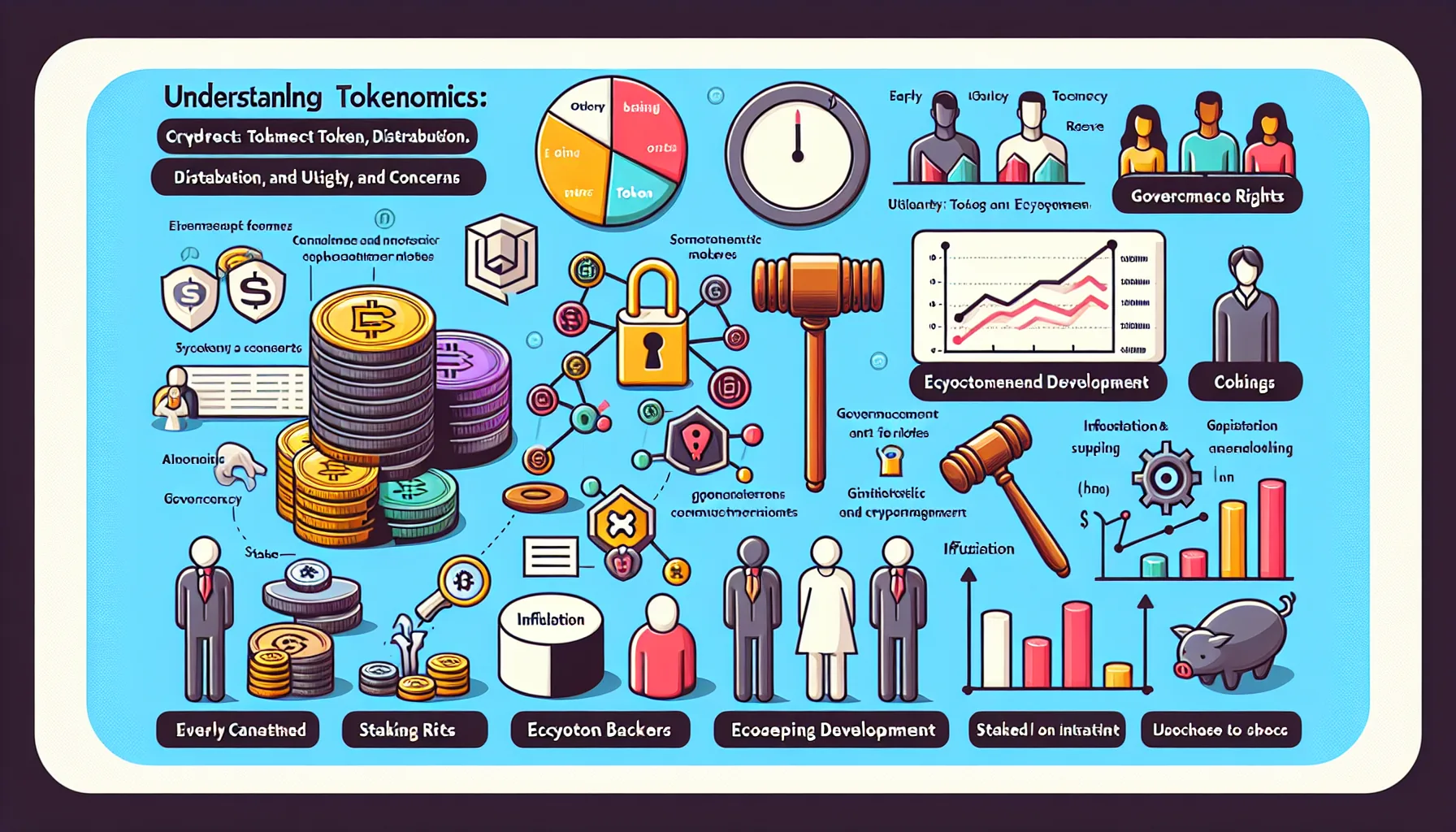
Understanding RADAR Tokenomics: Distribution, Utility, and Concerns
RADAR's tokenomics framework deserves significant attention due to its role in ensuring the sustainability and adoption of the ecosystem. The design of the token economy influences user behavior, governance mechanics, and long-term viability. Below is an in-depth exploration of the RADAR token structure, focusing on distribution, incentives, and challenges within its system.
RADAR Token Distribution Model
The initial token distribution of RADAR is critical to its overall tokenomics. A substantial allocation is directed toward early backers and contributors, including seed and private sale participants. While this approach supports early development, it raises the question of decentralization, as a concentration of tokens in the hands of early investors may influence governance decisions or create power imbalances in the network.
Additionally, a significant portion of tokens is reserved for ecosystem development, incentivizing adoption, and rewarding participation. This allocation underscores RADAR’s investment in fostering long-term engagement. However, token vesting schedules for these reserves—or lack thereof—could lead to concerns about sudden inflationary pressure if unlocks aren’t properly managed or communicated.
Token Utility Within the Ecosystem
The native RADAR token serves as the cornerstone of its ecosystem, powering both participation and transactional functionalities. Use cases vary widely, from governance voting rights to staking mechanisms and fee reductions. These utilities are designed to incentivize both holding and active use within the ecosystem.
However, a potential challenge arises from over-reliance on staking mechanisms. While staking can lock up circulating supply—reducing sell pressure—it also risks concentrating token holdings among early adopters or high-net-worth participants. This concentration could create artificial scarcity and potentially limit accessibility for smaller participants.
Another area of scrutiny is whether the token utility is adequately diversified. If a significant portion of the demand stems solely from speculative activity rather than organic ecosystem growth, this could expose RADAR to heightened volatility risks.
Inflation and Supply Metrics
RADAR utilizes a capped supply model, ensuring the token is non-inflationary once maximum supply is reached. While this appeals to those seeking deflationary dynamics, the ecosystem must be prepared for diminishing rewards over time. Dependency on non-token-based incentives, such as improved platform utility, becomes crucial in sustaining user engagement when token rewards plateau.
On the flip side, if the initial supply distribution favors high-velocity trades or speculative purposes, it risks diluting the incentive for genuine network adoption. A careful balance is needed to minimize the impact of trading behavior while promoting long-term ecosystem growth.
Governance Implications
RADAR token holders carry governance responsibility, making its distribution model key to decentralized decision-making. However, if whales or concentrated entities hold a majority of governance tokens, it could undermine democratic processes. This power imbalance poses risks to protocol upgrades or treasury allocations that benefit only a subset of contributors.
Careful monitoring of token holders' activity and incentivizing diverse participation are necessary to alleviate concerns around potential oligarchic control.
RADAR Governance
Governance Framework of RADAR: Structure, Decision-Making, and Challenges
The governance mechanics of RADAR are central to its operation as a decentralized protocol, granting stakeholders the ability to influence key network decisions. At its core, RADAR employs a token-based governance model, where holders of the native RADAR token have voting power proportional to their token holdings. However, like many decentralized systems, this governance structure is not without its nuances and potential limitations.
Decentralization and Voting Mechanisms
RADAR's governance is centered around proposals for protocol upgrades, parameter changes, and treasury allocations. Token holders can submit governance proposals, which are then reviewed by the community before moving to a voting phase. Voting takes place on-chain, utilizing smart contracts to ensure transparency and immutability. RADAR's staking requirements for governance participation mean that only staked tokens can be used to vote, reducing the risk of transient token holders influencing critical decisions. This approach invites long-term commitment but may inadvertently centralize power among large-scale stakeholders or institutional participants.
The Role of Delegation
To encourage wider participation, RADAR's governance supports delegation. Token holders can assign their voting power to delegates, who then act as decision-making proxies. This mechanism ensures that less active contributors or those unfamiliar with technical details can still have indirect involvement in shaping the protocol. However, delegation can create concentrated decision-making power, raising concerns over whether RADAR's governance is as decentralized in practice as it is in theory.
Treasury and Resource Allocation
A key function of RADAR’s governance involves the protocol’s treasury. Token holders have control over fund allocation, including ecosystem development initiatives, partnerships, and grants. However, the absence of universally agreed standards for ROI assessment on treasury spend can sometimes lead to misallocations or inefficiencies. Critics argue this lack of a formal structure for accountability could result in overfunding of initiatives that may fail to provide measurable benefits.
Challenges to Equitable Governance
One of RADAR's most visible governance challenges is voter apathy. Low participation rates in governance decisions remain a persistent issue, particularly for non-critical proposals. Additionally, the voting power linked directly to token holdings invites scrutiny over the equitable distribution of influence. The risk of governance capture by a small group of large token holders could conflict with the protocol's ethos of decentralization.
In an increasingly competitive Web3 landscape, RADAR’s governance framework will need to continuously adapt to balance decentralization with efficient decision-making while addressing concentration risks and operational shortcomings.
Technical future of RADAR
Technical Developments and Roadmap for RADAR Crypto Asset
Enhanced Layer-2 Integration
RADAR's continued push for robust layer-2 solutions has been a focal point in its development agenda. By integrating tightly with rollup technologies like zk-rollups and optimistic rollups, RADAR aims to significantly enhance scalability while maintaining low transaction costs. However, this strategy requires addressing interoperability challenges across heterogeneous layer-2 ecosystems, a problem that can potentially slow down adoption if not mitigated effectively. The reliance on external third-party protocols for off-chain computations and fraud proofs also introduces vulnerabilities, including centralized exit disputes and latency in settlement finality.
Advanced Data Indexing Protocols
RADAR’s emphasis on improving the underlying indexing system for blockchain data remains a critical technical pursuit. The upcoming integration of decentralized oracles and improved graph-based indexing architectures is intended to reduce query latency for dApp developers. While these advancements aim to solidify RADAR’s positioning as a decentralized Web3 data aggregator, issues like the growing computational complexity of processing expanding blockchain histories could hinder performance. Ensuring seamless backward compatibility with legacy systems will be critical for avoiding fragmentations in its ecosystem.
Transition to Modular Smart Contract Framework
The RADAR development team has outlined plans to transition to a modular smart contract framework to enhance upgradability and reduce the likelihood of vulnerabilities. This shift will allow developers to implement changes without disrupting the entire contract base, a key pain point in many existing architectures. However, modular smart contracts add layers of abstraction, which can complicate audits and introduce unforeseen attack vectors. A consistent emphasis on rigorous testing and regular third-party auditing will be required to mitigate these risks.
Focus on Cross-Chain Interoperability
RADAR’s technical roadmap highlights dedicated efforts toward cross-chain interoperability by integrating multichain bridges and standards like IBC (Inter-Blockchain Communication). This development could position RADAR as a pivotal player in facilitating seamless data sharing and liquidity management across diverse blockchains. Yet, existing cross-chain bridges have suffered from notorious attacks, and it remains to be seen how RADAR’s design can avoid similar security pitfalls. Applying novel cryptographic primitives, such as threshold signatures, could offer a safeguard, but implementing such mechanisms efficiently remains a challenge across multiple blockchain platforms.
Persistent Challenges with Network Decentralization
Despite progress in decentralization, RADAR struggles to resolve disparities in node distribution, with higher resource requirements concentrating validations in the hands of well-funded operators. This raises concerns about centralization risks and the potential for collusion within the network. Future updates to its consensus mechanism and incentivization structure must balance efficiency with equal accessibility if RADAR is to sustain its decentralized ethos.
Comparing RADAR to it’s rivals
How Does RADAR Compare to SOL in Key Aspects?
When assessing RADAR against its rival SOL, significant differences emerge in terms of technology, scalability, and ecosystem approach. These distinctions are critical for understanding each network's unique value proposition and potential trade-offs.
Scalability and Throughput
SOL, known for its emphasis on high throughput and rapid transaction speeds, leverages a unique Proof of History (PoH) mechanism combined with the Proof of Stake (PoS) consensus. This architecture enables SOL's network to process thousands of transactions per second (TPS), with relatively low latency – a major selling point within the crypto ecosystem. Comparatively, RADAR's scalability leverages its modular framework, which prioritizes the decoupling of execution, consensus, and data availability layers. While RADAR's modular design theoretically allows for limitless scalability, its efficiency is highly contingent on full interoperability between these layers and optimized implementation, something that SOL addresses through an integrated but monolithic approach.
RADAR offers flexibility and customization for developers, but its modular architecture introduces additional coordination complexity. This can lead to delays and potential bottlenecks, particularly during periods of rapid growth or unexpected traffic spikes. SOL’s advantage in this area lies in its simplicity of design, though it sacrifices some of the adaptability and decentralization that RADAR aims to provide.
Ecosystem Development
RADAR's ecosystem takes a different route entirely compared to SOL’s fast-paced growth. SOL has built a robust infrastructure for decentralized applications (dApps) and decentralized finance (DeFi), often highlighting its ecosystem’s maturity. However, critical issues like frequent network outages and centralization concerns have sometimes undermined its reputation among developers and users. RADAR’s focus on resilience and interoperability within its multi-layered paradigm seeks to address these specific pain points, though this effort is still in progress and carries its own risks.
RADAR emphasizes a developer-centric, interoperable model that may appeal to teams looking for flexibility and modularity. On the other hand, SOL’s tightly integrated approach has allowed it to accelerate ecosystem adoption more quickly, albeit at the cost of decentralization and occasional fragility.
Network Decentralization
SOL has often been criticized for its relatively high hardware requirements, which limit true decentralization by making validator participation more costly and resource-intensive. RADAR positions itself as a more decentralized alternative through its emphasis on lower barriers to entry for validation and the separation of its architectural layers. However, the practical implications of this have yet to be fully tested at scale, leaving room for uncertainty about how decentralized RADAR will remain as its ecosystem expands.
In summary, RADAR and SOL each have distinct technical philosophies and trade-offs that cater to different segments of the market. For some, SOL’s proven speed and ecosystem size may outweigh decentralization concerns. For others, RADAR’s long-term vision of modular, scalable, and interoperable network design holds greater promise—albeit with implementation risks still on the horizon.
RADAR vs. DOT: A Technical and Utility-Based Comparison
When comparing RADAR to Polkadot (DOT), the focus naturally shifts towards their respective visions for blockchain interoperability and decentralized application scalability. While both projects emphasize interconnected ecosystems, the methods they employ highlight substantial differences in architecture, use cases, and potential limitations.
Interoperability Approach: RADAR’s Oracles vs. DOT’s Relay Chain
One of RADAR’s defining features lies in its robust oracle infrastructure, which facilitates the seamless integration of real-world data into blockchain ecosystems. This positions RADAR as an asset highly tailored to projects requiring decentralized, accurate, and time-sensitive off-chain inputs. DOT, on the other hand, relies on its Relay Chain to enable interoperability between parachains on its network. This design is powerful for cross-chain communication internally but introduces constraints when interacting with external blockchains.
For RADAR, its external oracle connections allow for interoperability beyond its native ecosystem, offering flexibility in integrating with blockchains outside its direct purview. DOT, meanwhile, remains somewhat siloed when it comes to addressing external chain compatibility, often requiring bridges or additional protocols, which can introduce security risks or inefficiencies.
Consensus Mechanism and Decentralization
Polkadot leverages its Nominated Proof-of-Stake (NPoS) mechanism to manage validator selection and reward distribution, emphasizing a balance between performance and decentralization. RADAR’s underlying infrastructure, while not explicitly comparable in proof mechanism (given its oracle-specific nature), may face challenges in maintaining decentralization at scale. Relying on a smaller subset of oracle nodes could centralize control if not continuously monitored and improved. In contrast, DOT’s validator diversity bolsters its network security.
However, the downside for DOT comes from the steep technical requirements for its validators, which may limit participation or deter less resource-intensive stakeholders. RADAR’s modular oracle model could, theoretically, allow for quicker expansion but at the cost of detailed oversight to ensure integrity isn’t compromised over time.
Ecosystem Priorities: Expanding Domains vs. Specialized Use Cases
DOT’s primary advantage lies in its multi-chain focus, giving dApps on Polkadot the ability to operate on their independent parachains while still benefiting from shared security under the Relay Chain. This approach makes DOT an appealing choice for projects needing custom blockchains. RADAR, conversely, specializes in aggregating and distributing off-chain data—an inherently narrower scope which lacks the broader infrastructure ambitions of DOT. While this specialization results in a streamlined focus, it also pigeonholes RADAR into niche applications, making broader adoption within the DeFi or multi-chain world more challenging.
Scalability and Bottlenecks
Although DOT’s parachain architecture allows for substantial scalability in theory, its practical implementation is gated by limited parachain slots—allocated via auctions. This effectively introduces a bottleneck for new projects looking to build on the network. RADAR avoids this issue entirely, as its oracle services can integrate into various blockchains, irrespective of the network’s architecture. That said, RADAR’s scalability is predicated on the ability to handle increasing data requests without latency, which could become a sticking point with higher adoption.
Comparing RADAR to ADA: Key Differentiators and Insights
When analyzing RADAR's position in the crypto ecosystem, it’s critical to explore how it measures up against ADA, a well-established rival in the blockchain space. Despite both being designed with a focus on scalability and decentralization, their approaches to solving key challenges and their operational paradigms reveal significant points of divergence.
Consensus Mechanism and Design Philosophy
RADAR’s architectural framework prioritizes modular design and adaptability over rigidity. Its consensus mechanism leans on composable microservices that allow developers to plug in and optimize various network components. Conversely, ADA employs the Ouroboros proof-of-stake (PoS) protocol, often lauded for its formal verification methods and energy-efficient design. While ADA’s reliance on peer-reviewed academic research ensures rigor, it can also result in slower developmental iteration cycles compared to RADAR’s modular and agile framework. For blockchain projects that demand quick customization, RADAR’s flexibility may be more appealing even if it comes at the cost of certain formal guarantees.
Smart Contract Development and Ecosystem
ADA’s use of Plutus, a Haskell-based smart contract platform, has been a double-edged sword. While it ensures precision and security in contract execution, it has often been criticized for its steep learning curve, which can be a barrier for developers accustomed to mainstream programming languages. RADAR, in contrast, supports a broader set of tools and frameworks that lower the barrier for onboarding developers from diverse coding backgrounds. However, RADAR still faces challenges in building robust developer documentation and tooling to rival ADA’s highly structured ecosystem. For savvy developers, this tradeoff between accessibility and the assurance of rigor will influence adoption decisions.
Network Decentralization and Stake Distribution
One area where RADAR is often scrutinized is its stake distribution and governance model. While ADA has built a reputation for fostering community-centric governance practices through its staking model, RADAR’s comparatively nascent governance protocols raise concerns about the centralization of decision-making. ADA’s significant delegation of power to smaller pools ensures a wider distribution of influence, whereas RADAR still grapples with consolidating governance procedures to align with true decentralization principles. This imbalance could deter adoption from users wary of centralized control.
Scalability Versus Practical Throughput
While scalability is a core promise of both platforms, RADAR’s efforts to scale via sharding or modular layer-2 integrations often find themselves in competition with ADA’s approach of largely optimizing its base layer. However, the practical throughput of ADA’s network, particularly during peak congestion, has been questioned by users, giving RADAR an opportunity to carve out an advantage. Still, RADAR's solutions are not immune to latency issues when handling cross-shard communication, which could dampen performance under certain conditions.
RADAR’s rivalry with ADA underscores the complexity of evaluating blockchain ecosystems, each bringing distinct strengths and weaknesses into sharp relief.
Primary criticisms of RADAR
Primary Criticism of RADAR: Exploring Challenges in the Ecosystem
Centralization Concerns Amidst Decentralization Claims
While RADAR is positioned as a decentralized asset, a notable criticism stems from the level of control retained by its core development team and early stakeholders. The concentration of token supply in the hands of these entities raises serious concerns about genuine decentralization. For a project that markets itself as community-driven, the relatively low percentage of circulating supply controlled by smaller holders creates apprehension over governance manipulation and decision-making power being skewed toward a select few. This perceived lack of stakeholder diversity fuels doubts about its long-term durability as a truly decentralized project.
Questionable Scalability for High-Volume Applications
Another major criticism revolves around the scalability of RADAR's underlying infrastructure. Despite claiming to support high transactional throughput, real-world tests and stress scenarios have revealed limitations in its ability to handle network congestion during periods of peak activity. Critics argue this discrepancy undermines RADAR's ambition to stand alongside more robust Layer-1 and Layer-2 solutions. These scalability constraints might hinder adoption, especially for dApps or applications experiencing significant user demand, leaving developers uncertain about RADAR's reliability as a long-term foundation.
Ambiguities in Utility Versus Hype
Skeptics highlight that RADAR suffers from a lack of clear differentiation within the highly competitive crypto landscape. While its whitepaper outlines ambitious use cases, there is limited evidence showcasing substantial utility that sets RADAR apart from comparable projects. This has led to accusations of the asset being overly reliant on marketing narratives rather than delivering tangible advancements. Without broader adoption within real-world ecosystems, critics question whether RADAR's value proposition is built more on speculative enthusiasm than fundamental utility.
Security Risks Related to Code Integrity
Despite a strong claim of security, audit transparency has been a recurring issue for RADAR. Reports of delayed or incomplete disclosures regarding vulnerabilities have cast doubt over the integrity of its smart contracts. For savvy investors and developers alike, this raises red flags about the potential for exploits or breaches. Additionally, the reliance on a relatively small group of contributors for protocol updates may increase operational risk, leaving the network underprepared for emergent threats.
Fragmented Ecosystem Development
The RADAR ecosystem appears fragmented, with underdeveloped integrations and partnerships failing to materialize at the pace anticipated by its community. This sluggish progress has raised concerns about the project's capacity to meet its roadmap goals. Developers and users may question whether the ecosystem's vision can gain traction amidst a competitive and rapidly evolving crypto environment, especially when faced with rivals delivering faster, more cohesive growth.
Founders
RADAR Crypto Asset: Founding Team Insights
The founding team behind RADAR, a blockchain-based project with ambitious goals in the decentralized ecosystem, is a critical factor for understanding its development and execution trajectory. The team has positioned itself at the intersection of decentralized finance (DeFi), data analytics, and community-driven governance, claiming to emphasize innovation and user empowerment. However, while their credentials showcase significant promise, a deeper analysis reveals both strengths and potential vulnerabilities.
Team Composition and Expertise
The RADAR founding team consists of individuals with diverse backgrounds spanning blockchain engineering, data science, and product development. Key contributors have previously been associated with well-known blockchain projects and DeFi initiatives, showcasing a solid understanding of the technical and operational landscapes necessary to run a decentralized platform. Notably, some members have published papers or contributed to open-source blockchain protocols, which reflects credibility and industry recognition.
Despite their apparent qualifications, the team’s relative anonymity poses a potential concern, particularly for a segment of crypto investors that values transparency on leadership. While pseudonymity is not unusual in crypto (and aligns with decentralized ethos), it can raise questions about long-term accountability and trust. Investors and stakeholders in RADAR may find it prudent to investigate how governance structures address potential risks tied to limited public exposure of its leadership.
Vision and Execution Challenges
The RADAR team prioritizes interoperability and accessibility in its product vision, with an emphasis on integrating decentralized analytics tools. However, ambitious visions often collide with execution challenges. The team’s roadmap, while robust, runs the risk of overextension since it aims to juggle complex product features and community-building simultaneously—a scenario familiar to other crypto projects that have struggled under similar conditions. Strategic focus and effective delegation of resources will likely be critical for RADAR’s sustained growth.
Additionally, the founding team's history reflects limited experience in scaling user adoption to mainstream markets. This gap could prove challenging in fostering ecosystem growth beyond the crypto-native user base. Given the competitive nature of the industry, where numerous analytics and DeFi tools vie for users, RADAR's ability to innovate hinges on whether its team can effectively break through the clutter.
Community Interaction and Response
While the team promotes its commitment to decentralization and community engagement, some have voiced concerns regarding the perceived lack of transparency in decision-making processes during RADAR’s early development phases. Further emphasis on incorporating community feedback into governance may be required to dispel lingering doubts and strengthen trust among token holders and contributors.
At its core, the RADAR founding team demonstrates technical aptitude and visionary thinking, but navigating the pitfalls of scaling, transparency, and accountability remains a critical challenge.
Authors comments
This document was made by www.BestDapps.com
Sources
https://radar.xyz/
https://github.com/radarlabs/radar-core
https://radar.xyz/whitepaper.pdf
https://etherscan.io/token/0x... (Replace with RADAR's smart contract address)
https://coingecko.com/en/coins/radar
https://coinmarketcap.com/currencies/radar
https://blog.radar.xyz/
https://radar.xyz/yellowpaper.pdf
https://docs.radar.xyz/
https://twitter.com/radarcrypto
https://medium.com/@radarxyz
https://github.com/radarlabs/radar-integration
https://defillama.com/protocol/radar
https://dappradar.com/token/radar
https://nansen.ai/radar
https://radar.substack.com/
https://cointelegraph.com/tags/radar
https://decrypt.co/tag/radar
https://messari.io/asset/radar


