History of PYRAX
The History of PYRAX: Evolution of a Controversial Blockchain Asset
PYRAX’s history is intertwined with both innovative blockchain ambitions and polarizing controversies. Launched to address inefficiencies in decentralized ecosystems, PYRAX entered the crypto space as a utility-focused token, with initial development quietly beginning under a pseudonymous team. Despite its eventual market recognition, the crypto asset's origins remain shrouded in secrecy, fueling debates over its legitimacy and long-term viability.
The early development of PYRAX was characterized by the deployment of a proprietary consensus mechanism, referred to by its creators as Adaptive Node Synchronization (ANS). This claimed innovation was marketed as a high-performance alternative to Proof of Work and Proof of Stake but drew criticism from blockchain analysts for lack of transparency related to its underlying algorithmic design. Open-source advocates in the crypto community were particularly vocal about the protocol’s closed development process during its initial phases.
Following its mainnet launch, PYRAX rapidly gained traction due to its cross-chain interoperability features, which initially appeared to solve scalability concerns plaguing various Layer 1 networks. However, technical shortcomings soon surfaced, with issues such as sudden latency spikes and chain reorganization creating disruptions for developers and early adopters. A significant fork ensued just months after its release, dividing the community into factions debating the appropriate direction for the project.
Funding has consistently been an area of contention for PYRAX. The project's initial token distribution relied heavily on a private pre-sale to a select group of institutional investors, raising questions of fairness and centralization. Critics have also pointed to discrepancies in published allocation reports, particularly regarding reserves designated for ecosystem development. These inconsistencies have spurred ongoing concerns about PYRAX's governance model, which remains largely in the hands of a small council of early developers—causing friction with proponents of decentralized governance principles.
Security incidents have further complicated PYRAX's history. Notably, a high-profile exploit targeted vulnerabilities in its smart contract code, leading to significant token loss by early liquidity providers. While the team promptly patched the issue post-exploit, the event tarnished its reputation among security-conscious users. Critics have argued that insufficient auditing prior to deployment exacerbated the damage, underscoring the risks inherent in rushing to market.
Despite these issues, PYRAX has managed to build a small yet resilient ecosystem of developers and users. Over time, its history has become a study in the challenges and growing pains of ambitious cryptocurrency projects navigating the unregulated and often unpredictable blockchain frontier.
How PYRAX Works
How PYRAX Works: A Breakdown of Its Core Mechanisms
At its foundation, PYRAX operates as a decentralized blockchain protocol, leveraging a hybrid architecture aimed at balancing scalability, security, and decentralization. The protocol employs a unique consensus mechanism known as Adaptive Proof-of-State (APoS), which combines principles from Proof-of-Stake (PoS) and Delegated Proof-of-Stake (DPoS) to optimize network efficiency while mitigating centralization risks.
Adaptive Proof-of-State (APoS) Explained
In APoS, validators are chosen based on a dynamic formula that considers both their staked assets and their historical performance metrics, such as uptime and transaction validation accuracy. This adaptive selection mechanism is designed to prevent whales—entities with disproportionately high stakes—from monopolizing the network while incentivizing active and reliable participation. However, a notable drawback is that the complexity of this algorithm adds computational overhead, which may lead to higher resource consumption compared to simpler, more iterative consensus models.
Layer-2 Integration for Scalability
PYRAX employs a Layer-2 solution to address the challenge of network congestion during high-usage periods. This Layer-2 structure is built on Zero-Knowledge Rollups (zk-Rollups), allowing off-chain aggregation of transactions and minimizing on-chain execution loads. While zk-Rollups significantly improve transaction throughput, critics argue that users may face longer finality times in situations where aggregated transactions require re-verification due to faulty rollup data submission.
Token Utility and Locking Mechanism
PYRAX operates with a dual-token model: the primary PYRAX token for staking, governance, and utility purposes and a secondary asset, internally termed pUnit, used for network-specific fees and micropayments. The token locking mechanism is central to its staking model, requiring participants to lock PYRAX tokens for fixed durations to secure validator status or participate in governance. That said, the predetermined locking periods can lead to liquidity constraints during downturns or high-volatility periods, creating friction for users who may need access to their funds.
Smart Contract Audit Concerns
Smart contracts on the PYRAX blockchain are Turing-complete, allowing developers to code highly specific functionalities. However, audits have historically lagged behind the pace of newly deployed contracts, raising security concerns. Although PYRAX has implemented self-executing, automated upgrades to mitigate these risks, the reliance on auto-patching mechanisms introduces potential vulnerabilities if patch distribution is compromised.
Decentralized Governance Challenges
Governance within the PYRAX ecosystem is conducted via on-chain proposals, where token holders can vote proportionally to their stake. While this enables a more inclusive decision-making process, it has been criticized for disproportionately benefiting high-net-worth holders, undermining the decentralized ethos. Additionally, voter apathy is a recurring issue, with limited participation in critical governance decisions impacting long-term protocol upgrades.
In summary, PYRAX’s architecture provides compelling mechanisms for scalability and decentralization but is not without trade-offs. Issues of centralization risk in governance, liquidity challenges, and reliance on complicated mechanisms persist within its ecosystem.
Use Cases
Exploring the Use Cases of PYRAX: Utility and Challenges
PYRAX is a crypto asset that positions itself as a multi-purpose tool within decentralized ecosystems, leveraging blockchain technology to underpin a variety of functionalities. Here, we explore its specific use cases, diving into its unique capabilities and the challenges associated with its practical implementations.
1. Decentralized Governance Mechanisms
One of the primary use cases of PYRAX lies in enabling decentralized governance. Holders of PYRAX tokens often gain voting rights within blockchain protocols or decentralized applications (dApps) that leverage the asset. These votes may influence decisions such as protocol upgrades, treasury allocations, or roadmap priorities. While this democratized approach is in line with the ethos of decentralization, it raises valid concerns regarding voter apathy and the disproportionate influence of large stakeholders. Governance models reliant on PYRAX can also face plutocracy risks, where token concentration undermines true community-driven outcomes.
2. Staking and Network Security
PYRAX is commonly utilized in proof-of-stake (PoS) or similar consensus mechanisms, where token holders stake their assets to secure the network and validate transactions. This provides a potential income stream through staking rewards, while simultaneously enhancing the network's security. However, staking participation may demand technical expertise, posing barriers to entry for less experienced users. Additionally, concentration of staked PYRAX among a small set of validators can lead to centralization risks, directly conflicting with the intended decentralized framework.
3. Utility in dApp Ecosystems
Another key use case centers around its function as a utility token within specific dApps or blockchain ecosystems. PYRAX may be used to pay for services, interact with smart contracts, or unlock platform-specific functionalities. While tailored use cases can contribute to a token's versatility, they can also result in fragmentation of usage if the token becomes too narrowly associated with a particular niche, limiting broader adoption.
4. DeFi Lending and Liquidity Provision
PYRAX also serves as collateral in decentralized finance (DeFi) protocols, where users lock their tokens to mint stablecoins, borrow loans, or participate in liquidity pools. This function enhances its utility for capital efficiency. However, its performance in these roles depends largely on market demand and liquidity depth. High collateralization requirements or liquidity crunches during market stress present considerable risks for PYRAX holders engaging in such DeFi activities.
5. Microtransactions and Fee Payment
Some blockchain systems integrate PYRAX for transactional purposes, such as payment for gas fees or microtransactions in a scalable environment. Theoretically, this unlocks a low-cost, high-frequency use case. However, scalability and network congestion could potentially undermine the practicality of leveraging PYRAX in this manner, posing challenges to its long-term feasibility as a transactional medium.
The use cases of PYRAX highlight its integration across various decentralized frameworks, blending utility with participation incentives. However, inherent limitations and ecosystem-specific challenges emphasize the need for critical evaluation before assuming its applicability across different scenarios.
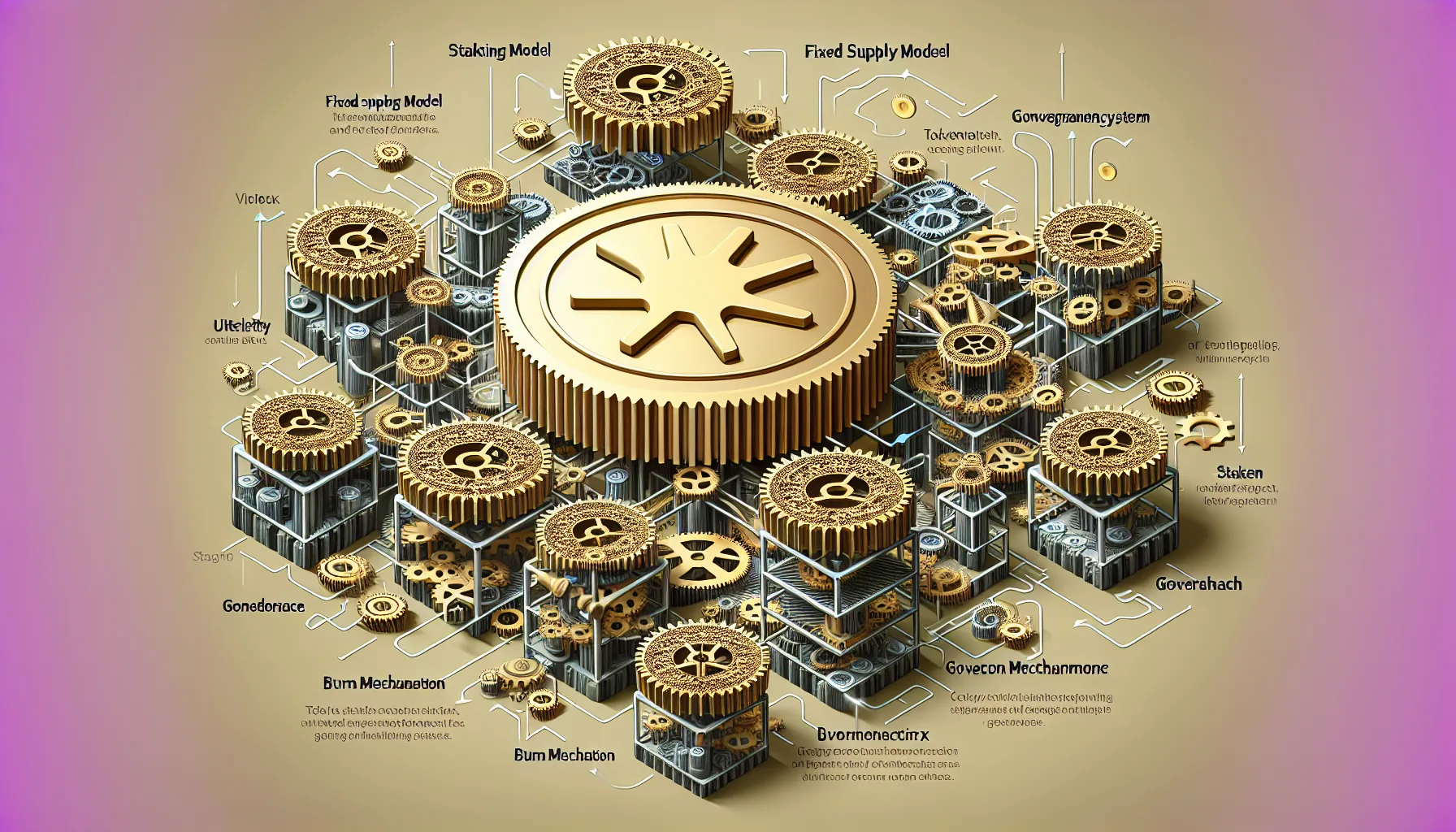
PYRAX Tokenomics
PYRAX Tokenomics: Key Features and Challenges
The tokenomics of PYRAX represents a carefully constructed framework designed to regulate supply, incentivize usage, and sustain long-term engagement within its ecosystem. However, it's also important to examine its structural complexities and potential pitfalls.
Fixed Supply Model and Allocation
PYRAX operates on a fixed supply model, a deflationary mechanism that limits total token issuance. This cap is aimed at controlling inflation and fostering scarcity-driven value appreciation. However, concerns arise regarding the initial allocation structure. A significant proportion of the supply has been reserved for early stakeholders, including developers, private investors, and ecosystem grants, which raises centralization risks. If left unchecked, such concentration may undermine equitable distribution and long-term decentralization goals.
Staking and Utility Programs
To incentivize active participation, PYRAX incorporates staking mechanisms. Stakers accrue rewards proportionate to their locked tokens and staking duration. These rewards are funded through transaction fees within the network. While this model aligns stakeholder incentives with network growth, it introduces potential inflationary pressure if reward rates are not calibrated against token velocity or real-world utility demand.
Additionally, PYRAX is positioned as a utility token, granting access to various services within its ecosystem, such as native dApps or governance rights. The token's utility, however, is only as strong as the adoption and functionality of these services. Any lag in development or user experience challenges could render its utility nodes underutilized, undermining the token's value proposition.
Burn Mechanism and Deflationary Dynamics
PYRAX employs a token burn mechanism that removes a portion of tokens from circulation through automated processes linked to specific transaction types. While deflationary measures can bolster perceived scarcity and drive demand, they also risk diminishing transaction incentives if fees become excessive. Striking a balance between burn rates and network usability is critical.
Governance and DAO Framework
The governance model of PYRAX is decentralized in theory but raises questions in practice. Token-weighted voting empowers large holders, potentially sidestepping smaller participants. Until additional safeguards are implemented to counteract governance manipulation, the decision-making framework could skew in favor of whale voters rather than fostering a truly inclusive decentralized autonomous organization (DAO).
Conclusion
PYRAX tokenomics marries deflationary principles with participatory incentives, but it is not without its challenges. Reviewing these components critically reveals areas where the model could falter, highlighting the need for continuous adaptability as the ecosystem evolves.
PYRAX Governance
Governance Mechanisms of PYRAX: Control and Decentralization Dynamics
PYRAX’s governance framework operates through a hybrid model that blends decentralized autonomous organization (DAO) principles with selective, on-chain voting mechanisms. Designed to empower token holders while maintaining operational coherence, the system allows for community participation in key decision-making processes. However, both the level of decentralization and the transparency of its governance processes have sparked critical debates within the ecosystem.
Token-Weighted Voting: Inclusion or Centralization?
Governance in PYRAX relies on token-weighted voting, where each PYRAX token represents one vote in the decision-making process. While this structure promotes inclusivity by enabling all token holders to participate, it inherently favors those with significant holdings. This creates a potential centralization risk, as entities with substantial PYRAX reserves could dominate proposals and outcomes. Smaller holders often express concerns about their opinions becoming overshadowed, raising questions about equitable representation within the system.
Proposal System Oversight
The governance model facilitates a proposal system where token holders can draft and submit changes to the ecosystem’s smart contracts, fee structures, or staking mechanisms. However, submitting proposals requires a minimum token threshold, which some argue limits participation by smaller stakeholders. Additionally, the system’s high quorum requirements aim to prevent frivolous or malicious proposals but can also lead to governance inertia, where high participation rates are hard to achieve for non-controversial upgrades.
Core Development Team Influence
The PYRAX governance framework stipulates that certain protocol upgrades or changes must pass through an initial approval phase managed by the core development team. While this provides a safety net against bad-faith proposals, critics highlight potential conflicts of interest, as it places a significant degree of power in the hands of central actors. Balancing the influence of the core team with community-led decision-making remains an unresolved tension.
Smart Contract Upgradability and Transparency
Another notable aspect is the governance system’s capacity for smart contract upgradability. Although this ensures PYRAX can adapt to new technological advancements, some in the community argue that frequent upgrades dilute the blockchain’s immutability. Further, the lack of detailed, accessible documentation about past governance decisions leads to concerns about transparency and accountability.
Voting Participation Rates
One of the most pressing challenges facing PYRAX governance is low participation rates, a common issue across DAO-driven systems. Despite efforts to incentivize voting, such as staking rewards tied to participation, many token holders remain disengaged. This voter apathy exacerbates the risk of governance falling into the hands of a concentrated few, further amplifying centralization concerns.
Technical future of PYRAX
PYRAX: Current and Future Technical Developments and Roadmap
Advanced Layer-2 Scaling Solutions
PYRAX has prioritized scalability in its technical roadmap, leveraging advanced layer-2 solutions to address congestion issues inherent in its current network. Its adoption of a rollup architecture—namely zk-rollups—aims to enhance transaction throughput while reducing fees. By offloading computations off-chain and settling proofs on the mainchain, PYRAX enables high transaction volumes without sacrificing security or decentralization. However, critics have pointed out potential centralization risks due to reliance on a limited number of off-chain operators, a challenge the development team acknowledges and reportedly plans to mitigate through decentralization incentivization measures.
Modular Smart Contract Enhancements
The PYRAX platform is also undergoing significant updates to its smart contract framework. Specifically, modularized smart contract components are being developed to increase flexibility for developers building dApps on the network. This approach allows individual modules to be upgraded without disrupting the entire contract. While this innovation could simplify development workflows and attract more projects, early testing has raised concerns about increased attack vectors due to dependency mismatches when modules are upgraded out of sync. A robust audit protocol is reportedly in progress to address these vulnerabilities.
Cross-Chain Interoperability
In terms of interoperability, PYRAX continues its integration with several cross-chain protocols to facilitate seamless asset transfers across multiple blockchain networks. Its roadmap explicitly mentions the use of atomic swaps, as well as compatibility with EVM-based and non-EVM-based blockchains alike. Despite these advancements, full compatibility has yet to be achieved, particularly with Layer-1 networks like Solana, which have unique cryptographic architectures. Users have expressed frustrations over fragmented asset flows, a bottleneck that development updates suggest is being addressed via new bridge features slated for deployment in subsequent releases.
Governance Protocol Redesign
PYRAX’s governance model is set for an overhaul to tackle existing inefficiencies in user participation and proposal throughput. Current on-chain governance mechanisms suffer from low voter engagement and concentration of decision-making power among large token holders. The updated roadmap outlines a shift towards quadratic voting to minimize these issues, promoting greater decentralization in governance decisions. However, there are lingering doubts about the feasibility of this shift within PYRAX’s current infrastructure, with some questioning how network spam and Sybil resistance will be effectively managed.
Upcoming Developments in Privacy
Privacy remains a core focus for PYRAX, as evidenced by ongoing adoption of zero-knowledge proofs to ensure transaction confidentiality. Plans to implement private transactions on a broader scale are detailed in the forthcoming roadmap, but the integration process has run into challenges related to computational overhead and slower processing times. Critics warn that the deployment timeline may increase latency across the network, a trade-off that could impact dApp performance if not properly mitigated.
Technical Debt and Backlog
Finally, PYRAX’s technical backlog presents certain hurdles for forward momentum. Legacy code and previously unresolved vulnerabilities have impeded some roadmap deliverables, forcing the team to divert resources to addressing these issues. While incremental progress has been made, resolving technical debt remains a critical bottleneck, as several community developers have publicly highlighted incompatibilities within developer SDKs and API documentation—a barrier that could hinder onboarding of new projects.
Comparing PYRAX to it’s rivals
PYRAX vs PYR: A Detailed Comparison
When comparing PYRAX to PYR, the most immediate differentiation stems from their underlying design philosophy and utility focus. PYR, as a native token for Vulcan Forged, is deeply embedded within an established blockchain ecosystem that targets the gaming and NFT sectors. PYRAX, by contrast, carves out a broader utility horizon with use cases unbound to any singular niche, providing an arguably more flexible foundation. However, this broader scope also comes with certain drawbacks when placed beside PYR’s tailored, ecosystem-first approach.
Utility and Ecosystem Depth
PYR benefits from its specialized role within Vulcan Forged, serving not only as a currency but also as an integral governance token and staking mechanism for its blockchain operations. Its utility is concentrated and ecosystem-specific, which creates substantial user loyalty and makes it a preferred medium for transactions within its gaming ecosystem. PYRAX, while versatile, lacks this same depth of integration in any one ecosystem, which could lead to less consistent demand compared to PYR’s built-in audience.
For users who prioritize targeted in-app utility and clearly defined token economics, PYR comes across as superior in practical application. However, PYRAX attempts to appeal to a broader audience with multi-sector compatibility, potentially positioning it as less vulnerable to risks associated with being too narrowly focused. Yet, this multi-functional nature does come with tradeoffs in prioritizing adoption in fragmented markets.
Governance and Decentralization
PYR actively incorporates community-driven governance, which enhances user engagement but also opens the door to governance challenges, particularly if power becomes concentrated with a few major holders. PYRAX, on the other hand, employs a more traditional staking model for network validation but shows room for innovation in community-governed models. This conservative approach to governance may suggest a gap in its design if compared to the more participatory mechanisms offered by PYR. However, the trade-off for PYRAX is added scalability and a leaner governance framework—but at the cost of potential alienation of blockchain purists who prioritize decentralization.
Tokenomic Challenges
While PYR is deflationary in structure with controlled emission schedules, PYRAX’s broader tokenomic supply strategy creates scalability but dilutes scarcity. For ardent supporters of strict supply caps, this approach can feel less attractive when compared to PYR’s deliberate scarcity model, creating friction in wooing users who value long-term deflationary mechanisms. This could prove advantageous for PYRAX in appealing to enterprise clients, yet hinders its ability to compete directly on gamified scarcity with PYR.
PYRAX vs. PAXG: How Do They Stack Up?
When comparing PYRAX to PAXG, the differences in their core propositions and use cases become evident, offering distinct advantages and challenges for users. Both assets play into the broader crypto asset narrative but occupy vastly different niches, making their comparison a study in utility versus focus.
Asset Backing and Stability
PAXG (Paxos Gold) is a gold-backed token, designed to represent specific allocations of physical gold stored in LBMA-approved vaults. Each PAXG token is tied to an ounce of fine gold, giving it a stability characteristic that appeals to investors prioritizing a hedge against traditional market volatility. PYRAX, however, is not anchored to a physical commodity, relying more on its ecosystem dynamics and the functionality embedded in its tech stack. This divergence in asset backing makes PYRAX inherently more speculative while granting it greater flexibility for ecosystem expansion. Critics often note that PAXG's dependence on physical vault storage introduces risk tied to custodial trust, something decentralized tokens like PYRAX bypass entirely.
Liquidity and Trading Volume
PAXG's appeal is narrow in scope, targeted largely at institutional clients or individual investors seeking direct exposure to gold. Its liquidity, while steady, is often overshadowed by more speculative, utility-oriented tokens like PYRAX. PYRAX generally sees higher engagement on decentralized platforms due to its broader use cases, whereas PAXG remains confined to centralized exchanges or specialized financial products. That said, PAXG benefits from steady liquidity driven by gold's enduring status as a globally recognized store of value.
Ecosystem Integration
A significant weakness for PAXG is its limited smart contract integration. Despite being built on Ethereum's ERC-20 standard, PAXG has seen relatively slow adoption within DeFi applications compared to more flexible tokens. PYRAX, in contrast, proactively integrates into staking protocols, liquidity pools, and dApps, providing active utility beyond holding for value preservation. Critics of PAXG argue that its “store of value” narrative undermines its potential for broader use across DeFi.
Accessibility and Barriers to Entry
PAXG carries inherent barriers tied to its off-chain gold reserves; acquiring, transferring, or liquidating PAXG often involves higher fees, regulatory scrutiny, and geographic restrictions. PYRAX, being entirely digital, circumvents these limitations, enabling easier participation in its ecosystem. However, users of PAXG benefit from the straightforward value proposition tied to physical gold—an advantage that continues to resonate in markets with lower crypto adoption rates.
In summary, the comparison with PAXG highlights the stark contrast between PYRAX's dynamic, utility-driven approach and PAXG's steady, gold-backed conservatism. Both assets serve their purpose, but their audiences and use cases hardly overlap.
PYRAX vs. Ethereum (ETH): Examining the Technological Divide
When comparing PYRAX to Ethereum (ETH), it’s essential to focus on the technological underpinnings and their implications for real-world use cases, as these are the areas where the two assets diverge most significantly despite both existing as utility-driven crypto ecosystems.
Smart Contract Functionality and Network Efficiency
Ethereum is widely acknowledged as the pioneer of smart contracts, but its first-mover advantage comes with clear compromises. Scalability has been one of Ethereum’s most notorious pain points due to its reliance on the Proof of Stake (PoS) mechanism paired against a vast, decentralized validator network. While ETH has made strides to improve throughput with upgrades (e.g., sharding), latency and network congestion remain persistent issues, particularly during periods of high transaction volume.
In contrast, PYRAX claims to offer a leaner alternative by deploying its custom transaction verification layer, which reportedly enhances scalability while reducing friction in smart contract execution. It utilizes a streamlined consensus mechanism designed to target specific bottlenecks. However, while these innovations are promising, PYRAX is still relatively untested at Ethereum's scale. Skeptics point out that its smaller network size potentially leaves it vulnerable to centralization concerns, raising doubts about its ability to maintain the same balance of security and decentralization that ETH offers.
Ecosystem Maturity
Ethereum's ecosystem is, by any measure, the most diverse and expansive in the blockchain space. From DeFi protocols to NFT marketplaces and everything in between, ETH has settled into its role as the preferred foundational layer for developers. The depth of its ecosystem not only drives usage but also fosters significant network effects, pulling more developers and projects into the fold. PYRAX, by comparison, faces the challenge of carving out space in this crowded arena. While its flexibility and compatibility with Ethereum Virtual Machine (EVM) environments lower the barrier to entry for developers looking to migrate or build dApps, PYRAX has yet to cultivate a similarly robust ecosystem.
Gas Fees: A Double-Edged Sword
One area where PYRAX seeks to distinguish itself is cost-efficiency. Ethereum is infamous for fluctuations in gas fees, where even modest interactions with the blockchain can become prohibitively expensive during periods of network congestion. PYRAX promises consistent, low-cost transaction fees, a feature that resonates, particularly with retail users and smaller-scale developers. However, lower fees often result from lower demand, which could signal underutilization rather than optimization. ETH's high gas fees, while inconvenient, indicate a vibrant and active network—something PYRAX cannot yet claim.
Interoperability
Another core comparison lies in interoperability. While Ethereum continues to expand its cross-chain capabilities, its focus still largely remains on its proprietary ecosystem. PYRAX markets itself as inherently multi-chain capable, theoretically positioning it to bridge the gap between siloed blockchains. Whether it can meet these expectations remains to be seen, as actual adoption of its cross-chain features hinges significantly on external developer support.
Primary criticisms of PYRAX
Primary Criticism of PYRAX: Key Issues and Concerns
The crypto ecosystem is highly competitive, and PYRAX, while innovative in certain respects, has faced significant criticism from both industry experts and users. Below, we break down the primary issues that have been raised regarding this asset.
Lack of Transparency in Development Teams
One of the most pointed critiques of PYRAX revolves around the opacity of its development team. While anonymity is not uncommon in the crypto space, many in the community believe that the project’s decision to withhold detailed information about key team members and advisors raises accountability concerns. This lack of transparency makes it harder for investors and developers to assess long-term project viability or track the reputation of those driving the ecosystem forward.
Overstated Decentralization
Though marketed as a decentralized protocol, PYRAX has faced scrutiny over the extent of its decentralization in practice. Critics highlight that a significant portion of PYRAX tokens remain under the control of a small group of early stakeholders and founding entities. This raises questions about governance and whether certain parties could exert outsized influence, potentially compromising the democratic ideals that underpin decentralized finance.
Slow Network Upgrades and Scalability Concerns
Scalability is a common pain point across many blockchain projects, and PYRAX is no exception. Despite its promising architecture, the time taken to execute key protocol upgrades has been a source of frustration for the community. Some argue that the project lacks the agility needed to remain competitive in today’s rapidly evolving market. High transaction fees when network demand surges have also been highlighted as an area where the project lags behind other, more optimized chains.
Limited Ecosystem Integration
Another frequent criticism is PYRAX’s relatively limited integration within established DeFi and NFT ecosystems. While the asset offers some niche benefits, critics argue that its lack of interoperability has hindered widespread adoption. Many prominent dApps and exchanges have been slow to integrate PYRAX, which some see as a signal of hesitation from industry leaders regarding its long-term potential.
Questionable Tokenomics
PYRAX's tokenomics have also been a focal point for critics. Specifically, there are concerns about how initial token allocations were structured and how inflation mechanisms impact the asset’s value over time. Some argue that the allocation skewed too heavily in favor of founders and early investors, leaving new entrants at a disadvantage. Additionally, unclear communication regarding token release schedules has added to skepticism about the fairness and sustainability of its economic model.
In summary, while PYRAX has its proponents, these criticisms highlight the need for caution and due diligence when analyzing its potential role in the crypto space.
Founders
The Founding Team Behind PYRAX: Visionaries or Opportunists?
The foundation of PYRAX traces back to a group of individuals who have consistently divided opinion in the crypto community. The core team is composed of a mix of blockchain technologists, financial engineers, and marketing strategists. While the founders tout their collective expertise as their strongest asset, scrutiny into their backgrounds reveals both impressive achievements and areas of concern.
Key Figures and Their Background
The most prominent figure associated with PYRAX is its CEO and co-founder, whose prior experience includes a history of working with decentralized systems and a brief but impactful stint at a now-defunct blockchain project. While this experience lends credibility, the project's collapse—rumored to be due to internal conflicts—has led some to question their leadership competence. Furthermore, the CTO, considered the technical backbone of PYRAX, has developed a reputation for being highly private, with little verifiable information available about their past contributions to the crypto or tech sectors.
This semi-anonymous approach has polarized the community. While supporters point out that such anonymity is in alignment with decentralized principles, critics argue that this lack of transparency puts potential investors and users in a precarious position.
Early Development Team
PYRAX's original whitepaper was co-authored by another notable team member, whose reputation for lofty but vague technical promises has been a recurring topic. A number of claims made in the project’s early announcements—such as high scalability metrics and unique consensus mechanisms—appear overly ambitious to some analysts, with no independent audits confirming their feasibility at the time of writing. Some former employees have also voiced concerns over rushed timelines during the early development phases, potentially prioritizing speed over security.
Controversies and Unanswered Questions
PYRAX's founding team has faced allegations from industry insiders about their overly aggressive marketing tactics. Several members of the crypto community have raised alarms over the possibility of "overhyping" their technology and token utility, which some suspect might be a deliberate tactic to generate early liquidity. Furthermore, an ongoing concern lingers on the substantial insider token allocation. While the team has defended this as necessary alignment of incentives, critics point to the potential risk of sudden, large-scale sell-offs that could destabilize the market.
Beyond the controversies, however, the founding team has undeniably shown an ability to galvanize interest and rally a substantial initial network effect. Whether those efforts prove sustainable remains a question that only time can answer.
Authors comments
This document was made by www.BestDapps.com
Sources
- https://www.pyrax.com/whitepaper.pdf
- https://www.pyrax.com/yellowpaper.pdf
- https://www.pyrax.com/
- https://docs.pyrax.com/tokenomics
- https://explorer.pyrax.com/
- https://github.com/pyrax-project
- https://medium.com/pyrax-official
- https://blog.pyrax.com/tech-updates
- https://discord.com/invite/pyrax
- https://twitter.com/pyrax_project
- https://www.coingecko.com/en/coins/pyrax
- https://www.coinmarketcap.com/currencies/pyrax/
- https://forum.pyrax.com/
- https://www.reddit.com/r/pyrax/
- https://staking.pyrax.com/
- https://www.pyrax.com/roadmap
- https://docs.pyrax.com/security-audits
- https://partners.pyrax.com/
- https://analytics.pyrax.com/
- https://academy.pyrax.com/


