History of INDX
The History of INDX: Development, Challenges, and Key Milestones
INDX emerged as a blockchain-based crypto asset designed to leverage masternode staking rewards as a yield-generating mechanism. The project aimed to automate the process of staking and reward distribution, positioning itself as a pioneer in passive income strategies within the crypto space.
Early Development and Launch
INDX was conceptualized as a way to democratize masternode investing, eliminating the technical and financial barriers typically associated with running nodes. Its development team initially focused on building a proprietary algorithm that could optimize staking selections for maximum returns. The asset launched through a token sale, securing early adopters with the promise of systematically distributing masternode-generated rewards.
Technical Challenges and Protocol Adjustments
As the project evolved, various challenges emerged, particularly in maintaining consistent yields amid shifting masternode economics. The team had to refine the selection process for hosted nodes, adjusting for fluctuating reward rates and changing blockchain dynamics. Additionally, technical limitations in smart contract automation led to periodic delays in reward distribution, raising concerns about operational efficiency.
Security audits and network stress tests were conducted to prevent potential exploitation, but scalability issues persisted. These hurdles prompted multiple updates and restructuring efforts aimed at increasing transparency and optimizing reward calculations. Some investors voiced concerns over opaque decision-making regarding node selection, leading to increased demands for on-chain governance mechanisms.
Regulatory Considerations and Market Adaptation
The evolving regulatory landscape also posed hurdles for INDX, particularly in jurisdictions with stringent rules on income-generating crypto assets. As legal frameworks around staking and yield-based tokens became more defined, compliance adaptations were necessary. These adjustments occasionally affected payout structures and required modifications to the asset's tokenomics.
The market fluctuations of prominent masternode-based cryptocurrencies further pressured INDX’s reward stability. As certain masternode coins collapsed or saw reduced liquidity, the project had to pivot toward more sustainable staking options, sometimes reducing overall yield potential.
Community and Ecosystem Developments
Community engagement played a key role in the project's trajectory. While early supporters praised the passive income potential, critical voices raised concerns over centralization in node operation and the dependency on specific masternode assets. Governance discussions emerged, with proposals for greater decentralization and improved transparency in fund allocations.
Ongoing modifications in staking strategy and evolving regulatory considerations have continuously shaped INDX's development. While the project has achieved significant milestones, its history reflects the broader complexities faced by yield-generating crypto assets in maintaining sustainability and adaptability.
How INDX Works
How INDX Works: Mechanisms and Functions
Staking and Yield Generation
INDX operates as a yield-bearing crypto asset, leveraging staking and validator rewards from a diversified portfolio of blockchain networks. By holding INDX, token holders gain indirect exposure to staking rewards without actively managing node operations or lock-up periods. The protocol automates asset allocation across multiple proof-of-stake (PoS) networks to optimize reward distribution while mitigating the risks associated with network slashing and validator downtime.
Automated Asset Rebalancing
To maintain efficiency in staking returns, INDX deploys automated rebalancing mechanisms. These mechanisms evaluate real-time yield opportunities across supported blockchains and dynamically adjust allocations to maximize staking rewards. This strategy aims to reduce exposure to underperforming networks while maintaining capital efficiency. However, this automation introduces potential concerns regarding smart contract vulnerabilities and dependency on oracle price feeds for accurate decision-making.
Reward Distribution Model
Stake-generated rewards within the INDX ecosystem are distributed to token holders through an on-chain mechanism. Rather than requiring manual claiming, rewards are periodically issued in a streamlined distribution process. The protocol may use auto-compounding or direct payout models, depending on its operational logic. One consideration is the efficiency of gas fees, as frequent distributions on congested networks can increase transactional costs for users.
Liquidity Considerations and Exit Strategies
Unlike native staking where assets are locked for a defined period, INDX allows token holders to maintain liquidity while still earning staking rewards. However, secondary market liquidity depends heavily on trading volumes and decentralized exchange (DEX) availability. If liquidity diminishes, exiting positions could result in slippage or extended withdrawal processing times.
Security and Smart Contract Risks
Given its reliance on smart contracts to automate staking and reward distribution, INDX inherits security risks associated with contract exploits, governance failures, and potential vulnerabilities within supported PoS networks. Any flaw in the smart contract code could lead to loss of funds or reward misallocation. Additionally, reliance on third-party staking infrastructure introduces counterparty risks that token holders must assess.
Network Diversification Strategy
By distributing staking exposure across multiple blockchain networks, INDX reduces dependency on a single PoS chain. This diversification strategy helps hedge against network-specific failures but requires continuous monitoring to ensure optimal asset allocation. If a supported blockchain undergoes severe instability or governance changes, INDX may need to adjust its portfolio swiftly to prevent yield disruptions.
Use Cases
INDX Crypto Asset: Use Cases
Passive Yield Generation
INDX is designed to generate passive yield by leveraging a portfolio of masternodes, staking rewards, and other income-generating digital assets. Token holders receive distributions from the revenue generated by these underlying assets. However, the sustainability of these yields depends on the broader market conditions and the continued viability of the staking and masternode models. Fluctuations in blockchain rewards, changes in staking mechanisms, or network congestion can impact the overall returns.
Staking and Governance Participation
Some implementations of INDX may offer staking functionality, allowing holders to lock their tokens in return for additional rewards. In certain cases, these staked tokens may also provide governance rights, enabling participants to influence protocol decisions, allocation strategies, or other network parameters. The level of decentralization in governance varies, and the effectiveness of decision-making processes can be hindered by low voter turnout or concentrated token holdings among a small number of participants.
Liquidity Management and Trading Strategies
Traders and liquidity providers may use INDX as part of broader portfolio strategies, leveraging it for yield-bearing exposure while maintaining liquidity. The token’s integration with decentralized finance (DeFi) platforms or exchanges can enable such strategies. Still, liquidity constraints, smart contract vulnerabilities, and shifting market dynamics can affect the feasibility of these techniques. Additionally, the reliance on external platforms introduces counterparty risks.
Institutional and Retail Asset Allocation
INDX can serve as a diversified crypto exposure tool for institutional investors or retail users seeking passive income. By distributing risk across multiple staking and masternode networks, it offers an alternative to direct participation in individual blockchain ecosystems. However, it is subject to regulatory uncertainties, as evolving compliance requirements in different jurisdictions could impact usage and distribution.
Collateralization in DeFi Applications
The token's income-generating nature makes it a candidate for collateral in DeFi applications such as lending protocols or synthetic asset platforms. The risk of liquidation due to market movements and fluctuations in staking yields must be considered. If INDX were to experience significant drawdowns or liquidity shortages, its suitability as collateral could be challenged.
Network Incentive Alignment
If integrated effectively, INDX can align incentives between token holders and the broader blockchain networks in which it participates. However, potential conflicts arise if the yield mechanisms become unsustainable, leading to dilution or a diminishing value proposition for long-term holders.
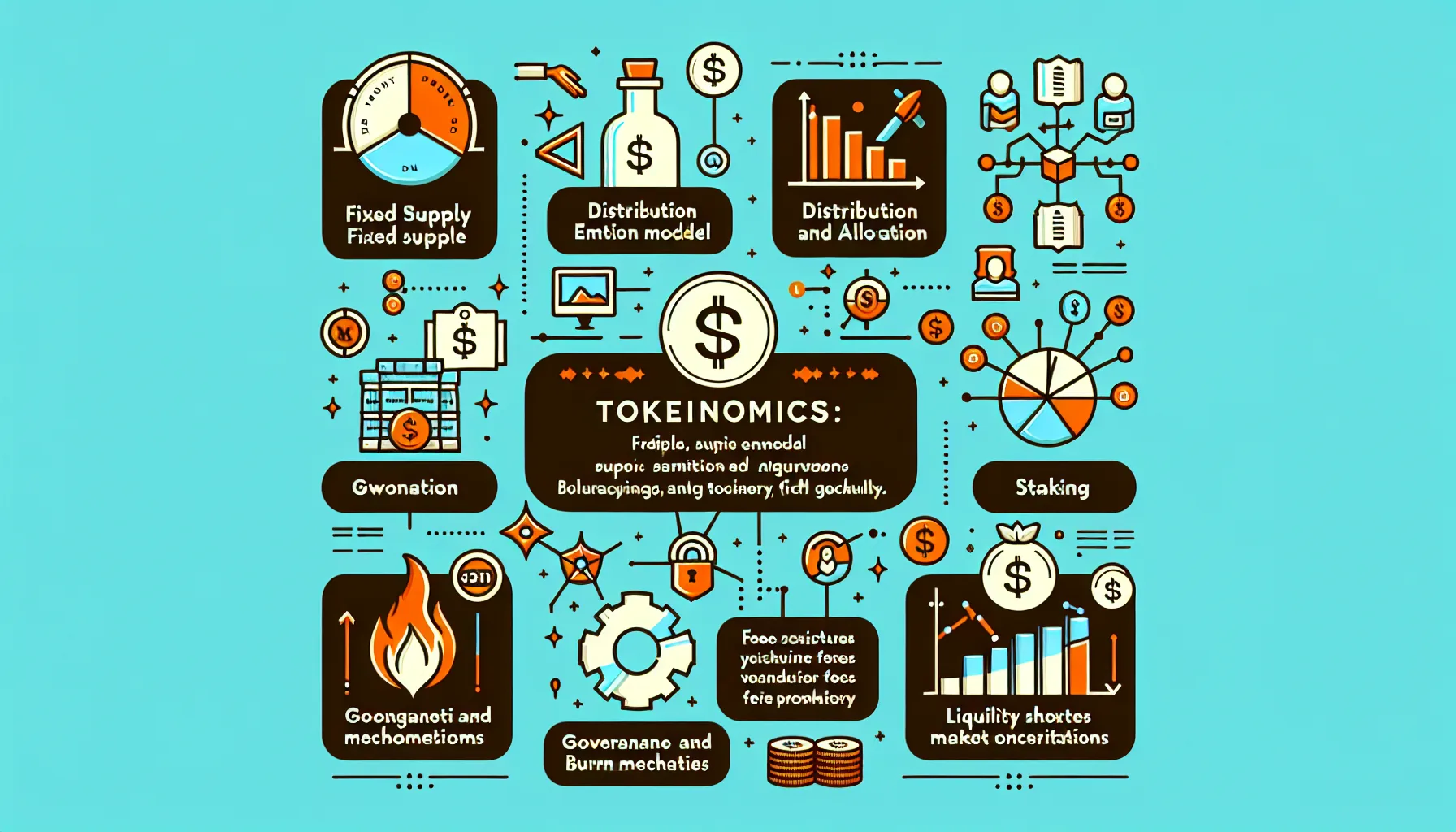
INDX Tokenomics
INDX Tokenomics: Supply, Distribution, and Utility
Fixed Supply and Emission Model
INDX operates with a predefined maximum supply, ensuring a controlled issuance mechanism that prevents inflation beyond its initial design. Token emissions follow a structured release schedule, avoiding unpredictable dilution. However, the lack of a dynamic supply adjustment mechanism means there is no built-in countermeasure for potential supply shocks or deflationary pressure. This makes liquidity management crucial in secondary markets.
Distribution and Allocation
INDX token distribution is divided across core categories such as ecosystem incentives, team allocations, staking rewards, and liquidity provisions. The proportion allocated to early backers can influence float concentration, creating potential sell-pressure risks. Additionally, team-vested tokens typically follow a vesting schedule, which aims to prevent rapid market sell-offs. However, depending on the length of these vesting periods, there could be long-term unlocking events impacting circulating supply.
Staking and Yield Mechanics
The INDX staking model incentivizes token holders to lock up supply in exchange for rewards. If participation in staking declines, reward rates might need modifications to sustain engagement. Additionally, the tokenomic structure relies on balancing staked vs. liquid supply, meaning sudden unstaking events could lead to temporary liquidity imbalances. Depending on how rewards are structured—whether sourced from emissions or fees—this could impact long-term sustainability.
Governance and Utility
INDX integrates governance mechanisms via token-weighted voting, allowing holders to influence protocol decisions. However, governance token models frequently face issues with voter apathy and centralization—if governance influence is concentrated among a small subset of large holders, it can create asymmetric decision-making power. Additionally, utility within the ecosystem determines the token’s fundamental demand, and if INDX lacks sufficient on-chain utility, reliance on speculation could introduce volatility risks.
Fee Structures and Burn Mechanisms
Transaction fees and protocol-level charges play a role in regulating supply dynamics. If a burn mechanism is implemented, it introduces a deflationary aspect that counters emissions. However, if fee structures lead to high transaction costs or excessive friction, user adoption can be impacted. Moreover, if fee burns are inconsistent or too minimal, they may lack meaningful influence on token velocity.
Liquidity and Market Considerations
INDX’s liquidity depth across exchanges directly affects price stability and trading efficiency. If liquidity pools are incentivized through rewards, sustainability depends on ongoing participation. Low liquidity environments can result in higher slippage and vulnerability to price manipulation. Market maker activity and exchange listings also significantly shape overall token accessibility.
INDX Governance
INDX Governance: Token Holder Influence and Decision-Making
Governance within the INDX ecosystem is structured to provide token holders varying degrees of influence over protocol decisions, although its effectiveness depends on participation levels and ongoing smart contract updates. Governance mechanisms are primarily executed through a combination of on-chain and off-chain proposals, determining aspects like protocol parameter adjustments, staking conditions, and funding allocations.
Governance Token Utility and Voting Power
INDX governance is structured around a native token model, where governance rights are tied to token holdings. Token holders can propose and vote on changes using a decentralized governance framework. However, governance power distribution can create potential centralization concerns if large token holders or entities accumulate disproportionate influence.
Voting processes typically follow a snapshot or weighted mechanism, where larger holders have a greater say in outcomes. While this aligns with conventional token-weighted governance models, it can sometimes lead to governance capture by a few dominant stakeholders. This creates challenges in achieving broad community alignment, especially when participation rates are low.
Proposal Mechanism and Decision-Making Process
The governance framework includes a structured proposal submission system, where eligible participants can introduce protocol changes. Proposals typically follow a staged validation process, starting with informal discussions in governance forums before proceeding to official on-chain voting.
For a proposal to pass, a quorum threshold must usually be met, ensuring that only widely acknowledged changes impact the system. However, quorum thresholds can sometimes pose governance bottlenecks if participation is insufficient, rendering critical upgrades stalled due to lack of engagement. To mitigate this, incentive structures, such as governance staking rewards or delegated voting, may be employed to encourage broader involvement.
Risks and Vulnerabilities in Governance
Despite its decentralized design, several governance challenges exist. Governance-related smart contracts must be continually audited and updated to prevent exploitation. Additionally, voter apathy remains a significant issue in decentralized governance, where a small subset of voters can determine major protocol decisions if participation from the wider community is lacking.
Furthermore, governance attacks, such as malicious proposal executions or sudden governance token accumulation, could introduce risks to the system’s integrity. Measures like timelocks on significant governance actions and decentralized proposal moderation can provide safeguards but require constant adjustments to remain effective.
The evolving governance model of INDX reflects broader industry challenges in achieving efficient, secure, and widely adopted decentralized decision-making processes. While structured mechanisms exist, governance efficiency ultimately relies on sustained participation and resistance to centralization risks.
Technical future of INDX
INDX Technical Developments and Roadmap
Smart Contract Enhancements and Layer-2 Integration
INDX is actively enhancing its smart contract infrastructure to improve efficiency and security. A primary focus is optimizing gas costs, ensuring that transactions and staking mechanisms remain economically viable. Refactoring existing contracts to minimize redundant computations is a key priority, alongside implementing more modular architecture to facilitate future upgrades.
Layer-2 solutions are also under exploration, with rollup-based scaling strategies being considered to mitigate Ethereum mainnet congestion issues. The challenge remains in balancing security assurances with cost savings, especially when transitioning staking or yield distribution functions to off-chain or side-chain execution layers.
Governance Mechanism Overhaul
A shift in the governance framework is planned to decentralize protocol decision-making further. The current voting model relies on token-weighted governance, but discussions about quadratic voting or alternative delegation systems indicate a possible restructuring. A significant technical hurdle is ensuring transparent and tamper-proof governance execution while maintaining sufficient participation.
Yield Distribution Automation
One area seeing iterative development is the automated distribution of staking rewards. Efforts are being made to transition from manual or batched payouts to fully on-chain automatic reward allocation. However, concerns about front-running and MEV exploitation remain, prompting research into commit-reveal schemes or time-locked claims. Ensuring efficient distribution without bloating gas fees continues to be an area of active experimentation.
Multi-Chain Expansion and Interoperability Challenges
Interoperability between multiple blockchain networks is a stated objective, with initiatives underway to support cross-chain staking and liquidity mobilization. Bridging mechanisms are being developed, but reliance on custodial or semi-trusted bridges introduces security risks. While trust-minimized solutions such as zero-knowledge proofs or optimistic verification paths are under evaluation, technical complexities and resource constraints pose barriers to immediate deployment.
Security Audits and Smart Contract Risk Mitigation
Ongoing security audits remain a cornerstone, with particular emphasis on identifying new attack vectors introduced by protocol upgrades. Previous assessments flagged potential inefficiencies in contract execution paths, leading to unnecessary gas expenditure. Future audits are expected to focus on edge-case vulnerabilities arising from composability with external DeFi protocols.
Roadmap Uncertainties and Development Bottlenecks
Despite clear technical ambitions, constraints around developer resourcing and the unpredictability of regulatory environments impact the execution timeline. Some proposed features depend on network conditions and external dependencies, which could alter their priority or feasibility. Additionally, maintaining backward compatibility while innovating remains a pressing issue, particularly for users relying on legacy staking contracts or governance mechanisms.
Comparing INDX to it’s rivals
INDX vs. MSTR: A Detailed Comparison
Structural Differences Between INDX and MSTR
INDX and MSTR represent two fundamentally different approaches to crypto exposure. INDX operates as a crypto-native asset, built on blockchain infrastructure with direct on-chain execution and smart contract governance. In contrast, MSTR is a publicly traded company that holds Bitcoin as its primary treasury asset but remains bound by corporate governance, regulatory filings, and traditional equity market constraints.
MSTR’s dependency on traditional markets introduces complications that INDX avoids. MSTR shares trade on major stock exchanges, making them accessible to institutional investors but subject to stock market volatility, regulatory scrutiny, and earnings reports that can influence price fluctuations unrelated to Bitcoin’s performance. INDX, being purely on-chain, bypasses these intermediaries, offering direct crypto-native exposure without reliance on legacy financial markets.
Liquidity and Trading Flexibility
While MSTR is highly liquid on traditional exchanges with deep institutional interest, its liquidity remains dependent on market hours and stock exchange operations. INDX, on the other hand, benefits from 24/7 crypto market liquidity.
MSTR's stock can experience divergence from Bitcoin due to factors such as investor sentiment on corporate governance, management decisions, and broader equity market trends. Additionally, MSTR investors have to deal with premium and discount swings related to Bitcoin’s underlying performance, influenced both by the company’s leveraged buying strategy and general equity market movement. INDX, as an on-chain asset, eliminates corporate overhead, providing a more direct price reflection of its underlying holdings.
Custody and Accessibility
INDX offers decentralized custody options through self-custody or various DeFi integrations, allowing users to maintain full control over their holdings. MSTR investors, however, rely on brokerage accounts, custodians, or financial intermediaries, reducing direct asset sovereignty. Furthermore, INDX’s blockchain-based nature makes it accessible globally without reliance on traditional banking infrastructure, whereas MSTR remains tied to stock exchange trading restrictions, KYC requirements, and institutional gatekeeping.
Leverage and Risk Considerations
One of the most significant distinctions is MSTR’s use of leverage. MSTR has a history of issuing debt and convertible notes to purchase Bitcoin, amplifying both potential gains and downside risk. This financial structuring introduces external market forces that can impact the company’s stock independently from Bitcoin’s price. INDX, being a crypto-native asset without corporate debt obligations, removes this layer of financial risk, making it structurally different from MSTR's leveraged exposure.
INDX vs. GBTC: Structural Differences and Market Impacts
Grayscale Bitcoin Trust (GBTC) operates as one of the longest-running Bitcoin investment vehicles, offering institutional and retail investors exposure to BTC without directly holding it. However, INDX and GBTC fundamentally differ in structure, pricing mechanisms, and market accessibility, creating distinct advantages and drawbacks for investors.
Liquidity and Trading Mechanism
GBTC functions as a trust structure, meaning it doesn't allow investors to redeem shares for the underlying Bitcoin. This has historically caused deviations from NAV (Net Asset Value), often trading at significant premiums or discounts. In contrast, INDX, depending on its structure, typically operates with more efficient market mechanisms that aim to reduce these pricing inefficiencies.
Additionally, because GBTC shares do not offer immediate liquidity upon issuance due to lockup periods, market participants may experience limited flexibility in adjusting positions. INDX generally mitigates these barriers, making it more accessible for active traders.
Fees and Cost Comparisons
One of the major considerations for crypto-savvy investors is the impact of fees. GBTC has traditionally carried a higher fee structure compared to many other crypto investment vehicles, directly affecting the net returns for long-term holders. INDX's expense ratio, if lower, provides a cost benefit to investors who are conscious of fee erosion over time.
Transaction costs also come into play. As a trust, GBTC does not provide the same capital efficiency as some alternative structures, and investors may face additional costs due to bid-ask spreads and liquidity constraints. Comparatively, INDX may offer a more streamlined fee model depending on its execution framework.
Regulatory and Market Risks
GBTC’s structure places it under specific regulatory scrutiny, particularly in relation to potential fund conversion or structural modifications. INDX, depending on its operating model, may avoid some of these limitations or face its own unique regulatory hurdles.
Furthermore, GBTC’s historical premium and discount fluctuations have introduced added volatility to investment performance, which is less of an issue in structures designed to more closely track the underlying asset. INDX's ability to provide a more predictable market correlation could be a deciding factor for institutional adoption.
Both assets serve distinct purposes within the crypto investment space, but their comparative strengths and weaknesses make their utility highly dependent on investor needs and market conditions.
INDX vs. BITO: A Structural and Strategic Comparison
Custody and Asset Backing
INDX operates on a blockchain-native model, ensuring transparent, on-chain verification of underlying assets. In contrast, BITO is a futures-based exchange-traded fund (ETF), meaning it does not hold actual Bitcoin but instead derives its value from Bitcoin futures contracts. This structural difference introduces risks associated with contango and backwardation, where futures prices deviate from spot prices. Investors in INDX can directly verify asset ownership on-chain, while BITO holders rely on traditional financial infrastructure and custodial arrangements.
Fee Structures and Cost Considerations
BITO carries embedded management fees and costs associated with rolling over futures contracts, which can introduce ongoing expenses even in stagnant market conditions. These additional costs erode long-term returns, particularly in bullish markets where rolling costs compound over time. INDX, as an on-chain asset, benefits from blockchain efficiency, avoiding intermediaries and associated management fees. However, users must consider network fees and gas costs, which can fluctuate based on demand and congestions on supported chains.
Liquidity and Trading Accessibility
BITO offers the advantage of traditional finance market accessibility, trading on regulated exchanges with standard brokerage support. This allows institutional investors and traditional portfolios to gain exposure to Bitcoin price movements within a familiar framework. INDX, however, operates in crypto-native environments, typically requiring DeFi platforms, crypto exchanges, or specialized custody solutions. While this enhances decentralization and direct ownership, it may limit accessibility for some investors accustomed to legacy trading systems.
Tax Implications and Regulatory Exposure
As a regulated ETF, BITO is subject to specific tax treatments and reporting requirements, particularly in jurisdictions that classify futures-based ETFs under commodities trading rules. Investors may encounter additional complexities due to short-term capital gains considerations. INDX, being a crypto-asset, follows a different tax structure depending on local regulations, but transactions and holdings may be more difficult to track for compliance. This can be advantageous in certain jurisdictions but also poses challenges in regulated financial environments.
Market Efficiency and Performance Tracking
Because BITO relies on futures contracts rather than direct Bitcoin exposure, small tracking discrepancies can arise, particularly in times of high volatility. Futures roll costs and liquidity constraints mean it may not fully mirror Bitcoin’s performance over long periods. INDX, being directly backed, avoids these contract rollover inefficiencies but still faces network-related slippage and execution speed considerations. Understanding these tracking behaviors is critical for investors evaluating their exposure strategies.
Primary criticisms of INDX
Primary Criticism of INDX
Centralization Risks in Node Governance
One of the most prevalent criticisms of INDX is its exposure to centralization risks within its node governance structure. While the project promotes a decentralized ecosystem, institutional node control and the concentration of staking power among a select group of entities raise concerns about the actual distribution of influence. This structure can lead to governance inefficiencies, making it difficult for smaller participants to have a meaningful say in decision-making. Critics argue that such a setup contradicts the ethos of decentralization that many blockchain projects aim to uphold.
Lack of Transparency in Yield Generation
INDX’s yield-generation model has been scrutinized for its opacity, particularly regarding how yields are sourced and distributed. While the fundamental mechanism is based on staking and masternode rewards, detailed breakdowns of specific income streams and allocations are often withheld from public disclosure. This has led to skepticism about the sustainability of returns, with some questioning whether the yields are truly organic or if there is an underlying reliance on speculative inflows to sustain payouts. The absence of complete financial transparency makes it difficult for investors to assess potential risks accurately.
Smart Contract and Security Concerns
Security vulnerabilities have been another point of contention. While no critical exploits have been publicly disclosed, INDX’s reliance on smart contracts introduces an inherent attack surface that remains a concern for investors. Given the history of smart contract failures across the DeFi space, the platform’s security mechanisms and audit transparency are frequently questioned. The risk of undiscovered vulnerabilities, potential exploits, or governance manipulation remains a factor that some investors find difficult to ignore.
Liquidity and Exit Barriers
Another issue frequently raised is the project’s liquidity structure. Given the staking mechanisms involved, participants often face lock-up periods that restrict liquidity and make it difficult to exit positions swiftly. This becomes a problem in scenarios where rapid portfolio adjustments are required, potentially leaving investors exposed to market fluctuations with no immediate recourse. Critics argue that the balance between earning yield and maintaining financial flexibility is skewed in a way that benefits long-term holders while disadvantaging those who may need quicker access to their funds.
Unclear Token Utility Beyond Governance
While INDX’s native token is integral to governance and staking, questions persist regarding its broader utility. Aside from its role within the platform’s economic model, critics note a lack of compelling use cases that extend beyond governance functions and passive income generation. Without strong incentives for adoption beyond speculative or yield-driven holding, concerns remain about the long-term value proposition and organic demand for the token.
Founders
INDX Founding Team: Background, Experience, and Challenges
The INDX crypto asset was developed by a founding team with a background in blockchain infrastructure and algorithmic asset management. The team originally positioned itself within the staking and masternode investment sector, aiming to optimize passive income through automated yield strategies. Their collective experience spans blockchain development, fintech, and quantitative trading. However, despite a technically proficient founding team, there have been challenges in execution and transparency.
Team Composition and Expertise
The core founders brought expertise from diverse backgrounds, including blockchain protocol development, smart contract engineering, and decentralized finance (DeFi) modeling. Some members had prior experience with algorithmic trading, which shaped INDX’s automated yield-generation mechanisms. Others came from traditional finance and fintech startups, contributing risk management and compliance-oriented insights.
Despite strong technical credentials, the team had limited public visibility, which led to concerns about accountability. Unlike projects where founding members actively engage with the community and offer ongoing updates, INDX maintained a comparatively lower profile. This approach raised questions from early adopters regarding governance, long-term vision, and team accessibility.
Key Development Phases and Leadership Challenges
During the early development stages, the team’s focus was primarily on building a portfolio strategy that leveraged staked digital assets. Given the complexity of staking rewards and fluctuating blockchain economics, the team faced significant hurdles in optimizing returns while maintaining decentralization. The infrastructure required continuous adaptation as network consensus mechanisms evolved, which demanded an agile development approach.
Another challenge stemmed from the governance structure. The project’s leadership operated with a centralized decision-making model in the initial stages, which contrasted with the broader DeFi movement’s emphasis on community-led governance. Some investors and token holders voiced concerns about the lack of decentralized voting mechanisms and influence over protocol changes.
Transparency and Community Engagement
Although technical white papers and documentation were made available, the team’s public engagement was inconsistent. Unlike other crypto projects where founders participate in AMAs, developer updates, and governance discussions, INDX’s team maintained a more reserved presence. This led to periodic uncertainty among token holders regarding strategic direction and development roadmaps.
Security and smart contract audits were critical concerns, with the founding team addressing these through third-party assessments. However, details regarding partnerships with external security firms and auditing companies were not always disclosed comprehensively, leaving some gaps in investor confidence.
Overall, while the INDX founding team possessed strong blockchain and financial expertise, their approach to transparency, governance, and community interaction created ongoing discussions within the project's ecosystem.
Authors comments
This document was made by www.BestDapps.com
Sources
https://www.indx.capital/
https://www.indx.capital/whitepaper.pdf
https://etherscan.io/token/0x8a77e40936bbc27e80e9a3f526368c967869c86d
https://coinmarketcap.com/currencies/indx/
https://www.coingecko.com/en/coins/indx
https://medium.com/indx-capital
https://twitter.com/indxcapital
https://t.me/indxcapital
https://github.com/indxcapital
https://defillama.com/protocol/indx
https://dappradar.com/binance-smart-chain/defi/indx
https://docs.indx.capital/
https://forum.indx.capital/
https://blog.indx.capital/
https://nft.indx.capital/
https://analytics.indx.capital/
https://dexscreener.com/bsc/indx
https://www.binance.org/en/trade/indx
https://cryptoslate.com/coins/indx/
https://defipulse.com/indx


