History of ILV
The History of ILV: Unpacking the Origins of Illuvium
Illuvium (ILV) emerged as a distinctive player in the crypto and blockchain-based gaming sector, with its development journey rooted in the convergence of decentralized finance (DeFi) principles and play-to-earn (P2E) gaming mechanics. The project was officially announced as a decentralized autonomous organization (DAO)-driven initiative, marking its intention to offer community-first governance and emphasize transparency in decision-making. However, closer examination of Illuvium's early history reveals both successes and challenges during its inception.
The conceptual framework for Illuvium started to take shape when its core team, composed of experienced blockchain developers and designers, set out to create a project that bridged gaming with DeFi. The team emphasized developing a AAA-tier blockchain game that would showcase an innovative combination of NFTs and robust gameplay, something that had previously been largely absent from the crypto sphere. The founding members of Illuvium, notably Kieran and Aaron Warwick, leveraged their technical expertise and alignment with Ethereum Layer-2 scaling solutions to build a scalable ecosystem capable of accommodating a wide user base.
Early on, Illuvium launched its ILV token, which was designed to serve multiple key purposes within its ecosystem: governance, staking rewards, and fees to participate in the Illuvium game. The key innovation was the integration of staking mechanisms, allowing ILV token holders to earn passive rewards. However, this tokenomics model also faced criticism for its complexity, particularly concerning the token's dual-token structure with sILV, which is claimed staking rewards in the platform's native in-game currency. Some community members have raised concerns about potential inflationary risks tied to this approach, despite the team's assurances of sustainability.
The project gained significant attention upon releasing its first glimpses of Illuvium gameplay and artwork, leveraging high-quality visuals to differentiate itself from the broader blockchain-gaming market. However, critics have flagged delays in project milestones as a recurring issue, with some pointing to a lack of clear timelines for product rollouts. Such delays have fueled frustration among both long-term ILV token holders and gaming enthusiasts.
Illuvium’s history, though marked by ambitious promises and innovations, also demonstrates the challenges of scaling a highly complex and interdisciplinary crypto project. Balancing community expectations with the technical realities associated with pioneering a decentralized gaming vision has been a defining theme in the project's development to date.
How ILV Works
How ILV Works: The Mechanics Behind Illuvium's Ecosystem
The ILV token is an integral part of the Illuvium ecosystem, operating as both a utility and governance token. Built on Ethereum and compliant with the ERC-20 standard, ILV powers the mechanics of Illuvium’s decentralized game universe while also offering token holders governance rights through the Illuvium DAO. Here's a deep dive into how the asset works, highlighting both its unique attributes and potential pitfalls.
Governance and Voting Mechanisms
One of the core functionalities of ILV is its governance role. Holders of ILV have voting power within the Illuvium DAO, participating in decisions such as protocol updates, treasury allocations, and gameplay mechanics. The decentralized governance model leverages snapshot voting, allowing ILV holders to influence key proposals without incurring gas fees during the voting process. While this model enhances decentralization, it can also lead to governance gridlock if there’s insufficient voter participation or disagreements among stakeholders.
Staking through the Illuvium Pool
ILV staking is an essential component of its functionality. The Illuvium staking pool allows users to earn rewards by locking up their tokens in either the ILV pool or the sILV pool. The rewards are distributed in ILV or sILV (synthetic ILV), with the latter being usable exclusively within the Illuvium game. However, locked staking introduces liquidity concerns, as stakers are required to commit their tokens for a specified duration, which may deter participants looking for quicker returns. Additionally, the emission mechanism might lead to concerns of over-supply over time, potentially diluting its value.
Game Integration and In-Game Utility
ILV serves as a reward mechanism within the Illuvium game. Players can earn ILV by capturing in-game creatures (Illuvials), completing quests, or participating in battles within the auto-battler mechanics. The token provides in-game utility for purchasing upgrades and assets or participating in competitive modes. However, its utility is limited to the Illuvium ecosystem, posing risks if the game's adoption fails to meet expectations. Over-reliance on a single game ecosystem could hinder long-term sustainability.
Cross-Platform Compatibility and Risks
As an Ethereum-based token, ILV leverages the robust Ethereum network for security and interoperability. The protocol also integrates Layer-2 scaling solutions, such as Immutable X, to reduce transaction costs and improve performance. While this design reduces gas fees, dependence on third-party Layer-2 solutions introduces risks, such as reliance on the uptime and efficiency of these platforms, which could affect user experience. Furthermore, interoperability remains a challenge, as the ecosystem's viability is closely tied to Ethereum's scalability.
Token Emissions and Supply Constraints
ILV adopts a capped supply approach, with a maximum of 10 million tokens. This controlled emission model is designed to mitigate inflationary risks. However, the vesting schedule and long-term emissions strategy might create initial supply bottlenecks for new participants, while causing inflationary concerns later if staking rewards create downward pressure on prices. The tokenomics require careful balance to ensure the equilibrium between reward incentives and token value preservation.
Use Cases
Exploring Use Cases for ILV: Functionality Within the Illuvium Ecosystem
ILV (Illuvium's native token) serves as the backbone of the Illuvium ecosystem, powering diverse functionalities designed to cater to its play-to-earn gaming infrastructure and decentralized finance (DeFi) integrations. Examining its use cases reveals both its promising utility and the potential challenges inherent to the system's design.
1. Governance Participation through the Illuvium DAO
One of ILV's central use cases is enabling token holders to actively participate in governance through the Illuvium DAO. Holders can vote on community-driven proposals that shape the future of the platform, such as game mechanics adjustments, treasury management, or reward distribution strategies. This decentralized decision-making framework empowers stakeholders but has its own risks. Centralization may emerge if a significant portion of ILV becomes controlled by a few large players (whales), undermining the broader intent of a DAO governed by the community.
2. Staking for Rewards and Incentives
ILV can be staked within the Illuvium protocol, offering rewards to participants in the form of additional ILV or sILV (synthetic ILV). This incentivizes long-term engagement and liquidity provision within the ecosystem. However, staking mechanics also introduce considerations about sustainability. High staking yields, if not carefully balanced, may lead to token inflation, erode long-term value, or encourage speculative behavior rather than organic ecosystem participation.
3. In-Game Utility and Asset Acquisition
Within the Illuvium gaming platform, ILV functions as a core currency to acquire in-game items, skins, and other digital assets. Additionally, it facilitates interactions within the Illuvials NFT system—collectible creatures that players capture, trade, or enhance during gameplay. While this integration bridges DeFi with gaming, it raises concerns about barriers to entry. Players with limited financial resources may struggle to compete if ILV's value or usage costs grow disproportionately, potentially creating a pay-to-win dynamic.
4. Reward Mechanism for Player Achievements
The Illuvium play-to-earn model rewards players with ILV for achieving milestones or progressing within the game. While this aligns with broader blockchain gaming trends, challenges around reward distribution must be noted. Excessive or uneven allocations may dilute ILV’s value or disrupt its secondary market liquidity, posing risks for long-term ecosystem participants.
In summation, the ILV token offers multiple functional use cases, from governance and staking to in-game interactions. However, scalability, tokenomics, and accessibility remain pivotal considerations for the Illuvium ecosystem’s sustained success.
ILV Tokenomics
ILV Tokenomics: A Deep Dive into Distribution, Supply, and Mechanics
Fixed Supply and Deflationary Design
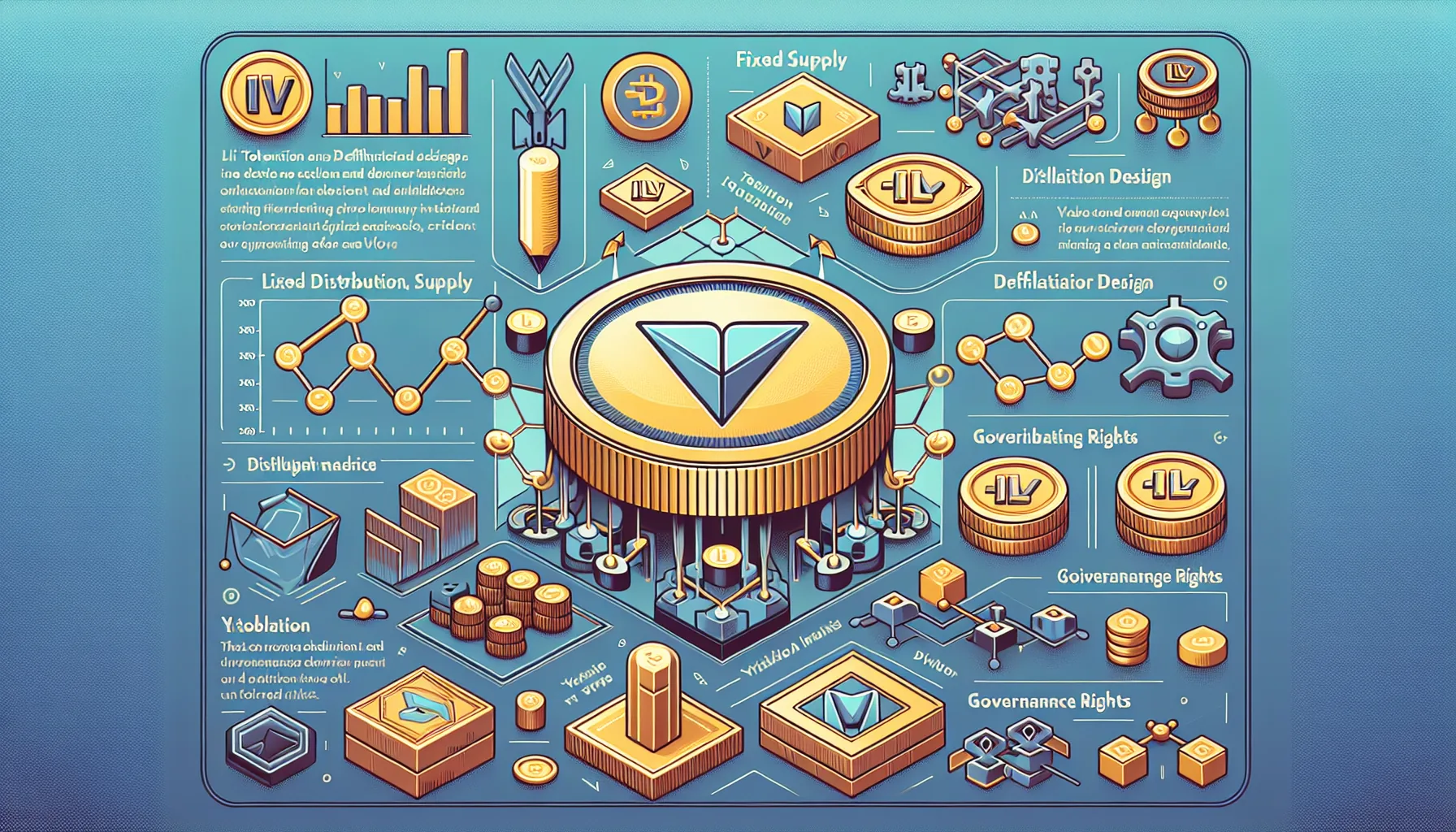
ILV, the governance and utility token of the Illuvium ecosystem, operates under a fixed maximum supply of 10 million tokens. This hard cap ensures that ILV is inherently deflationary, offering crypto stakeholders predictability in supply dynamics. The scarcity model aligns with long-term value preservation goals, yet it places immense pressure on efficient resource allocation within the ecosystem.
Token emissions are carefully structured, yet critics have raised concerns about the lockup periods for investor and team distributions. While lockups aim to ensure long-term commitment, they can also centralize power in early hands, raising the risk of concentrated token control.
Token Allocation Breakdown
The ILV distribution model is designed to fund platform growth, incentivize participation, and reward contributors:
- Yield Farming Incentives: Nearly 30% of the ILV supply is designated for liquidity mining through staking rewards. This mechanism plays a twin role by providing yield to stakers while bootstrapping liquidity for decentralized exchanges. However, constant emissions also bring dilution risks, especially for passive token holders not engaging with the staking infrastructure.
- Developer, Treasury, and Team Reserves: A significant portion is earmarked for ecosystem governance, game development, and operational needs, with roughly 15% allocated to team members. Though necessary for ecosystem growth, this pool raises concerns over initial power concentration.
- In-Game Rewards and DAO Vault: ILV tokens are allocated for play-to-earn gaming incentives and DAO-run initiatives. This allocation strengthens community involvement, but skeptics argue these reward mechanisms may lack flexibility if the gaming economy fails to sustain user interest.
Staking Mechanics
ILV introduces a dual-token staking model featuring ILV and a synthetic counterpart, sILV. Stakers can choose between receiving ILV rewards subject to a 12-month vesting period or sILV—redeemable instantly for in-game assets. While offering flexibility to participants, the approach creates a potential imbalance between liquid and vested ILV. Some critics argue this could lead to short-term sell pressure on the sILV-to-ILV arbitrage channel.
Governance and DAO Considerations
ILV holders gain governance rights, giving them the ability to shape the protocol’s direction through voting mechanisms. However, substantial staking rewards and team allocations could lead to inequalities in governance influence, effectively skewing decision-making power towards early adopters and insiders.
ILV Governance
ILV Governance: Decentralized Decision-Making in the Illuvium Ecosystem
The governance framework of ILV, the native token of the Illuvium ecosystem, is designed to empower token holders through decentralized decision-making. Operating under a decentralized autonomous organization (DAO) model, governance revolves around community participation. However, the system is not without its complexities and potential friction points.
Governance Token Utility
ILV tokens play a core role in the governance process, granting voting rights to holders. To participate, token holders must stake their ILV in the governance contracts, effectively aligning long-term commitment with influence. Stakers receive voting power proportional to their ILV holdings, granting them a voice in proposals that can steer the project’s development, treasury management, and protocol upgrades.
This staking requirement creates a double-edged sword: while it encourages active, invested participation, it also inadvertently limits governance to those with substantial holdings. Smaller holders, despite being part of the ecosystem, may feel disenfranchised by the weighted nature of voting power. Critics argue this dynamic could favor larger holders or whales, concentrating decision-making power and increasing the risk of governance capture.
Proposal Process and Governance Structure
Illuvium adopts a structured governance model where community members can propose Illuvium Improvement Proposals (IIPs). These proposals cover areas ranging from game mechanics to DeFi integrations and treasury allocations. Proposals are subject to discussion on governance forums before being voted on by the DAO.
While the proposal system ensures transparency and collaboration, it demands significant technical knowledge and community engagement. Complex smart contract upgrades or nuanced financial strategies may alienate less experienced participants, reducing the pool of contributors who can meaningfully engage. This can lead to governance bottlenecks, where decision-making becomes reliant on the input of a few highly active or technically proficient members.
Treasury Oversight and Challenges
A key function of ILV governance is the management of the project’s treasury, funded through in-game activities and staking mechanisms. While this decentralized treasury model supports sustainability, it also introduces risks. Mismanagement, delays in deploying funds, or competing interests among token holders could hinder effective resource utilization. Although transparency initiatives, such as on-chain voting and public treasury reports, aim to mitigate these issues, conflicting priorities among stakeholders could lead to deadlocks.
In addition, governance-driven treasury management often assumes that token holders will act in the ecosystem’s long-term best interest. However, short-term profit motives may interfere, potentially skewing decisions toward options that prioritize immediate returns over holistic, sustainable growth.
Balancing Decentralization and Efficiency
The ILV governance structure reflects the broader challenge faced by DAOs: balancing decentralization with efficiency. While Illuvium’s DAO model provides a participatory framework, the inclusion of high barriers to participation and the potential centralization of voting power can impede the collective intelligence that DAOs aim to harness.
Technical future of ILV
ILV Technical Developments: Current Progress and Future Roadmap
Enhanced Layer-2 Scaling with Immutable X
ILV leverages Immutable X, an Ethereum Layer-2 scaling solution, to provide gas-free transactions and high throughput for seamless gameplay and marketplace interactions. By integrating zero-knowledge rollups (ZK-rollups), ILV enhances scalability while maintaining Ethereum’s core security attributes. This infrastructure allows for near-instant minting and trading of in-game assets, but the reliance on Immutable X could pose centralization concerns due to its proprietary technology stack. Future updates may focus on diversifying or decentralizing scaling solutions to reduce dependence.
Decentralized Governance via Illuvinati Council
The Illuvinati Council governs ILV protocol decisions using decentralized governance mechanisms powered by ILV stakers. Proposals, improvements, and treasury management strategies are decided on-chain through a voting process. While transparent, the governance model faces challenges such as potential voter apathy and the concentration of voting power among large token holders. Upcoming developments aim to address these issues by improving user interfaces for proposal participation and implementing quadratic voting to balance stakeholder influence.
Interoperable Asset Framework
Ownership of in-game NFTs and digital assets in the Illuvium ecosystem is facilitated through ERC-721 and ERC-20 tokens. Innovations include the development of an interoperable asset system that enables item usability across multiple blockchain games. Current limitations lie in the industry-standardization of NFT metadata, limiting cross-platform compatibility. The roadmap includes active participation in blockchain gaming interoperability standards to address these gaps.
Illuvium Zero: Blockchain-Integrated Infrastructure
Illuvium Zero expands the ecosystem by introducing a land-based gameplay layer. Through on-chain resource ownership and land NFTs, this feature deepens ILV’s tokenomics while connecting external players to the Illuvium universe. However, the reliance on high transaction volumes increases exposure to blockchain congestion risks. As part of future technical updates, the team plans to implement dynamic sharding solutions to optimize performance under heavy network use.
AI-Driven Development for In-Game Mechanics
ILV’s technical roadmap includes integrating advanced AI algorithms to enhance non-playable character (NPC) behavior and combat mechanics. While this promises more dynamic gameplay, the computational intensity of AI processing could result in higher operational costs, which may strain scalability as the player base grows. Mitigation strategies like edge computing are outlined as exploratory initiatives.
Cross-Chain Expansion Proposals
To address long-term scalability and liquidity concerns, ILV is exploring cross-chain compatibility with networks like Avalanche and Binance Smart Chain. While this could enhance asset accessibility and network redundancy, cross-chain bridges pose risks of vulnerabilities and exploits. A phased deployment strategy with extensive smart contract auditing is underway to ensure robust security.
Comparing ILV to it’s rivals
ILV vs. AXS: A Detailed Comparison of Gameplay and Ecosystem Dynamics
When comparing Immutable X-based Illuvium (ILV) to Axie Infinity (AXS), it becomes evident that both projects are vying for dominance in the blockchain gaming sector, though their approaches and ecosystems have significant differences. These distinctions are especially noteworthy for crypto enthusiasts evaluating the depth of innovation, scalability, and sustainability within the emerging GameFi space.
Gameplay Complexity: Depth vs. Accessibility
Illuvium distinguishes itself with immersive, open-world gameplay focused on exploration, strategy, and RPG-style mechanics. Players traverse varied sci-fi landscapes, capturing and battling Illuvials within a dynamic 3D environment. Unlike the relatively simple battle system in Axie Infinity, which emphasizes turn-based mechanics and team-building from limited Axie NFTs, Illuvium's gameplay aspires to deliver a richer, more layered experience akin to high-budget traditional games.
This complexity, however, may pose a double-edged sword. While Illuvium appeals to hardcore gamers seeking depth, its demanding gameplay structures may alienate casual players drawn to the simplicity and lower learning curve of Axie's ecosystem. Axie Infinity’s accessibility, supported by its straightforward mechanics and mobile-friendly design, grants it greater onboarding potential among non-gamers and crypto novices.
Economic Models: Sustainability Under Pressure
Both Illuvium and Axie Infinity rely heavily on tokenomics to underpin their ecosystems, but the execution differs. Axie Infinity faced criticism for its reliance on play-to-earn (P2E) dynamics that became unsustainable due to inflationary pressures on its SLP token, and reward mechanisms that ultimately required constant player growth.
Illuvium, in contrast, integrates a more restrained economic model by emphasizing scarce in-game assets, deflationary token mechanisms, and staking rewards through the ILV token. Although promising, it remains to be seen whether Illuvium’s ecosystem can sustain long-term participation without succumbing to similar issues that plagued Axie’s oversaturated economy.
Visual and Technical Differences
From a visual standpoint, Illuvium outpaces Axie Infinity with its Unreal Engine-powered graphics. Its polished sci-fi environments and high-fidelity Illuvial models showcase a level of production value rarely seen in blockchain-based games. Axie Infinity, by comparison, features simpler, cartoonish 2D graphics that, while charming for some, lack the level of immersion offered by Illuvium.
However, the higher fidelity of Illuvium comes with increased infrastructure demands, including larger file sizes, greater hardware requirements, and network complexity, which may limit player access in regions with less robust connectivity. Axie Infinity’s lightweight design ensures accessibility across more devices and geographies, giving it a logistical advantage in building a global player base.
Community and Entry Barriers
Axie Infinity’s lower cost of entry—recently aided by scholarship programs and free-to-play features—provides an advantage in onboarding new players. Illuvium, on the other hand, targets an audience investing in high-quality gameplay and premium NFTs, resulting in higher entry barriers for participants who must purchase or interact with more expensive assets before engaging fully in the game.
While Illuvium positions itself as a premium blockchain game, its trajectory hinges on attracting both traditional gamers and crypto investors. Axie Infinity’s track record demonstrates the risks of over-dependence on speculative players, which Illuvium will need to navigate carefully to maintain a balanced and sustainable user base.
ILV vs. SAND: A Detailed Comparison of GameFi Giants
When comparing Illuvium (ILV) to The Sandbox (SAND), both projects carve out unique niches within the blockchain gaming and metaverse ecosystem, but their differing approaches highlight contrasting strengths and areas of contention.
Core Gameplay and Ecosystem Differences
ILV distinguishes itself as a higher-fidelity, AAA-grade GameFi platform focusing on an open-world auto-battler RPG experience. The project places a heavy emphasis on immersive visuals, exploration, and strategic gameplay, which appeals to traditional gamers seeking mechanics more akin to popular mainstream titles. In contrast, SAND's ecosystem revolves around user-generated content and decentralized experiences, leveraging voxel-based aesthetics reminiscent of games like Minecraft. Its core appeal lies in creating and monetizing virtual properties, appealing heavily to creators and builders rather than traditional gamers.
While SAND provides flexibility for users to develop their own games and experiences within its ecosystem, this approach has drawbacks. The user-generated content model depends heavily on community contributions for sustained engagement, which can lead to inconsistent quality across the platform. ILV’s curated experience provides a more controlled environment, albeit at the cost of reduced creative freedom for its user base.
Technological Framework and Scalability
SAND operates primarily within a virtual land-based metaverse framework, which relies on land token scarcity and the utility of SAND itself to drive its economy. This approach has faced criticism for potentially pricing out smaller participants from engaging with the ecosystem. ILV, on the other hand, adopts a zero-gas fee architecture via the Immutable X protocol, enabling faster transactions and better scalability for player interactions and trading within the IlluviDex. Where SAND's Ethereum-based infrastructure has seen network congestion and higher fees impact user experience, ILV's integration with Layer 2 solutions seeks to mitigate these bottlenecks.
Token Utility and Economic Models
Both ILV and SAND integrate highly gamified tokenomics, but SAND places more emphasis on staking and transaction utility tied directly to metaverse development, such as purchasing land parcels and custom assets. Critics of SAND's token economy suggest that its reliance on speculative land value could overshadow actual user engagement, putting long-term sustainability at risk. ILV, by contrast, adopts a dual-token structure consisting of ILV for governance and sILV2 for in-game expenditures, which could offer clearer delineations of utility.
Visual Fidelity and Branding Challenges
Although ILV boasts superior visual fidelity and polished mechanics, its high production standards may inadvertently narrow its user base to high-end gamers with suitable hardware. SAND's voxel-based approach, while aesthetically simpler, makes it more accessible to casual players. However, this simplicity can be a double-edged sword, as the rudimentary graphics could deter gamers who value visual complexity and realism.
ILV vs. GALA: A Niche-Driven Contrast in Crypto Gaming
When examining ILV (Illuvium) in the context of its crypto gaming rival GALA (Gala Games), the comparison highlights distinct approaches in ecosystem design, user engagement, and asset utility within the blockchain gaming space.
Ecosystem Design and Focus
ILV operates as a high-fidelity, AAA-quality blockchain game, concentrating on an immersive open-world RPG and auto-battler experience. Its singular focus on a polished product contrasts sharply with GALA's strategy of diversifying its ecosystem across multiple game titles and genres. While GALA’s breadth provides users with a range of gaming experiences and revenue opportunities, critics argue that it can dilute resources and strategic attention. ILV, despite being more focused, carries the risk of putting all its eggs in one basket, requiring disproportionately high adoption of a single game to justify its ecosystem.
Decentralization and Governance
Both ILV and GALA employ governance token models, but their implementations differ. ILV uses its native token for DAO governance, staking, and in-game purchases, fostering a community-driven development pipeline. GALA also promotes decentralization but leans heavily on its node ecosystem to support the underlying infrastructure, allowing users to own and operate nodes for rewards and influence. However, some in the crypto community question the cost-effectiveness of GALA nodes, citing concerns about accessibility and potential centralization due to pricing barriers.
NFT Integration and Player Ownership
NFT utility is central to both projects, but the execution sets them apart. ILV emphasizes scarcity and product exclusivity for its NFTs, which are tied directly to its intricately crafted gameplay assets. Each Illuvial collectible has deliberate value within the framework of the game's mechanics. Conversely, GALA’s NFT offerings extend across its varied game catalog, spanning avatars, music rights, and more. While this broader scope provides versatility, it can also lead to a fragmented user experience that lacks cohesion across the platform.
Scalability and Technical Framework
Both ILV and GALA operate on Ethereum, leveraging layer-2 solutions to address scalability. However, questions exist about ILV’s ability to sustain seamless gameplay on high-demand days, especially with its complex graphics and gameplay intricacies. GALA’s simpler, casual titles typically have fewer technical constraints but also lack the cinematic depth and ambition that’s core to ILV's branding.
The ILV-GALA comparison illuminates two opposing philosophies: one prioritizes specificity and polish, while the other bets on diversity and scale. Both strategies come with risks, and users must navigate these nuances to align with their playstyle and investment goals.
Primary criticisms of ILV
Primary Criticism of ILV: Challenges Facing Illuvium's Ecosystem
Limited NFT Utility Beyond the Game
One recurring criticism of ILV stems from its ecosystem’s heavy reliance on the Illuvium game itself. While the concept of Illuvials as collectible NFTs is innovative, their value proposition is closely tied to the game’s success. Skeptics argue that these NFTs lack utility outside Illuvium’s ecosystem, limiting broader adoption and reducing their appeal as standalone assets. The risk here is that if the game fails to capture and sustain player interest, the NFTs—and by extension, the ILV token itself—could lose a significant portion of their perceived value.
Centralization Concerns in Governance
Though marketed as a decentralized protocol, some critics point out that Illuvium’s governance structure and decision-making processes are not as decentralized as intended. For example, larger ILV holders inherently have more voting power in the DAO, which may lead to a concentration of influence among whales or institutional players. This uneven dynamic could alienate smaller holders who feel that their voices have limited impact, leading to a disparity in the community’s true decision-making power.
High Entry Barriers for New Players
The Illuvium ecosystem has also been criticized for high entry costs. Acquiring in-game assets and participating in battles require significant upfront investments in Ethereum-based NFTs, as well as transaction fees on the Ethereum network. While Layer 2 scaling solutions like Immutable X aim to reduce these costs, critics argue that the high financial barrier may deter casual players and limit the game’s mainstream adoption. This exclusivity could restrict the flow of new users into the ecosystem and stifle organic growth.
Sustainability of Tokenomics
Skepticism around ILV’s long-term tokenomics model is another area of concern. Rewards distributed through staking and in-game incentives are primarily funded through token inflation. While this structure supports high yields in the near term, critics question its sustainability as token supply increases over time. If demand for ILV tokens doesn’t scale proportionately, the ecosystem may face downward pressure on token value, causing instability in staking rewards and diminishing overall interest in the project.
Competitive Market Landscape
Finally, many cite Illuvium’s positioning within an increasingly saturated GameFi and blockchain gaming market as a potential vulnerability. Competing projects offer similar gameplay models, NFT integrations, or more accessible onboarding processes. If Illuvium struggles to differentiate itself or fails to maintain its first-mover advantages, critics argue that it risks losing market share to projects with more innovative features or lower barriers to entry.
Founders
Examining Illuvium's Founding Team: Background and Challenges
The founding team behind Illuvium (ILV) is composed of a group of experienced individuals who bring a blend of blockchain expertise, game design insights, and entrepreneurial acumen. However, like any crypto project, their credentials and team dynamics have sparked both interest and scrutiny within the community.
Illuvium was co-founded by brothers Kieran, Aaron, and Grant Warwick, each of whom plays a distinct role in the project. Kieran Warwick, the CEO, is a serial entrepreneur with a background that includes projects in eCommerce and blockchain. His previous involvement with the cryptocurrency Synthetix—co-founded by Kain Warwick, another sibling—adds credibility to Illuvium, although critics have pointed out that Illuvium's focus on gaming requires a significantly different skill set than that of a DeFi protocol.
Aaron Warwick serves as the project's lead game designer. With a background in computer science and engineering, Aaron brings technical skills to the table, but his limited experience with large-scale game development has been a point of concern. Blockchain gaming, particularly at the scale Illuvium aspires to, demands a nuanced understanding of both engaging game mechanics and sustainable on-chain integrations. Some skeptics in the crypto space have questioned whether the team’s gaming ambitions might outstrip its capacity to deliver.
Grant Warwick, the art director, contributes with years of experience in 3D design, having worked on visual projects both inside and outside the gaming world. His portfolio has drawn praise for its quality, with many in the Illuvium community highlighting the project's impressive visuals as a standout feature. However, the team's reliance on Grant's artistic vision raises questions about scalability. Balancing high-quality graphics with the performance limitations of blockchain gaming could present significant challenges, especially when striving to onboard a mass audience.
Another point of contention within the crypto community has been the all-in-the-family approach of having three siblings in prominent roles. While some view this as a strength due to potential alignment of vision, others argue that it risks creating a centralized leadership structure susceptible to insular decision-making. Decentralization is a core value in the crypto space, and this familial concentration of power could be perceived as at odds with community engagement principles.
While the Illuvium founding team undoubtedly possesses talent and vision, their relative inexperience in large-scale game production and some structural concerns surrounding governance leave room for debate among crypto enthusiasts analyzing the project's trajectory.
Authors comments
This document was made by www.BestDapps.com
Sources
https://docs.illuvium.io/whitepaper.pdf
https://illuvium.io/
https://medium.com/illuvium
https://etherscan.io/token/0x5e90d73eacd65b902f3bd4f13ae6cb194f6f9a7c
https://coingecko.com/en/coins/illuvium
https://coinmarketcap.com/currencies/illuvium/
https://docs.illuvium.io/game-overview/
https://snapshot.org/#/illuvium.eth
https://github.com/illuvium
https://app.illuvium.io/
https://illuvium.io/tokenomics
https://twitter.com/illuviumio
https://medium.com/illuvium/illuvium-staking-rewards-guide-81f1b398c2ab
https://discord.com/invite/illuvium
https://all.art/en/nft-marketplace/illuvium
https://playtoearn.net/blockchaingame/illuvium
https://nftnow.com/collectibles/a-comprehensive-breakdown-of-illuviums-expansive-play-to-earn-system/