History of IDIA
The Origin and Development of IDIA: A Detailed Look into Its History
IDIA, the native utility token of the Impossible Finance ecosystem, emerged as a solution tailored to address inefficiencies within decentralized finance (DeFi) and initial token offerings. Its development is intrinsically tied to the growing demand for fairer and more user-centric project launch mechanisms in the blockchain space. Designed as the backbone of a platform specializing in decentralized incubations and launchpads, IDIA aimed to tackle the challenges associated with over-centralized token distribution models and limited accessibility that had historically plagued earlier iterations of token sales.
The conceptualization of IDIA was catalyzed by the perception of inequity within common token launches. Initial Coin Offerings (ICOs) were repeatedly criticized for disproportionately benefiting well-connected insiders or high-net-worth individuals. To this effect, the team behind Impossible Finance envisioned an architecture where contributions to token launches were far more balanced and less prone to exploitation by bot-driven manipulation or whales monopolizing allocation distributions. IDIA became their vehicle to introduce a tier-based staking system that governs participation, thus creating a more equitable framework. However, this mechanism also drew scrutiny from critics who argued that even tier-based models may inherently disadvantage smaller participants or new entrants.
A noteworthy aspect of IDIA’s development trajectory is its architecture, which integrates cross-chain compatibility within its staking model. From early stages, the Impossible Finance team demonstrated a preference for multi-chain interoperability, recognizing the fragmented landscape of user bases across different blockchains. However, this multi-chain emphasis has not been without its challenges, as the bridging solutions between blockchains have occasionally raised security concerns due to the vulnerabilities inherent in cross-chain protocols.
IDIA's tokenomics is another aspect of its history worth discussion. Structured as a utility token to fuel governance and reward protocol activity, its issuance ratio and vesting schedules were designed to prevent immediate oversized liquidity dumps. Despite its efforts to balance long-term rewards, some community members voiced dissatisfaction with elements of its allocation design, particularly the perceived concentration of tokens allocated to early investors and team members. Such criticisms are a recurring topic, reflecting the perpetual tensions in aligning project funding requirements with user expectations in DeFi ecosystems.
Overall, IDIA's history is defined by a clear vision to recalibrate the way token sales function in decentralized environments, though its execution has also sparked debate among proponents and skeptics alike. By leveraging scalability and accessibility, it has attempted to carve its niche, despite facing persistent questions about its fairness and implementation.
How IDIA Works
How IDIA Works: A Deep Dive Into Its Functionality
IDIA operates as the utility and governance token within the Impossible Finance ecosystem, primarily facilitating decentralized launchpad activities. Central to its design is its role in enabling participation in token launches and governance proposals, making it an integral component of the protocol’s mechanisms.
Token Staking and Allocation Mechanics
A defining feature of IDIA is its integration into staking-based allocation systems. Users stake IDIA to secure allocations for early access to emerging crypto projects through the Impossible Launchpad. The allocation mechanism utilizes a fair and transparent tier-based system, wherein stake size directly correlates with allocation weight. However, a key consideration here is the potential for centralization; larger holders inherently secure disproportionately higher allocations, creating a significant barrier for smaller participants.
Furthermore, the staking process often requires extended token lock-up periods. This can limit user flexibility, as funds staked in IDIA are illiquid during participation windows. While designed to support ecosystem stability and commitment, the lock-up mechanism may deter users wary of market volatility or those needing liquidity access.
Fee Discount and Ecosystem Utility
IDIA stakers benefit from reduced transaction fees and other cost-saving opportunities within the ecosystem. This incentivizes continued usage and stake maintaining, enhancing user retention. However, such fee models may inherently favor active, frequent users while offering limited value to passive participants or smaller holders.
The token’s multifaceted utility ensures it operates beyond mere governance or speculative investment. Yet despite this versatility, the long-term viability of its value may still hinge on sustained ecosystem adoption and community growth.
Governance and Decentralization Concerns
IDIA also acts as a governance token, enabling users to propose and vote on platform changes. However, this governance model raises potential concerns regarding decentralized decision-making. Holders with significant token holdings wield outsized influence, which may result in governance centralization rather than equitable participation. As with many governance tokens, voter apathy is an underlying issue; a small subset of participants often determines protocol changes, which could impact the community’s broader interests.
Scalable but Not Without Risks
IDIA leverages a smart contract-based infrastructure to execute secure processes like staking, fee calculation, and allocation management. The reliance on smart contracts introduces potential vulnerabilities—such as bugs or exploits—that could jeopardize asset security. While audits and upgrades mitigate these risks, they cannot entirely eliminate systemic uncertainties inherent to decentralized protocols.
Use Cases
IDIA Use Cases: Unlocking Token Utility in Decentralized Ecosystems
IDIA (Impossible Decentralized Incubator Access) is primarily designed to power a decentralized launchpad ecosystem, offering a wide range of use cases that cater to both retail and institutional participants within the blockchain space. The token acts as a functional cornerstone by incentivizing engagement, facilitating governance, and enabling equitable allocation mechanisms. However, like many crypto assets, its utility comes with trade-offs and challenges that demand scrutiny.
1. Token Staking for Launchpad Participation
One of the most prominent use cases for IDIA lies in staking mechanisms that determine an individual's access to exclusive token launches on the Impossible Finance platform. Participants stake IDIA tokens to earn tiered access to Initial DEX Offerings (IDOs), with higher tiers often granting larger and more preferential allocation rights. However, critics argue that these systems, while aimed at democratizing access, often favor large-scale holders over smaller participants, leading to a potential power imbalance. Additionally, staked tokens may incur opportunity costs as they remain locked for specific durations, particularly during bear market cycles.
2. Governance and Decentralized Decision-Making
As a governance token, IDIA empowers holders to vote on proposed updates and changes to the protocol. This includes decisions regarding incubation projects, fee structures, and protocol upgrades. While decentralized governance is an integral part of many blockchain ecosystems, challenges such as low voter participation and the disproportionate influence of whale token holders can reduce the efficacy of this model. This makes governance an area where thoughtful evolution is still required.
3. Protocol Incentives and Rewards
IDIA is used to incentivize both liquidity providers and community participants within the Impossible Finance ecosystem. Liquidity providers, in particular, are rewarded through farming programs or a share of network fees denominated in IDIA. While these incentives drive ecosystem growth, they often come under scrutiny for relying on token inflation models, which could dilute the value of IDIA over time if demand does not keep pace.
4. Seamless Access Across Multi-Chain Environments
The Impossible Finance ecosystem leverages IDIA for bridging decentralized finance (DeFi) opportunities across multiple blockchain networks. Through this cross-chain interoperability, participants can engage with token sales or liquidity pools irrespective of their preferred blockchain. Yet, cross-chain operations introduce potential risks such as smart contract vulnerabilities and inefficiencies in gas optimization. Users must weigh these considerations carefully before interacting with IDIA-powered services.
5. Fee Discounts and Platform Economics
Holding and utilizing IDIA tokens often results in reduced fees for activities like token swaps or token launch participation. While this delivers tangible economic benefits for frequent users, it may also lead to centralization of benefits among highly active participants and long-term holders, thereby alienating occasional users who may find fewer immediate advantages in holding the token.
IDIA's multi-faceted use cases highlight its functional versatility within a DeFi-centric ecosystem, but they also underscore the complexities and challenges that participants and stakeholders must navigate.
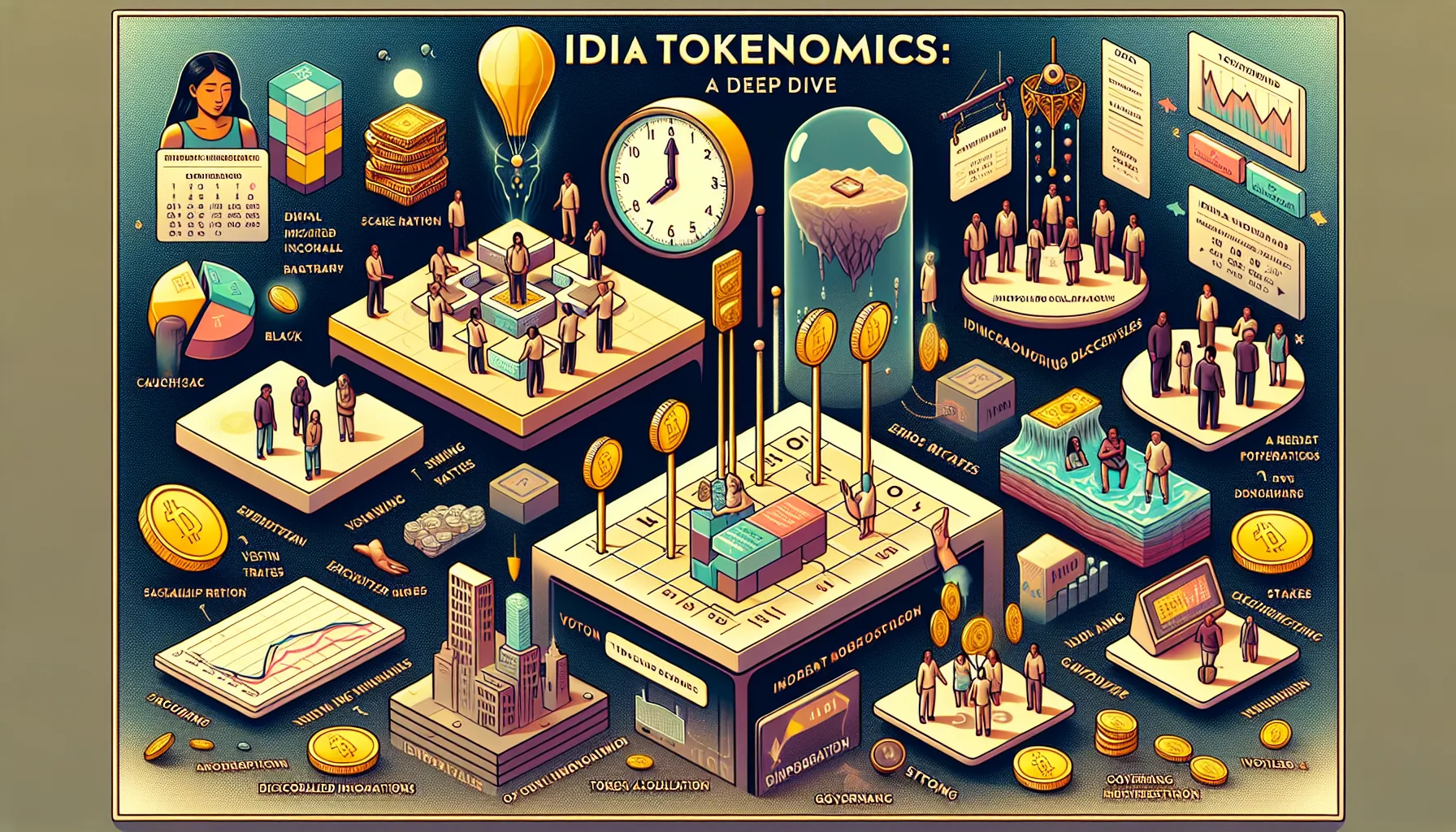
IDIA Tokenomics
Tokenomics of IDIA: Understanding the Core of Its Ecosystem
The tokenomics of IDIA (Impossible Decentralized Incubator Access) is integral to its role within the Impossible Finance ecosystem. IDIA serves as the utility token that underpins the platform's decentralized launchpad model, granting holders access to exclusive allocations in early-stage crypto projects. However, a deeper dive into its tokenomics reveals both strengths and challenges that merit consideration.
Token Allocation and Distribution
IDIA's initial token distribution is structured to balance ecosystem incentives, with allocations to strategic partners, token sales, team and advisors, liquidity provisioning, and community rewards. While this standard multi-tier design aligns with industry norms, there has been some criticism of its proportions. A notable percentage of tokens are often allocated to private sales and early backers, leading to concerns over potential centralized control. Such allocations, even when accompanied by vesting schedules, can present sell-pressure risks if large stakeholders liquidate positions post-unlock.
Vesting and Emission Rates
The vesting schedules for IDIA tokens play a pivotal role in the supply dynamics. Tokens allocated to team members and early backers are subjected to longer-term linear vesting to mitigate sudden inflows into the circulating supply. However, some critics argue that the overall emission rate may saturate the market too quickly, particularly during certain unlock milestones. This has implications for token scarcity, which directly correlates with the perceived value of the asset.
Staking and Utility Mechanisms
A defining feature of IDIA's token design is its staking functionality, which provides holders with tiered access to launchpad allocations. Users must accumulate and stake a predetermined amount of IDIA to increase their allocation weight in token sales. While this design promotes long-term holding by incentivizing staking, it can inadvertently favor wealthier participants, creating an uneven playing field for retail investors. The increasing competition for high-demand sales further compounds this issue, as smaller participants may find themselves priced out of meaningful allocations.
Inflation and Long-term Supply Concerns
IDIA employs an inflationary model, with new tokens periodically entering circulation through ecosystem incentives and staking rewards. While necessary to sustain platform growth, inflation risks diluting token value if demand does not grow proportionally. Additionally, the balance between rewarding loyal participants and managing inflationary pressure remains a fine line that requires ongoing adjustment.
Governance and Decentralization
IDIA token holders have governance rights within the Impossible Finance ecosystem, allowing them to vote on key protocol decisions. However, questions remain regarding how decentralized these processes truly are, given the concentration of voting power in the hands of large stakeholders. Critics have pointed out that without significant distribution among smaller participants, governance risks becoming a cosmetic feature rather than a functional mechanism of decentralization.
IDIA Governance
IDIA Governance: Decentralized Decision-Making and Challenges
The governance model of IDIA is a vital component of its ecosystem, explicitly designed to manage proposals, upgrades, and long-term protocol evolution. IDIA operates through a decentralized governance framework, giving token holders a voice in the decision-making process via on-chain voting mechanisms. However, while this structure seeks to embody the ethos of decentralization, it is not without its complexities and potential pitfalls.
On-Chain Voting Mechanism
One of the hallmarks of IDIA's governance is its use of an on-chain voting mechanism. This ensures that any decisions regarding protocol upgrades, parameter adjustments, or allocation of resources are executed transparently. IDIA token holders play a central role in these processes by staking their tokens to participate in governance proposals. The weight of each vote is directly proportional to the amount of tokens staked, which aligns decision-making power with economic interest in the ecosystem.
This structure incentivizes active participation but is not entirely impervious to criticism. A primary concern is the potential for governance centralization. Token distribution plays a key role in the effective decentralization of voting power, and if large entities control significant portions of the supply, they could exert disproportionate influence, thereby compromising the democratic ethos of the network.
Proposal Submission Workflow
IDIA employs a formalized workflow for proposal submission, requiring participants to structure their ideas in a way that meets predefined criteria. This helps ensure only well-thought-out and actionable ideas reach the voting stage. However, this process can sometimes act as a filter that unintentionally excludes smaller stakeholders who might lack the technical expertise or resources to formalize their contributions effectively.
Once submitted, proposals typically go through multiple stages, such as community discussion and preliminary signaling votes, before moving to the final on-chain vote. While this method encourages deliberation, it can also slow down governance, particularly in situations requiring urgent action.
Potential Risks and Issues
A significant area of concern in IDIA's governance is voter apathy. Participation in governance comes with costs, including gas fees for on-chain voting. This financial burden can deter smaller token holders, skewing governance toward wealthier participants or organizations. Additionally, the need for substantial voter turnout in order to pass proposals creates the risk of stagnation if engagement is low.
Moreover, the transparency of on-chain governance, while generally a strength, introduces the possibility of strategic manipulation. Entities with substantial holdings can coordinate to influence governance outcomes in ways that might prioritize their own interests over those of the broader community.
Conclusion
IDIA’s governance framework is a thorough implementation of decentralized principles, but it is not immune to challenges related to accessibility, participation, and equal distribution of influence.
Technical future of IDIA
IDIA's Technical Developments and Roadmap: Navigating the Protocol's Evolution
IDIA, the native token powering the Impossible Finance ecosystem, has continuously evolved through technically-driven enhancements. As a component of a project centered on decentralized finance (DeFi) and launchpad functionality, its development roadmap emphasizes scalability, interoperability, and robust infrastructure deployment. However, like many crypto projects, IDIA faces both technical advancements and challenges that may shape its future implementations.
Layer-2 Integration for Cost Efficiency
One significant aspect of IDIA's technical progression involves integration with layer-2 scaling solutions. These solutions aim to enhance transaction throughput and drastically reduce gas fees, which remain a pain point on high-demand networks. Layer-2 compatibility is expected to improve user experience across the Impossible Finance ecosystem, particularly when interacting with IDIA staking and tokenized project participation. While this development is promising, the dependency on the stability and security of external scaling solutions raises risks of potential centralization or smart contract vulnerabilities.
Smart Contract Refinements and Audits
As foundational pillars of many DeFi platforms, smart contracts utilized by IDIA focus on governance voting, fee distribution, and project token allocation mechanics. The team has announced ongoing efforts to refine these contracts while proactively engaging third-party auditors to mitigate risks of vulnerabilities. Although audits reduce risks, they do not entirely eliminate the chances of sophisticated exploit attempts. Additionally, improvements in contract efficiency—such as gas optimization—remain an ongoing challenge as the platform scales.
Multi-Chain Ecosystem Expansion
Cross-chain interoperability stands as a key priority for IDIA, enabling participation across multiple blockchains. This diversification reduces dependency on any single network and enhances availability for a broad user base. While the transition to a fully multi-chain ecosystem introduces opportunities, it also necessitates seamless bridges between chains—components historically prone to exploitation if improperly designed or inadequately monitored. Ensuring trustless, secure interconnectivity will require continuous upgrades and careful scrutiny.
Decentralization Goals and Governance Structure
An essential directive for IDIA lies in progressively decentralizing its governance structure. While IDIA token holders play an active role in project decisions via governance mechanisms, genuine decentralization demands consistent voter turnout and transparent communication. However, participation rates in token-based decision-making processes remain a challenge across the DeFi space, including within the IDIA ecosystem. Striking a balance between active, informed governance and operational efficiency will be pivotal as the technical roadmap unfolds.
Upcoming SDK Enhancements
Plans for an enhanced software development kit (SDK) have been circulating among developers, intending to streamline integration for third-party projects. These enhancements focus on improving modularity and lowering the technical barriers to adopting IDIA's infrastructure. Yet, fostering a developer community willing to adopt and maintain active usage of the SDK is no small task, highlighting the competitive nature of gaining external developer support in the crowded DeFi space.
The path of technical evolution for IDIA reflects the broader challenges and ambitions of DeFi projects. Despite hurdles, its roadmap presents notable opportunities, underscored by its focus on scalability, cross-chain functionality, and governance refinements. However, the success of these initiatives depends on continued strategic execution and overcoming critical vulnerabilities inherent to technical innovation.
Comparing IDIA to it’s rivals
IDIA vs DAO: A Comparative Analysis of Decentralized Governance and Utility
While IDIA focuses on revolutionizing the token launch and fundraising process through Initial DEX Offerings (IDOs), DAO operates as a cornerstone of decentralized governance and treasury management in the blockchain ecosystem. Both projects serve distinct purposes, but their underlying mechanics and value propositions occasionally intersect, particularly regarding community-based decision-making and incentivization models.
Governance Mechanisms
One of the critical differentiators between IDIA and DAO lies in their governance structures. DAO ecosystems are purpose-built to decentralize decision-making, often leveraging token-weighted voting to enable stakeholders to influence operational and developmental priorities. These decentralized autonomous organizations excel in enabling collective decision-making for project funds, upgrades, or ecosystem growth, removing centralized authority entirely.
In contrast, IDIA (the native token of Impossible Finance) takes a more specific route: while it incorporates governance layers through staking and community participation, its primary focus is utility-based. IDIA tokens enable access to high-quality fundraising campaigns for both retail and institutional investors via its IDO platform. While DAO excels in distributed governance, IDIA's governance role is secondary and more tactical, optimized for platform efficiencies rather than operating as an entirely self-governing decentralized ecosystem.
Utility Differences
DAO tokens often function less as utility tokens and more as governance tokens, with their primary aim tied to the protocol's operational oversight. They derive value from the autonomy they provide to DAO members, with secondary market use cases, such as staking or speculative trading.
On the other hand, IDIA tokens are utility-driven by design. Aside from their governance component, IDIA powers the Impossible Finance ecosystem's core workflows, such as securing allocation spots in IDOs and staking for rewards or discounted fees. This direct, functional utility creates a clear transactional value for token holders, although it arguably limits the broader philosophical applications seen in DAO governance models.
Challenges and Market Position
The inherent strengths of DAO governance also present potential challenges when viewed alongside IDIA's streamlined utility model. Scaling decentralized governance can be slow and unwieldy, particularly for DAOs with high token holder participation. Contrastingly, IDIA's centralized approach to ecosystem oversight lets it adapt faster but can alienate those who prioritize fully trustless systems.
Moreover, DAO’s multi-project treasury management establishes diversified risks and rewards, while IDIA’s singular focus on IDOs may render it susceptible to sectoral volatility within token-launch markets. Although both ecosystems cater to highly engaged crypto-savvy communities, their differing priorities reflect distinct trade-offs for users.
IDIA vs. DODO: Key Differences in Protocol Approach and Utility
In the competitive landscape of crypto assets, IDIA (Impossible Finance) and DODO occupy distinct niches despite both being involved in decentralized finance (DeFi). DODO is a prominent decentralized exchange (DEX) that leverages its Proactive Market Maker (PMM) algorithm, standing apart from automated market maker (AMM) protocols, while IDIA focuses on launchpad solutions and token issuance for early-stage projects. This breakdown examines how their approaches contrast in functionality, value generation, and limitations.
Protocol Design and Liquidity Management
DODO's defining feature, its PMM algorithm, modifies the traditional AMM structure by mimicking price curves more closely aligned with centralized exchanges. This mechanism promises enhanced capital efficiency by concentrating liquidity around an asset’s current price. It mitigates impermanent loss risks compared to most AMMs, which is particularly attractive for liquidity providers seeking stability in profitability. However, this advanced design requires significant liquidity to perform effectively, creating scalability challenges for assets with low trading volumes.
In contrast, IDIA's emphasis on curated project launches doesn’t necessitate direct competition in the liquidity market. Instead, it prioritizes connecting retail and institutional investors with high-quality early-stage tokens. This difference in focus fundamentally separates what "value" each protocol offers: DODO optimizes trading execution, whereas IDIA targets its utility at project incubation and public distribution.
Addressing Accessibility
DODO’s approach to democratizing token trading includes features like crowdfunding pools, yet these tend to favor projects with larger existing communities due to liquidity requirements. Smaller or less-known projects may struggle to gain traction through DODO's ecosystem without prior backing. IDIA, on the other hand, operates as a more specialized launch platform, often accompanied by rigorous vetting processes that can help lower-risk access to early-stage tokens. However, this can also lead to exclusivity, limiting participation for the larger retail audience.
Fee Structures and Costs
DODO’s fee structure is highly competitive for traders and liquidity providers, but its revenue model primarily relies on capturing a share of trading activity. This dependence on high trading volume can introduce income volatility during market downturns. While IDIA’s revenue mechanisms are tied to token launches and project onboarding, its long-term scalability remains contingent on maintaining a steady stream of new, credible projects, which isn’t guaranteed, especially in crowded launchpad ecosystems.
Ultimately, both IDIA and DODO face unique challenges relative to how they sustain growth and attract market participants, underscoring the diverse needs within the DeFi sector.
IDIA vs. SRM: A Detailed Comparison in the Crypto Ecosystem
When exploring the distinctions between the IDIA and SRM (Serum) tokens, it’s crucial to consider the core functionalities and ecosystems each belongs to. While both projects target decentralized finance (DeFi) advancements, their approaches and technological priorities illuminate significant differences.
Underlying Infrastructure and Purpose
SRM is intricately tied to the Solana blockchain, leveraging its high-speed network to power its decentralized exchange (DEX) and ecosystem. This reliance on Solana provides SRM with a backbone focused on scalability and low transaction costs, features that are cornerstone advantages in any DEX environment. IDIA, on the other hand, follows a more flexible, multi-chain approach, enabling interaction across multiple blockchains and broadening its integration scope.
However, this difference sparks contrasting scaling challenges. IDIA’s multi-chain flexibility introduces complexities in bridging technologies and smart contract interoperability. Meanwhile, SRM’s Solana dependency could be perceived as a double-edged sword: it benefits from Solana’s speed, yet it’s inherently limited to the performance, stability, and adoption of Solana itself.
Token Utility and Governance
SRM is heavily utility-driven within the Serum ecosystem. Holding SRM offers reductions in trading fees within Serum’s on-chain order book and DEX functionalities while also being integral to governance. By comparison, IDIA’s value proposition is centered around its role as a launchpad token, granting access to early-stage crypto projects’ IDOs (Initial DEX Offerings). This divergence highlights a sharp contrast in how token holders interact with each ecosystem.
Critics of SRM often emphasize its order book-based DEX model as a potential inefficiency in a market where liquidity aggregation and automated market maker (AMM) designs dominate. While Serum’s order-book logic brings a degree of granularity, it may trail behind AMMs in terms of usability and adoption. For IDIA, the challenge lies in standing out in an increasingly crowded launchpad sector where user acquisition and project quality are determinants of long-term differentiation.
Developer and Community Ecosystems
The SRM ecosystem traditionally appeals to developers aligned with Solana, offering access to its growing yet somewhat exclusive developer network. In contrast, IDIA seems poised for a broader appeal by supporting projects and integrations across multiple chains. This thematic divergence also reflects in their communities, with SRM’s user base having a stronger focus on DEX trading, while IDIA’s community fosters early-stage project discovery.
Security and Risks
SRM’s dependence on Solana also ties its risk factors directly to the blockchain’s operational resilience. Instances of network instability on Solana could directly impact Serum, an area critics frequently cite as a liability. For IDIA, the security risks lie in managing seamless cross-chain interactions without exposing vulnerabilities in the bridging layer—an ongoing technical hurdle for multi-chain operations.
Primary criticisms of IDIA
Primary Criticism of IDIA: Challenges and Controversies Surrounding the Protocol
The primary criticisms surrounding IDIA revolve around its tokenomics, governance structure, and adoption strategy. Despite its positioning in the DeFi and decentralized launchpad space, these issues have drawn significant scrutiny from the crypto community.
Tokenomics and Inflation Concerns
A notable concern about IDIA arises from its tokenomics. The inflationary nature of the token and its emissions schedule has led some critics to question its long-term sustainability. The process by which IDIA tokens are distributed to incentivize participation in initial DEX offerings (IDOs) may lead to an oversupply of tokens in the market. This dynamic could potentially dilute the token's value for existing holders, particularly those participating for its utility rather than speculative purposes. Critics argue that the balance between incentivization and value preservation has yet to be fine-tuned adequately.
Governance Centralization
While marketed as a decentralized protocol, IDIA’s governance structure has faced criticism for being overly centralized. Key decisions about platform updates, fee structures, and token allocation have often been perceived as controlled by a small group of whales or early ecosystem participants. This potential concentration of power undermines the ethos of decentralization and raises concerns about the voting dynamics of smaller token holders, whose influence may be negligible in comparison to these larger stakeholders.
Onboarding and User Accessibility
Another critical issue lies in the user experience and adoption of the IDIA platform. Some have argued that the technical complexity of participating in IDOs via IDIA creates steep barriers to entry for non-institutional players. This has led to questions about whether the platform can foster broader accessibility or if it will remain primarily a niche protocol for sophisticated users. Furthermore, certain layers of the onboarding process remain underdeveloped, causing frustration among would-be participants who expect an intuitive and seamless user experience.
Limited Utility Beyond IDOs
Critics also highlight that the utility of the IDIA token is heavily centered around IDO participation, with limited applications outside this domain. This narrow use case has sparked concerns over its long-term relevance, particularly in a highly competitive DeFi landscape where multi-utility tokens are increasingly the norm. The question remains whether IDIA can meaningfully diversify its value proposition or if it will struggle to maintain continued user interest as new protocols emerge.
Regulatory Uncertainty
Finally, IDIA has not escaped the broader regulatory concerns that plague the crypto space. Given the protocol's focus on token offerings, it operates in a legal gray area in many jurisdictions. Critics point out that the lack of clarity around compliance measures could expose the protocol and its participants to unforeseen risks, particularly as global regulators increase their focus on DeFi activities.
Founders
The Founding Team Behind IDIA: Strengths, Ambitions, and Challenges
IDIA, the governance and utility token at the core of the Impossible Finance ecosystem, owes much of its foundational identity to its accomplished founding team. The architects of this decentralized platform brought a wealth of technical expertise and strategic insights, drawing on their diverse experiences to address some of DeFi's most pressing limitations while forging a user-centric framework.
However, the narrative surrounding the founders isn’t without its complexities. Let’s examine their credentials, strategic vision, and potential vulnerabilities.
Deep Ties to DeFi Infrastructure and Innovation
The founding team is notably composed of individuals with heavyweights of DeFi and blockchain pedigree, some of whom have backgrounds in legacy financial institutions. Their track record includes stints at globally recognized fintech companies and significant contributions to other well-established blockchain protocols. These credentials have imbued the project with a level of credibility that resonates strongly with users and developers attuned to the nuances of crypto.
Collaborative experience within early-stage crypto ventures has further empowered the IDIA team to position Impossible Finance as both an incubator and a launchpad for emerging blockchain projects. This dual function showcases their ability to think beyond immediate token mechanics, focusing instead on building a fuller financial ecosystem with genuine utility. Their vision of streamlining decentralized tools and broadening accessibility demonstrates a high-caliber strategic roadmap.
Challenges of Centralization and Reputation Risks
Despite these strengths, certain unresolved concerns surround the team's composition and decision-making mechanics. As with many crypto projects, transparency around leadership dynamics is far from complete. While the team has been vocal about their commitment to decentralization, skeptics in the community point to the slow cadence of handing governance decisions to token holders. This can perpetuate unease for users who fear centralized influence remains too prominent, at least in the early phases of the asset's lifecycle.
Moreover, the reliance on the reputations of individual members introduces potential vulnerabilities. What happens if a critical team member departs, or if market sentiment shifts due to external controversies in their past professional roles? These risks remind even the most loyal IDIA holders that the team’s personal dynamics—rather than purely protocol design—could inadvertently impact the project's trajectory.
An Ecosystem Built on Strength but Not Immune to Scrutiny
In assessing IDIA's foundational strength, the team’s skill set emerges as a clear asset but also a focal point of critique. Their strong reputation facilitates trust, yet some aspects of centralization and individual-focused branding raise questions in a field that prizes permissionless innovation and community governance.
Authors comments
This document was made by www.BestDapps.com
Sources
https://impossible.finance/
https://docs.impossible.finance/
https://impossiblefinance.medium.com/
https://etherscan.io/token/0x0b15ddf19d47e6a86a56148fb4afffc6929bcb89
https://coinmarketcap.com/currencies/impossible-decentralized-incubator-access/
https://www.coingecko.com/en/coins/impossible-decentralized-incubator-access
https://impossible.finance/blog/
https://whitepaper.impossible.finance/
https://twitter.com/ImpossibleFi
https://impossiblefinance.zendesk.com/
https://bscscan.com/token/0x0b15ddf19d47e6a86a56148fb4afffc6929bcb89
https://www.gemini.com/prices/impossible-decentralized-incubator-access
https://dappradar.com/binance-smart-chain/defi/impossible-finance
https://cointelegraph.com/tags/impossible-finance
https://defillama.com/protocol/impossible-finance
https://app.impossible.finance/
https://academy.binance.com/en/articles/what-is-impossible-finance
https://cryptoslate.com/coins/impossible-decentralized-incubator-access/
https://www.binance.com/en/trade/IDIA_BUSD
https://www.blockchain.com/explorer/assets/idia


