History of GMT
The History of GMT: Evolution of a Move-to-Earn Token
The history of GMT, the governance token for STEPN, is closely tied to the meteoric rise of the move-to-earn (M2E) concept. Launched as part of a broader ecosystem that incentivizes physical activity, GMT’s origins are rooted in a unique blend of blockchain-based decentralized application development and lifestyle-focused adoption. However, its journey has been anything but linear, marked by innovative milestones and significant hurdles.
GMT (Green Metaverse Token) was introduced to serve as the backbone of the STEPN ecosystem, offering functionalities centered around governance, utility, and token burning. Unlike the ecosystem’s companion token, GST (Green Satoshi Token), GMT was specifically envisioned to encourage long-term participation and align with the project's decentralized aspirations. Early on, the dual-token model aimed to separate habitual rewards from governance-related incentives, with GMT positioned as the scarce, high-value asset of the system.
Following its early distribution through token generation events (TGEs), GMT garnered attention as an innovative addition to the gamified finance (GameFi) sector. Its vesting schedule and initial allocation sparked heated debates within crypto circles, especially regarding the volume allocated to private investors and the development team. Concerns about centralization and potential sell-off risks emerged as critical fault lines, particularly for those wary of tokenomics favoring insiders over community participants.
GMT’s adoption surges were heavily tied to the broader success of STEPN, which gained recognition for gamifying fitness and seamlessly integrating non-fungible tokens (NFTs) within its ecosystem. As the user base expanded rapidly, discrepancies became apparent. Challenges around sustainability surfaced when the rewards system faced criticism for being overly reliant on new user inflows—a hallmark of what critics likened to a Ponzi-like structure. These concerns were especially directed at the potential oversupply of GMT versus its long-term demand.
Additionally, as STEPN transitioned onto multiple blockchains, GMT experienced shifts in its foundational utility. Scalability introduced new stressors, and questions emerged about both token distribution fairness and the balancing of its governance utility versus its burning mechanisms. Despite these growing pains, early adopters were enticed by GMT’s deflationary mechanics, which allowed holders to engage in activities like level upgrades for NFTs and premium reward enhancements.
The history of GMT is emblematic of the challenges and opportunities surrounding niche-focused crypto projects. While its innovations set it apart early on, its sustainability model and community debates have left a complex legacy that continues to evolve within the broader GameFi landscape.
How GMT Works
How GMT Works: Unlocking Utility in Move-to-Earn Ecosystems
GMT (Green Metaverse Token) is central to the functioning of the StepN move-to-earn ecosystem, operating as a governance and utility token. Designed to incentivize user engagement and community participation, GMT introduces dynamic tokenomics aligned with gamification mechanics. Here’s a deep dive into how GMT operates:
Dual Token Dynamics
GMT works alongside GST (Green Satoshi Token), with each playing distinct roles. While GST is earned as a basic reward for in-app activities such as walking, jogging, or running, GMT serves as a higher-level token with specialized use cases. Crucially, GMT must be unlocked by leveling up within the ecosystem. This dual-token system allows for differentiated utility pathways and adds complexity to its economic model, but it also introduces the risk of fragmentation in user demand between the two tokens.
Token Utility in the Ecosystem
One core mechanism of GMT is participating in governance. Token holders gain voting power in ecosystem proposals, including changes in tokenomics and spending of treasury funds. Additionally, GMT allows for premium features such as leveling up NFT sneakers, redistributing energy pools, or enhancing in-game attributes. This positions GMT as the token for strategic ecosystem engagement rather than a passive earning mechanism. However, the increasing utility demand places pressure on ensuring fair distribution and avoiding centralized accumulation by whales.
Allocation and Emissions Schedule
GMT’s finite supply adds an element of scarcity, but its carefully structured release schedule ensures a controlled emission over time. A significant portion is allocated to incentivize early adopters and community growth, while other allocations are designated for the team, project development, and ecosystem reserves. Critics, however, often note concerns surrounding the distribution model, including the potential for delayed unlocking schedules to undermine immediate liquidity, especially for active participants in the ecosystem.
Burn Mechanism and Sustainability
The ecosystem incorporates a token-burning mechanism for GMT, reducing overall supply and maintaining scarcity. For example, spending GMT on sneaker upgrades triggers a token burn, directly decreasing circulating supply. While this dynamic benefits long-term holders, it raises concerns for active users who may find utility conflicts between staking or spending their tokens and participating in earnings optimization. Balancing these competing demands is critical to the ecosystem's stability.
Smart Contract Risks and Dependencies
Being a token on the Solana blockchain, GMT is subject to the underlying risks of the network. Outages, congestion, or potential vulnerabilities in Solana smart contracts could directly impact GMT's functionality. Additionally, its dependence on StepN’s app ecosystem creates vulnerability to operational shifts, regulatory actions, or app popularity declines. Diversifying utility beyond StepN could mitigate such risks but might also dilute the token's primary focus.
Use Cases
Exploring GMT Crypto Asset Use Cases: Functional Applications and Limitations
GMT (Green Metaverse Token) emerges as a utility and governance token, primarily known for its dual role within blockchain-based ecosystems geared towards lifestyle and engagement. This section delves into the practical applications of GMT, alongside key limitations and considerations.
Governance Within Blockchain Ecosystems
One prominent use case for GMT lies in its role as a governance token, enabling holders to participate in decision-making processes for project-related proposals. This decentralized governance framework allows users to vote on protocol updates, fee adjustments, and reward distribution mechanisms. However, participation is weighted by token holdings, which can lead to centralization of decision-making power among large-scale stakeholders, potentially undermining the egalitarian ethos of decentralization.
Utility in Move-to-Earn Models
GMT is central to move-to-earn ecosystems where physical activity is incentivized through blockchain tracking. Users typically earn GMT tokens by completing fitness-related challenges or contributing data within wearable-centric platforms. While this fosters engagement and enhances value capture for active participants, questions about data privacy and scalability arise. Not all users may be comfortable sharing biometric or location-based data required for seamless interaction with such ecosystems.
Token Burning to Unlock Features
With GMT, users can engage in token burn mechanisms to access premium features, such as higher earning multipliers or unlocking exclusive NFTs tied to specific ecosystems. While this creates a core incentive for value retention and deflationary mechanisms, critics argue that token burning can disadvantage smaller holders by favoring those with the financial flexibility to acquire and burn significant quantities of GMT for advanced access.
Cross-Platform Value Integration
GMT is also used as a medium to facilitate interactions across multiple decentralized applications (dApps) within multi-project ecosystems. Its integration within broader Web3 platforms expands its adaptability for gaming, virtual assets, and peer-to-peer exchanges. Yet, uneven adoption across these platforms underscores a major bottleneck. Limited network effects can hamper wider utility, particularly if competitor tokens achieve higher user acceptance.
Speculative Ecosystem Participation
In many utility-driven ecosystems, GMT also plays a peripheral role in staking or liquidity provisions, where holding or locking GMT may yield passive rewards. While this is appealing for income generation, users face risks such as impermanent loss or fluctuating APRs, compounded when underlying protocols lack sustainable mechanics or depend heavily on speculative activity.
GMT’s use cases reflect intriguing innovations and growing niches. Still, challenges in scalability, accessibility, and ecosystem dependence must be addressed for widespread applicability.
GMT Tokenomics
Tokenomics of GMT: A Closer Look at the Foundations Driving Utility and Distribution
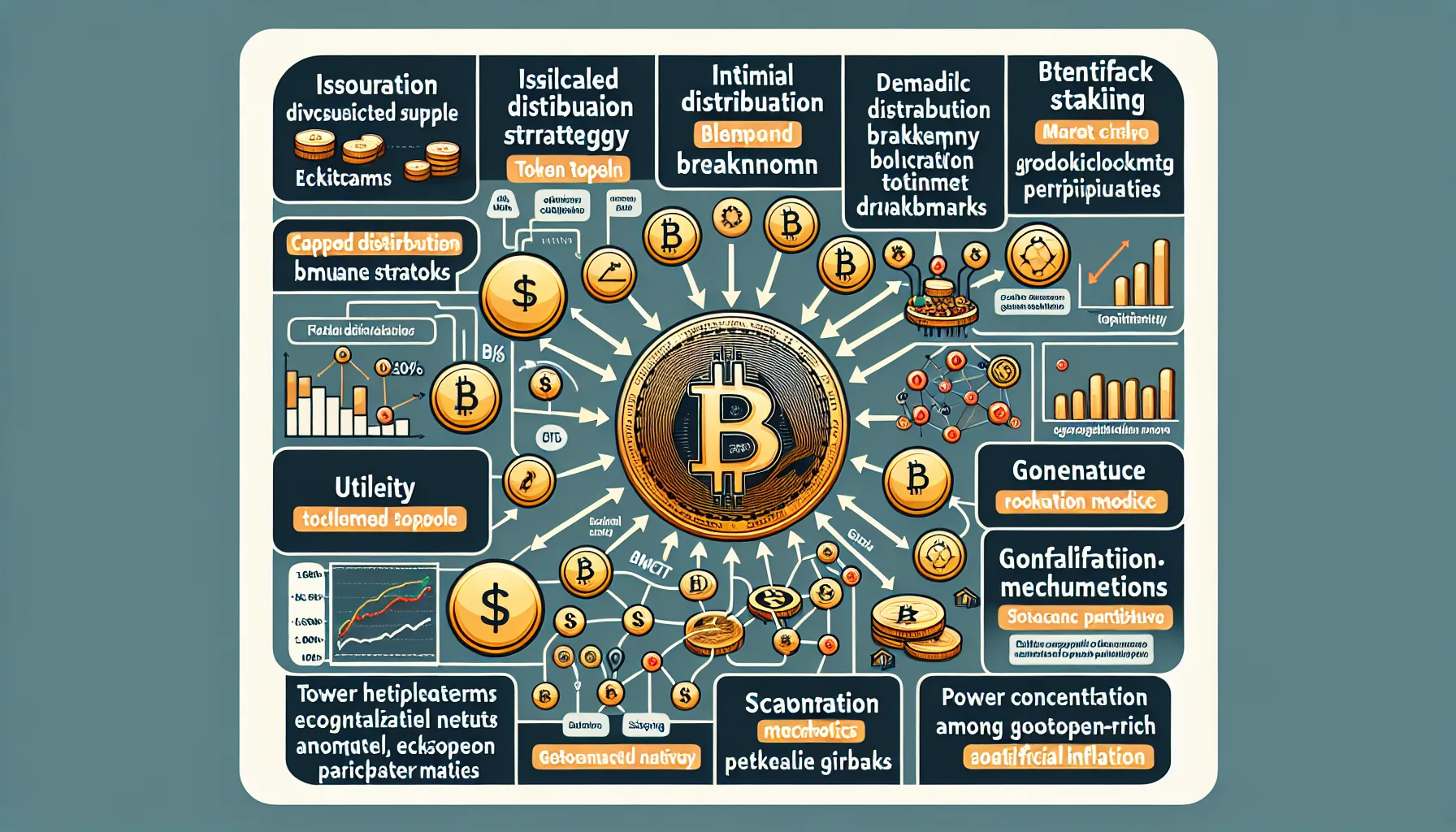
The tokenomics of GMT is a key determinant of its role and behavior within its ecosystem, providing crypto enthusiasts and investors with detailed insight into its structure. Key aspects to consider include its issuance, distribution strategy, utility, and mechanisms for token flow and demand. However, while GMT boasts innovative approaches, certain drawbacks inherent to its tokenomics should not be ignored.
Supply and Emission Model
GMT operates with a capped total supply, a common feature in many crypto projects aiming to create scarcity and drive value. The initial distribution breakdown typically highlights allocations for community incentives, development, private funding rounds, and possibly staking rewards. Despite efforts to achieve decentralization, allocations to insiders (e.g., team and early investors) often raise concerns about potential centralization risks and sell pressure once vesting periods expire. This creates a contentious dynamic for participants aiming to evaluate the long-term sustainability of the asset.
To manage token flow, GMT may incorporate deflationary mechanisms such as token burns tied to specific in-network activities. While deflation can enhance scarcity, critics argue it might hinder organic market liquidity, especially in cases of heavy transactional usage or unexpected demand surges.
Utility: Fueling Ecosystem Activity
The main utility of GMT lies in its role within its native ecosystem. Its functions often include governance staking, serving as a medium of exchange, or unlocking premium services. For active users, GMT's utility ensures continuous engagement with the network, though critics note that tokens tied too heavily to niche ecosystems risk limiting broad adoption. Should the ecosystem's activity plateau or decline, the utility-driven demand for GMT could significantly falter.
Additionally, staking models designed to incentivize token holding introduce mixed reactions. While staking creates yield opportunities and supports network stability, high annual percentage yields (APYs) frequently draw skepticism as unsustainably inflationary, diluting overall long-term value.
Market Dynamics and Concerns
GMT's liquidity is a pivotal concern within its tokenomics framework. A significant percentage of the supply allocated to locked or non-circulating portions (e.g., developer funds, ecosystem reserves) may lead to limited free circulation. This setup can amplify price volatility while providing whales outsized influence over market behavior. Furthermore, depending on its listing strategies across centralized and decentralized exchanges, GMT's price movements and trading volume could sometimes face artificial inflation or illiquidity risks.
Lastly, governance participation rates tied to GMT may inadvertently centralize network decision-making power to token-rich participants, resulting in imbalanced representation. While many projects tout decentralized governance as a cornerstone of their ethos, low participation and concentration of power continue to shadow the practicalities of token-based voting models.
Understanding these nuanced tokenomics considerations is crucial for assessing GMT's ecosystem from a critical perspective.
GMT Governance
Governance Mechanisms in GMT: Decoding the Decision-Making Framework
The governance structure of any blockchain-based project is a critical component in shaping its long-term utility and adaptability. When it comes to GMT, governance is designed to decentralize decision-making while aligning incentives across stakeholders. However, the system is not without its complexities or potential pain points.
Token Holder Voting: Power Distribution and Participation Challenges
GMT governance operates through a token-holder-driven voting mechanism. This structure is built to give holders proportional influence over proposals, such as changes to protocol parameters, treasury allocation, or overall project direction. On paper, this establishes a decentralized approach to governance. In practice, however, the distribution of voting power can become skewed due to token concentration among whales or institutional participants. As a result, the broader base of smaller holders may find their collective voice overshadowed, raising concerns about inclusivity within the governance process.
Low voter turnout is another issue often observed in similar governance setups. While GMT holders have the theoretical ability to participate, engagement tends to be uneven. Many token holders may lack the time, technical knowledge, or even the incentive to stay informed on governance matters—sometimes described as the "governance fatigue" phenomenon in DeFi communities.
Proposal Process: Clarity vs Complexity
Proposals in the GMT ecosystem are generally created by the community or core developers and are subject to a discussion-readiness review before voting occurs. This multi-stage process allows for debate and refinement, ensuring major changes are well-considered. However, this structure can also lead to bottlenecks, particularly when proposals are highly technical or divisive. For those less familiar with the ecosystem’s nuanced mechanics, participating in governance discussions may feel inaccessible, potentially sidelining valuable voices.
Additionally, the absence of clear criteria for prioritizing proposals can create tension between competing interests. For instance, should governance focus more on technical improvements, ecosystem expansions, or economic policies? Without a defined hierarchy, resource allocation can sometimes appear ad hoc or overly influenced by dominant voices within the community.
Managing Treasury and Resource Allocation
A key function of GMT governance lies in managing the treasury—a fund typically composed of native tokens and external assets. Decision-making around treasury utilization often evokes heated debate. Whether funds should be allocated for marketing, protocol upgrades, or ecosystem development, balancing competing priorities can prove polarizing. Further, the reliance on governance votes to direct treasury usage introduces potential delays, particularly if key stakeholders disagree or abstain from voting.
In practice, poor treasury management mechanisms risk reducing liquidity or misallocating resources, potentially weakening the ecosystem over time. Moreover, while decentralized governance is built to mitigate risks of centralized misuse, deliberate manipulation by well-coordinated stakeholders is not entirely off the table.
Technical future of GMT
GMT Crypto Asset: Current and Future Technical Developments
On-Chain Advancements Driving Innovation
Green Metaverse Token (GMT) has centered its technical development on integrating scalable on-chain functionality to address bottlenecks within blockchain ecosystems. A primary focus lies in optimizing transaction processing speeds through layer-2 solutions. By leveraging rollup-based technologies, GMT aims to maintain high throughput while reducing gas fees and ensuring scalability for increasing demand. However, critics point out that the reliance on external scaling solutions may introduce potential vulnerabilities, particularly in trust assumptions and centralized points of failure.
Currently, GMT developers are heavily engaged in enhancing smart contract interoperability. They are working toward enabling seamless communication between different layer-1 blockchains through cross-chain bridges. While this opens up opportunities for broader ecosystem interoperability, security in cross-chain bridges remains a major concern, as recent exploits in such technologies across the crypto space highlight the risks of significant capital loss.
Token Utility Expansion Through Decentralized Mechanics
At the protocol level, future roadmaps indicate GMT’s push toward decentralized governance mechanisms. The goal is to transition key decision-making processes to community-driven decentralized autonomous organizations (DAOs). This approach seeks to foster better user engagement and participation. Yet, challenges arise in balancing decision-making efficiency and equitable representation, with many DAO implementations in the industry struggling to address these issues effectively.
The roadmap also projects refined token utility integration for decentralized finance (DeFi) applications, particularly in liquidity provisioning and staking incentives. To this end, GMT has explored partnerships and collaborations to support its evolving DeFi use cases, but scaling these features sustainably without cannibalizing rewards remains difficult. Excessive staking inflation, for instance, has historically devalued similar projects, highlighting the risks for GMT if mechanisms aren't carefully fine-tuned.
Focused Efforts on Sustainability and Adaptability
GMT’s technical developments also include modular design upgrades to make the platform adaptive to emerging blockchain standards. Investment in energy-efficient consensus mechanisms aims to reduce the carbon footprint of blockchain operations. While this sustainability factor aligns with broader environmental goals, technical trade-offs in terms of decentralization and network security may emerge alongside these optimizations.
Furthermore, GMT's technical team is advancing custom developer toolsets, empowering third-party builders to create dApps on the platform. The absence of robust documentation and onboarding support, however, has been flagged within the crypto-savvy community as a hindrance to rapid adoption. These limitations could delay ecosystem expansion if not addressed proactively.
With these developments and challenges, GMT continues to evolve technologically, balancing innovation with the broader risks inherent in scaling a blockchain ecosystem.
Comparing GMT to it’s rivals
Comparing GMT to STEP: A Breakdown of Web3 Fitness Tokens
When analyzing GMT, the governance token of StepN, against a direct competitor like STEP from Step App, several nuanced differences and challenges arise. Both are Web3 fitness-focused projects, leveraging move-to-earn mechanics to incentivize physical activity, but their ecosystem structures and user engagement strategies diverge significantly.
Ecosystem Complexity and User Accessibility
GMT operates within StepN's more expansive ecosystem, offering dual-tokenomics (GMT and GST) that serve distinct purposes. GMT provides a governance layer and long-term utility, while GST functions as an in-game rewards token. Conversely, STEP simplifies its ecosystem with a single token model, focusing solely on rewards and fee-based utilities. While StepN’s dual-token approach can enhance its scalability and longevity, the added complexity may alienate newcomers or casual users who lack the technical knowledge to navigate multi-token dynamics. STEP's simplicity, on the other hand, appeals to users who prefer straightforward mechanics, but risks being overly simplistic for crypto enthusiasts who value broader utility.
Gamification and Incentive Structures
Both GMT and STEP revolve around gamifying fitness activity, but the depth of gaming elements in their platforms differs. StepN integrates NFT sneakers, customization options, and various in-app fitness modes, creating a more immersive experience. STEP, while also NFT-driven, tends towards a simpler gamified approach that focuses largely on core move-to-earn rewards. The major distinction lies in the intricacy of engagement loops: GMT caters to power users and long-term participants with NFTs that can be upgraded and enhanced, whereas STEP banks on accessibility and low-friction onboarding. This divergence raises questions about sustainability—can GMT's more hardcore gaming elements maintain user retention as the novelty wears off, or will simplicity win the race?
Fee Models and Cost Barriers
Transaction fees are another key differentiator. StepN requires users to purchase NFT sneakers to access its rewards mechanism, effectively creating an entry barrier. STEP also uses NFTs but emphasizes lower-cost alternatives to bring in a wider audience. This strategy helps STEP reduce the entry friction that potential GMT users face. On the flip side, GMT’s higher cost of entry could strengthen token value through exclusivity, but simultaneously limit adoption among users who are unwilling to pay upfront.
Community and Ecosystem Development
The community-driven aspects of projects like GMT are undeniable, partly due to its strong backing by established blockchain ecosystems. However, STEP has also carved its niche, appealing to users who prioritize decentralized simplicity over elaborate ecosystems. GMT benefits from partnerships and expanded utility outside its move-to-earn origin, while STEP seems less aggressive in cross-chain integrations and external ecosystem building.
In comparing GMT to STEP, it's clear that each project caters to a slightly different segment of the fitness-focused crypto community. While GMT prioritizes depth and long-term vision, STEP leans towards accessibility and simplicity—two distinct approaches that shape the competitive landscape.
GMT vs. FITFI: A Detailed Comparison for Savvy Crypto Users
When comparing GMT to FITFI, the two tokens reveal significant differences in both use cases and ecosystem structures, which can greatly influence their adoption and functionality within the realm of blockchain-based activity incentives.
Utility and Ecosystem Focus
GMT (Green Metaverse Token) primarily operates within the STEPN ecosystem as a dual-token mechanism designed for governance and utility. It serves as the higher-level token governing economic incentives and enabling decentralized decision-making within the platform. The STEPN ecosystem focuses on promoting activity-based earnings via "move-to-earn" mechanics, with GMT acting as the mechanism for unlocking advanced features such as customization of sneakers (NFTs) and higher earning tiers.
FITFI (Fitness Finance) powers the economy of Step App, which also employs a "move-to-earn" model but leans heavily into gamification and community-driven elements, including augmented reality (AR) experiences. FITFI’s primary draw comes from its focus on incentivizing users through staking rewards and deflationary tokenomics, with mechanisms to burn FITFI for specified app benefits. This adds layers of potential utility but also complexity in understanding its true value proposition for users.
Tokenomics Comparison
GMT employs a capped supply model, ensuring scarcity over time as adoption increases. Users are incentivized to burn GMT for in-app perks like governance voting and to boost earnings, which theoretically creates demand pressure in the long run. FITFI, by contrast, relies on a deflationary approach where transaction fees and other mechanisms are used to burn tokens over time. While a deflationary model can be appealing to some investors, concerns regarding FITFI exist when it comes to balancing inflationary output from staking rewards and maintaining consistent demand tied directly to the ecosystem's activity.
Technological Differentiators
While both platforms offer geolocation-based earning systems, GMT’s STEPN ecosystem places a higher emphasis on long-term utility features like participation in decision-making processes and diversified earning strategies. FITFI, however, invests more heavily in gamified experiences to keep users engaged, potentially opening the door to a less serious user base and concerns over the sustainability of its earnings system. Additionally, FITFI's dependency on AR technology may limit accessibility for users with older devices or fragmented geolocations.
Challenges to Consider
One notable issue with FITFI lies in its rewards distribution mechanics. The staking-heavy incentives model may overly benefit early adopters while newer users find themselves at a disadvantage, creating potential retention problems down the line. By contrast, GMT’s barriers to entry, like purchasing NFT sneakers to participate in the ecosystem, could alienate casual users unwilling to make upfront financial commitments.
In summary, while GMT and FITFI cater to "move-to-earn" enthusiasts, their ecosystem design and tokenomics highlight distinct strengths and challenges that should be carefully evaluated.
GMT vs. SWEAT: A Feature-Driven Analysis in the Move-to-Earn Ecosystem
When comparing GMT to SWEAT within the move-to-earn (M2E) sector, several distinctions emerge, particularly regarding token utility, platform ecosystem, and mechanics of incentivization. SWEAT, born out of the Sweatcoin ecosystem, has carved a unique position by bridging Web2 to Web3 adoption, but this hybrid model also introduces certain limitations compared to GMT's blockchain-native focus.
Tokenomics and Earning Mechanics
SWEAT has a distinct approach to earning rewards. By converting steps tracked via the mobile-based Sweatcoin app into SWEAT tokens, it leans heavily on a familiar user experience while integrating blockchain functionalities. However, this model has implications for token issuance and inflationary pressure. SWEAT's per-step token rewards diminish over time—a design choice aimed at encouraging early adoption but one that could reduce long-term incentives for new entrants. In contrast, GMT's supply dynamics are deeply tied to in-game activities and staking opportunities, making its tokenomics more directly linked to user behavior within a gamified ecosystem.
User Onboarding and Accessibility
One of SWEAT’s notable advantages lies in its frictionless onboarding for mainstream users. By requiring only a smartphone and no initial Web3 knowledge, newbies can earn without engaging with wallets, exchanges, or blockchain-based interactions. While this lowers the barrier to entry, it’s also a double-edged sword for crypto-savvy users looking for deeper utility. The simplified interface might appeal to casual participants but lacks the depth that GMT provides within its integrated and gamified fitness ecosystem.
Sustainability and Real-World Utility
SWEAT places significant emphasis on bridging fitness activity with tangible rewards aimed at creating a sustainable ecosystem. Yet, this ambition raises questions about usability given its dependence on external partnerships and rewards ecosystems. While GMT has similar aspirations in blending real-world activity with digital incentives, it is more deeply tethered to the metaverse, with unique NFT-driven mechanics and staking options. SWEAT’s reliance on bridging a largely Web2 audience limits its ability to expand fully into decentralized finance (DeFi) use cases, potentially alienating power users looking to maximize ROI through advanced blockchain strategies.
Technical and Community Integration
SWEAT’s infrastructure is rooted in onboarding via traditional app marketplaces, but this approach can limit the potential for decentralized community-driven innovation. With a lack of full decentralization and continuing Web2 integrations, SWEAT faces critiques from the crypto-native audience that prizes decentralization and community governance models. GMT, although not without criticism, stays more aligned with blockchain-first principles, which resonates with hardcore crypto enthusiasts while providing a broader range of blockchain-integrated options like NFT marketplaces and governance participation.
Primary criticisms of GMT
Primary Criticism of GMT: Challenges Facing the Token
Centralization Concerns
Despite often being touted as a decentralized project, one of the primary criticisms of GMT revolves around centralization. A significant proportion of the token supply is allocated to team wallets, investors, and ecosystem funds. This uneven distribution raises questions about potential market manipulation and conflicts of interest. Critics argue that the foundational principles of decentralization—transparency and equal access—are somewhat undermined if a small group of entities holds outsized influence in governing the project or impacting token value through large asset sales.
Lack of Proven Sustainability in Tokenomics
GMT’s tokenomics model has faced scrutiny, particularly around its long-term sustainability. The reward mechanisms rely heavily on user engagement, which is subject to decreasing returns over time as market saturation increases. Additionally, inflationary concerns arise due to issuance mechanisms tied to incentivization. Observers have noted that these structural challenges could dilute GMT’s value unless offset by strong, consistent demand—a dynamic that is difficult to maintain indefinitely in highly competitive markets.
Regulatory Risks
Crypto-savvy analysts highlight GMT’s exposure to potential regulatory challenges. Depending on the interpretation of its structure and utility, the token might attract scrutiny as a security or be subject to jurisdiction-specific compliance measures, turning regulatory ambiguity into a liability. Increased government oversight in major markets adds another layer of risk, as significant operational adjustments may be needed to adhere to evolving rules, potentially impacting functionality or user accessibility.
Overreliance on Incentive-Driven Growth
The GMT ecosystem’s heavy emphasis on incentivized participation raises questions about organic growth versus reliance on short-term engagement strategies. Critics argue that the model attracts users primarily for financial gain rather than long-term adoption or community building. This creates a transient user base that may migrate to newer, more rewarding protocols, leading to decreased engagement and token utility as competing projects continuously innovate.
Scalability Issues
Technical scalability is another thorn in GMT's side. As user adoption increases, the underlying infrastructure has shown signs of strain at higher throughput levels. This emerging challenge could impede future growth, especially if competitors are able to deliver more robust solutions. Technical bottlenecks related to transaction speeds and network congestion have also been flagged by developers, which could erode user trust in the ecosystem if left unaddressed.
Unclear Path to Differentiation
Lastly, GMT faces criticism for its lack of clear differentiation in an increasingly saturated crypto market. While it may offer unique features, many skeptics question whether these attributes are enough to make the project stand apart in a landscape dominated by aggressively innovative competitors. The ability to retain relevance often hinges on constant innovation, which many argue GMT has yet to thoroughly demonstrate.
Founders
GMT Crypto Asset: Insights into the Founding Team
The founding team behind GMT features a combination of blockchain enthusiasts, developers, and strategic business experts, united by their interest in leveraging blockchain technology to innovate within the cryptocurrency space. However, as with many crypto projects, details about the team lack complete transparency, raising questions about accountability and long-term governance.
Core Team Expertise and Backgrounds
The team’s known members bring together a mix of technical and entrepreneurial experience. Key individuals include blockchain engineers with expertise in smart contracts and tokenomics, as well as marketing specialists who have previously scaled projects in the tech and finance sectors. This multidimensional skill set allows GMT to address both the technical complexities of developing the token and the strategic challenges of market positioning. However, critics have highlighted the absence of highly prominent names or established blockchain figures within the core team, which may impact the perceived credibility of the project in the eyes of prospective investors.
Anonymity and Transparency Issues
One aspect that has drawn scrutiny is the degree of anonymity associated with the team. While some members are publicly identified, as is typical with several crypto initiatives, the full organizational structure and decision-making processes are not entirely disclosed. In a market where trust and legitimacy are paramount, this lack of complete transparency can be seen as a potential red flag. Competitor projects have often gained favor by implementing open-source governance frameworks or publicly verifiable audits of their core teams — practices that GMT has yet to fully adopt.
Vision and Decision-Making Dynamics
The founding team’s vision for GMT emphasizes innovation in the utility and application of their crypto asset. However, there have been conflicting signals regarding the prioritization of long-term sustainability versus short-term market adoption. For highly analytical crypto investors, this raises important questions about how cohesive and aligned the decision-making processes are within the team. If the internal vision is fragmented, it could create challenges for scaling the project effectively, both technically and in terms of user growth.
Impact on Community Relations
Finally, the founding team's relatively closed communication style has occasionally created tension with the GMT community. Active engagement with token holders is often a strength for crypto projects, fostering loyalty and promoting organic growth. While GMT has made steps to improve its outreach—through social channels and limited AMAs—its approach may still feel reactive rather than proactive. This sentiment has sparked debates about whether the founding team is adequately attuned to the community-driven ethos fundamental to many blockchain projects.
Authors comments
This document was made by www.BestDapps.com
Sources
- https://www.stepn.com/
- https://github.com/StepN-Labs/
- https://medium.com/stepn
- https://docs.stepn.com/
- https://twitter.com/Stepnofficial
- https://stepnofficial.medium.com/stepn-green-metaverse-token-gmt-tokenomics-7e9ad3d4c3c7
- https://www.coingecko.com/en/coins/stepn
- https://coinmarketcap.com/currencies/stepn/
- https://etherscan.io/token/0xe3c408BD53c31C085a1746AF401A4042954ff740
- https://bscscan.com/token/0xe3c408bd53c31c085a1746af401a4042954ff740
- [https://solscan.io/token/GMTXXXzYff6jnjmoYKMyViLnRUvH24eUMQ ], (verify URL structure)]
- https://www.crunchbase.com/organization/stepnd etc.),cta), Bear ailr safe).