History of GMT
The History of GMT: From Inception to Adoption
GMT, short for Green Metaverse Token, emerged as a governance and utility token aimed at revolutionizing the intersection of blockchain, fitness, and decentralized finance. It was launched as part of the STEPN ecosystem, a Web3 lifestyle app integrating elements of GameFi and SocialFi. However, its development and adoption were far from smooth, characterized by strategic decisions, ambitious goals, and numerous hurdles.
The conception of GMT can be traced back to the rising popularity of move-to-earn (M2E) protocols, which sought to gamify healthy habits and reward users for physical activities like walking and running. The token was designed to operate alongside GST (Green Satoshi Token), its counterpart in the dual-token economy model. While GST served as an in-game utility token, GMT was positioned as a governance asset with capped supply, aligning itself with the principles of deflationary economics.
In its early days, GMT gained traction among crypto enthusiasts and athletes intrigued by its novel use case. Its tokenomics initially seemed to incentivize both active participation and speculative investment, driving demand within the ecosystem. However, this rapid growth raised concerns about sustainability. Critics pointed to the potential risks of over-rewarding early adopters at the expense of long-term participants. Questions about the scalability of the rewards system and how GMT could maintain utility beyond its speculative appeal became topics of debate within the community.
Furthermore, GMT’s history is marked by several contentious moments involving regulatory scrutiny. As the global regulatory landscape around crypto tightened, the STEPN ecosystem faced challenges in some jurisdictions, leading to the suspension of its GPS-based M2E app in certain regions. These developments sparked discussions about the dependency of GMT and similar tokens on centralized infrastructure like mobile apps and geolocation services, raising broader issues about decentralization in M2E projects.
Another defining chapter in GMT’s history involved addressing rampant bot activity within the STEPN platform. In an effort to promote fairness and prevent abuse, developers introduced measures to counter automated usage, but these steps were met with mixed reactions. While some praised the efforts to protect the ecosystem’s integrity, others criticized the execution, arguing that the lack of transparency in enforcement could alienate legitimate users.
Despite these challenges, GMT carved out a noteworthy position in the M2E sector by leveraging its governance model and community engagement. Its history reflects a microcosm of crypto’s broader journey—full of innovation, excitement, and growing pains—and highlights the complexities of building sustainable utility tokens in rapidly evolving markets.
How GMT Works
How GMT Works: Exploring the Mechanics Behind the Crypto Asset
GMT (Green Metaverse Token) operates as a utility and governance token within its respective ecosystem, empowering users to engage in specific functionalities while aligning incentives for participants. Its underlying structure relies heavily on blockchain technology, often integrating both tokenomics and smart contracts to maintain balance and drive user interaction within the ecosystem. Here's a detailed breakdown:
Tokenomics and Allocation
GMT utilizes a dual-token model, often complemented by a secondary in-ecosystem asset, to differentiate between operational utility and long-term value accumulation. A pre-defined supply cap is implemented, which introduces scarcity over time; this scarcity often plays a key role in shaping user-driven demand dynamics.
One noteworthy design is GMT's burn mechanism. A portion of tokens may be programmed for destruction (via automated mechanisms like smart contracts) when used for in-app transactions or governance. This deflationary component reduces circulating supply and could enhance value concentration among remaining tokens. However, the efficiency of such a structure often comes under scrutiny, as the burn model's true impact on user benefits tends to fluctuate depending on external variables such as network activity and overall market conditions.
Governance in Decentralized Networks
Being a governance token, holders of GMT are granted voting power over specific parameters or proposals within the ecosystem, such as changes in scaling fees, allocation of rewards, or adjustments to functional mechanics that impact user incentives. While this governance utility fosters community-driven development, critics argue that whale activity—where significant individual token ownership dominates outcomes—can skew the democratic intent behind decision-making processes.
Integration and Usage
GMT often finds its functionality deeply tied to a metaverse or play-to-earn framework, where users leverage these tokens either to unlock premium features, access exclusive digital assets, or partake in financial rewards. Moreover, users may be required to stake GMT to enable certain features, tying token holding directly to ecosystem engagement. However, staking models often invite skepticism due to their illiquid nature, as participants temporarily lose access to their tokens.
Limitations in Adoption
Though conceptually robust, GMT's practical success is hindered by several challenges. The dependence on network activity for token utility means periods of low user engagement can diminish its perceived value. Additionally, technical friction—such as high gas fees for interacting with smart contracts on certain blockchains—can deter participation, as can concerns over regulatory scrutiny targeting governance-linked crypto tokens.
Use Cases
Exploring the Use Cases of GMT: Beyond the Basics
GMT is designed as a governance and utility token within the framework of the STEPN ecosystem, a move-to-earn model that incentivizes physical activity. Its core utility hinges on enabling and rewarding user interactions, but a closer examination reveals both practical applications and limitations that crypto-savvy individuals should be aware of.
Governance Functionality
One of GMT’s standout features is its role in decentralized governance within the STEPN ecosystem. Token holders are granted the ability to participate in decisions related to project updates, system improvements, or resource allocation. This aligns with the broader ethos of decentralized finance, empowering users to shape the platform’s trajectory. However, the layer of governance may face challenges as it scales. Low voter participation or disproportionate weight held by large stakeholders (whales) can centralize decision-making power, raising concerns about practical decentralization.
Token Burning Mechanism
GMT is integral to STEPN’s token-burning mechanics, which dictate token deflation and enhance value accrual. Burning is tied to certain in-app activities like sneaker upgrades, level-ups, and high-tier minting processes, incentivizing users to spend GMT versus merely holding it. While this increases the dynamism of the ecosystem, the sustainability of these mechanisms is questionable. Heavy reliance on burning ensures artificial scarcity but can trigger user dissatisfaction if spending thresholds outpace achievable earnings through participation.
In-App Utility
Utility within the move-to-earn model is another essential use case. GMT enables users to access features such as optimal earning mode conversions, priority access to NFT releases, and in-app energy maximizing structures. These features cater to enhancing gameplay and optimizing earnings. Still, critics point to a potential bottleneck: over time, as the user base grows, competition for these utilities could intensify, leading to resource scarcity and extending the pay-to-play narrative inherent in some blockchain-based ecosystems.
Cross-Platform Potential
In theory, GMT’s utility could expand to interoperable ecosystems that align with fitness or lifestyle-based applications. However, this has yet to be realized on a meaningful scale. Without broader adoption beyond the STEPN application framework, GMT’s use case is inherently tied to a single platform, which may limit its appeal to users seeking expansive utility across the broader crypto landscape.
Reward and Earning Dynamics
A notable application of GMT resides in earning mechanics, particularly for users engaging at higher tiers of participation. Players earn GMT tokens as rewards for reaching specific activity thresholds. While this incentivization model is effective in the short term, it raises questions about long-term token sustainability. Models heavily dependent on rewards are at risk of inflationary pressure unless paired with significant user base expansion or robust sink mechanisms.
In summary, GMT presents diverse functional applications that enhance its ecosystem-specific utility but exhibits vulnerabilities tied to scalability, governance quality, and user equity.
GMT Tokenomics
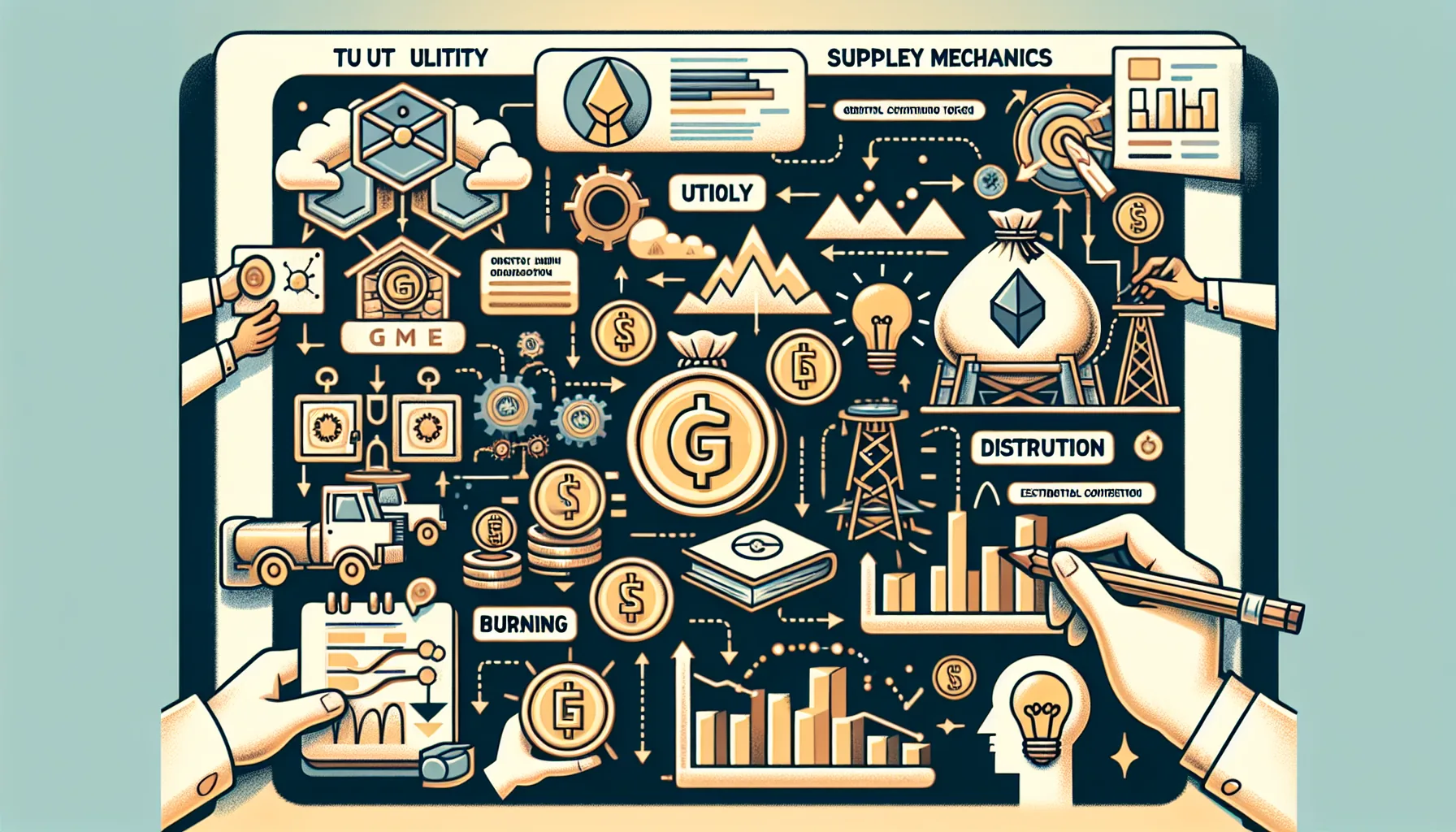
GMT Tokenomics: Analyzing Utility, Supply Mechanics, and Distribution Challenges
The tokenomics of GMT, the governance and utility token underlying the StepN ecosystem, is a critical aspect to dissect for a deeper understanding of its ecosystem dynamics. GMT’s design serves distinct functionality while its supply, distribution, and emission schedule introduce both opportunities and potential constraints to its value proposition.
Utility and Burn Mechanisms
GMT plays a dual role, acting as both a governance token and a utility token within the ecosystem. Users stake GMT to participate in governance, enabling decision-making on ecosystem updates or protocol governance policies. More prominently, GMT functions as a reward token, earned by users who hit specific requirements within the StepN platform. A core facet of the tokenomics model lies in the token-burning mechanisms, designed to stabilize supply by encouraging users to burn GMT in exchange for various in-game benefits—such as advanced minting upgrades or enhanced functionality of digital assets. While these burn mechanisms are effective in creating deflationary pressure on the supply, the long-term viability of this approach hinges on sustained demand within the ecosystem. Diminishing user activity or adoption rates could significantly impact the effectiveness of this deflationary model.
Supply Cap and Emission Schedule
GMT has a fixed maximum supply, a feature often seen as appealing due to its potential to drive scarcity. However, the total supply is unlocked gradually through a structured emission schedule composed of ecosystem rewards, allocations for team and advisors, treasury reserves, and liquidity provisions for the token’s market deployment. Notably, this emission schedule extends over several years to mitigate hyperinflation risks. Nevertheless, the gradual release of team and advisor tokens into circulation could exert selling pressure when vesting periods end, especially during bearish market conditions. This dynamic is worth monitoring as it could introduce periodic volatility tied to supply-side activities.
Distribution Structure and Risk Factors
A key critique lies in GMT’s initial token distribution, which allocates a significant portion of the supply to private investors, the team, and ecosystem reserves. While these allocations are intended to ensure the token’s long-term sustainability and development funding, they skew significantly towards centralized control in the protocol’s early stages. This raises questions about decentralization—a core value in many blockchain ecosystems. Additionally, concerns exist about the potential misalignment of incentives, as early-stage token holders may prioritize short-term profit-taking over ecosystem growth.
The tokenomics model’s success is inextricably linked to maintaining robust user activity and consistent demand for GMT’s utility functions, factors that remain variable and ecosystem-dependent.
GMT Governance
Governance Mechanisms of GMT: Decentralization vs. Centralization in Action
The governance of the GMT token plays a critical role in shaping its ecosystem, and its structure reflects broader debates within the crypto community about the balance between decentralization and centralization. Governance decisions surrounding GMT directly influence the direction of protocol upgrades, the distribution of resources, and long-term sustainability, giving stakeholders substantial power—but not without its challenges.
On-Chain Governance: A Work in Progress
GMT leverages a governance model that is fundamentally tied to its native blockchain, with token holders participating in protocol decisions. By staking GMT, users gain voting rights, allowing them to have a say in key issues such as changes to fee structures, tokenomic adjustments, or the allocation of treasury funds. This creates a theoretically decentralized decision-making process, but participation metrics often fall short of full engagement. Low voter turnout in major proposals has been a recurring issue, raising questions about the effectiveness of incentivization mechanisms and the concentration of influence among larger stakeholders.
Distribution of Voting Power: Uneven Representation?
A critical governance challenge that GMT shares with many other crypto assets is the uneven distribution of voting power. Token whale dominance—a situation where a small number of large holders control a disproportionate amount of governance influence—has been a source of contention. While the system nominally allows for decentralized governance, the reality is that wealthier holders can have a disproportionate say over critical upgrades or budgeting decisions. This raises concerns over fairness and potential centralization in practice, even if the governance model itself is decentralized in theory.
Off-Chain Influences: The Role of Core Teams and Developers
Although GMT's governance integrates on-chain voting, its development roadmap and proposal framework remain heavily influenced by the core team and associated developers. Critics argue this introduces a degree of off-chain centralization that could undermine token holder sovereignty. Others, however, suggest that core team involvement is necessary to ensure technical coherence and strategic alignment, especially in the early stages of the ecosystem’s growth. Achieving a balance between empowering token holders and utilizing the expertise of centralized entities remains a crucial sticking point.
Transparency and Proposal Accessibility
Transparency is another governance-related factor that has faced scrutiny. While governance proposals are often technical and detailed, accessibility for average token holders who lack specialized knowledge is a hurdle. This dynamic, coupled with information asymmetry, discourages smaller stakeholders from participating meaningfully, leaving critical decisions to those with greater resources and understanding of the protocol.
Technical future of GMT
Technical Roadmap and Developments of the GMT Crypto Asset
The technical architecture and future developments of GMT (Green Metaverse Token) display a mix of innovation and challenges that highlight both the potential and complexities of this ecosystem. As a dual-token model often tied to blockchain-powered incentivization platforms, GMT's evolution hinges on strategic upgrades and the robustness of its roadmap.
Enhancements to Scalability and Network Efficiency
A critical focus for GMT is scalability. Since its initial technical framework was built with high transaction throughput in mind, upcoming developments aim to optimize data processing while minimizing bottlenecks. Developers are reportedly exploring Layer-2 scaling solutions and cross-chain compatibility, which, if implemented effectively, could mitigate current concerns regarding network congestion. However, the adoption of these solutions remains challenging, as seamless integration often comes at the cost of increased architectural complexity.
Smart Contract Upgrades and Tokenomics Adjustments
Security in smart contracts remains a key area for improvement within the GMT ecosystem. Recent audits have identified vulnerabilities associated with the potential exploitation of transaction fees and governance-related decision-making mechanisms. To counteract this, planned upgrades to the core protocol include restructured smart contracts designed to be more adaptable to evolving regulatory and technical standards.
In tandem, GMT is expected to undergo a reevaluation of its tokenomics. A significant issue lies in the balancing of rewards, inflation, and long-term value retention. Future updates might involve introducing or refining mechanisms such as dynamic staking APYs or deflationary token burns, though success depends on active community feedback and fine-tuned implementation.
Development of Decentralized Ecosystem Tools
GMT’s roadmap indicates a push toward decentralized app (dApp) expansions and ecosystem utility tools that promote widespread adoption. Modules supporting advanced tracking, gamification, and personalized data analytics for user engagement are under development. However, critics express concern over whether these features will reach full decentralization or remain reliant on centralized intermediaries for backend operations.
Environmental and Sustainability Initiatives: A Work in Progress
One of GMT's differentiators is its positioning as an eco-friendly crypto asset. Despite efforts to maintain a lower carbon footprint—potentially through migration to energy-efficient protocols such as Proof of Stake (PoS)—the ecosystem faces skepticism. Critics argue that measurable sustainability outcomes often lag behind marketing claims, raising questions about transparency and delivery timelines for these goals.
Overall Technical Focus Areas
For GMT to address scalability, security, and usability simultaneously, its developers must navigate multiple technical challenges. Upcoming upgrades serve as a test for whether the team can execute on their promises while also meeting the expectations of a highly engaged, technically astute community.
Comparing GMT to it’s rivals
GMT vs APE: Functional Divergences in Utility and Ecosystem Scope
GMT (STEPN’s native governance and utility token) targets a tightly focused niche in the crypto and blockchain ecosystem—move-to-earn (M2E). Unlike APE (ApeCoin), which has a broader ecosystem approach linked to the Bored Ape Yacht Club (BAYC) and its cultural penetration into NFTs, GMT’s appeal lies in its utility-driven gamified fitness model. This divergence has produced both advantages and challenges for GMT when compared to APE’s multifaceted ecosystem.
On the functional level, GMT is directly tied to user activity. Its M2E mechanism requires real-world engagement via physical activity tracked through STEPN’s mobile app. This focus on utility means GMT’s demand is largely usage-driven, revolving around energy usage, NFT sneakers, and tokenized rewards within the STEPN ecosystem. In contrast, APE operates broadly within its ecosystem, enabling DAO governance and supporting integration across an expanding Web3 infrastructure. For instance, APE’s value proposition does not require continuous individual activity but rather benefits from the network effects of its community and partnerships. While GMT can attract niche audiences who embrace fitness and gamification, it arguably faces a narrower user base compared to APE’s appeal to NFT enthusiasts, investors, and developers.
The sustainability of GMT’s tokenomics also contrasts with APE’s structure. GMT employs a dual-token in-app ecosystem (with GST as the secondary token for rewards). This split is designed to manage token inflation and address issues such as over-rewarding early users. However, the M2E model faces challenges of scalability and sustainability—demand for GMT is disproportionately reliant on continued new user onboarding and NFT sneaker sales, potentially leading to speculative behaviors. APE, on the other hand, benefits from broader applications, spanning metaverse projects, merchandise, and possible gaming integrations, where token dynamics are less contingent on immediate user participation.
Security vulnerabilities present another critical distinction. Given GMT’s emphasis on app-based activity and location tracking, privacy concerns are a potential issue. Users engaging in the ecosystem must trust STEPN’s infrastructure not only for transactional security but also for the safety of personal data—a concern less pronounced in APECoin’s use case. However, GMT has invested in anti-cheating mechanisms, attempting to maintain fairness across its gamified model, which remains a unique consideration absent in APE.
Ultimately, GMT’s niche focus in M2E carves out a distinct pathway compared to APE’s governance-first and community-oriented framework. Both tokens serve their ecosystems well but under largely different scopes and challenges.
GMT vs SAND: Comparing Use Cases and Ecosystem Depth
When evaluating GMT against SAND, it’s crucial to dissect their underlying ecosystems and intended use cases rather than focusing solely on token mechanics or short-term trends. Both crypto assets cater to distinct niches within the blockchain sector, yet subtle overlaps in their utility and market reach make this comparison particularly interesting for investors and builders.
Use Case Distinctions
GMT is tailored towards the move-to-earn (M2E) concept, monetizing physical activity in a gamified ecosystem. Its primary appeal lies in incentivizing user participation through activity tracking—positioning itself as both a lifestyle and rewards tool. In contrast, SAND operates as the utility token within The Sandbox metaverse, focusing on creating, trading, and interacting within virtual assets and environments.
Where SAND differentiates itself is in its creator-driven economy. Users can use the token to purchase virtual land (LAND), trade non-fungible tokens (NFTs), and stake to influence platform governance. This makes SAND deeply integrated into both play-to-earn (P2E) and content creation frameworks, such as voxel-based game and metaverse development. In comparison, GMT’s value proposition revolves around personal engagement and movement, which limits its scope to fitness-aligned activities—arguably a narrower niche than SAND's expansive metaverse ecosystem.
Ecosystem Maturity
SAND boasts an established infrastructure tied to The Sandbox, which has formed partnerships with prominent brands and celebrities to drive user acquisition. This integration strengthens its ecosystem’s network effect and offers a wider range of applications for developers and end-users. GMT, meanwhile, relies on its app ecosystem and tokenomics model, which is comparatively younger and less diversified. The limited use case for GMT beyond the M2E model raises concerns about scalability and longevity within its ecosystem.
Challenges in Token Utility
SAND integrates a clear economic loop driven by both consumer and developer participation. However, issues with high gas fees, especially on Ethereum, and the growing need for cross-chain compatibility could restrict accessibility for smaller participants. On the other hand, GMT faces criticism for potential wear-and-tear mechanics within its gameplay elements, where asset depreciation and entry costs (e.g., sneakers) may deter new users or participants unwilling to pay upfront.
Ultimately, the contrast between GMT and SAND revolves around niche specificity versus broader utility. While SAND's ecosystem facilitates diverse metaverse experiences, GMT's appeal relies heavily on sustained interest in physical activity monetization—highlighting divergent growth trajectories and challenges for each asset.
Comparing GMT to Decentraland's MANA: Differences in Ecosystem and Utility
When analyzing GMT and MANA, the distinctions in their ecosystems and use cases highlight contrasting approaches to blockchain-driven innovation within the crypto space. Decentraland's MANA is a key player in the metaverse sector, establishing itself as the transactional backbone for its decentralized virtual platform. GMT, by comparison, operates in a completely separate niche, designed as the native token for StepN, a move-to-earn (M2E) application that gamifies fitness. While their target markets don’t overlap directly, there are important differentiators to consider for investors and users evaluating these tokens.
On the utility front, MANA's primary value proposition lies in powering transactions in Decentraland's metaverse economy. Users need MANA to purchase virtual land, goods, and services within the digital ecosystem. This has positioned MANA more as a currency for a largely speculative virtual real estate market, where the monetization of in-world assets and experiences is a critical driver. GMT, on the other hand, facilitates StepN's gamified fitness environment, where users earn tokens by completing physical activities via its app. However, GMT's utility is more narrowly concentrated on rewards distribution, ecosystem governance, and token-burning mechanisms to manage supply. This comparative limitation in use cases may challenge GMT's adaptability in the context of broader blockchain applications.
Another clear distinction arises in the level of decentralization. Decentraland aggressively embraces the ethos of decentralized governance through its DAO (Decentralized Autonomous Organization), granting MANA holders voting power on critical decisions affecting the virtual society. Conversely, GMT's governance and broader ecosystem remain predominantly shaped by the StepN development team. For crypto enthusiasts valuing decentralization, this power structure creates potential concerns about centralized influence over GMT's trajectory, particularly as StepN operates as a closed system, with limited compatibility beyond its app.
In terms of value alignment, MANA's appeal extends to a user base building and trading virtual identities, whereas GMT caters to a fitness-driven and gamification-engaged audience. MANA's model hinges heavily on user-generated content and its potential to build a scalable metaverse economy—a concept yet to achieve widespread adoption outside crypto enthusiasts. GMT, while innovative, could be exposed to user fatigue, as its reliance on consistent app engagement poses risks of diminishing returns for holders if participation wanes.
Lastly, scalability concerns impact both assets uniquely. MANA faces challenges scaling Decentraland’s metaverse infrastructure, especially as on-chain interactions increase transaction costs and latency. GMT’s scalability bottlenecks relate to StepN's ability to onboard new users and sustain its M2E incentives, considering the inherent inflationary nature of token rewards.
Primary criticisms of GMT
Primary Criticism of GMT: Addressing Core Concerns
Centralization Risk and Governance Challenges
One of the most prominent criticisms of GMT is its centralization risk, especially concerning token governance. While the project emphasizes decentralized principles, much of the decision-making power still appears concentrated in the hands of developers or a limited subset of stakeholders. This raises concerns about transparency and whether the token's long-term trajectory is truly shaped by its community. Critics point out that centralized control can expose the ecosystem to manipulation or unilateral changes that may not align with broader holder interests.
Emission Model and Inflation Concerns
The tokenomics of GMT has also faced scrutiny, particularly regarding its emission model. Questions arise over how sustainable the rewards mechanism is and whether the token inflates its supply too aggressively. High inflation can dilute existing holders' stake over time, undermining potential value retention. While proponents highlight the usefulness of earning tokens in the ecosystem, detractors caution against a reward structure that could collapse under its own weight if demand fails to keep pace with issuance.
Overreliance on Utility Narratives
Critics often highlight that GMT operates within a niche that heavily emphasizes utility-driven adoption. While this is a common approach for emerging crypto assets, some argue that GMT’s long-term value relies disproportionately on user volume and community enthusiasm. This creates a potential vulnerability for the token, as any dip in user engagement or ecosystem adoption could destabilize its perceived utility and relevance. If the broader environment fails to support sustained growth, GMT could struggle to maintain a meaningful position in the market.
Security and Regulatory Exposure
Some industry observers have raised questions regarding the token’s security infrastructure and compliance with evolving regulations. As frameworks governing crypto assets continue to mature globally, GMT’s exposure to stricter oversight could present hurdles for its operational model. Additionally, any exploit or vulnerability discovered in its smart contracts or associated ecosystem could undermine confidence and cause reputational damage.
Speculative Overdependence
Although positioned as a utility token, GMT is criticized for being overly associated with speculative trading activity. A significant portion of its ownership demonstrates a pattern of frequent market oscillations, with some suggesting that this undermines the project’s core fundamentals. Critics argue that being too tightly tethered to speculation diverts focus from its intended purpose and leaves the ecosystem vulnerable to sudden market downturns.
Founders
Deep Dive: The Founding Team Behind GMT
GMT, like many blockchain-based projects, owes its foundation to a core team of visionaries aiming to push the boundaries of decentralized technologies. Understanding their backgrounds and expertise offers key insights into the cryptocurrency’s origins, but also highlights areas that prompt thoughtful scrutiny.
Core Leadership and Expertise
The GMT project’s founding team is notably composed of individuals with diverse experience in blockchain development, technology entrepreneurship, and tokenomics. Most of its public-facing leadership touts prior success with previous tech or crypto ventures, which contributes to the project’s credibility. Some of the members are known for their engineering rigor, with expertise in distributed systems and blockchain architecture. Additionally, the inclusion of advisors with backgrounds in finance and venture capital demonstrates a deliberate attempt to balance technical and business acumen within the team.
While these qualities indicate a competent leadership structure, a large portion of the contributors operates under pseudonymous identities—a common but polarizing practice in the blockchain industry. To cryptography and decentralization purists, this aligns with the ethos of privacy and security; however, it carries risks for investors and users seeking a higher degree of accountability.
Transparency Challenges
A recurring critique centered on the GMT founding team is the limited transparency regarding their full identities and roles. While certain team members are publicly named, key contributors to the project remain obscure. This lack of full disclosure has raised eyebrows within sections of the crypto community, particularly those focused on regulatory compliance and financial security. Skeptics often cite transparency as a critical benchmark for preventing malicious intent or outright fraud, making the semi-anonymity of some GMT team members a contentious issue.
Additionally, the disclosed team members appear to favor a low-profile public presence, often avoiding extensive media appearances or interviews. Although this could reflect strategic discretion, it also means that there are fewer channels through which the wider community can directly engage with the team’s thoughts, strategies, or project motivations.
Decentralization vs. Leadership Centralization
An inherent tension exists between the vision of decentralization that GMT claims to promote and the centralized nature of its founding team structure. Critics argue that decision-making appears to rest disproportionately in the hands of a select few core developers and advisors, a potential contradiction to GMT’s decentralization claims. Whether deliberate or inevitable, this dynamic raises questions about governance flexibility as the project continues to evolve.
Authors comments
This document was made by www.BestDapps.com
Sources
Official Website
Whitepaper
GMT on CoinMarketCap
GMT on CoinGecko
GMT Tokenomics Breakdown
Team & Partners
StepN GitHub Repository
StepN Yellow Paper on App Mechanics
GMT Staking Explanation
StepN Blockchain Integration Details
STEPN on Binance Research
Community Updates
GMT Governance Details
StepN Developer Documentation
GMT Frequently Asked Questions
GMT Listing Announcement