History of GLCH
The History of GLCH: Evolution and Development of the Project
GLCH (Glitch Protocol) emerged as a blockchain project with a clear focus on optimizing decentralized financial applications. The protocol was developed to address inefficiencies in existing blockchain ecosystems, specifically targeting the high costs and transaction bottlenecks often associated with traditional DeFi platforms. Its creators designed GLCH with the aim of delivering a "blockchain-agnostic superprotocol" that could streamline interoperability between various chains while minimizing network congestion and fees.
From its inception, GLCH positioned itself as a DeFi-centric blockchain, diverging from general-purpose protocols. The project's early roadmap emphasized low-latency transaction processing, cost-efficiency, and high scalability. GLCH's genesis block was launched under a unique consensus mechanism, delegated proof-of-stake (DPoS), which prioritized energy efficiency and governance decentralization. However, this choice has not been without criticism. Some industry stakeholders often question DPoS's susceptibility to centralization risks due to voter apathy and concentrated token holdings among a small group of stakeholders.
The project's growth was also punctuated by significant upgrades to its architecture. Early adopters saw the release of its native staking protocols and governance models, which allowed the community to vote on updates and directives. Over time, the protocol underwent multiple iterations to improve compatibility with Ethereum’s Virtual Machine (EVM), ensuring cross-chain functionality even within Ethereum-dominant ecosystems. This was particularly important for fostering liquidity and bridging GLCH with widely adopted DeFi protocols.
One of GLCH's defining moments in its developmental history was the launch of its decentralized exchange (DEX), which became a cornerstone of its ecosystem. The DEX was built to demonstrate GLCH’s emphasis on low transaction costs but has occasionally faced criticism for liquidity limitations compared to larger, well-established platforms. This has been regarded as a barrier to its mass adoption, especially among institutional users.
Another notable phase in the project's history included outreach initiatives focused on developer incentives. Grants and hackathons aimed to build an ecosystem of dApps tailored specifically for DeFi niches. While these initiatives helped attract innovative projects, developer retention posed challenges. Competing ecosystems with larger user bases and developer rewards often drew talent away, leaving GLCH struggling to scale its dApp library in comparison to competitors.
GLCH’s history reflects a complex journey of technical achievement and growing pains, illustrating the challenges of carving out a niche in an increasingly saturated blockchain space.
How GLCH Works
How GLCH Works: Understanding the Underlying Mechanisms
GLCH, or Glitch Protocol, is specifically designed as a platform to support decentralized finance (DeFi) applications while optimizing throughput, costs, and interoperability. Central to its functionality is its unique blockchain architecture, underpinned by innovations that aim to mitigate performance and scalability bottlenecks often observed in legacy blockchains. Below is a detailed breakdown of its operational framework to help decode how it actually functions.
Consensus Mechanism
At the heart of GLCH is a proof-of-stake (PoS) consensus mechanism, which governs the validation and finalization of transactions. PoS ensures both energy efficiency and scalability by relying on validators who stake native GLCH tokens to participate in consensus activities. However, while PoS systems are celebrated for reducing energy consumption, questions of validator centralization can arise, particularly when large stakeholders dominate the network's governance.
Native dApp Layer and Smart Contracts
GLCH provides a robust layer explicitly tailored for DeFi applications by prioritizing cost-effective execution. Its smart contract environment is EVM-compatible, which allows developers to deploy and migrate Ethereum-based dApps seamlessly. Although this is a clear advantage for interoperability within existing ecosystems, it raises potential concerns about ecosystem redundancy. Relying on EVM compatibility could limit the incentive for developers to explore GLCH-specific innovations beyond cost efficiencies.
Revenue Sharing Model
A standout feature of GLCH is its unique revenue-sharing model. The protocol redistributes transactional revenue to stakers and dApp creators, creating a strong incentive structure for ecosystem participation. However, while this model promotes an equitable distribution of rewards, it also introduces the risk of diluting focus. Excessive transactional rewards linked to staking may detract participants' attention from building and using DeFi applications.
High Throughput Design
GLCH emphasizes transaction throughput, employing a blockchain architecture that minimizes latency and maximizes the number of concurrent transactions processed. This is achieved through its layered architecture, which isolates specific blockchain functionalities to prevent congestion. While an emphasis on efficiency is a key advantage, achieving theoretical throughput under real-world conditions can present challenges, particularly as the ecosystem scales.
Cross-Chain Interoperability
To support DeFi’s multi-chain future, GLCH integrates cross-chain capabilities into its protocol. This allows assets from other blockchains to interact seamlessly with GLCH-based dApps using bridges. However, bridges remain a point of vulnerability across the crypto industry, as they are often targeted in security exploits, raising concerns about the robustness of GLCH’s bridge implementations.
Governance and Decision-Making
GLCH relies on token-weighted governance, enabling GLCH holders to propose and vote on changes to the protocol. While this aligns with the ethos of decentralization, it amplifies the influence of large token holders, potentially limiting the inclusivity of smaller participants in shaping the protocol’s future.
Use Cases
GLCH Use Cases: Exploring Its Real-World Applications and Limitations
GLCH (Glitch Protocol) positions itself as a scalable blockchain designed specifically for decentralized finance (DeFi) applications. Its primary use cases focus on providing a high-performance environment for developers to build decentralized applications (dApps) and leveraging a low-cost, high-throughput infrastructure. Below is a detailed look into the key use cases and some critical considerations around its utility.
1. DeFi Ecosystem Expansion
The core utility of GLCH is facilitating decentralized financial applications with minimal transaction fees and near-instant finality. Its network integrates economic incentive structures, enabling seamless trading, lending, and staking mechanisms. GLCH is particularly appealing to projects requiring frequent or small-value transactions since its architecture reduces cost overheads significantly. However, the competition from other similar blockchain networks, such as Ethereum Layer-2 rollups or solutions like Solana with already robust DeFi ecosystems, poses a barrier to wide-scale adoption.
2. Cross-Chain Asset Interoperability
GLCH supports cross-chain transactions, aiming to bridge liquidity and functionality between blockchains. The protocol incorporates mechanisms for connecting assets on different networks, simplifying asset movement across ecosystems. This functionality theoretically addresses the fragmentation issue in DeFi. However, concerns arise regarding the complexity and security of cross-chain bridges. Cross-chain interoperability remains a technical challenge across the crypto industry, with risks of hacks and liquidity vulnerabilities spotlighting potential weaknesses in GLCH’s implementation.
3. Incentivized Governance Mechanisms
GLCH places a significant emphasis on community-driven governance. Token holders are empowered to vote on protocol upgrades, fee structures, and other ecosystem-level decisions. The incentivized governance model encourages long-term participation and alignment, but achieving a genuinely decentralized and engaged governance community in practice remains difficult. Concentration of GLCH tokens among a small group of whales could undermine the fairness and inclusivity of the decision-making process, making it a point of concern.
4. White-Label dApp Development
A notable use case is GLCH’s aim to lower the entry barrier for developers through white-label solutions for dApps. These pre-built modules allow projects with limited blockchain expertise to quickly deploy applications that leverage GLCH’s infrastructure. While this feature enhances accessibility, it may also inadvertently lead to generic dApp ecosystems that lack innovation and differentiation, potentially slowing user onboarding and retention in the long run.
5. High-Throughput Payment Gateways
The protocol’s design enables it to function as a global settlement layer for micropayments and large-value transactions alike. Its scalability allows merchants and service providers to integrate payment solutions with reduced friction compared to legacy providers. However, merchant adoption remains an uphill task without significant network effects or incentivized campaigns, limiting the real-world applicability of this use case.
While GLCH demonstrates clear potential in several use cases, these applications still face technical, competitive, and adoption-related hurdles that may influence their scalability and success.
GLCH Tokenomics
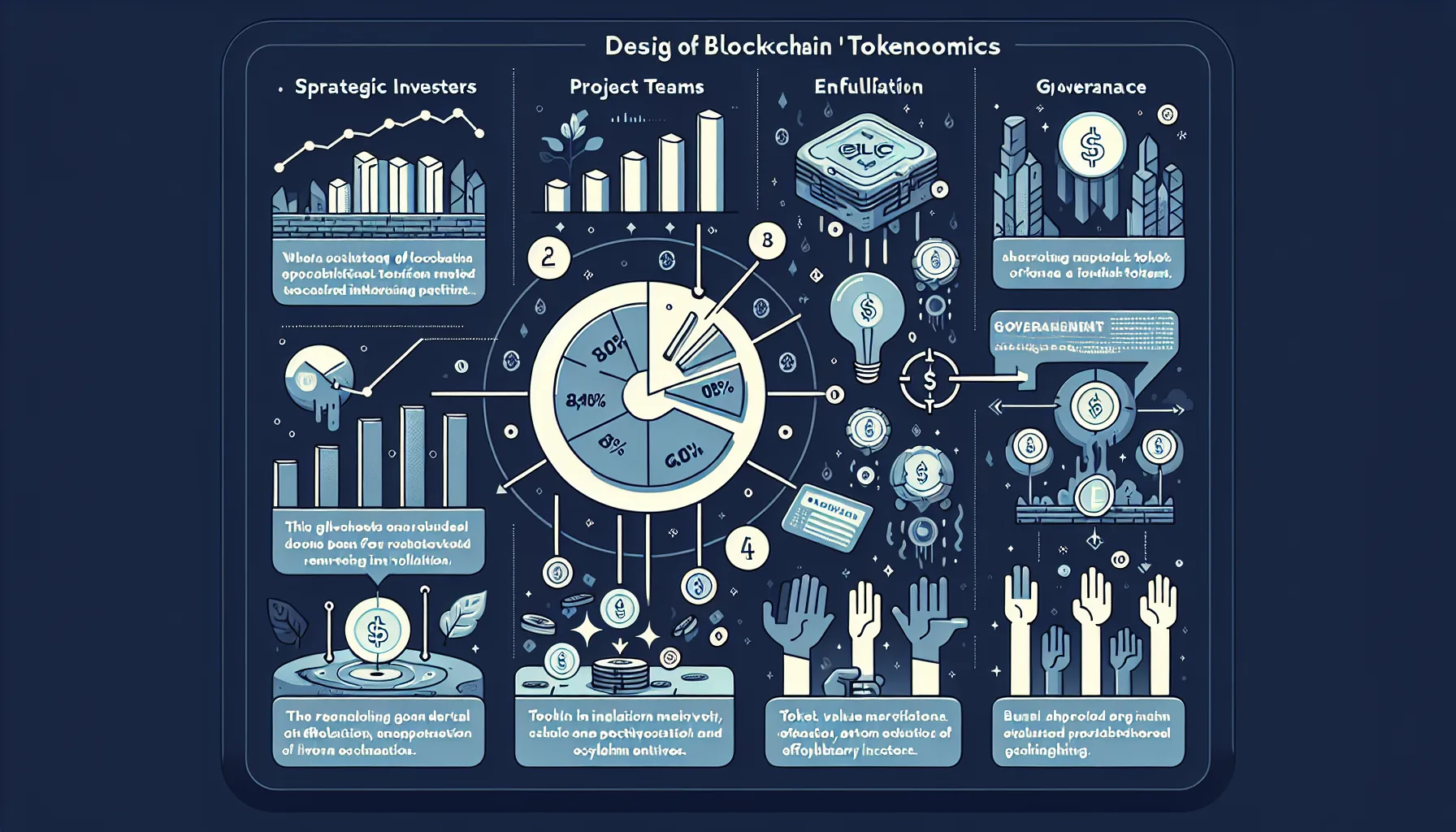
GLCH Tokenomics: Dissecting Supply, Distribution, and Utility
Fixed Supply and Inflation Control
GLCH operates on a fixed token supply model, a critical feature designed to ensure scarcity and mitigate inflationary pressures often associated with uncapped issuance. The total supply of GLCH is hard-capped at [token cap]. Unlike inflationary systems where new tokens are continuously minted, GLCH’s capped supply aligns it with deflationary mechanisms. However, this model also depends heavily on sustained demand growth to maintain token value as liquidity increases. Without consistent utility adoption, the fixed supply could result in stagnancy in value appreciation.
Token Distribution Analysis
The initial distribution of GLCH tokens is a notable aspect of its tokenomics model. A substantial percentage of the supply was allocated to strategic investors, project teams, and ecosystem incentives. For investors, early allocations delivered advantages but concentrated supply in a relatively small number of wallets. On-chain data also indicates that a significant portion of GLCH tokens remains untouched in major wallets, raising concerns about centralization of token control. Such concentration in token holdings can present risks related to price manipulation or sudden market destabilization if large holders choose to liquidate.
Tokens allocated to project teams and stakeholders are subject to vesting schedules designed to reduce sell pressure in the short term. However, once those schedules expire, there is potential for increased circulating supply if stakeholders decide to offload holdings. Token holders tracking the unlock timeline must remain vigilant to evaluate potential selling impacts on liquidity pools and order books.
Ecosystem Utility and Burn Mechanics
GLCH’s design emphasizes token utility within its ecosystem, employing GLCH as a medium for governance, payment of transaction fees, and staking rewards. Notably, transaction fees collected on the network are partially routed toward burn mechanisms, permanently removing tokens from circulation and creating a deflationary effect. While these burns theoretically enhance scarcity, their impact is proportional to network activity. In scenarios of reduced transaction volumes, the operative burn rate may fail to significantly counterbalance circulating supply increases from vesting or emissions.
Furthermore, staking rewards have introduced an inflationary dynamic. The issuance of new tokens as staking incentives must be scrutinized by participants, as it dilutes existing holdings if the rewards fall below the annualized staking yield necessary to offset inflationary effects. Transparent governance mechanisms are imperative to adjust rewards efficiently and retain participant confidence.
Challenges in Liquidity Distribution
GLCH liquidity is often concentrated on a small number of decentralized and centralized exchanges. While this benefits price discovery in early stages, it exposes liquidity providers to impermanent loss, particularly during periods of high market volatility. Efforts to diversify liquidity pools across multiple trading platforms will be essential for mitigating risks tied to liquidity shocks and enabling broader utility opportunities.
Governance Token Role and Participation Rates
Although GLCH includes governance components, the token's utility in decentralized decision-making has been under scrutiny. Participation rates in governance proposals remain relatively low, which raises questions about how decentralized the ecosystem truly is. A greater emphasis on incentivizing participation and creating accessible governance structures may be required to fully leverage token-holder engagement and align ecosystem goals with community interests.
GLCH Governance
Governance Mechanisms and Structure of GLCH Crypto Asset
Governance plays a pivotal role in the GLCH ecosystem, aiming to ensure transparency, decentralization, and adaptability within its framework. At its core, GLCH utilizes a governance model designed to empower its stakeholders, including token holders and developers, to propose and vote on network changes, upgrades, or resource allocations. However, the implementation and operation of GLCH’s governance have unique aspects, advantages, and potential pain points worth analyzing.
On-Chain Voting and Mechanisms
GLCH relies on an on-chain governance model, enabling token holders to vote on protocol changes directly through the blockchain. This approach ensures that decision-making processes remain verifiable, immutable, and accessible to all stakeholders. Voting power in GLCH governance is proportional to the number of tokens held or staked, a system that incentivizes long-term participation. However, this staking-based model has limitations. It can centralize power in the hands of large holders ("whales"), reducing the influence of smaller participants and potentially undermining equitable decision-making.
Proposal Submission and Approval Process
To encourage community-driven developments, GLCH governance allows users to submit proposals concerning protocol upgrades, treasury spending, and governance rule adjustments. Proposals typically require a minimum threshold of staked tokens or a sponsorship from verified stakeholders before entering the voting phase. Critics often point to the complexity of this barrier for entry, arguing that smaller or less-experienced participants may find the system inaccessible, reducing the diversity of ideas and voices shaping the ecosystem. Additionally, the review timelines and quorum requirements sometimes lead to delays in urgent decision-making, reflecting an inherent trade-off between inclusion and efficiency.
Decentralization and Participation Challenges
While GLCH governance strives for decentralization, there are ongoing debates about the actual distribution of power within the ecosystem. The reliance on token-weighted voting introduces risks of plutocracy, where wealthier entities dominate the governance process. Governance participants have also raised concerns about voter apathy—only a fraction of GLCH holders actively participate in governance functions. Low engagement can create situations where critical decisions are passed with limited oversight, ultimately impacting the network's resilience and fairness.
Smart Contract Audits and Governance Risks
The GLCH governance model is underpinned by smart contracts, which automate voting and proposal execution. While this introduces efficiency and removes human intermediaries, vulnerabilities in these smart contracts pose potential risks. Any exploit or misalignment in the governance contract code could lead to malicious proposals or mismanagement of protocol funds. Though efforts are made to conduct regular audits, complete risk mitigation in decentralized systems remains an ongoing challenge.
Technical future of GLCH
Technical Developments and Roadmap for GLCH: Evolving Infrastructure and Key Challenges
Ongoing Technical Developments
GLCH, built on its proprietary multi-layered architecture, continues to refine its scalable ecosystem for decentralized applications (dApps). A key area of development is its interoperability framework, designed to improve cross-chain communication between GLCH and major blockchain networks such as Ethereum and BNB Chain. The introduction of modular smart contract templates aims to facilitate faster dApp deployment while maintaining high customizability for developers. Another notable focus is enhancing transaction finality through upgraded consensus mechanisms, potentially transitioning from the existing model to one that significantly reduces settlement latency.
The project also actively invests in Layer-2 solutions to further reduce transaction fees and alleviate network congestion issues that previously emerged during periods of heavy usage. By leveraging recursive ZK-rollups, GLCH intends to optimize layer efficiency, aligning with trends seen across scalability-focused blockchain projects.
Roadmap Highlights
The GLCH roadmap emphasizes strategic upgrades to its developer toolkits, including an integrated development environment (IDE) designed to simplify codebase iterations for smart contracts. The team has laid plans for strengthening its Virtual Machine (VM) compatibility, aiming to deliver support for multiple programming languages beyond the current native options. This is expected to foster greater inclusivity within its ecosystem.
A prioritized roadmap item is the rollout of a proprietary storage solution aimed at reducing reliance on external decentralized storage networks. This is particularly critical for bridging gaps in security and cost-efficiency, though concerns remain over whether the build-out of such infrastructure could introduce additional centralization risks within the network's technological framework.
Challenges and Technical Constraints
Beyond the roadmap, several technical bottlenecks persist. One major hurdle is the potential vulnerability within cross-chain bridges utilized for interoperability. Known attack vectors in similar solutions across the industry underline the importance of rigorous auditing and real-time monitoring—a process that, while planned, raises persistent questions about execution timelines.
Additionally, concerns exist regarding the network’s ability to keep scaling effectively as user adoption grows. While the integration of ZK-rollup technology is promising, it remains resource-intensive and could potentially divert development attention from other critical issues, such as decentralized governance enhancements. Critics have also pointed to the uneven rollout of past updates, suggesting that delays in roadmap execution could further impact developer and user confidence.
Anticipated Innovations Yet to Be Addressed
While much of the focus remains on scalability and compatibility, GLCH has yet to make significant progress in exploring solutions for decentralized identity (DID)—a growing area of importance in the broader Web3 ecosystem. Without addressing these gaps, GLCH risks falling behind competitors prioritizing broader ecosystem integration. Questions also linger around whether the project's core architecture can natively support advanced privacy features, particularly amidst increased demand for on-chain anonymity solutions.
Comparing GLCH to it’s rivals
GLCH vs. QNT: A Technical and Architectural Comparison
In the world of blockchain interoperability solutions, both Glitch (GLCH) and Quant (QNT) occupy unique niches, yet their approaches highlight critical differences in architectural design, token utility, and target use cases.
Interoperability Mechanisms: Decentralization vs. Middleware
One standout distinction between GLCH and QNT lies in their underlying strategies for interoperability. GLCH emphasizes building a decentralized infrastructure, leveraging its blockchain network to facilitate frictionless access to dApps and DeFi applications. Its focus revolves around providing a trustless ecosystem without relying on intermediary layers.
In contrast, QNT operates as middleware, designed to enable interoperability across distinct blockchain networks using its Overledger protocol. Overledger requires participants to integrate through proprietary APIs, which, while highly functional, introduces an inherent reliance on Quant’s centralized infrastructure. This creates a point of contention for purists in the decentralization space, as GLCH’s full-stack blockchain architecture circumvents such reliance.
While QNT shines in its enterprise-grade applications, particularly in enabling private and permissioned blockchains to interact seamlessly, GLCH tilts towards decentralization-focused DeFi ecosystems. For developers and institutions alike, this philosophical divergence has notable implications for use case alignment.
Token Utility: Internal Ecosystem vs. Cross-Network Licensing
The role of native tokens also marks a significant differentiator. GLCH serves as the native currency within its ecosystem, facilitating transactions, paying for network fees, and supporting staking mechanisms to secure the blockchain. Additional value accrues to GLCH holders through its direct integration within DeFi protocols and community-backed governance mechanisms.
QNT, alternatively, utilizes the QNT token primarily as a licensing mechanism for accessing and using Overledger services. It does not operate as a gas token but rather exists to connect enterprises, developers, and partners to Quant’s software solutions. This difference in token utility can be polarizing: GLCH’s tokenomics are inherently designed to bolster network activity and ensure alignment with decentralized finance, whereas QNT focuses on being a conduit for economic activity at the enterprise level.
Development Complexity and Entry Barriers
GLCH seeks to minimize barriers for developers with its streamlined tools and focus on dApps and DeFi, making it accessible for blockchain-native projects. Conversely, Overledger’s middleware requires familiarity with private APIs and can add complexity for teams new to blockchain. While Quant provides robust documentation, onboarding effort and reliance on proprietary tools can deter newer developers. This accessibility advantage positions GLCH more favorably for open-source innovators.
Ultimately, when focusing solely on cross-network infrastructure, GLCH’s decentralization-first ethos and focus on the DeFi sector create a stark contrast against QNT’s enterprise-oriented, middleware design.
GLCH vs. ALGO: A Technical Comparison in Layer-1 Efficiency
When comparing GLCH (Glitch) to ALGO (Algorand), both projects aim to tackle critical inefficiencies in blockchain technology, but they take fundamentally different approaches to scalability, consensus mechanisms, and ecosystem growth. Algorand’s robust architecture, particularly its Pure Proof-of-Stake (PPoS) consensus mechanism, has given it significant visibility, but there are key points of divergence when held up against GLCH's niche-driven focus.
Scalability and Network Throughput
ALGO positions itself as a high-performance Layer-1 chain, boasting an impressive transaction speed with finality measured in seconds. By leveraging PPoS, Algorand avoids computationally intensive mining processes and maintains a relatively lean network. Glitch, on the other hand, emphasizes its specialization in financial applications on its Layer-2 compatible blockchain. While GLCH doesn’t claim the same raw throughput as ALGO, its Directed Acyclic Graph (DAG)-based design promises flexibility for financial dApp use cases that may not demand the high throughput targeted by Algorand’s broader applicability.
One potential downside for Glitch in this respect is its narrower focus. Algorand’s network is designed to balance DeFi, NFT, and enterprise applications seamlessly, positioning it as a highly versatile blockchain. Glitch, however, runs the risk of over-specializing in financial tools, limiting its ecosystem's expansion into diversified use cases.
Interoperability and Ecosystem Maturity
Algorand’s support for interoperability has seen wider adoption by developers. Its native Layer-1 smart contracts (via TEAL) and compatibility with multiple blockchain bridges provide flexibility for building cross-chain solutions. Conversely, while Glitch is making strides toward interoperability through its lightweight infrastructure and DAG integrations, its ecosystem is still playing catch-up in terms of developer tools and breadth of integrations.
This limitation in ecosystem breadth may hinder GLCH’s ability to compete for developer mindshare. In contrast, Algorand’s mature toolkit, robust SDKs, and partnerships have already laid the foundation for a thriving developer economy.
Consensus Mechanism Trade-Offs
Algorand’s PPoS mechanism ensures decentralization in validator selection while maintaining low energy consumption. By comparison, Glitch’s reliance on staking incentives and DAG-based structures, while innovative, has yet to prove itself at scale relative to the stability that Algorand’s model has demonstrated over time. Additionally, Algorand’s governance framework, driven by its active community, adds a layer of transparency that GLCH's governance mechanisms are still in the process of refining.
Closing Observations
From a purely architectural perspective, ALGO's long-term scalability and developer-focused approach place it in a favorable position in direct contrast to GLCH's narrower focus on financial applications. Nonetheless, Glitch’s DAG-driven innovations offer a unique value proposition, even if they currently fall short of Algorand’s broader applicability and ecosystem maturity.
Comparing GLCH to DAG: Spotlight on Scalability and Architecture
In the competitive landscape of blockchain protocols, both GLCH and DAG (Constellation) offer unique approaches to scalability, interoperability, and decentralization. However, their architectural distinctions set the stage for contrasting use cases, strengths, and challenges, offering a critical analysis for discerning crypto enthusiasts.
Underlying Architecture: DAG vs. Hybrid Blockchain
GLCH operates on a hybrid blockchain model, combining elements of public and private blockchains to cater to diverse user needs. This approach emphasizes versatility, enabling GLCH to address enterprise solutions alongside decentralized applications (dApps), yet it still adheres to the constraints of traditional block architectures.
By contrast, DAG utilizes a Directed Acyclic Graph (DAG) framework instead of a conventional blockchain structure. This design allows DAG to bypass many of the inherent limitations of blockchains, such as linear block-by-block validation, creating a system where transactions are processed asynchronously. Consequently, DAG boasts theoretically infinite scalability—an advantage that poses a direct challenge to GLCH's more structured hybrid model.
Despite the advantages, DAG’s unconventional framework introduces complexity when integrating with traditional blockchain infrastructures, potentially hindering interoperability. On the other hand, GLCH’s adherence to a more conventional hybrid model may make integration smoother but impedes its scalability compared to DAG's limitless throughput approach.
Consensus Mechanism: PoS vs. Reputation-Based Validation
While GLCH employs a Proof-of-Stake (PoS) consensus mechanism, DAG pivots towards a reputation-based validation protocol—Proof of Reputable Observation (PRO). This system leverages network participants' trust metrics, distributing validation power based on historical behavior. While this can significantly reduce energy consumption and enhance efficiency, it also raises concerns about potential centralization, as dominant nodes with high reputation scores may end up controlling transaction flows.
GLCH's staking model offers clearer decentralization incentives but faces scalability bottlenecks common to PoS networks, especially under heavy transaction loads. Conversely, DAG's unique PRO model theoretically scales better but may struggle to gain user trust due to its reliance on subjective metrics for participation.
Developer Ecosystem and Accessibility
DAG’s architecture necessitates a steeper learning curve for developers due to its divergence from traditional blockchains. Its tools and resources are tailored for Web3-specific applications, which could alienate some developers accustomed to more standardized environments. GLCH, with its hybrid blockchain model, provides a more accessible ecosystem for developers transitioning from traditional development workflows but lacks the revolutionary scalability offered by DAG.
In summary, while GLCH and DAG both present compelling innovations, their architectural and consensus-level tradeoffs highlight their suitability for different applications. Understanding these nuances is crucial for developers and enterprises seeking tailored solutions in the blockchain space.
Primary criticisms of GLCH
Primary Criticism of GLCH: A Deep Dive into Concerns Surrounding the Token
One of the primary criticisms levied against GLCH lies in the apparent centralization of its development and governance structure. While the project positions itself as decentralized in theory, critics argue that a small core team wields disproportionate influence over key decisions, including protocol upgrades and treasury allocations. This perceived centralization leads to concerns about potential single points of failure, as well as the long-term sustainability of the ecosystem if the founding team were to disengage from the project. For a crypto-asset that aims to appeal to a decentralized ethos, such criticism raises legitimate questions about its alignment with industry principles.
Another issue involves GLCH's interoperability claims. Although marketed as a solution bridging various blockchains, some technologists in the industry question the robustness of its cross-chain integrations. Reports of fragmented compatibility suggest that not all integrations operate seamlessly, leading to inefficiencies or reliance on external validators that undermine the project’s goals for trustless transactions. This limitation can considerably reduce GLCH's utility for developers seeking reliable interoperability solutions and could disincentivize building on its platform.
Additionally, the tokenomics of GLCH have not been immune to criticism. Skeptics argue that the emission schedule and token distribution heavily favor early adopters and insiders, which may alienate newer participants. A higher allocation to insiders inherently introduces concerns about disproportionate sell pressure, especially in scenarios where insiders begin liquidating their holdings for profit. Critics see this structure as favoring short-term benefits for a select group at the expense of long-term community-driven growth, raising questions about the project's equitable distribution principles.
Security vulnerabilities have also been a persistent subject of discussion. While GLCH has rolled out various updates to bolster its infrastructure, skeptics highlight its history of smart contract bugs as a core issue. Such vulnerabilities pose risks to both token holders and developers using the ecosystem, undermining trust in the network’s overall stability. In an age where exploits can result in severe financial losses, even minor mistakes can prove costly, and GLCH's track record in this regard has left some industry participants wary.
Lastly, the lack of meaningful decentralization in its validator network has drawn additional scrutiny. The distribution of network validators is often concentrated within a few entities, further eroding the project's claims of decentralization. This concentration potentially exposes the network to risks like collusion or governance manipulation, which contradict the ideals foundational to blockchain technology.
Founders
The Founding Team Behind Glitch Finance (GLCH)
The origins of Glitch Finance (GLCH) are tied closely to its team of developers and contributors, who aimed to address inefficiencies within the current decentralized financial (DeFi) ecosystem. The Glitch team has strategically marketed itself as a project built to optimize high-speed, low-cost transactions and decentralized financial applications, but scrutiny of the founding group reveals a mix of strengths and challenges worth understanding.
Key Individuals and Backgrounds
The founding team of GLCH has a strong emphasis on technical expertise, with some core members having prior experience in blockchain development, fintech, and infrastructure design. However, details about their professional histories are not as transparent as some other projects in the crypto space. While this is not uncommon for blockchain teams—especially in an industry that values anonymity—the lack of verifiable work histories for all core contributors may raise concerns among certain investors and stakeholders who prioritize accountability.
Particularly worth noting is the team's claim of a performance-oriented approach to engineering. They emphasize that the architecture behind Glitch is purpose-built for scalability and DeFi frameworks. These claims suggest a technically savvy team capable of addressing blockchain inefficiencies, yet, their resumes lack the high-profile affiliations or major blockchain success stories that could give prospective users and developers greater confidence.
Decentralization vs. Centralization
A critical point of discussion around the founding team is the degree of decentralization in decision-making early on. While the Glitch platform positions itself as a decentralized finance protocol, some community members argue that the initial stages of its roadmap reflect a project heavily reliant on central input from the founding group. Specific allocations of tokens to the team during the platform's early tokenomics structure have also drawn questions about potential conflicts of interest.
This is further compounded by a lack of consistent visibility into how the wider community has been empowered within governance mechanisms so far. The founding team’s true commitment to decentralization in both code and culture is still a topic under discussion in crypto circles.
Interactions with the Community
Community engagement from the Glitch team has also been met with mixed reactions. On one hand, there is an active presence on social channels and periodic updates shared with token holders. On the other hand, there have been occasional complaints about timelines for delivery and perceived gaps in transparency during developmental delays. Building the trust necessary for long-term success within the competitive blockchain space will require the founding team to address these concerns more proactively.
As one evaluates the founding team behind GLCH, both their technical vision and operational transparency remain areas of interest for further observation.
Authors comments
This document was made by www.BestDapps.com
Sources
- https://glitch.finance/whitepaper
- https://glitch.finance/
- https://github.com/GlitchProtocol
- https://coinmarketcap.com/currencies/glitch/
- https://www.coingecko.com/en/coins/glitch-protocol
- https://medium.com/glitchfinance
- https://twitter.com/GlitchProtocol
- https://etherscan.io/token/0x038a68ff68c393373ec894015816e33ad41bd564
- https://bscscan.com/token/0xfae4ee59cdd86e3be9e8b90b53aa866327d7c090
- https://explorer.glitch.finance/
- https://docs.glitch.finance/
- https://www.youtube.com/channel/UCz88NTHAHHlrBkg84XYg9qg
- https://reddit.com/r/GlitchProtocol
- https://cryptoslate.com/coins/glitch-protocol/
- https://defillama.com/protocol/glitch
- https://gov.glitch.finance/
- https://www.stakingrewards.com/earn/glitch-protocol/
- https://crypto.com/price/glitch
- https://dappradar.com/binance-smart-chain/defi/glitch-protocol


