History of FLoki
The History of Floki: From Meme Origins to Continued Evolution
Floki, a cryptocurrency inspired by the popular Shiba Inu dog breed and influenced by the broader meme-coin trend, forged its identity in a complex and often controversial landscape. Emerging in the wake of Dogecoin's rise and the subsequent popularity of Shiba Inu, Floki built upon these cultural phenomena to carve its niche in the crypto world. However, its journey has been anything but smooth, showcasing both opportunistic growth and challenges that have shaped its reputation.
Named after Elon Musk's Shiba Inu, Floki quickly gained traction due to the Tesla CEO’s influence on the crypto markets at the time. Capitalizing on Musk’s social media presence and the community-led meme culture that has driven many other tokens, Floki's creators leveraged playful branding to attract an audience of traders eager to capitalize on speculative opportunities. However, this immediate association with meme culture has also drawn criticism, with skeptics labeling it as yet another "hype coin" lacking intrinsic value or clear utility in its early phases.
The early development of Floki faced typical teething problems often associated with rapidly launched tokens. Concerns arose about its decentralized structure, including questions around token distribution and transparency. The token's rapid market adoption led to concerns of liquidity manipulation, highlighting the risks that traders deal with in volatile low-cap crypto ecosystems. Additionally, the project has faced scrutiny over a perceived lack of formalized governance mechanisms, causing some corners of the crypto community to question its long-term viability.
Nonetheless, Floki's community-driven approach has been a double-edged sword. While its reliance on grassroots momentum and decentralized marketing practices successfully grew a passionate base of supporters, it also made the token susceptible to extreme price speculation and pump-and-dump schemes. This volatility, often inherent in meme-based cryptocurrencies, has caused prospective investors to tread carefully.
Development milestones over time have sought to address some of the project's early criticisms, with steps toward ecosystem expansion and use-case refinement. Efforts to integrate utility into the Floki token, including partnerships and NFT-related endeavors, suggest ongoing attempts to evolve its role beyond mere speculation. On the other hand, the project's origins as a meme coin continue to polarize opinions within the broader crypto sphere.
Throughout its history, Floki’s story underscores a unique intersection of meme culture, rapid adoption, and the unpredictability of decentralized ecosystems. While its trajectory has been remarkable, it has not been without its share of growing pains and challenges.
How FLoki Works
How Floki Works: Mechanisms Behind the Token
Floki is a cryptocurrency token operating primarily on the Ethereum and Binance Smart Chain (BSC) networks as an ERC-20 and BEP-20 token, respectively. At its core, Floki leverages decentralized blockchain technology to enable frictionless transactions, liquidity generation, and community-driven governance. While the token's branding and promotional efforts are widely recognized, its underlying functionality is worth examining in detail.
Tokenomics and Utility
The Floki token employs a deflationary mechanism, achieved through transaction fees that are redistributed or burned. Each on-chain transaction incurs a percentage fee, typically split between auto-burning tokens to reduce supply, injecting liquidity into decentralized exchanges (DEXs), and distributing rewards to holders. This creates a model aimed at incentivizing long-term holding while simultaneously maintaining market liquidity. However, this structure relies heavily on sustained trading volume, which poses a risk if network activity decreases.
Floki also positions itself as a utility token, with purported use cases spanning decentralized finance (DeFi), non-fungible tokens (NFTs), and metaverse applications. These utilities are largely tied to its ecosystem products, including an NFT marketplace and play-to-earn gaming initiatives. Critics, however, argue that these applications are under development and remain speculative, raising questions about the token's intrinsic value outside its branding.
Cross-Chain Architecture
Floki is designed to be interoperable across multiple blockchains. The Ethereum compatibility brings robust security and deep liquidity, while the Binance Smart Chain offers faster transaction speeds and lower fees. Cross-chain bridges enable Floki holders to move tokens between these networks, utilizing the best features of both chains. Yet, this reliance on third-party bridges introduces potential vulnerabilities, as cross-chain solutions are a common target for hackers within the crypto sector.
Governance and Decentralization
Floki is marketed as heavily community-driven, a characteristic aligned with decentralized autonomous organization (DAO) principles. Through governance mechanisms, holders can influence ecosystem-related decisions, including token distributions and development priorities. However, questions arise regarding the actual decentralization of decision-making, as larger token holders disproportionately influence outcomes.
Distribution and Liquidity Challenges
Floki’s distribution strategy heavily leaned on aggressive promotional campaigns, which led to concerns about token concentration among early adopters and marketing influences. Additionally, while liquidity pools funded through transaction fees are intended to stabilize trading activity, they can be affected by periods of low market interest, resulting in price slippage or diminished usability on DEX platforms.
Use Cases
Exploring the Use Cases of Floki: Practical Applications and Challenges
Floki, originating as a community-driven cryptocurrency, has carved out several use cases that showcase its utility beyond being just another token in the blockchain ecosystem. However, like many crypto projects, these use cases come with limitations and potential challenges, which are essential to consider.
1. DeFi and Staking Mechanisms
Floki integrates with the decentralized finance (DeFi) ecosystem, offering holders opportunities to participate in staking, liquidity provision, and yield farming. Users can lock their tokens in liquidity pools to earn rewards, creating passive income opportunities. However, the reliance on user participation to sustain pools raises concerns about liquidity burnouts during market downturns. Additionally, smart contract vulnerabilities within staking protocols could expose users to risks of exploits or loss of funds.
2. Utility Within Play-to-Earn (P2E) Platforms
A key use case for Floki lies in its adoption within the gaming sector, particularly in play-to-earn models. Some blockchain-based games incorporate Floki as an in-game currency for purchasing assets, upgrading characters, or accessing exclusive features. While this increases the token’s usage, scalability remains a question, especially around transaction speeds and costs during periods of high network activity. Additionally, the long-term success of this use case largely hinges on the continued growth and viability of the games adopting Floki, which remains uncertain in a volatile industry.
3. NFT Integration and Marketplace
Floki has been positioned as a medium for purchasing and trading NFTs within its ecosystem, which ties into broader trends of tokenizing digital art, collectibles, or other virtual assets. However, the value of NFTs tied to Floki depends significantly on community demand and the perceived exclusivity of these assets. Critics often question whether such integrations offer tangible utility or merely serve as speculative vehicles within an already over-saturated NFT market.
4. Charity and Community Projects
Another notable application of Floki is its use in funding charitable initiatives and community development projects. By leveraging the transparency of blockchain, it aims to demonstrate direct contributions toward meaningful causes. While this can enhance the token's brand value, the lack of independent audits and verification mechanisms might undermine user trust over time. Moreover, controversy could arise if allocations or results do not align with community expectations.
5. Merchandise and Payments
Floki is also making strides toward adoption as a payment method for goods and services, including branded merchandise. However, the practical adoption of crypto payments in real-world scenarios faces hurdles such as limited merchant acceptance, price volatility, and regulatory uncertainties. The reliance on user-driven interest also brings sustainability into question.
This multi-faceted adoption reflects Floki’s ambition to evolve beyond a meme token. Still, its use cases are inherently tethered to broader industry challenges and the project's ability to maintain community engagement and ecosystem development.
FLoki Tokenomics
FLoki Tokenomics: A Deep Dive into the Mechanics of the Ecosystem
The tokenomics of FLoki are structured to address multiple objectives, particularly fostering ecosystem growth, incentivizing holders, and ensuring the long-term sustainability of the asset. However, as with many meme-inspired crypto projects, its design has both well-received and controversial aspects, especially in the context of transparency, utility, and distribution dynamics.
Supply and Distribution Architecture
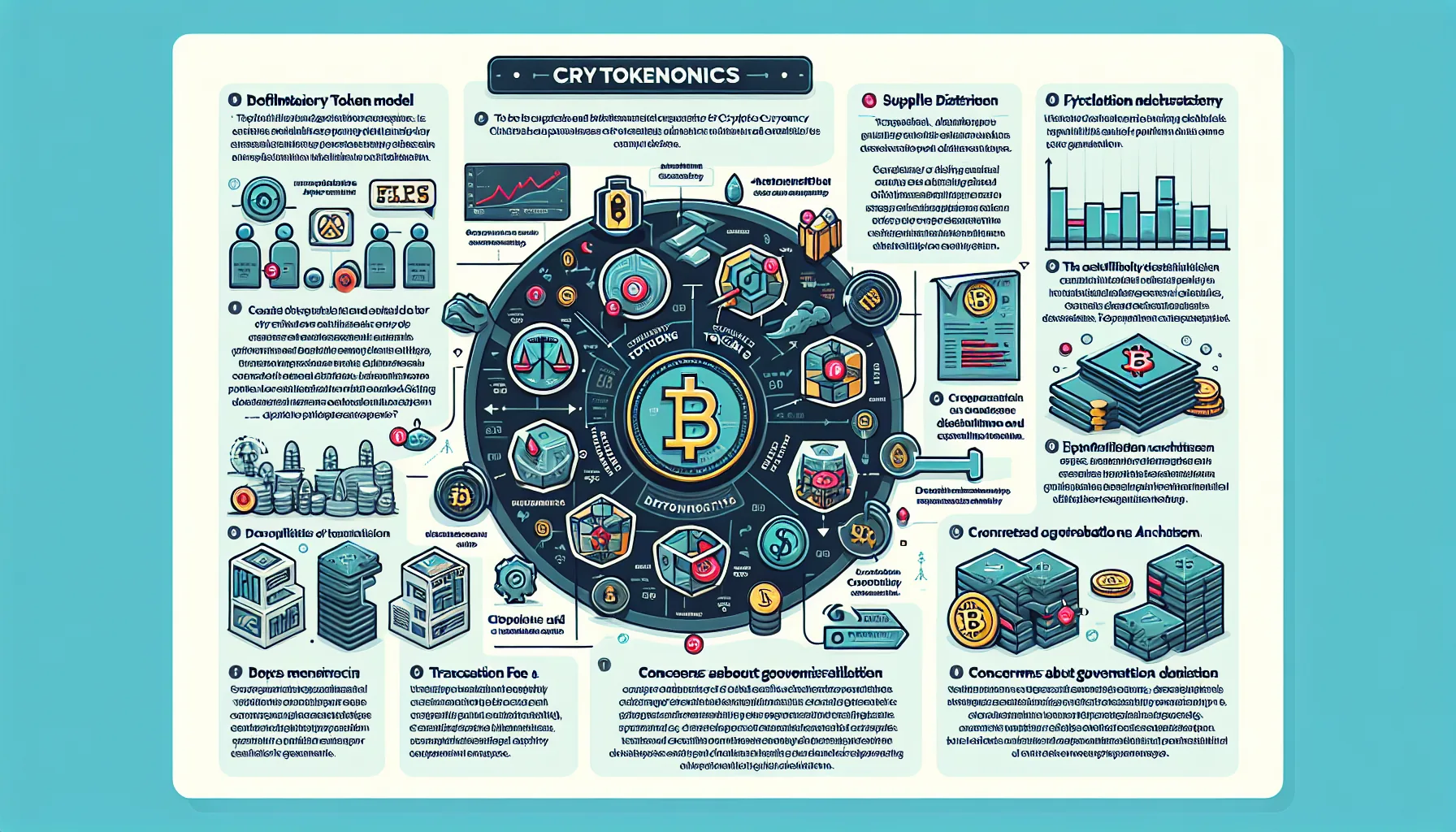
FLoki operates with a deflationary token model, a characteristic shared by many community-driven assets. The total supply was fixed at launch, but mechanisms such as token burns gradually reduce circulating supply. On one hand, deflationary models are appealing for their promise of scarcity, which could theoretically drive value over time. On the other, such designs can skew incentives, as retail participants may prioritize speculative holding over active utility within the ecosystem.
One potentially polarizing aspect is the allocation strategy during launch. A portion of FLoki's tokens was initially earmarked for development initiatives, marketing, and exchanges, with another chunk preallocated to team wallets. While such allocations are common for project sustainability, they concentrate significant influence in the hands of the founding team and key stakeholders, which can pose risks if governance structures are not robust.
Transaction Fee Mechanism
FLoki includes a built-in transaction fee to fund ecosystem development and marketing. Typically, a small percentage of each transaction is split into different allocations, such as automated liquidity provisioning, marketing, and reflections—or redistribution—to current holders. This model rewards longer-term holders with passive income, but the fee structure can deter frequent trading, particularly for users aiming to use FLoki across decentralized applications.
It’s worth noting that the fee model introduces a potential friction point for scalability. High transaction fees may become contentious if the ecosystem attempts to pivot toward mass adoption or decentralized finance (DeFi) use cases. In addition, such structures often face regulatory scrutiny for resembling securities or dividend-like products.
Governance and Decentralization Concerns
Despite its community branding, governance over FLoki remains only partially decentralized. Decision-making power, particularly regarding the use of funds generated from fees, often appears opaque to the community. This lack of transparency has raised concerns in crypto-savvy circles about whether FLoki is truly adhering to its decentralized ethos or if it risks centralization disguised under a meme-driven marketing umbrella.
As the tokenomics continue to evolve, a critical area to watch will be how FLoki addresses community feedback and adjusts its models to mitigate possible risks without undermining its current growth and asset loyalty mechanisms.
FLoki Governance
Governance of FLOKI: Decentralized Decision-Making and Challenges
FLOKI, a cryptocurrency inspired by meme culture, incorporates governance mechanisms aimed at fostering decentralized decision-making within its ecosystem. At its core, governance for FLOKI revolves around empowering its community of token holders. Through voting systems, FLOKI holders are given the ability to propose and influence decisions related to the project, ranging from development priorities to marketing strategies. However, the implementation of these governance mechanisms is not without its complexities.
Token-Based Voting Power: Benefits and Drawbacks
Governance in the FLOKI ecosystem typically employs a token-weighted voting system, where higher token holdings equate to greater voting power. This structure aligns with many decentralized projects, offering a meritocratic approach in proportion to the stake involved. However, this raises questions about centralization risks. Wealthier participants or entities holding significant amounts of FLOKI tokens can disproportionately influence decisions, potentially sidelining smaller token holders. These dynamics occasionally foster skepticism regarding how "decentralized" certain decisions truly are.
Proposal Mechanisms and Community Engagement
FLOKI's governance model enables users to submit proposals for community review and voting. These proposals often cover topics such as protocol upgrades, treasury allocation, or partnerships. While this reinforces the principle of a community-driven initiative, the proposal process can be highly technical, creating a barrier for less experienced users. Furthermore, the sheer momentum of garnering sufficient attention and votes on a proposal requires significant coordination, which has, in some instances, led to delays in decision-making.
Transparency and Documentation
While FLOKI emphasizes decentralization, transparency in governance decision-making is equally critical. Public voting records and detailed proposal discussions are typically accessible to the wider community. However, critiques have emerged around the effectiveness of informational accessibility. For example, less engaged participants or those unfamiliar with governance tools may find it challenging to stay informed, raising questions about how inclusive the process is for all participants in practice.
Smart Contracts and Risk Factors
FLOKI’s governance structure relies heavily on smart contracts to execute community decisions. These contracts serve to enforce results and automate actions based on voting outcomes, minimizing manual intervention. However, reliance on smart contracts introduces potential vulnerabilities, such as coding bugs or exploit risks. These risks underscore the importance of rigorous auditing and continuous monitoring of governance-related codebases.
By intertwining community participation with token-based voting mechanisms, FLOKI's governance aims to achieve a decentralized structure. Yet, challenges remain in balancing influence, fostering inclusiveness, and mitigating technological risks in its governance process.
Technical future of FLoki
Technical Developments and Roadmap for Floki Inu: Evolving Infrastructure
Layer-2 Scaling and Network Efficiency
Floki has been actively exploring layer-2 scaling solutions to enhance transaction efficiency and scalability. This development is driven by the growing demand for lower transaction fees and faster processing times, especially for retail-sized users engaging with Floki across decentralized exchanges and its expanding ecosystem. Layer-2 integrations such as zk-rollups or optimistic rollups could potentially address usability bottlenecks, although technical and community consensus on the specific scaling method remains under discussion.
Smart Contract Upgrades
The Floki token currently operates under a smart contract architecture that emphasizes simplicity for security. However, the development team has signaled upcoming upgrades aimed at improving functionality such as multi-signature wallet support and modular contract extensions. Future releases may also include interoperability enhancements, allowing Floki to communicate seamlessly across distinct blockchains, aligning with its vision for being a cross-network utility token. Developers in the space are closely analyzing potential risks related to backward compatibility and existing contract dependencies.
Integration of Valhalla and Metaverse Technology
One of Floki's unique angles is its metaverse play, with its flagship project "Valhalla" aiming to integrate NFTs and blockchain-based gaming. Valhalla is reported to rely on Floki tokens for in-game utility, but concerns around scaling and smooth user experience have emerged. Blockchain-based games require low-latency, high-throughput infrastructure, and Floki’s reliance on existing networks could present friction without additional technical optimizations. The integration of metaverse technology, while innovative, has yet to deliver a fully decentralized experience, which should be a consideration for users deeply embedded in the crypto ethos.
Security and Audit Concerns
Given the rising complexity of its ecosystem, the team has indicated that further audits are planned for all new implementations. This move highlights a conscious effort to fortify security; however, the process falls short of achieving proprietary cryptographic innovations. The existing reliance on general-purpose ERC-20 structures makes Floki susceptible to standard vulnerabilities unless mitigations are introduced proactively. As Floki continues to expand its DeFi and NFT footprints, continuous audits will be necessary to inspire confidence in its technical resilience.
Ongoing Infrastructure Challenges
Floki's ambition to integrate with both DeFi and the metaverse has exposed existing infrastructure limitations. Issues such as transaction congestion, reliance on centralized nodes for gateway services, and scalability concerns remain unresolved. These points could hinder the token's broader adoption, particularly in decentralized applications requiring consistent uptime and performance.
Comparing FLoki to it’s rivals
Floki vs SHIB: A Detailed Comparison of Two Meme-Based Crypto Assets
When discussing the rivalry between Floki and SHIB, it's impossible to ignore their shared origins within the meme coin niche, although their execution and strategic focus diverge significantly. SHIB, often branded as the "Dogecoin Killer," leverages its Ethereum-based ERC-20 token infrastructure to offer utility in areas like decentralized finance (DeFi) and non-fungible token (NFT) ecosystems. By comparison, Floki distinguishes itself by emphasizing its identity as a community-driven project with an ambitious focus on branding through gamification, metaverse integration, and philanthropy.
One key differentiator is utility implementation. SHIB supports an extensive ecosystem consisting of ShibaSwap—its proprietary decentralized exchange—and features such as token staking and liquidity provision. Floki has yet to achieve comparable ecosystem depth, though it touts upcoming projects such as FlokiFi as its response to innovation in decentralized finance. This lag in development can be seen as one of Floki's disadvantages when measured against SHIB’s relatively mature infrastructure.
Tokenomics is another area for exploration. SHIB boasts a fixed total supply of one quadrillion tokens, of which 50% was famously sent to Ethereum co-founder Vitalik Buterin (who later burned a large portion). Its deflationary structure is further supported by burning mechanisms tied directly to ecosystem activity. Floki, on the other hand, adopts a dual-token utility model with a capped supply but faces criticism for whether its burn mechanics are as systematic or impactful. For crypto-savvy audiences, the contrast in supply techniques highlights SHIB’s early focus on scarcity-driven value creation, whereas Floki appears more reliant on community-driven hype alongside emerging use cases.
Marketing and branding approaches also set them apart. SHIB relies heavily on its cultural significance within the crypto sphere, with a decentralized brand led primarily by an anonymous team. Floki, meanwhile, has leaned aggressively into influencer partnerships and large-scale sponsorship deals, including several campaigns across global sports leagues. While this strategy attracts visibility, it also subjects Floki to skepticism regarding its heavy dependency on high-budget marketing.
A lingering question surrounding Floki is whether its ambitious roadmap can compete with SHIB’s entrenched position in the meme coin hierarchy. SHIB’s earlier market entry gave it a significant advantage in adoption and developer engagement, making it difficult for later projects like Floki to command equivalent mindshare despite their best efforts. Both projects appeal to distinct aspects of the meme coin culture, but their differing priorities in execution occasionally foster friction within overlapping communities.
Comparing FLOKI to DOGE: Key Differences in Utility and Adoption
The rivalry between FLOKI and DOGE (Dogecoin) is rooted in the contrasts between their origins, utility, community engagement, and adaptability within the crypto ecosystem. While both operate in the meme coin category, there are fundamental differences in how they position themselves and the challenges each faces in sustaining relevance within a highly competitive space.
Origin and Branding
DOGE, as the first meme coin, emerged in 2013 as a satirical take on Bitcoin. Its Shiba Inu mascot and lighthearted approach created viral appeal, enabling Dogecoin to establish itself as the original meme coin in crypto culture. FLOKI, in contrast, is considerably newer and leverages its Viking-inspired brand imagery combined with its meme heritage. While DOGE benefits from significant first-mover advantage in cultural clout, FLOKI sharpens its identity by focusing on specific branding narratives tied to Norse mythology.
Utility and Ecosystem
DOGE has relied heavily on its role as a transactional cryptocurrency. Its low transaction fees and fast block times once made it a viable choice for tipping, microtransactions, and charitable donations, but technical stagnation remains a pain point. DOGE continues to operate with technology derived from an early Litecoin fork, leaving it relatively stagnant compared to projects innovating for scalability or broader utility.
FLOKI, in comparison, has aimed to differentiate itself by building a more diversified ecosystem. Its projects, such as NFT integration and gamified decentralized applications, aim to expand beyond simple peer-to-peer transactions. These additional features grant FLOKI a degree of flexibility DOGE currently lacks but make it more susceptible to scrutiny over execution risks and potential overpromising.
Community and Adoption
DOGE’s community support remains one of its strongest pillars. Its meme-driven identity, high-profile endorsements, and grassroots enthusiasm have allowed DOGE to permeate mainstream culture at an unparalleled level among meme coins. However, this same reliance on humor and celebrity-driven narratives leaves its adoption vulnerable to shifts in public sentiment.
FLOKI’s community, while smaller, is aggressively active and leverages strategic campaigns, such as social media-driven initiatives, to gain visibility. FLOKI’s heavily marketed image could raise questions about sustainability, as it hinges on maintaining marketing momentum to keep pace with DOGE’s massive organic adoption base.
In summary, while DOGE enjoys legacy status and cultural recognition, it also faces stagnation issues, whereas FLOKI’s diversification efforts come with inherent execution risks. Both strategies offer strengths and caveats that highlight distinct approaches to meme coin evolution.
Comparing FLOKI to BabyDoge: A Technical and Community Perspective
When evaluating FLOKI against BabyDoge, a key rival in the growing landscape of meme-based cryptocurrencies, understanding their technical differences and community dynamics reveals a nuanced picture. While both projects capitalize on meme culture to drive adoption, their approaches to tokenomics, decentralization, and utility differ significantly.
Tokenomics: Deflationary Goals vs. Burn Mechanics
BabyDoge is widely recognized for its aggressive burn mechanisms. With every transaction, a portion of BabyDoge is permanently removed from circulation, creating a deflationary model designed to reduce supply over time. This mechanism relies on high transactional volume to maintain meaningful impact, a strategy that can lose efficacy during periods of reduced network activity. In contrast, FLOKI’s tokenomics incorporate a dual-chain model (Ethereum and Binance Smart Chain) with a fixed supply. FLOKI emphasizes utility rather than aggressive burning, potentially appealing to those who prioritize sustainable value creation over short-term supply reduction.
Community and Branding: Tactical Differences in Outreach
Both FLOKI and BabyDoge lean heavily into meme-driven marketing to bolster their communities. However, BabyDoge skews towards a more family-friendly brand identity, explicitly referencing its "baby" status to appeal to a broader, casual audience. FLOKI, on the other hand, ties its identity to Norse mythology and leverages a more robust narrative approach, positioning itself as a leader in the "meme utility" space, particularly with ventures such as FlokiFi and the Valhalla Metaverse. This dichotomy suggests that while BabyDoge relies on broad-based charm, FLOKI aims to captivate those looking for a hybrid of utility and meme appeal.
Utility and Ecosystem Development
One area where BabyDoge could face challenges is its relatively narrow focus on being a transactional, community-driven token with limited ecosystem expansion. Its primary features revolve around its deflationary mechanics and charitable donations—admirable but potentially restrictive for users seeking multifaceted utility. FLOKI, contrastingly, invests heavily in ecosystem development, including DeFi integration, NFTs, and gaming applications. Despite this, BabyDoge benefits from simplicity, which can attract investors overwhelmed by the complexity of multifunctional ecosystems like FLOKI's.
Liquidity and Exchange Accessibility
BabyDoge enjoys an advantage in routing liquidity owing to its integration into large-scale decentralized exchanges and multiple trading pairs. However, its liquidity pools often exhibit higher slippage compared to FLOKI’s, particularly during periods of heightened network activity—a technical drawback that experienced traders may find unappealing.
This deep dive into BabyDoge versus FLOKI showcases the nuanced trade-offs investors must weigh when choosing between these two meme tokens.
Primary criticisms of FLoki
Primary Criticism of Floki: Challenges Facing the Memecoin Narrative
Floki, a cryptocurrency initially born out of the memecoin craze and heavily reliant on community-driven marketing, has not escaped significant criticism despite its popularity. While its branding and strong online presence have garnered attention, there are notable challenges and concerns that sophisticated crypto investors and enthusiasts have identified.
Lack of Tangible Utility
One of the primary criticisms of Floki centers on its perceived lack of tangible utility. Critics argue that the project relies heavily on branding, memes, and social media hype without delivering a clearly defined purpose or problem-solving use case. While Floki has made strides in generating attention through clever marketing campaigns and partnerships, skeptics highlight that the core proposition behind the token remains muddled in comparison to cryptocurrencies designed around specific technological innovations or financial utilities.
Centralized Development Concerns
Another recurring point of contention is Floki’s development structure. The project’s governance and decision-making processes are often critiqued for lacking sufficient decentralization. This raises concerns over how decisions impacting the protocol and ecosystem are made. Crypto purists tend to value decentralized protocols where stakeholders collectively influence the direction of the project. In Floki’s case, the perception—or reality—of control concentrated among a small group of core developers has led many to question its alignment with blockchain’s foundational principles.
Overemphasis on Marketing
Critics have also raised flags over Floki’s dependence on aggressive marketing and promotional strategies. The project has heavily leaned on controversial advertising campaigns, such as highly visible placements in public spaces and influencer endorsements. While this has undoubtedly expanded the token’s reach, some argue that focusing on marketing instead of addressing underlying functionality raises red flags for long-term sustainability. For detractors, this reliance on hype over substance suggests vulnerability to market sentiment and unsophisticated retail speculation rather than robust value creation.
Sustainability of Tokenomics
Floki’s tokenomics model has not been immune to scrutiny either. Certain skeptics point to concerns around token distribution mechanisms, liquidity management, and potential inflationary pressures. Questions around how rewards or incentives are sustained over time have led some to question whether the token’s economic model is viable in the long run, especially during bearish market cycles when speculative interest wanes.
Regulatory Risk Amplification
Lastly, Floki’s promotional tactics and lack of clear utility have drawn additional attention from critics who foresee potential regulatory scrutiny. In jurisdictions where memecoins and speculative tokens are increasingly viewed as high-risk financial instruments, Floki’s approach could face significant compliance challenges. Concerns over exaggerated claims or marketing practices that blur ethical lines add further pressure to the project’s legitimacy in the eyes of regulators and informed investors.
Founders
The Founding Team Behind Floki: Visionaries or Marketers?
The founding team of Floki positions themselves as a central force within its branding and community-driven operations, but their identities remain shrouded in relative anonymity. Leveraging a pseudonymous approach, a tactic not uncommon in the crypto space, the team capitalizes on the decentralized ethos of blockchain technology while avoiding direct public scrutiny. However, this approach often raises valid questions around transparency and accountability.
Floki's origin story is deeply intertwined with its aggressive marketing strategy. The project’s founding team launched it as a memecoin inspired by Elon Musk's pet Shiba Inu, “Floki.” While aligning themselves with the Dogecoin and Shiba Inu phenomena, the team sought to differentiate Floki via its self-proclaimed utility-based ecosystem, which includes initiatives such as FlokiFi and Valhalla, a play-to-earn metaverse game. Critics, however, argue that this approach leans heavily on creating hype first while rolling out utility later, fueling debates about whether its founders prioritized marketing over delivering immediate intrinsic value.
Another notable facet of the founding team's strategy involves their use of community-centric narratives. While the mantra “Floki isn’t just a cryptocurrency; it’s a movement” has resonated with its audience, skeptics question the depth of such claims, especially without a thorough understanding of who the decision-makers are behind the scenes. Questions have arisen about whether the team’s operational structure aligns with its decentralization narrative, as the core team retains substantial influence over Floki's key developments and treasury funds.
There are also concerns about the team’s prolonged anonymity in light of regulatory pressures in the crypto industry. While pseudonymity can bolster creativity and decentralization, critics point out that it can also shield the team from accountability in the event of project mismanagement, exploits, or failures. This is particularly relevant as Floki embarks on larger-scale economic integrations through its ecosystem. Who ensures follow-through on promises if the true identities of the founders are obscured?
In terms of communication, the founding team has maintained active engagement through social media channels and regular community updates. Yet, some seasoned investors remain skeptical, noting an emphasis on community-building that sometimes overshadows specifics about technological development—a potential red flag for those who prioritize transparency.
Understanding the intentions and strategies of Floki’s founding team is key to discerning whether they represent masterful brand architects or opportunistic marketers. For now, however, the opacity surrounding their identities leaves much open to interpretation.
Authors comments
This document was made by www.BestDapps.com
Sources
https://www.floki.com/
https://www.floki.com/_files/ugd/ecfafb_floki_whitepaper.pdf
https://github.com/floki-token/floki-token
https://bscscan.com/token/0xbc3ec4e4913cd9c111919d4ad3431207925272f1
https://etherscan.io/token/0x43f11c02439e2736800433b4594994bd43cd066d
https://coinmarketcap.com/currencies/floki-inu/
https://www.coingecko.com/en/coins/floki
https://medium.com/floki-inu
https://twitter.com/RealFlokiInu
https://t.me/FlokiInuToken
https://docs.floki.com
https://floki.com/valhalla
https://floki.com/dao
https://www.reddit.com/r/Floki/
https://cryptoslate.com/coins/floki-inu/
https://nomics.com/assets/floki2-floki
https://dappradar.com/binance-smart-chain/defi/floki
https://tools.floki.com
https://poocoin.app/tokens/0x43f11c02439e2736800433b4594994bd43cd066d
https://www.dextools.io/app/en/ether/pair-explorer/0x43f11c02439e2736800433b4594994bd43cd066d