History of FLOKI
The History of FLOKI: From Meme to Movement
FLOKI’s origins are as distinct as its branding. It emerged in the wake of Dogecoin’s massive popularity and the subsequent rise of Shiba Inu, capitalizing on the growing appetite for meme-based cryptocurrencies. Named after Elon Musk’s Shiba Inu dog, the FLOKI token quickly established itself as another contender in the meme-coin category. However, unlike many meme tokens that quickly fade into obscurity, FLOKI set out to differentiate itself by leveraging aggressive marketing tactics and promising utility beyond its memetic appeal.
The launch of FLOKI occurred in June 2021 on the Ethereum blockchain as an ERC-20 token. Shortly after, it was also deployed on the Binance Smart Chain (BSC) as a BEP-20 token, meeting the growing demand for faster and more cost-efficient transactions not offered by Ethereum during its periods of high congestion. This dual-chain functionality allowed users to bridge their tokens across the two platforms, appealing to a broader user base.
What truly fueled FLOKI’s rise was its marketing strategy, which became a defining chapter in its history. The “Viking” branding and narrative were heavily promoted, tying the token to Norse mythology and invoking a sense of community among holders. Massive global advertising campaigns ensued, featuring billboards, public transport ads, and partnerships. This included controversial practices that raised eyebrows within the crypto-savvy community. FLOKI faced criticism for overly aggressive marketing, including tactics that were viewed by some as borderline misleading. Regulatory warnings in certain jurisdictions highlighted these concerns, tarnishing its reputation among more cautious investors. Critics argued that FLOKI’s emphasis on marketing far outpaced its focus on delivering tangible utility, which remains a recurrent critique to this day.
Another key moment in FLOKI’s history was the introduction of its utility ecosystem. FLOKI Inu developers announced ambitious plans, including Valhalla, a play-to-earn NFT gaming platform, and other decentralized finance (DeFi) tools. While these efforts aimed to transform FLOKI from a simple meme token into a full-fledged blockchain project, skeptics highlighted the ongoing delays and lack of clear timelines for successful product launches, which raised questions about the team’s ability to execute their vision.
Despite its challenges, FLOKI’s history encapsulates the volatile and fast-moving nature of the crypto landscape. Its rise from a simple meme coin to attempting a hybrid role as a utility token is both emblematic of the broader market trends and reflective of the hurdles such projects encounter.
How FLOKI Works
How FLOKI Works: Understanding the Mechanics Behind the Token
FLOKI operates as an ERC-20 token on the Ethereum network and a BEP-20 token on Binance Smart Chain (BSC), providing dual-chain operability to attract a broader range of users. This dual-chain foundation enables FLOKI to leverage Ethereum’s robust security and decentralization while also taking advantage of BSC’s lower transaction fees and high throughput. Users can bridge FLOKI between chains, offering flexibility for holders but also introducing potential complexity for newcomers.
At its core, FLOKI is a utility-driven token designed to support an ecosystem of decentralized applications (dApps) and revenue-generating features. The ecosystem primarily revolves around its three key pillars: the Valhalla play-to-earn (P2E) metaverse game, the education platform Floki Inuversity, and FLOKIPlaces, a decentralized marketplace. Token utility is distributed across these pillars, where FLOKI is used for in-game purchases, governance, and staking opportunities, depending on the feature in question.
FLOKI employs a deflationary tokenomics model, incorporating mechanisms such as burn events and token redistribution to reduce supply over time. For each transaction, there is a small tax implemented—used in part to fund project development, marketing initiatives, and liquidity pool support. While effective for funding future growth, this taxation mechanism can dissuade frequent transactions, and its cumulative impact is worth considering for traders engaging in high-frequency activity.
The project heavily focuses on community participation. Governance decisions are influenced by FLOKI holders via decentralized autonomous organization (DAO) mechanics, although these decisions are still partially centralized due to the core team’s oversight. True decentralization purists may view this semi-centralized approach as a drawback.
Another technical layer to FLOKI’s functionality stems from its integration of NFT utility within the Valhalla ecosystem. NFTs in Valhalla are designed to be interoperable assets with unique in-game value, unlocking exclusive functionalities or perks during gameplay. However, the reliance on NFTs adds a speculative dimension to the ecosystem, and over-reliance on the volatility of the NFT market could pose risks to sustainability.
An important consideration is the token’s inherent dependency on its roadmap delivery. Features like Valhalla are still in development stages, which means the utility of FLOKI relies heavily on future execution. For now, speculative use largely drives the token’s activity, which can limit practical application until its ecosystem matures.
Finally, interoperability between Ethereum and BSC is convenient but requires users to understand bridging mechanics—an area prone to both technical errors and security risks if bridges are exploited. This dual-network structure is also resource-intensive, which could pose challenges as the project scales.
Use Cases
Use Cases of FLOKI: Exploring Utility in the Crypto Landscape
FLOKI, a prominent meme-inspired cryptocurrency, has carved out a distinct niche by blending community-driven principles with a growing list of use cases. While much of its buzz stems from its branding and grassroots support, the utility of FLOKI extends beyond its meme origins. Here's a detailed overview of where and how FLOKI finds application:
1. Decentralized Finance (DeFi) Integration
FLOKI has begun integrating into the DeFi space, with support on decentralized exchanges (DEXs) allowing holders to provide liquidity and participate in yield farming activities. Liquidity pools incorporating FLOKI aim to enable token holders to earn passive income by locking their assets. However, the rapid deployment of liquidity pools raises questions about impermanent loss and the sustainability of returns, given the token's inherent volatility.
2. Gaming and Play-to-Earn Ecosystems
FLOKI has ventured into the gaming industry by associating with play-to-earn (P2E) models. The token is being positioned as a medium of exchange or reward currency in digital ecosystems where players can earn FLOKI for in-game achievements. The challenge here lies in maintaining long-term engagement; while early adoption has shown promise, the integration of FLOKI into gaming remains highly speculative and reliant on sustained community interest.
3. Merchandise and Retail Payments
An emerging use case for FLOKI is its application as a currency for purchasing branded merchandise or transacting in partnered retail ecosystems. While this provides utility, adoption remains heavily tied to the sentiment within FLOKI's community and its partnerships' credibility. Critics point out that scalability for broader retail adoption requires addressing concerns about transaction fees and processing speeds associated with its underlying blockchain.
4. Charitable Contributions
FLOKI has been used as a vehicle for charity-related initiatives, allowing holders to contribute directly to philanthropic efforts. Community-driven donation campaigns are a focal point, leveraging the token’s popularity to drive goodwill. However, transparency in fund allocation and verification of charitable impact represent potential pain points that could hinder donor confidence.
5. Cross-Platform Branding and Community Rewards
FLOKI has solidified itself as a tool for community engagement, issuing token-based rewards for participation in events, collaborations, and content creation. By aligning with community values, FLOKI incentivizes loyalty. Yet, this reliance on community-driven momentum remains a double-edged sword—while it fosters enthusiasm, the model tends to rely on sustained hype rather than intrinsic value.
The utility of FLOKI highlights both opportunities for decentralized engagement and challenges in overcoming scalability and market perception hurdles. Understanding these use cases requires balancing their innovative potential against their current limitations.
FLOKI Tokenomics
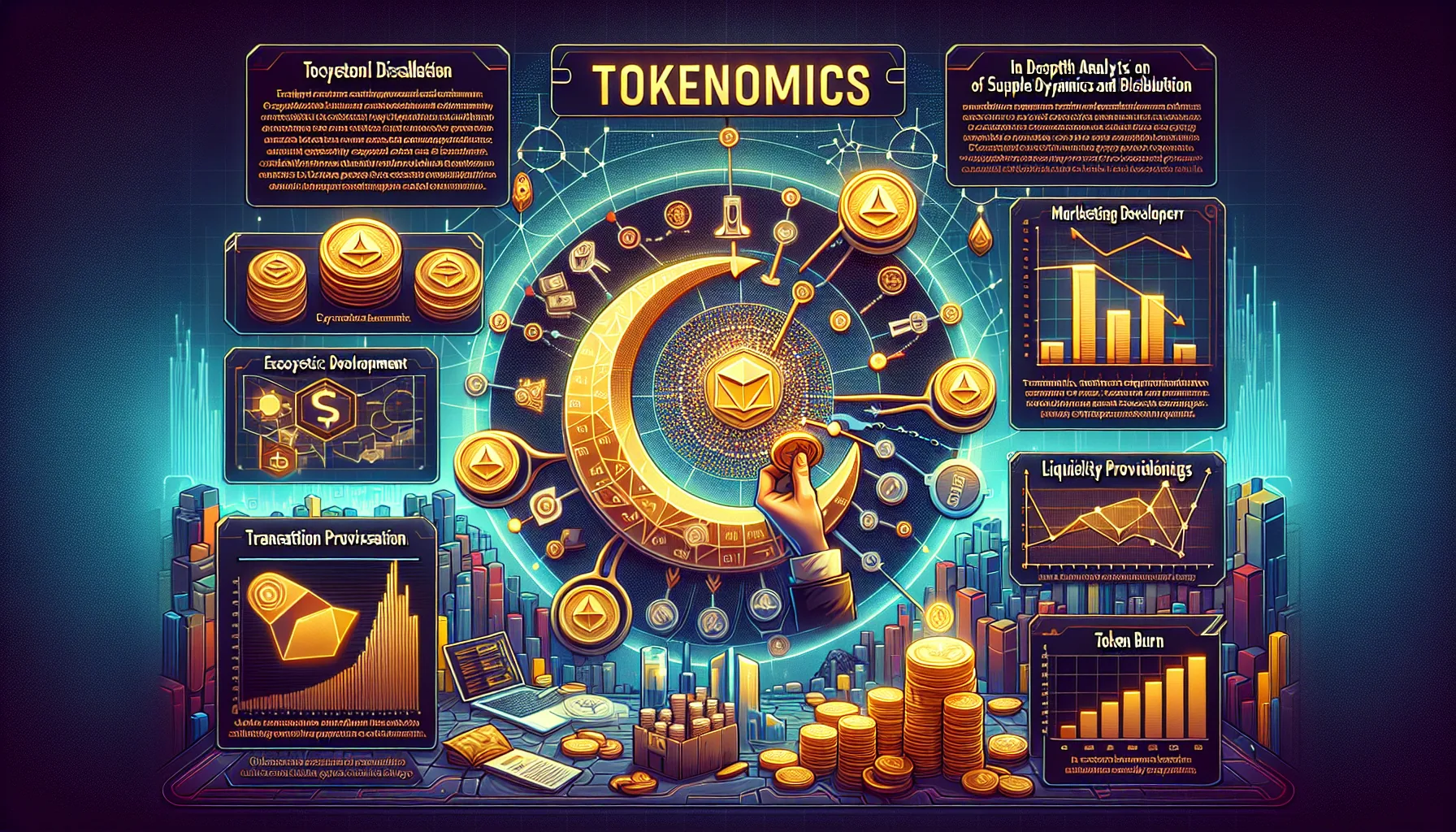
FLOKI Tokenomics: In-Depth Analysis of Supply Dynamics and Distribution
FLOKI's tokenomics plays a critical role in its ecosystem, with a structure designed to balance scarcity, utility, and incentivization. The token is built on a deflationary economic model, which strategically uses mechanisms like transaction fees, token burns, and redistributions to manage its supply and appeal to holders. However, several nuances within its tokenomics warrant scrutiny.
One of the most defining features of FLOKI's tokenomics is its transaction tax mechanism. A percentage of every buy, sell, or transfer is allocated towards ecosystem development, marketing, liquidity provisioning, and redistributions to existing token holders. While such a model aligns incentives for long-term holding and community development, it simultaneously disincentivizes high-frequency trading. This makes FLOKI less appealing to active traders or those seeking to exploit short-term price movements. Additionally, transaction taxes can create barriers for user onboarding, particularly for investors unfamiliar with these mechanics.
FLOKI also incorporates token-burning mechanisms, which aim to reduce the circulating supply over time, driving scarcity. Burn events are typically used to adjust token supply-demand dynamics. However, the lack of a fully transparent schedule for burns raises questions regarding predictability and fairness. For instance, unpredictable burns may benefit existing holders at the cost of creating uncertainty for incoming investors, reducing its attractiveness as an investable digital asset.
The initial token allocation of FLOKI reveals another layer of consideration. The token supply is often pre-distributed among core areas such as project development, liquidity pools, marketing, and team holdings. While this strategy funds key initiatives and ensures liquidity, concerns about disproportionate team allocations or poorly communicated vesting schedules can pose risks to decentralization and trust. Centralized token control remains a potential weak point, as it opens the door to issues like sell-pressure or misaligned incentives.
Furthermore, FLOKI’s tokenomics strategy integrates marketing-heavy incentives, including strategic partnerships and promotional campaigns. While this has been effective in boosting visibility and adoption, resource-heavy allocations toward marketing could divert from development and innovation within the ecosystem. Critics argue that such allocations might not be sustainable if they fail to translate into meaningful growth in utility or adoption.
Lastly, the supply cap of FLOKI merits attention. Emphasizing scarcity can drive interest, but questions surrounding how well the cap aligns with the token’s utility in decentralized applications (dApps) and partnerships remain significant. Long-term sustainability relies on maintaining a balance between supply control and user usability.
By design, FLOKI’s tokenomics seeks to unite scarcity with utility and incentivize community loyalty. However, transparency, predictability, and sustainability remain areas of concern within its structure.
FLOKI Governance
Governance Model of FLOKI: An In-Depth Analysis
FLOKI, a cryptocurrency inspired by the cultural momentum of memecoins, presents a governance framework that reflects both opportunities and challenges within the decentralized finance (DeFi) ecosystem. The governance mechanism employed by FLOKI aims to strengthen community involvement while raising critical questions about its efficacy and potential pitfalls.
Decentralized Governance Structure
At the heart of FLOKI’s governance is its commitment to decentralization. Token holders are granted the ability to vote on proposals, with weighted influence based on the number of tokens held. This enables the community to collectively make decisions on key areas such as protocol upgrades, marketing efforts, and ecosystem partnerships. While this may empower community participation, it also introduces the well-documented issue of "token-weighted plutocracy." Whales—holders of disproportionately large amounts of FLOKI—can dominate decision-making processes, sidelining smaller participants and creating a governance imbalance.
DAO Implementation
FLOKI incorporates a Decentralized Autonomous Organization (DAO) model to oversee its ecosystem. In theory, the DAO allows for transparent and trustless governance with voting conducted on-chain. However, like many DAOs, it is susceptible to low participation rates. Ensuring a steady stream of engaged voters remains a challenge, raising concerns over whether governance is truly representative of the broader community. To counteract voter apathy, FLOKI employs mechanisms such as incentivized voting, though these can inadvertently attract participants who are more interested in rewards than long-term ecosystem sustainability.
Lack of Documentation Clarity
Critics of FLOKI’s governance have highlighted the relatively opaque nature of its framework documentation compared to more established projects. While the community-driven ethos is appealing, the lack of detailed, publicly available governance guidelines is a notable drawback. This can create barriers to entry for new participants, particularly those seeking clarity on the governance process before investing significant time or capital.
Centralization Concerns
Although FLOKI champions decentralization, certain key decisions often rely on the core development team. This reliance creates a subtle form of centralization, which some view as undermining the ethos of decentralized governance. The blending of community-driven and core team-led decision-making raises questions about accountability and whether meaningful decentralization has been achieved.
Amendability and Governance Evolution
Adaptive governance is essential in the rapidly evolving crypto landscape, and FLOKI's governance framework includes mechanisms for future updates. However, the process for proposing and enacting amendments can be laborious and opaque for non-technical participants, which may hinder decentralized adaptability. Additionally, the tight coupling between governance and token value incentivizes speculative behavior, potentially skewing decision-making toward short-term profit motives.
Technical future of FLOKI
Current and Future Technical Developments: FLOKI’s Technical Roadmap
FLOKI, known for its origins as a memecoin, has evolved into a cryptocurrency focused on building a strong utility-driven ecosystem. The project’s technical development roadmap includes several ambitious upgrades and integrations, intended to address scalability, interoperability, and user adoption while simultaneously enhancing decentralization. However, there are also critical challenges that lie in realizing these initiatives, which warrant scrutiny.
Smart Contract and Protocol Upgrades
One of FLOKI's core aims is the optimization of its smart contract design. Current developments focus on enhancing the token’s efficiency on its primary blockchains (Ethereum and Binance Smart Chain). Ongoing upgrades include reducing gas fees for EVM (Ethereum Virtual Machine) compatibility and including mechanisms for automated liquidity injections. However, FLOKI still faces technical complexity in balancing gas optimization while preserving decentralized mechanisms, particularly on Ethereum, where high transaction costs can impact usability.
Planned introductions of modular smart contract components are expected to be a pivot point for expandable features. These might include governance integration and advanced staking architecture, though these additions could introduce vulnerabilities often associated with modular upgrades.
FLOKI's Multi-Chain Strategy
FLOKI developers have been actively exploring a multi-chain operational model to improve transaction throughput and reduce congestion. A forthcoming bridge expansion aims to allow seamless FLOKI token transfers across additional Layer-2 solutions and alternate chains beyond Ethereum and BSC. This vision aligns with a broader push toward interoperability, though prior bridge designs across the crypto space have been a common point of failure for exploits and hacks. Careful scrutiny will be required as the FLOKI roadmap pushes this feature forward.
Metaverse and NFT Integration
FLOKI's presence in the world of metaverse applications is seen in its flagship project, Valhalla, a play-to-earn metaverse game. The technical roadmap highlights further development of the game's smart contract backend, including a focus on seamless NFT integration, ensuring fast asset transfers without compromising security. While promising, the heavy reliance on Layer-1 blockchain fundamentals for this feature leaves vulnerabilities relating to transaction delays during network congestion. Implementing a Layer-2 gaming infrastructure may mitigate this issue, but no clear timeline has been specified.
Scalability and Decentralization Challenges
FLOKI’s technical team has identified protocol scalability as an ongoing area of concern. The network’s reliance on two primary blockchains leads to concerns over centralization of liquidity pools. While plans to expand the ecosystem to additional chains are in motion, these expansions raise questions about how FLOKI might address fragmentation issues with cross-chain liquidity management. At present, community members are closely monitoring these developments for clearer details on decentralized governance enhancements tied to cross-chain integrations.
Conclusion
FLOKI’s technical roadmap is ambitious but not without risks. The integration of multi-chain operability, metaverse applications, and governance-enhancing upgrades promises a broader range of use cases. However, scalability, cost-efficiency, and security remain dominant challenges requiring careful innovation to mitigate potential setbacks.
Comparing FLOKI to it’s rivals
Comparing FLOKI to DOGE: Key Differences and Considerations
When analyzing FLOKI in comparison to Dogecoin (DOGE), one of the most established meme-based cryptocurrencies, several distinctive attributes and functional disparities come to light. While both assets capitalize on community-driven branding and viral marketing, their paths diverge in terms of utility, tokenomics, and ecosystem development.
Tokenomics Structure
One of the most notable differences between FLOKI and DOGE lies in their tokenomics. DOGE operates on an inflationary model with no hard cap on its supply. This structure has long been a subject of debate within the crypto community, as it creates continuous dilution for DOGE holders while simultaneously ensuring plentiful supply to facilitate its primary use case as a transactional currency.
In contrast, FLOKI employs a deflationary model. With mechanisms such as periodic token burns, FLOKI is designed to steadily reduce its supply over time, potentially increasing scarcity. This deflationary nature may appeal to investors seeking long-term value preservation, but it also creates considerable reliance on consistent buy pressure and the success of ecosystem utilities to sustain token demand.
Ecosystem Focus
DOGE has traditionally maintained a minimalist approach, focusing largely on its role as a peer-to-peer digital currency. While its open-source code and integration with payment gateways have supported its ongoing relevance, critics argue that DOGE's development has stagnated over the years, with limited updates or innovative features added to its blockchain.
FLOKI, by comparison, has pursued a more expansive ecosystem strategy. Beyond its meme roots, FLOKI offers integrations with decentralized finance (DeFi) protocols, non-fungible tokens (NFTs), and metaverse-oriented applications. Such diversification enhances FLOKI's utility beyond mere speculation but also introduces complexities, including potential development delays and higher competition against specialized DeFi and NFT platforms.
Community and Branding
Both FLOKI and DOGE are deeply entrenched in community-driven marketing. DOGE's long-standing influence owes much to its pioneering position in the meme coin sector and high-profile endorsements. However, FLOKI has garnered attention with aggressive marketing campaigns, strategic partnerships, and social media engagement—though some argue this approach prioritizes hype over substance.
Development and Decentralization
DOGE benefits from its well-established blockchain, but its perceived lack of active, forward-looking development has raised concerns. FLOKI, on the other hand, seeks to position itself as an evolving platform, though questions linger about centralization and whether its governance model gives too much control to its core developers.
While DOGE enjoys the advantage of time-tested resilience and widespread awareness, FLOKI's innovation-oriented ecosystem presents both opportunities and risks that merit close attention.
FLOKI vs SHIB: A Detailed Comparison of Meme Coin Dynamics
When comparing FLOKI with SHIB, two prominent meme coins with significant community backing, it's essential to dissect the nuances that set them apart in terms of utility, ecosystem, and tokenomics. While both projects evolved from the meme coin phenomenon, their trajectories showcase different strategic priorities and challenges.
Utility and Ecosystem Divergence
SHIB has positioned itself as more than just a meme coin through its ambitious ecosystem developments, including ShibaSwap, the Shibarium Layer 2 solution, and its NFT initiatives. FLOKI, on the other hand, emphasizes its Metaverse project, Valhalla, and its educational platform, the Floki University. Despite both projects aiming to expand beyond the “meme” narrative, SHIB’s ecosystem arguably holds a broader appeal due to its established DeFi infrastructure and accessible tools for staking, farming, and liquidity provision. FLOKI, while innovative, is playing catch-up in this regard, with its developments still nascent compared to SHIB’s mature ecosystem.
Token Supply and Burning Mechanisms
One of SHIB’s defining characteristics is its massive initial supply of one quadrillion tokens, which has fueled its accessibility but also raised concerns over dilution. To address these concerns, SHIB has implemented regular token burns, a feature that its community actively supports to control inflationary pressure. FLOKI, while following a deflationary model, has yet to implement a burning mechanism at the scale of SHIB's. This difference highlights the distinct strategies both projects employ to manage market sentiment and long-term token scarcity.
Community Layers: The SHIB Army versus the Floki Vikings
Community engagement is critical in the meme coin sector, and SHIB has cultivated a sprawling, diverse global base known as the "SHIB Army." This group is not only vocal but highly active in promoting adoption, participating in governance, and creating offshoot projects to bolster the SHIB ecosystem. FLOKI’s "Vikings" community is also passionate and growing, but it hasn’t reached the same level of coordination or influence observed in the SHIB movement. This disparity may pose challenges for FLOKI in achieving comparable momentum.
Market Saturation and Brand Identity
SHIB benefits from being an early mover within the meme coin category, solidifying its position as a household name among crypto enthusiasts. FLOKI faces the challenge of differentiating itself in a market heavily saturated with meme tokens. While FLOKI’s Norse mythology branding adds a unique twist, it risks being overshadowed by SHIB’s streamlined identity and deeper market integration.
By focusing more heavily on strategy execution and utility expansion, FLOKI has the potential to carve out its niche, but it must contend with the extensive head start and established traction that SHIB commands.
FLOKI vs. BabyDoge: A Detailed Comparison of Utility and Community Dynamics
In the crowded meme-coin ecosystem, FLOKI and BabyDoge share common ground in branding strategies tied to internet culture and canine-themed narratives. However, the divergence in their respective tokenomics, ecosystem roadmaps, and community-driven initiatives reveals important distinctions for crypto enthusiasts seeking nuanced insights.
Tokenomics: Deflationary Approaches
BabyDoge operates as a hyper-deflationary token that integrates automatic token burn mechanisms, which gradually reduce the circulating supply. This scarcity-centric model is aimed at creating long-term value for holders. FLOKI, on the other hand, employs a mixed utility-deflationary system, emphasizing utility-driven use cases within its ecosystem, such as staking and NFT interactions, while also incorporating periodic token burns.
The primary challenge for BabyDoge’s hyper-deflationary structure is its susceptibility to diminishing liquidity over time, potentially deterring active trading. FLOKI's hybrid focus may offer more sustainable pathways for liquidity management, though its burn mechanisms are arguably less aggressive than BabyDoge’s.
Ecosystem and Development Focus
FLOKI’s ecosystem is anchored by its commitment to expanding utility through platforms like its native NFT marketplace and the Valhalla play-to-earn (P2E) metaverse. These components position FLOKI beyond being a mere meme-coin, steering toward a broader value-driven appeal. In contrast, BabyDoge typically concentrates on fostering accessibility and adoption for newer entrants into crypto, with efforts such as simplified transaction mechanisms and a charitable component that resonates with its community ethos.
Nonetheless, BabyDoge’s comparatively limited ecosystem development could be seen as a drawback for users seeking more interactive and blockchain-centric applications for their holdings. While FLOKI’s roadmap shows ambition, some stakeholders criticize its slower pace in achieving project milestones, risking skepticism among potential adopters.
Community Engagement: Meme-Driven Momentum
Both FLOKI and BabyDoge cultivate strong, active communities driven by viral marketing and robust social media campaigns. BabyDoge leans heavily on its charitable image, particularly with initiatives focused on animal welfare, which contribute to its grassroots appeal. FLOKI approaches community engagement with an emphasis on broader brand-building, often incorporating celebrity endorsements and large-scale ad campaigns to grow visibility.
A potential downside for BabyDoge lies in its overreliance on its philanthropic narrative, which some in the crypto space view as lacking depth beyond its initial emotional appeal. FLOKI’s branding efforts, while expansive, risk criticism for focusing more on awareness than organic investor education, leading to skepticism among seasoned holders looking for substance.
Closing Observations
The face-off between FLOKI and BabyDoge reveals critical differences in how both assets define their utility, growth trajectory, and community priorities. Identifying which asset aligns best with individual investment goals may depend on a user's preference for utility-rich ecosystems versus hyper-deflationary models paired with charitable elements.
Primary criticisms of FLOKI
Primary Criticism of FLOKI: Challenges Facing the Memecoin Ecosystem
The FLOKI cryptocurrency, which originated as a memecoin inspired by the popularity of Dogecoin and its derivatives, has faced notable criticism since its inception. Despite its robust marketing narratives and a loyal community, industry insiders and blockchain analysts have raised several concerns regarding FLOKI’s long-term viability and overall ecosystem health. Here, we outline the primary criticisms of the project:
1. Overreliance on Hype and Marketing Campaigns
A consistent critique of FLOKI is its heavy reliance on aggressive marketing rather than substantive technological development. FLOKI’s rise in popularity owes much to its viral campaigns, celebrity endorsements, and partnerships rather than unique blockchain solutions or utility. Critics argue that this approach fosters speculative trading instead of sustainable growth or adoption. The concern arises that when the marketing budget dwindles, so could interest in the token.
2. Undefined Real-World Utility
While FLOKI ecosystems have promised utilities such as an NFT marketplace, metaverse games, or DeFi integrations, skeptics have frequently pointed out that these efforts often lack clarity, scalability, or differentiation. The project’s roadmap has been seen by some as vague or overly ambitious without considerable evidence of delivery. Critics within crypto-savvy circles question whether FLOKI offers anything unique compared to other established and emerging blockchain projects.
3. High Concentration of Token Ownership
Like many memecoins, FLOKI has been criticized for its high concentration of token ownership among a small number of wallets. While its community touts FLOKI as a decentralized project, blockchain analysis has revealed that a significant portion of the token supply is controlled by a few early adopters or whale addresses. This imbalance raises concerns about potential price manipulation or rug pull scenarios, especially among more risk-conscious investors.
4. Limited Transparency and Governance
Another prominent area of criticism includes FLOKI’s governance model. Despite growing adoption, the project remains relatively opaque in its decision-making processes. Critics have pointed out that the centralization of control among the development team is antithetical to the core principles of blockchain technology, where decentralization and permissionless systems are key strengths.
5. Association with “Meme Token” Volatility
Finally, FLOKI’s categorization as a memecoin exposes it to a broader skepticism within the industry. Memecoins often lack fundamental value, making them highly susceptible to sudden market cycles of euphoria and collapse. Critics contend that FLOKI is no exception, and that its long-term appeal may waver as attention shifts to newer tokens or technologies.
These criticisms reflect some of the primary challenges facing FLOKI as it continues to navigate the crowded and volatile cryptocurrency landscape.
Founders
The Founding Team Behind FLOKI: Unveiling Key Players and Dynamics
The FLOKI cryptocurrency emerged from a niche blend of meme culture and decentralized finance (DeFi) aspirations, but the identities and organization behind its founding team remain a topic worth scrutinizing. FLOKI boasts its origins as a community-driven project, yet there are core individuals and structures behind its inception that merit examination.
The early days of FLOKI trace back to a group of anonymous developers and marketers. This anonymity isn't unusual in the crypto space, where privacy is often a double-edged sword. On one hand, anonymity aligns with decentralized principles and offers protection to founders in the volatile regulatory landscape of blockchain projects. On the other hand, it complicates trust-building, particularly for investors with significant capital who prioritize transparency.
Development of the FLOKI ecosystem appears overseen by a decentralized management structure. However, records from community updates and project roadmaps suggest the presence of at least a small cadre of leaders orchestrating critical initiatives. The focus by this group has been on expanding FLOKI's use case beyond mere meme potential, aligning it with utilities tied to NFTs, gaming, and potential cross-chain functionality. These visionary goals are ambitiously laid out, but execution risk remains a concern, particularly given the lack of direct public accountability due to their pseudonymous status.
A distinct aspect of FLOKI’s founding team is its reliance on aggressive community-building strategies and marketing campaigns. The FLOKI project has often been described as prioritizing its branding efforts over technical disclosures, which has drawn both commendation and criticism. Boosters of the project admire this approach as an innovative way to rapidly grow a committed user base, while critics argue that it detracts from the foundational transparency many decentralized projects strive for.
Moreover, questions about funds allocation for marketing and development continue to arise. Community members occasionally voice concerns over whether liquidity layer controls and treasury wallets remain in ethically governed hands. Without the ability to vet the team members for previous blockchain successes, or even their technical qualifications, suspicions inevitably linger in certain crypto-savvy circles.
While decentralization is a core tenet of FLOKI’s pitch, the relative opacity of its founding team leaves lingering doubts about the legitimacy and long-term organizational structure of the project. How this balance evolves will undoubtedly shape the project's narrative as it matures.
Authors comments
This document was made by www.BestDapps.com
Sources
- https://floki.com
- https://etherscan.io/token/0x43f11c02439e2736800433b4594994bd43cd066d
- https://bscscan.com/token/0xfb5b838b6cfeedc2873ab27866079ac55363d37e
- https://github.com/floki-fi
- https://floki.com/whitepaper
- https://www.coingecko.com/en/coins/floki-inu
- https://coinmarketcap.com/currencies/floki-inu/
- https://docs.floki.com
- https://medium.com/@floki
- https://twitter.com/RealFlokiInu
- https://www.binance.com/en/news/top/floki-inu
- https://blog.floki.com
- https://academy.binance.com/en/glossary/floki-inu
- https://dappradar.com/binance-smart-chain/defi/floki-dex
- https://www.reddit.com/r/Floki/
- https://www.youtube.com/channel/UCnRsotCxUksmNeVVVJ6P68w
- https://cryptoslate.com/coins/floki-inu/
- https://nomics.com/assets/floki-floki-inu
- https://floki.com/roadmap
- https://www.linkedin.com/company/floki-inu/


